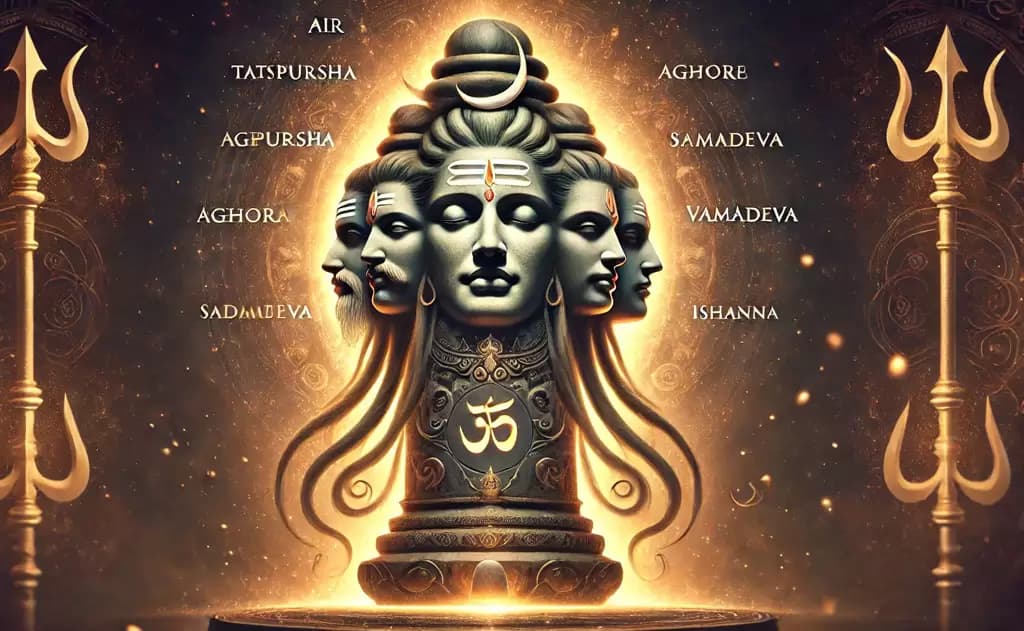
Mahakaleshwar Temple, Ujjain – Maha Shivaratri 2026: 9-Day Shiv Navratri Celebrations, Bhasma Aarti & Sacred Time Rituals
By HinduTone Spiritual Festivals Correspondent Published: February 10, 2026 The Mahakaleshwar Temple in Ujjain, Madhya Pradesh, is one of the twelve…

By HinduTone Spiritual Festivals Correspondent Published: February 10, 2026 The Mahakaleshwar Temple in Ujjain, Madhya Pradesh, is one of the twelve…
By HinduTone Spiritual Festivals Correspondent Published: February 10, 2026
The Mahakaleshwar Temple in Ujjain, Madhya Pradesh, is one of the twelve Jyotirlingas and holds a unique position as the only south-facing Jyotirlinga, symbolizing Lord Shiva as the lord of time (Mahakaal). Situated on the banks of the holy Shipra River, the temple is renowned for its powerful Bhasma Aarti (sacred ash ritual) and its deep connection to the concept of time, karma, and cosmic cycles.
Maha Shivaratri 2026 falls on Sunday, February 15, 2026 (Phalguna Krishna Chaturdashi), and at Mahakaleshwar, the festival is preceded by Shiv Navratri—a nine-day devotional observance starting around February 6–7, 2026, leading up to the Great Night of Shiva. During this period, the temple witnesses elaborate daily shringaar (decorations), special abhishekams, and massive crowds seeking blessings for protection, longevity, and liberation from the cycle of time and rebirth.
Ujjain, one of the seven Moksha Puris (cities granting liberation), amplifies the spiritual potency of Maha Shivaratri. Devotees believe that sincere worship here on this auspicious night can nullify past karma, conquer fear of death, and grant the grace of Mahakaal.
Spiritual Significance of Mahakaleshwar & Maha Shivaratri
According to the Shiva Purana and local traditions, Mahakaleshwar is the guardian of time itself. The Jyotirlinga emerged when Shiva destroyed the demon Dushan and protected his devotee. The south-facing orientation signifies Shiva's role as the destroyer of ignorance and time-bound existence.
Maha Shivaratri here celebrates the marriage of Shiva-Parvati, the consumption of Halahala poison, and the cosmic dance. The Bhasma Aarti—unique to Mahakaleshwar—symbolizes the impermanence of the body (reduced to ash) and the eternal nature of the soul. Performing or witnessing it on Shivaratri is considered highly meritorious for moksha and overcoming worldly attachments.
Key Rituals & Celebrations (February 6–15, 2026)
The nine-day Shiv Navratri builds intensity toward Maha Shivaratri:
- Daily Shringaar & Decorations → Lord Mahakal is adorned in different alankars each day (e.g., silver, gold, floral, diamond), with special themes symbolizing various aspects of Shiva.
- Bhasma Aarti → The most famous ritual, performed daily at around 4:00 AM (pre-dawn). Sacred ash from funeral pyres is offered to the Shivling amid Vedic chants, bells, and conch sounds. On Maha Shivaratri, the aarti carries extraordinary spiritual weight.
- Sehra Darshan & Vivah Rituals → Symbolic wedding preparations and processions depicting Shiva-Parvati marriage.
- Rudrabhishekam & Abhishekam → Continuous milk, honey, curd, ghee, and Bilva leaf offerings; group Rudrabhishekam sessions draw thousands.
- February 15, 2026 (Maha Shivaratri):
- Extended temple hours with 24-hour darshan.
- Special Nishita Kaal Puja (midnight worship).
- All-night jagran with bhajans, discourses, and mantra chanting.
- Massive Bilva archana (108/1008 leaves) and milk pouring.
- Cultural programs, Vedic recitations, and Harikatha narrations.
- Post-Shivaratri (February 16) → Parana (breaking fast) after sunrise, continued abhishekams, and serene conclusion of Navratri.
The Mahakal Lok Corridor (expanded access path) facilitates smoother darshan, though crowds peak during Bhasma Aarti and Shivaratri night.
Pilgrim Tips for Maha Shivaratri 2026
- Bhasma Aarti Booking → Register online via official MPTourism or temple portal months in advance (limited slots); general entry available but requires early queuing (often 2–3 AM arrival).
- Darshan Strategy → Use VIP Darshan (if available) or general queue; expect 4–8+ hour waits on peak days.
- Travel & Stay → Ujjain is well-connected by train (Ujjain Junction) and road from Indore (55 km) or Bhopal. Book hotels, dharmashalas, or MPTourism accommodations early.
- Observance → Strict fast (nirjala or phalahar) on February 15, Bilva offerings, chant “Om Namah Shivaya,” stay awake for jagran.
- Health & Facilities → Free annadanam, medical camps, and sanitation provided; carry minimal belongings, ID, and warm clothing for early morning aarti.
- Best Experience → Witness Bhasma Aarti at least once; combine with Shipra River bath and visit to nearby temples like Harsiddhi Devi or Kal Bhairav.
Spiritual Note
Mahakaal is time personified, yet beyond time. On Maha Shivaratri, surrendering at His feet reminds us that true freedom lies in transcending the temporal world. As the temple’s ancient promise holds: “He who worships Mahakaal with devotion conquers death itself.”
May Lord Mahakaleshwar grant all devotees protection, wisdom, and liberation from the wheel of time this sacred 2026 festival.
For more divine insights:
- Top 10 Lord Shiva Temples 2026: Jyotirlingas & Sites
- Maha Shivaratri 2026: Great Night of Shiva – Significance, Fasting, Rituals and Devotional Practices
- Kashi Vishwanath Temple: The Most Powerful Jyotirlinga for Moksha and Spiritual Liberation in Varanasi
- Ekadasa Rudrabhishekam: Complete Guide to Benefits, Procedure & Significance
Related
See the main Dussehra & Vijayadashami 2026 complete guide for the date (20 October), Vijaya muhurat and full rituals.
Frequently Asked Questions
Where is Mahakaleshwar Temple, Ujjain – Maha Shivaratri located?
By HinduTone Spiritual Festivals Correspondent Published: February 10, 2026 The Mahakaleshwar Temple in Ujjain , Madhya Pradesh, is one of the twelve Jyotirlingas and holds a unique position as the only south-facing Jyotirlinga, symbolizing Lord Shiva as the lord of time ( Mahakaal ). Situated on the banks of the holy Shipra River , the temple is renowned fo
Who is the presiding deity of Mahakaleshwar Temple, Ujjain – Maha Shivaratri?
The presiding deity is Lord Shiva.
What are the timings and how do I reach Mahakaleshwar Temple, Ujjain – Maha Shivaratri?
Temples typically open early morning and evening; confirm current darshan timings before visiting. The nearest airport, railway station and road routes are covered in the guide above.
What is the best time to visit Mahakaleshwar Temple, Ujjain – Maha Shivaratri?
Major festival days and the cooler months are popular, though weekday mornings offer a calmer darshan. Plan around the temple's key festivals for the most vibrant experience.
You might also like
Dussehra / Vijayadashami 2026: Complete Guide — Date, Muhurat, Rituals & Meaning
Karthika Purnima 2026: Significance, Rituals, and the Triple Festival Across Hindu, Sikh, and Jain Traditions
Janmashtami 2026 in India: Date, Rituals & Top Temples to Visit