
Aarti
10 articles
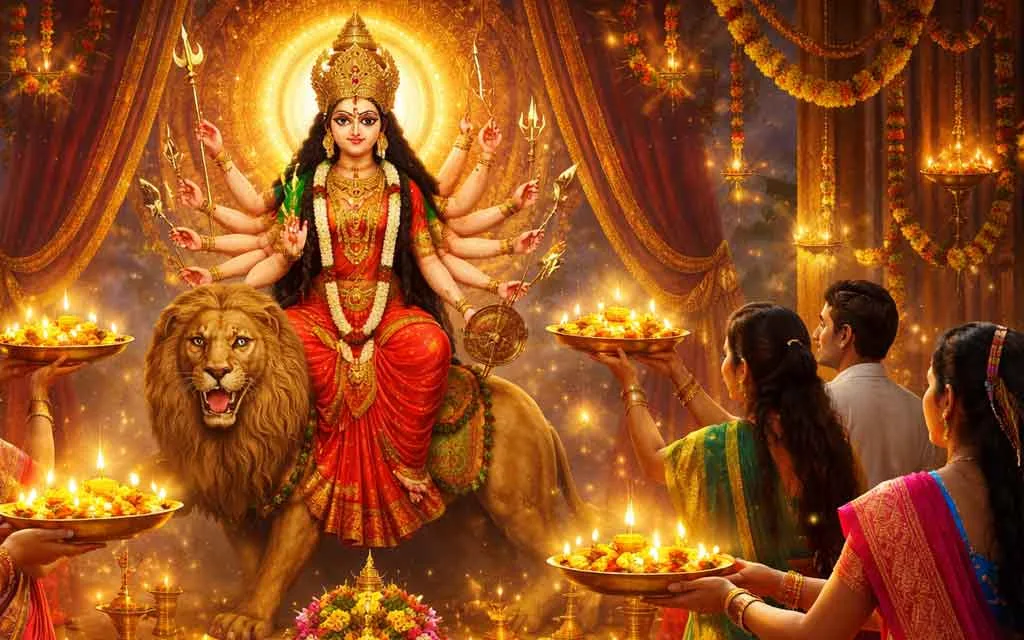
Aarti is the offering of light to the Divine, usually performed at the close of a puja by waving a lamp of ghee or camphor before the deity while devotional songs are sung. It is one of the most familiar and joyful moments of Hindu worship, shared by families at home, in temples and at community festivals across the world.
Many beloved aartis are sung in Hindi and regional languages, such as those to Lord Ganesha, Goddess Lakshmi, Lord Shiva, Hanuman and Goddess Durga, while in the Telugu and Tamil traditions the lamp offering is known as harathi or arati. Devotees traditionally receive the warmth of the flame with their palms afterwards, accepting the blessing. Aarti sits naturally alongside Bhajans and Devotional Songs and is often the final step of a Puja Vidhi.
On this page you will find popular aartis with lyrics and meaning, notes on when they are usually sung, explanations of the symbolism of light and camphor, and help for families who want to make aarti part of their daily routine.
Start Here



Latest Articles

Dev Uthani Ekadashi 2026: Special Yamuna Aarti in Prayagraj with Deepdaan, Bhajans and Fireworks
The Yamuna ghats of Prayagraj glowed with lamps for Dev Uthani Ekadashi. According to a Free Press Journal report of…
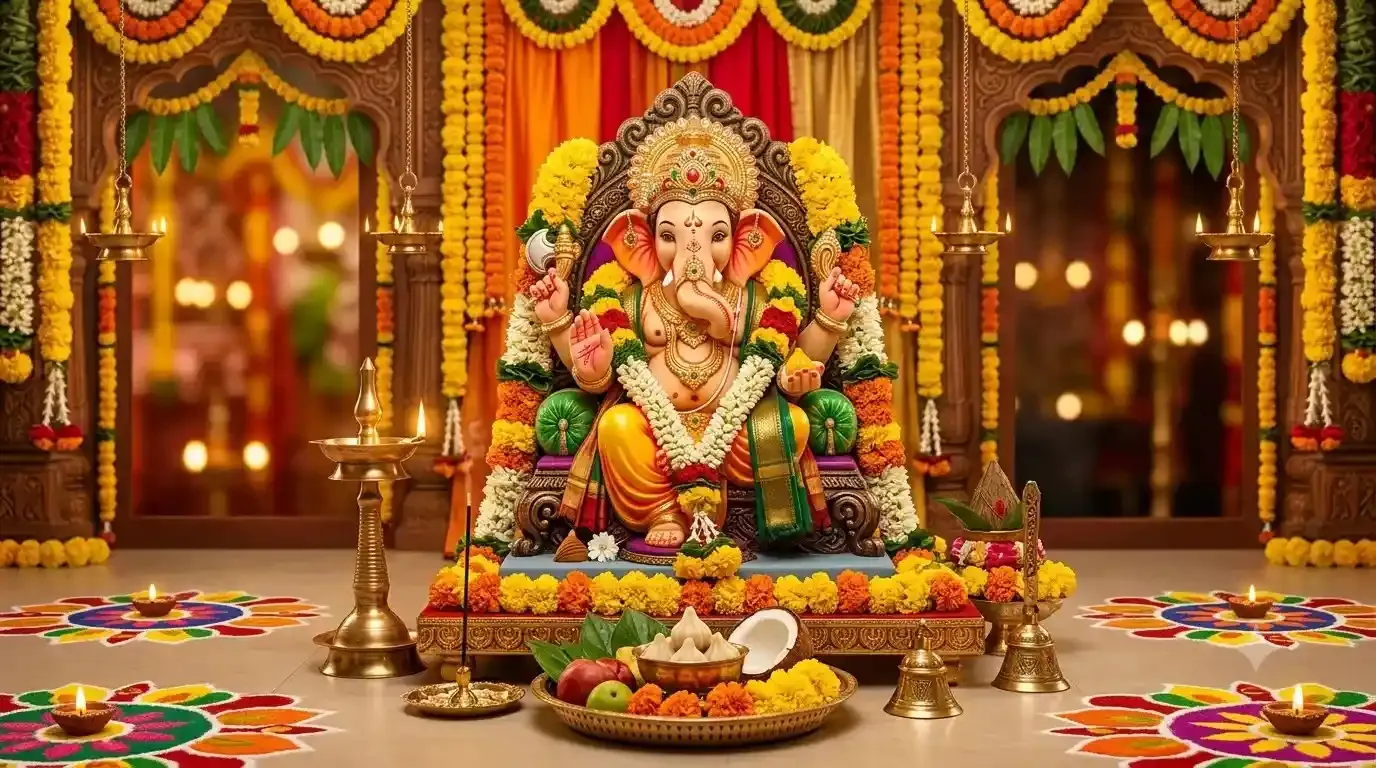
Ganesh Aarti Lyrics and Meaning: Jai Ganesh Deva, Sukhkarta Dukhharta and More
The complete Jai Ganesh Deva aarti in Devanagari, transliteration and English meaning, an introduction to the Marathi…
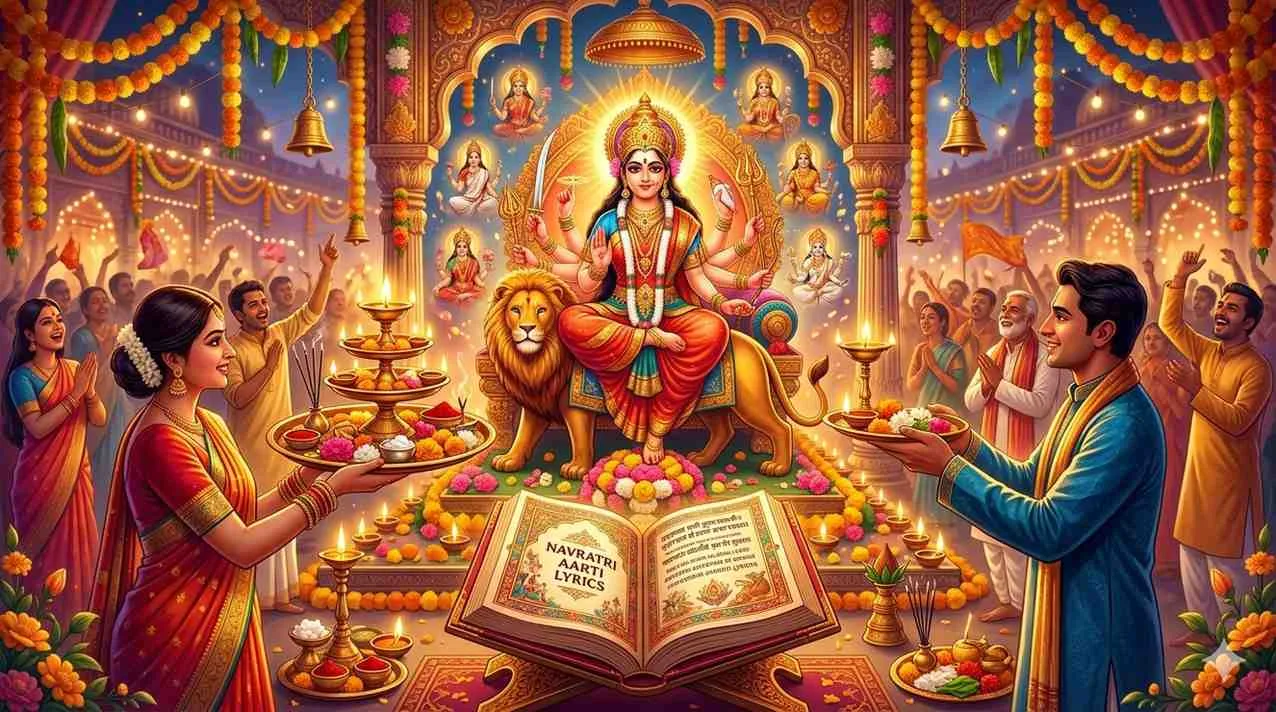
Navratri Aarti Lyrics in Hindi & English – 2026 Special Collection for NRIs
नवरात्रि आरती संग्रह — हिंदी और अंग्रेज़ी Complete Devotional Guide for Global Hindu Families | Jai Ambe Gauri, Jai Adhya Shakti & More…
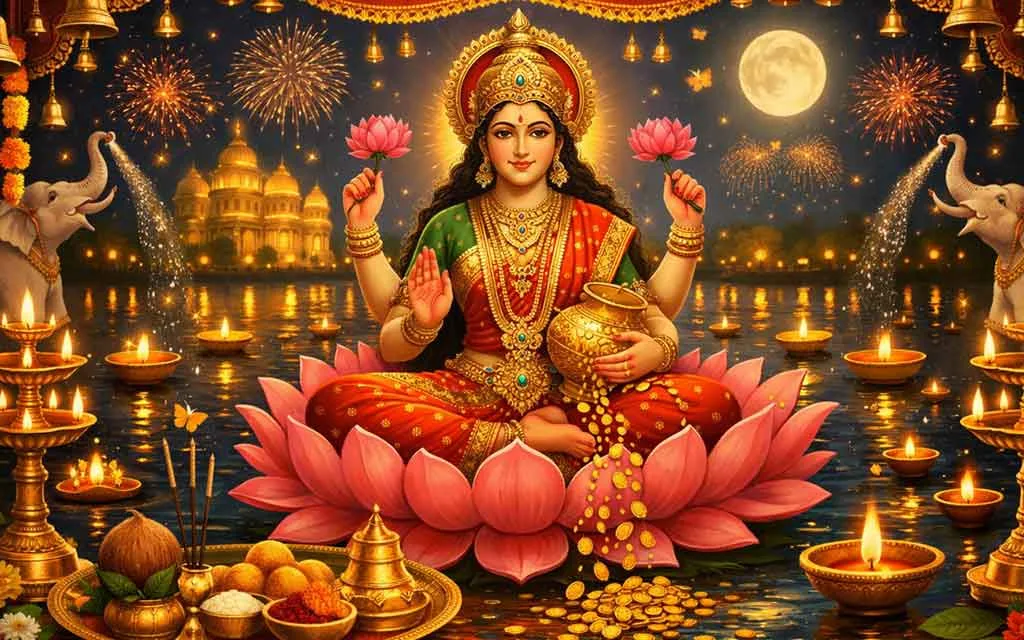
Maha Lakshmi Aarti Lyrics — Hindi, English & Transliteration
Introduction: The Sacred Aarti of Maa Maha Lakshmi Maha Lakshmi Aarti, popularly known as Om Jai Lakshmi Mata, is one…

FAQs
What is aarti?
Aarti is the ritual of waving a lit lamp, usually with ghee wicks or camphor, in circles before a deity, often while singing a devotional song and ringing a bell. It is generally performed at the end of a puja. Devotees then pass their hands over the flame and touch their eyes to receive its blessing.
Which are the most popular aarti songs?
Widely sung aartis include Om Jai Jagdish Hare, Jai Ganesh Deva, Sukhkarta Dukhharta (Ganesha, Marathi), Om Jai Shiv Omkara, Aarti Kunj Bihari Ki, Jai Ambe Gauri, Om Jai Lakshmi Mata and the Hanuman aarti. Our aarti pages give the full lyrics with meanings in English, Hindi and Telugu.
How should aarti be performed correctly?
Traditionally the lamp is moved clockwise around the deity, beginning at the feet, then the middle, then the face, and finally around the whole image. A bell is rung with the left hand. Customs about the number of circles vary by family and sampradaya, so follow your own tradition.