Why the Saptarishis Aarti at Kashi Vishwanath Mandir Is Uniquely Divine
Among the countless spiritual traditions embedded within the sacred city of Varanasi, one ritual stands out in both mystery and magnitude—the Saptarishis Aarti…
Among the countless spiritual traditions embedded within the sacred city of Varanasi, one ritual stands out in both mystery and magnitude—the Saptarishis Aarti…
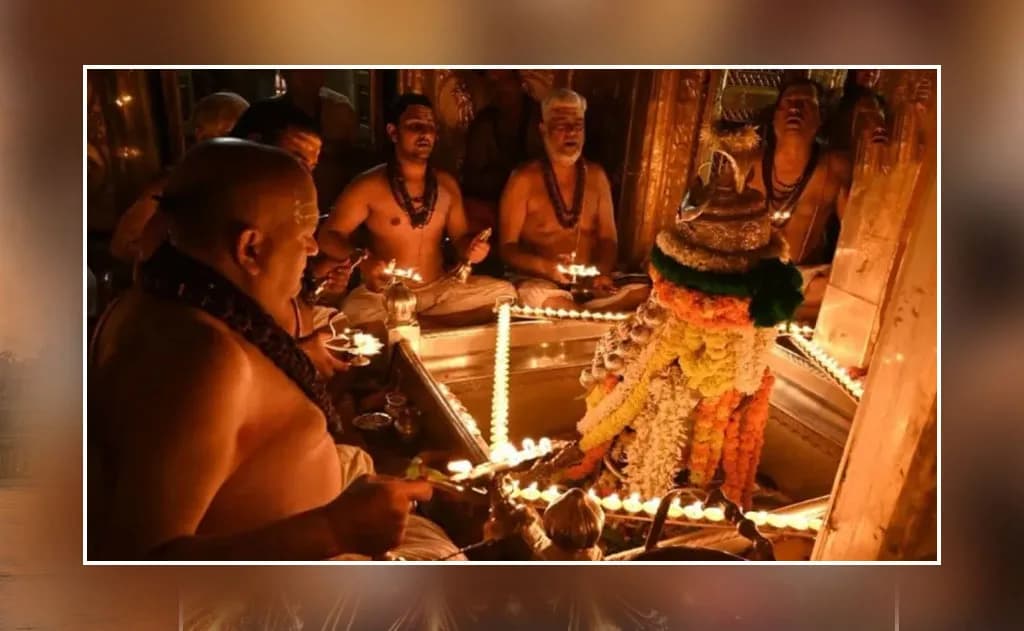
Among the countless spiritual traditions embedded within the sacred city of Varanasi, one ritual stands out in both mystery and magnitude—the Saptarishis Aarti at Kashi Vishwanath Mandir. This deeply revered Aarti is not just a devotional offering but a divine legacy said to be passed down from Mahadev (Lord Shiva) himself to the Saptarishis (seven great sages). Let's explore why this Aarti holds such a unique and exalted place in Hinduism.
The Origins of Saptarishis Aarti
Divine Transmission from Mahadev
Unlike other Aartis performed in temples across India, the Saptarishis Aarti is believed to have been taught directly by Lord Shiva to the Saptarishis. This transmission from deity to sages makes the ritual spiritually unparalleled.
The Role of the Saptarishis
The Saptarishis are the seven most enlightened sages in Hindu mythology, entrusted with preserving dharma and guiding human civilization. Their involvement elevates the sanctity of this ritual.
Exclusivity of the Ritual
Performed Only at Kashi Vishwanath Mandir
The Saptarishis Aarti is unique in that it is performed exclusively at the Kashi Vishwanath Mandir. No other temple in India holds the license—spiritually or ritually—to perform this divine ceremony.
Daily Sacred Timing
This Aarti is performed every evening between 7:00 PM and 8:00 PM, following a meticulously observed sequence of chants and offerings that align with ancient Vedic practices.
Ritualistic Significance
Deep Symbolism
Each segment of the Aarti corresponds to one of the seven sages and incorporates specific mantras and mudras meant to invoke divine presence.
Connection to Cosmic Order
As per the Puranas, the Saptarishis represent the seven stars of the Big Dipper constellation. Their worship through the Aarti aligns the devotee with the cosmic order.
Spiritual Benefits
Cleansing of Karma
Devotees believe that witnessing or participating in this Aarti helps cleanse lifetimes of karma and accelerates spiritual growth.
Gateway to Moksha
Since Kashi is considered the city of liberation, and the Saptarishis Aarti is one of its most sacred rituals, it is believed to be a direct path toward Moksha (liberation).
The Ritual Procedure
Seven Lamps for Seven Sages
Seven large brass lamps are lit, each representing one sage. The priests move these in precise synchronization with the chanting of Vedic hymns.
Use of Traditional Instruments
The Aarti features conch shells, bells, and drums that create a celestial soundscape, enhancing the spiritual ambiance.
Sacred Offerings
Offerings include ghee, sandalwood, flowers, incense, and Bilva leaves—all items beloved by Lord Shiva.
Preservation of Tradition
Oral Transmission
The procedures and chants of the Saptarishis Aarti have been passed down orally through generations of temple priests, preserving its purity.
Unchanged for Centuries
Unlike other temple rituals that evolve with time, the Saptarishis Aarti has remained unchanged for centuries, safeguarding its divine authenticity.
Conclusion
The Saptarishis Aarti at Kashi Vishwanath Mandir is not just a ritual but a spiritual experience deeply embedded in divine origin, cosmic alignment, and ancient wisdom. Its exclusivity and sanctity make it a must-witness event for any spiritual seeker.
FAQs
1. What makes the Saptarishis Aarti different from other Aartis?
The Saptarishis Aarti was taught by Mahadev to the Saptarishis, making it a divinely transmitted ritual unique to Kashi Vishwanath Mandir.
2. Is the Aarti open to public viewing?
Yes, the public can witness the Saptarishis Aarti every evening at the temple.
3. What time does the Aarti take place?
The ritual is conducted between 7:00 PM and 8:00 PM daily.
4. Can women participate in the Aarti?
Yes, the ritual is inclusive and open to all devotees, regardless of gender.
5. Is prior registration needed to attend the Aarti?
While entry is generally open, it's advisable to check with temple authorities during festival times due to large crowds.
How to Reach — Travel Guide — Kashi Vishwanath Temple, Varanasi
✈️ By Flight
Lal Bahadur Shastri International Airport, Varanasi (VNS, ~25 km from the temple) — direct flights from Delhi, Mumbai, Bengaluru, Hyderabad, Chennai, Kolkata, plus Kathmandu, Bangkok, Sharjah and Colombo. Pre-paid taxis to the Vishwanath Corridor take ~50 minutes.
🚂 By Train
Varanasi Junction (BSB, ~5 km from temple) and Banaras (BSBS, ~6 km, formerly Manduadih) are the main stations. Trains include Vande Bharat (New Delhi), Shiv Ganga Express, Kashi Vishwanath Express, Varanasi Rajdhani, Mahanagari Express (Mumbai). Pandit Deen Dayal Upadhyay Junction (Mughalsarai, 18 km) handles overflow.
🚌 By Bus
UPSRTC Cantonment Bus Stand (5 km from temple). Buses from Lucknow, Allahabad/Prayagraj, Gorakhpur, Kanpur, Patna, Bodhgaya, Ayodhya. From the bus stand, e-rickshaw to Godowlia (the Corridor entry) takes 20 minutes (₹50–80).
🚗 By Road / Car
On NH-19 (Kolkata–Delhi GT Road) and NH-31. From Lucknow (320 km), Prayagraj (120 km), Ayodhya (215 km), Patna (250 km), Gorakhpur (200 km). Vehicles park at Godowlia / Maidagin / Vishwanath Corridor parking; the temple is then a short walk through the new Corridor.
Best Places to Visit Near Kashi Vishwanath Temple, Varanasi
Combine your darshan at Kashi Vishwanath Temple, Varanasi with these well-known nearby attractions for a complete pilgrimage and travel experience:
Sarnath (10 km) — where Buddha gave his first sermon; Dhamek Stupa and the Lion Capital Museum.
Manikarnika & Harishchandra Ghats — the eternal cremation ghats; the tradition behind Mahasmashana of Bhairava.
Dashashwamedh Ghat (500 m) — the famous evening Ganga Aarti at sunset.
Tulsi Manas Mandir (4 km) — where Goswami Tulsidas composed the Ramcharitmanas.
Bharat Mata Mandir (4 km, in BHU) — unique map-of-India in marble instead of an idol.
Ramnagar Fort (14 km, across the Ganga) — 18th-century Maharaja palace and museum.
BHU New Vishwanath Temple (8 km) — the Birla-built Shiva temple inside the campus.
All distances are approximate; please verify on Google Maps and check current road, weather and local conditions before travelling. For latest darshan timings and special pilgrim arrangements, refer to the temple's official authority website.
Frequently Asked Questions
Where is Why the Saptarishis Aarti at Kashi Vishwanath Mandir located?
Among the countless spiritual traditions embedded within the sacred city of Varanasi, one ritual stands out in both mystery and magnitude—the Saptarishis Aarti at Kashi Vishwanath Mandir. This deeply revered Aarti is not just a devotional offering but a divine legacy said to be passed down from Mahadev (Lord Shiva) himself to the Saptarishis (seven great sag
Who is the presiding deity of Why the Saptarishis Aarti at Kashi Vishwanath Mandir?
The temple's presiding deity and its significance are described in the guide above.
What are the timings and how do I reach Why the Saptarishis Aarti at Kashi Vishwanath Mandir?
Temples typically open early morning and evening; confirm current darshan timings before visiting. The nearest airport, railway station and road routes are covered in the guide above.
What is the best time to visit Why the Saptarishis Aarti at Kashi Vishwanath Mandir?
Major festival days and the cooler months are popular, though weekday mornings offer a calmer darshan. Plan around the temple's key festivals for the most vibrant experience.
You might also like
Janmashtami 2026 in India: Date, Rituals & Top Temples to Visit
12 Jyotirlingas of Lord Shiva: Complete Darshan Guide, Pilgrimage Circuits & NRI Travel Tips
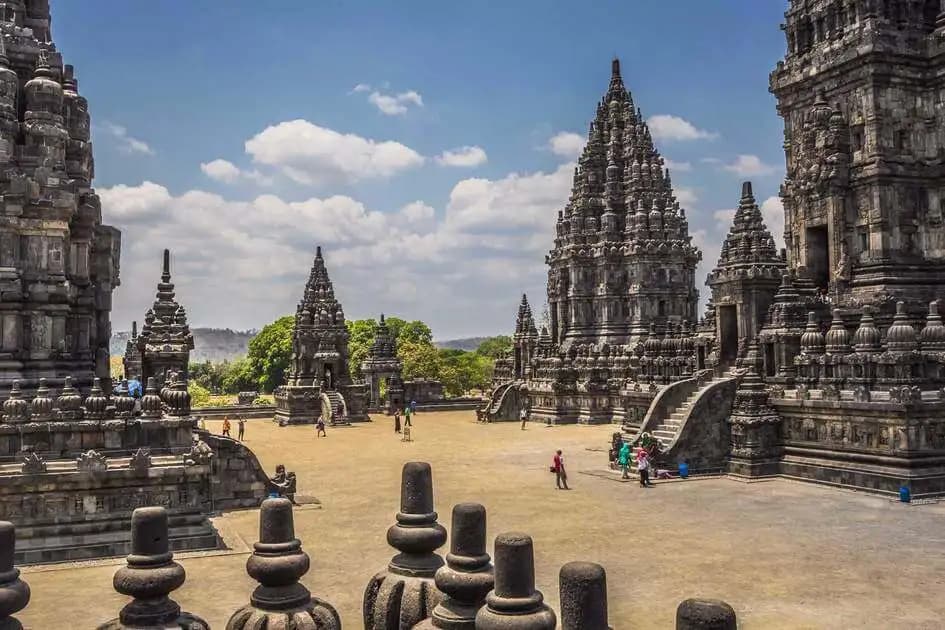
Prambanan: Divine Mysteries & Soul-Stirring Miracles of the Trimurti in Indonesia