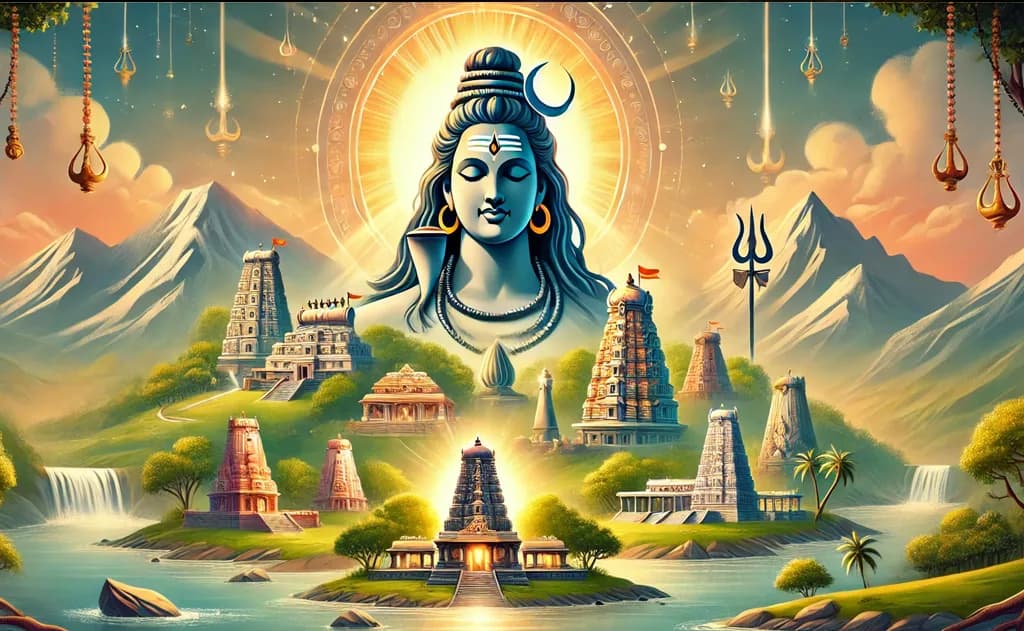
Maha Shivaratri 2026 in New Zealand: The Sacred Night of Shiva Across Aotearoa’s Quiet Lands
Maha Shivaratri in New Zealand: Stillness in a Land of Silence and Sky New Zealand is a country where silence already has space to breathe — long coastlines,…
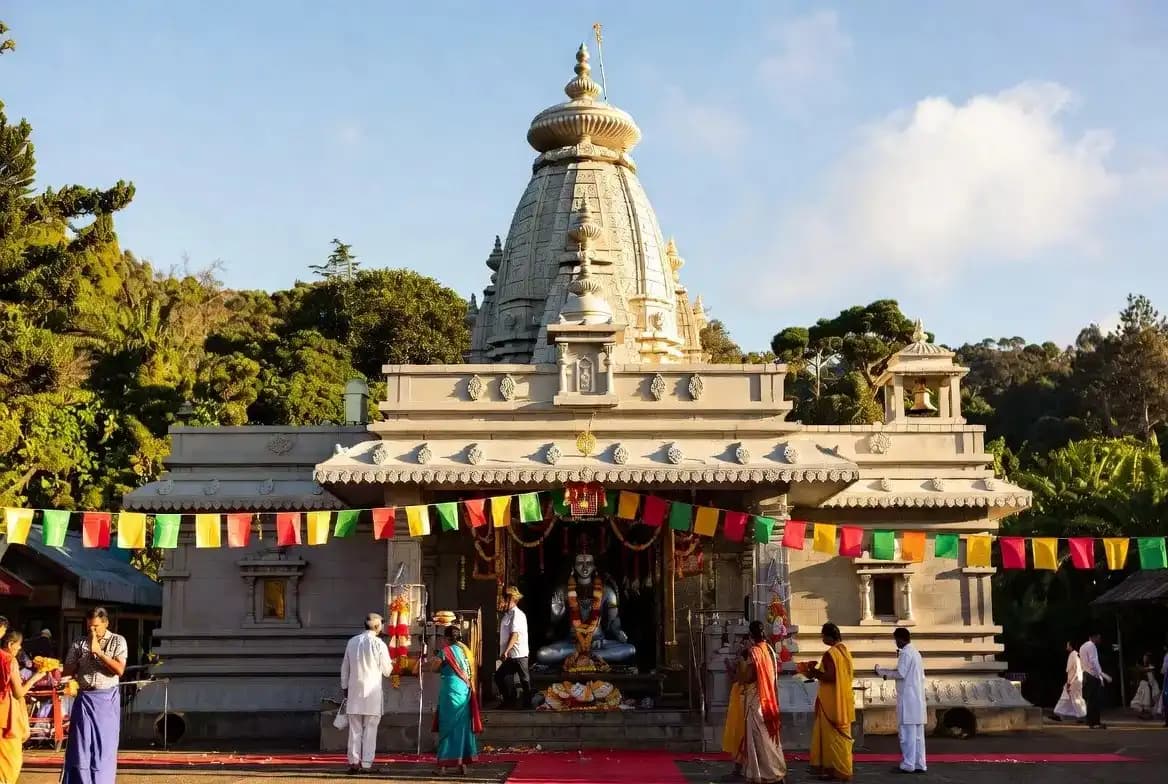
Maha Shivaratri in New Zealand: Stillness in a Land of Silence and Sky New Zealand is a country where silence already has space to breathe — long coastlines,…
Maha Shivaratri in New Zealand: Stillness in a Land of Silence and Sky
New Zealand is a country where silence already has space to breathe — long coastlines, open skies, and landscapes that naturally invite contemplation. On Maha Shivaratri, this natural stillness aligns seamlessly with the inner discipline of Shaiva tradition.
Maha Shivaratri is not a festival of outward celebration. It is a night of conscious restraint, where devotees withdraw from sleep, excess speech, and habitual thought patterns to align with Shiva — the Adiyogi, the source of yogic awareness, the embodiment of stillness beyond creation and destruction.
For the Hindu community across Aotearoa — particularly in Auckland, Wellington, Hamilton, and Christchurch — Shivaratri is a night where spiritual identity deepens quietly, without display, yet with profound inner impact.
Maha Shivaratri 2026 Date and Timings in New Zealand
New Zealand observes New Zealand Daylight Time (NZDT) in February.
- Maha Shivaratri Date:
Monday, 16 February 2026 (local observance) - Chaturdashi Tithi Begins:
2:04 AM NZDT, February 16 - Chaturdashi Tithi Ends:
2:34 AM NZDT, February 17 - Nishita Kaal (Most Auspicious Period):
4:09 AM – 4:58 AM NZDT, February 16 - Parana (Breaking the Fast):
After sunrise, approximately 6:55 AM, February 16
In Shaiva understanding, Nishita Kaal is the moment when mental activity naturally subsides, making meditation deeper and less effortful.
Why Shivaratri Is a Night of Discipline, Not Celebration
Lord Shiva is worshipped through silence, awareness, and restraint — not through noise or indulgence.
The night-long vigil represents:
- Mastery over sleep (tamas)
- Conscious disengagement from sensory excess
- Dissolution of ego and mental clutter
- Alignment with meditative awareness
In a modern world driven by stimulation, Shivaratri stands as a voluntary return to simplicity.
Maha Shivaratri Observance in New Zealand Temples
Though smaller in number compared to larger diaspora nations, New Zealand’s Hindu temples observe Shivaratri with deep sincerity and spiritual focus.
Major Shivaratri Observances in New Zealand
- Bharatiya Mandir
One of the most prominent Hindu temples in the country, hosting night-long abhishekam, mantra chanting, and collective meditation on Shivaratri. - Sri Radha Krishna Temple
Observes Shivaratri through devotional singing, spiritual discourse, and meditation, welcoming seekers from diverse backgrounds. - Wellington Indian Association
Coordinates community-based Shivaratri observances, emphasizing inclusivity and spiritual education.
During Shivaratri, these temples feel less like community halls and more like quiet sanctuaries of awareness.
The Four Praharas of Maha Shivaratri (NZ Observance)
Each Prahar marks a stage of inner purification.
First Prahar (Early Night)
- Sankalpa (inner resolve)
- Initial Shiva abhishekam
- Detachment from daily concerns
Second Prahar (Mid-Night)
- Repetitive chanting of “Om Namah Shivaya”
- Scriptural listening rather than discussion
- Gradual quieting of the mind
Third Prahar – Nishita Kaal (Pre-Dawn)
- Spiritual core of Shivaratri
- Maha Mrityunjaya Mantra japa
- Silent sitting
- Awareness without expectation
Fourth Prahar (Dawn Approach)
- Gratitude and surrender
- Completion of vigil
- Gentle re-entry into daily life
Shivaratri Fasting in New Zealand’s Summer Climate
February in New Zealand is warm but moderate, allowing balanced fasting.
Common Practices Among NZ Devotees
- Phalahar Vrat: Fruits, milk, nuts
- Milk-Only Fast: Popular among elders
- Modified Fast: One light sattvic meal before sunset
Fasting is not about endurance. It is about reducing dependency, both physical and mental.
Home Shivaratri Worship in New Zealand Homes
Due to travel distance and work commitments, many families observe Shivaratri at home.
Simple Home Puja Essentials
- Shiva Lingam or image
- Water or milk abhishekam
- Bilva leaves (available in Indian grocery stores in Auckland and Hamilton)
- Oil lamp and incense
- A quiet, uncluttered space
In Shaiva tradition, awareness itself is the offering.
Teaching Shivaratri to New Zealand-Born Children
For children raised in New Zealand, Shivaratri should be introduced as:
- A night of calm rather than restriction
- A lesson in mindfulness
- An experience of silence
- A cultural anchor, not a burden
Short meditation, simple storytelling, and optional fasting encourage understanding without resistance.
The Relevance of Shivaratri in Modern New Zealand Life
In a society that already values balance and nature, Shivaratri reinforces:
- Inner discipline
- Mental clarity
- Respect for silence
- Awareness over accumulation
Many young professionals and students in New Zealand now approach Shivaratri as a spiritual reset rather than a ritual obligation.
Frequently Asked Questions (New Zealand Context)
Is temple attendance mandatory?
No. Shiva responds to awareness, not location.
Is fasting compulsory?
No. Reducing mental distractions is equally meaningful.
Can non-Hindus attend Shivaratri in New Zealand?
Yes. Most temples welcome respectful participation.
Conclusion: Maha Shivaratri as Inner Stillness in Aotearoa
On Maha Shivaratri 2026, as New Zealand rests beneath vast skies and quiet streets, devotees sit awake — not seeking miracles, but seeking clarity, discipline, and dissolution of inner noise.
Shiva is not found in elaborate ritual.
He is found when thought dissolves into awareness.
That awareness is Shivaratri.
Om Namah Shivaya
Har Har Mahadev
You might also like
Shiva Vrats of June 2026: Kalashtami (June 8) & Masik Shivaratri (June 13)
Dasha Papahara Dashami 2026: The Sacred Vrat That Frees You from Ten Sins – Complete Significance and Rituals
Lord Shiva: The Three Faces NRI Devotees Should Know in 2026