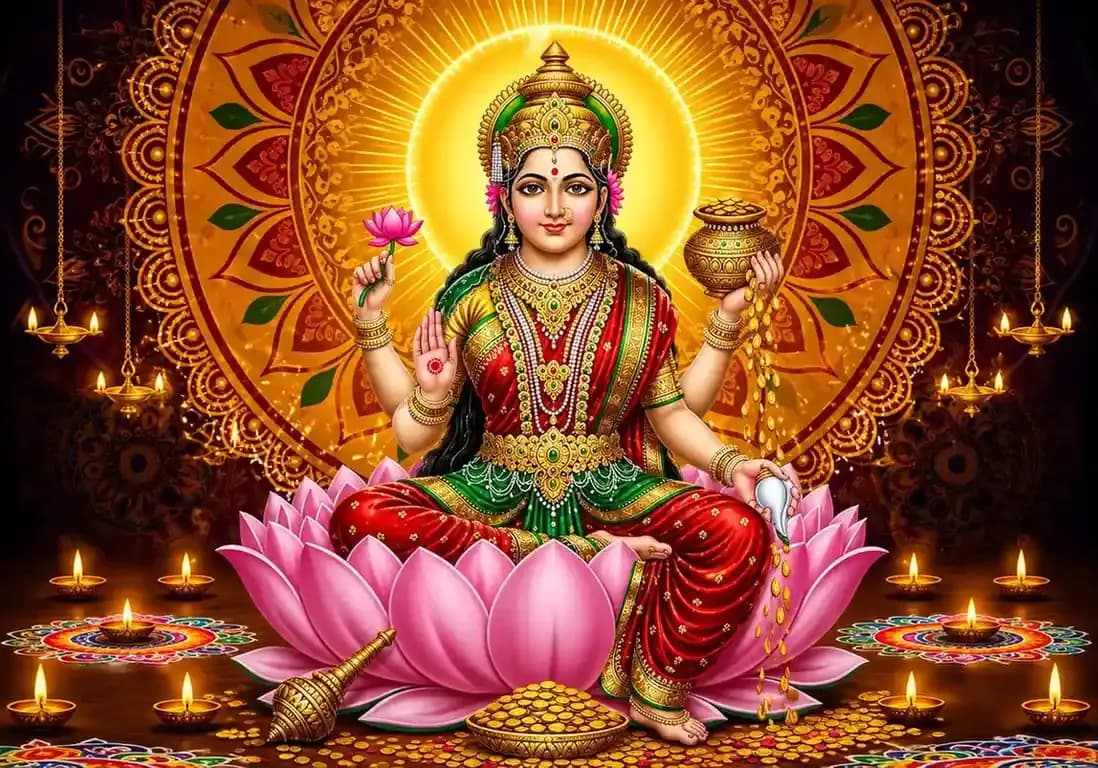
Bhogi 2027: Telugu Tradition, Date, Bhogi Mantalu and Bhogi Pallu
Bhogi 2027 is on 14 January, the opening day of the four-day Telugu Sankranti celebration. Here is the date, the Bhogi Mantalu bonfire tradition and the Bhogi Pallu ceremony for children.
Bhogi 2027 is on 14 January, the opening day of the four-day Telugu Sankranti celebration. Here is the date, the Bhogi Mantalu bonfire tradition and the Bhogi Pallu ceremony for children.
Quick answer: Bhogi 2027 falls on Thursday, 14 January 2027, the first day of the four-day Telugu Sankranti festival in Andhra Pradesh and Telangana. It is celebrated one day before Makara Sankranti (15 January 2027) and marks the letting go of the old and welcoming the new. [VERIFY 2027 panchang]
Bhogi is the joyful first day of the Sankranti festival, the biggest celebration of the year for Telugu families in Andhra Pradesh and Telangana. In 2027 it falls on Thursday, 14 January, opening the four-day Sankranti season that continues with Makara Sankranti, Kanuma and Mukkanuma. The day is centred on two much-loved customs: the pre-dawn Bhogi Mantalu bonfire, and the Bhogi Pallu blessing showered over young children. [VERIFY 2027 panchang]
Bhogi 2027 Quick Facts
- FestivalBhogi (first day of Sankranti)
- Date in 202714 January 2027 (Thursday) [VERIFY]
- Next dayMakara Sankranti — 15 January 2027 [VERIFY]
- RegionAndhra Pradesh, Telangana and Telugu diaspora
- Key ritualsBhogi Mantalu (bonfire), Bhogi Pallu (blessing children)
- Season markedEnd of Dhanurmasam; turn towards Uttarayana
When is Bhogi 2027?
According to widely followed Telugu panchangams, including the TTD and state calendars, Bhogi 2027 is observed on 14 January 2027, a Thursday, always the day before Makara Sankranti (15 January 2027). Because the Sankranti festival is tied to the Sun's transit into Makara rasi (Capricorn) rather than a lunar tithi, the sequence Bhogi → Sankranti → Kanuma stays fixed even though the exact clock time of the Makara transit varies year to year. Panchangams can differ by a day in some years depending on how the sankranti moment is reckoned; where your family or temple panchangam shows a different date, follow their reckoning. [VERIFY 2027 panchang]
The Meaning of Bhogi in Telugu Tradition
Bhogi marks the close of Dhanurmasam, the month of dawn worship, and the turn of the Sun towards Uttarayana, the northward journey considered auspicious in tradition. The word is linked to bhoga — enjoyment and abundance — and the day is felt as a fresh start after the darkest, coldest stretch of winter. Homes are cleaned, courtyards are decorated with large muggulu (rangoli) and gobbemmalu, and old, worn-out things are cleared out to make room for the new.
Bhogi Mantalu: The Dawn Bonfire
The most recognisable Bhogi custom is the Bhogi Mantalu — bonfires lit in the courtyard or street in the early pre-dawn hours. Families gather round the fire in the cold, and it is traditionally fed with old wooden items, dried cow-dung cakes, agricultural waste and things no longer needed. Symbolically, the bonfire represents burning away the old year's negativity and lethargy and welcoming warmth, light and a fresh beginning as the Sun turns north. Please note that open fires are governed by local law, air-quality rules and safety regulations, which vary by area and must be checked before lighting anything. Keep bonfires small and supervised, well away from homes, vehicles, wires and dry material, keep children at a safe distance, and never burn plastics, tyres or other harmful materials.
Bhogi Pallu: Blessing the Children
Bhogi Pallu is a tender evening ritual performed for young children, usually under the age of five. Elders shower a mixture over the child's head as a blessing for good health, protection from the evil eye and a bright life ahead; this is presented as a cherished family tradition and carries no guarantee of any particular outcome. The mixture is typically prepared from regi pandu (Indian jujube / ber fruit), flower petals, small coins, sugarcane pieces, puffed rice and akshintalu (turmeric-coloured rice). The child sits while women of the family and neighbours gently pour the mixture over the head, singing and celebrating, and children often collect the coins and fruit afterwards.
What goes into Bhogi Pallu
- Regi pandu (regi/ber fruit), the signature ingredient
- Fresh flower petals
- Small coins
- Chopped sugarcane pieces
- Puffed rice (pori) and akshintalu (turmeric rice)
- Sometimes small sweets or chana
How to Observe Bhogi at Home
- Clean the house thoroughly the previous evening and clear out old, unused items.
- Decorate the courtyard or doorway with a large muggu (rangoli) and place gobbemmalu.
- In the early morning, light a small, safe Bhogi Mantalu bonfire outdoors, following local rules.
- Take an oil bath (abhyangana snanam) and wear new or clean traditional clothes.
- Prepare festive dishes such as pongali, ariselu, and other Sankranti sweets.
- In the evening, gather elders and neighbours for the Bhogi Pallu blessing of the children.
- Offer prayers to family deities and the Sun, and share food with relatives and neighbours.
Who Observes Bhogi
Bhogi is a household and community festival rather than a personal vrat. Everyone in the family takes part — elders lead the rituals, women prepare the muggulu and festive food, and children are the focus of the Bhogi Pallu. There is no restriction by gender, marital status or age: married and unmarried women, men and children all join in, and practice varies from house to house and village to village, so follow what your own family and temple observe. Some families also keep light fasting or eat only after the morning bath and prayers; there is no fixed rule that everyone must fast. If you plan any fasting, anyone with a medical condition, or who is pregnant, should consult a doctor first.
Regional Variations
While Telugu families call the first Sankranti day Bhogi, the same day is observed across South India under different names and customs. In Tamil Nadu it is Bhogi Pongal, marked by discarding old items and the Bhogi bonfire before Thai Pongal. In Karnataka the Sankranti period features ellu-bella exchange. In Andhra and Telangana specifically, Bhogi is distinguished by the Bhogi Pallu ceremony for children and elaborate muggulu with gobbemmalu, which are less central elsewhere. Even within Telugu regions, coastal Andhra, Rayalaseema and Telangana each have their own emphasis on foods and games such as kodi pandelu (where locally permitted).
| Region | Name / Emphasis on this day |
|---|---|
| Andhra & Telangana | Bhogi — Bhogi Mantalu bonfire, Bhogi Pallu for children |
| Tamil Nadu | Bhogi Pongal — bonfire, discarding old items |
| Karnataka | Part of Makara Sankranti; ellu-bella sharing next day |
| Diaspora | Community bonfire, muggulu and shared Sankranti feast |
Bhogi and the Four Days of Sankranti
Bhogi is the opening act of a four-day festival. Day one is Bhogi (14 January 2027); day two is Makara Sankranti (15 January 2027), the main day honouring the Sun and newly harvested grain; day three is Kanuma, dedicated to cattle and farm animals; and the fourth day is Mukkanuma, a day for family visits and, in some regions, community games. Together these days celebrate the harvest, gratitude, and renewal. For families in the diaspora who cannot light an outdoor bonfire, the spirit of Bhogi is often kept through the morning oil bath, muggulu at the doorstep, festive cooking, and the Bhogi Pallu blessing indoors — a reminder that the heart of the festival is renewal and togetherness, not any single ritual. [VERIFY 2027 panchang]
Frequently Asked Questions
When is Bhogi in 2027?
Bhogi 2027 falls on Thursday, 14 January 2027, according to widely followed Telugu panchangams. It is the first day of the four-day Sankranti festival, celebrated one day before Makara Sankranti on 15 January 2027. Confirm with your family or temple panchangam. [VERIFY 2027 panchang]
What is Bhogi Mantalu?
Bhogi Mantalu is the pre-dawn bonfire lit in courtyards and streets on Bhogi. Families feed it with old wooden items and farm waste, symbolising letting go of the old and welcoming warmth and a new beginning. Open fires are governed by local law and safety rules, which must be checked first.
What is Bhogi Pallu?
Bhogi Pallu is an evening ritual in which elders shower a mixture of regi pandu (ber fruit), flower petals, coins, sugarcane and puffed rice over young children's heads as a blessing for their wellbeing. It is a cherished family tradition and carries no guaranteed outcome.
Why is regi pandu used in Bhogi Pallu?
Regi pandu (Indian jujube or ber fruit) is the signature ingredient of Bhogi Pallu and is traditionally associated with protection and blessing for the child. It is mixed with flowers, coins, sugarcane and puffed rice, which children happily gather afterwards. Customs vary by family.
Is Bhogi the same as Sankranti?
No. Bhogi is the first day of the Sankranti festival, observed the day before Makara Sankranti. In 2027, Bhogi is on 14 January and Makara Sankranti is on 15 January. Together with Kanuma and Mukkanuma they form the four-day Telugu Sankranti celebration. [VERIFY]
Who can observe Bhogi?
Bhogi is a household and community festival, not a personal vrat, so everyone takes part regardless of gender, age or marital status. Children are the focus of Bhogi Pallu. Practice varies by family and region, so follow what your own household and temple observe.
Should I fast on Bhogi?
There is no fixed fasting rule for Bhogi; some families eat only after the morning bath and prayers while others do not fast at all — it follows family custom. Anyone with a medical condition, or who is pregnant, should consult a doctor before fasting.
How is Bhogi celebrated at home?
Homes are cleaned and old items cleared, courtyards decorated with muggulu and gobbemmalu, a safe bonfire is lit before dawn where permitted, family members take an oil bath and wear new clothes, festive dishes are cooked, and children receive the Bhogi Pallu blessing in the evening.
You might also like
Rama Ekadashi 2026: Date, Vrat Katha, Puja Vidhi & Significance
Champa Shashthi 2026: Date, Khandoba Worship & Jejuri's Golden Festival
Kati Bihu 2026: Date, Rituals & Assam's Festival of Earthen Lamps