Can Rakhi Be Tied After the Muhurat Ends? What Families Do
With a morning-only window in 2026, many families — especially those living apart or abroad — tie rakhi later in the day. Here is what tradition says and what pandits commonly advise.
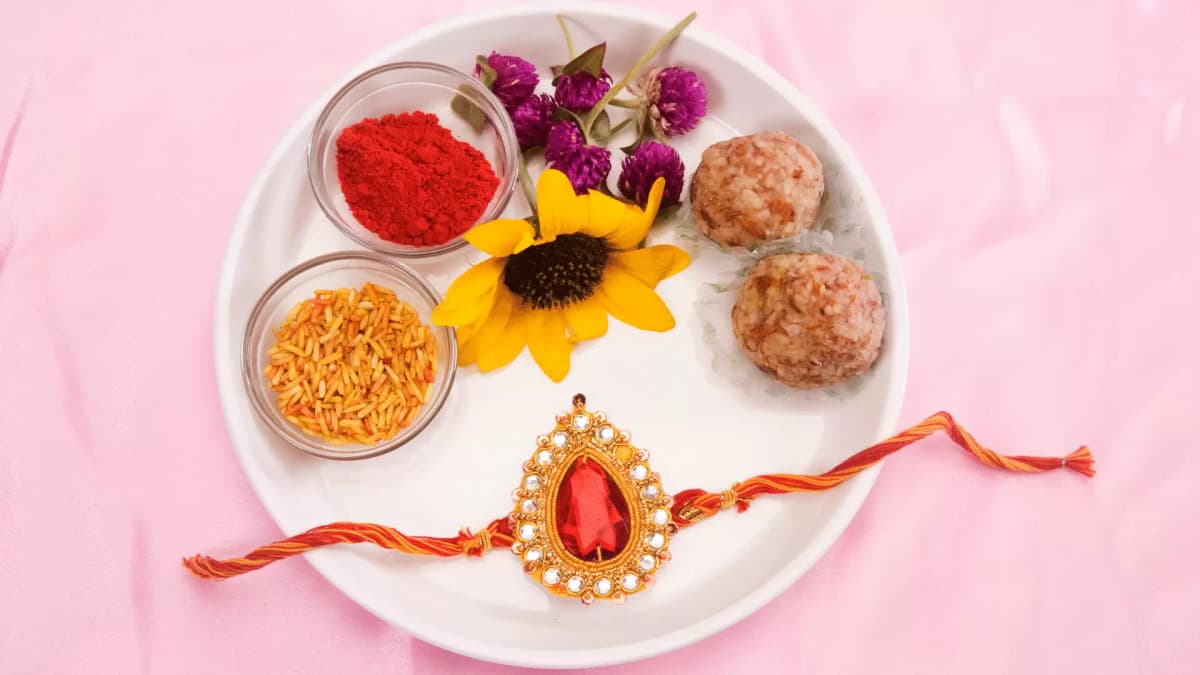
With a morning-only window in 2026, many families — especially those living apart or abroad — tie rakhi later in the day. Here is what tradition says and what pandits commonly advise.
Quick answer: Yes — rakhi can be tied after the muhurat ends. Raksha Bandhan 2026 falls on Friday, 28 August 2026, with the ideal window in the morning to midday. Most pandits agree that a rakhi tied with love and good intention outside the exact muhurat is fully valid; the bond and the blessing matter most.
Every year, one of the most common worries families share is simple: what if we miss the muhurat? In 2026, with the auspicious window for Raksha Bandhan concentrated in the morning to midday of Friday, 28 August, this question feels especially pressing — for working siblings, for families spread across cities, and above all for readers living abroad where the Indian calendar rarely lines up with the working day.
The reassuring answer, given by most pandits and rooted in the spirit of the festival, is that a rakhi tied outside the ideal window is not a failure. The muhurat is a recommended best time, not a locked door. The thread carries a sister's prayer and a brother's promise of protection — and that intention is what gives the ritual its meaning.
- Festival: Raksha Bandhan 2026
- Date: Friday, 28 August 2026
- Ideal window: Morning to midday (confirm from a local panchang)
- Can you tie later? Yes — with love and intention it remains valid
- Bhadra: Falls on the 27th; a traditional caution, not a threat
- Best for NRIs: Tie at a shared, convenient time; adjust for timezone
Why 2026 has a morning-focused window
The rakhi is traditionally tied during the Shravana Purnima tithi, once the inauspicious period called Bhadra has ended. In 2026 the calendar places Bhadra on 27 August, so the clear window opens on the 28th and is strongest through the morning into midday. This naturally pushes the ideal muhurat earlier in the day, which is exactly why so many families ask about tying rakhi in the afternoon or evening instead.
Please treat any clock times you see online with care and confirm the exact tithi and muhurat from a trusted local panchang for your own city, since the window shifts with longitude and sunrise.
What different traditions say
Hindu practice is not a single rulebook, and on this question there is a healthy range of views. Understanding them helps a family choose without guilt.
| View | What it holds | Practical takeaway |
|---|---|---|
| Strict muhurat | Tie only within the recommended auspicious window | Aim for the morning slot if you can |
| Whole-day Purnima | The full tithi (after Bhadra) is suitable, not just the peak | Afternoon is acceptable while the tithi runs |
| Intention-first | Bhava (sincere feeling) and the sibling bond are supreme | A loving rakhi at any hour is valid |
| Practical / diaspora | Adjust to family reality and timezone | Tie when everyone can be present |
What pandits commonly advise
When families ask directly, the guidance most priests offer is gentle and consistent:
- Aim for the ideal window first — if the morning muhurat is workable, use it.
- If you cannot, tie later the same day; the Purnima tithi after Bhadra is still considered suitable.
- Keep the intention pure — a short prayer for the sibling's wellbeing is the heart of the ritual.
- Avoid deliberately tying during Bhadra on the 27th out of respect for tradition, but do not panic if life makes timing imperfect.
- For long distances, fix one shared moment by call or video so the tying feels connected, even if the thread is posted ahead.
If the muhurat has already passed
Suppose the morning slipped away — someone was travelling, the courier was late, a child was unwell. This is ordinary life, and it does not undo the festival. You can still tie the rakhi the same day with a calm heart, offer a sweet, and speak a simple blessing. If even the day passes, many families tie on the next convenient day and treat it as a heartfelt observance rather than a missed deadline. The relationship is not scored by the clock.
- Light a diya or simply fold your hands and offer a short prayer before tying.
- Apply a tilak, tie the thread, and share a sweet — the sequence matters more than the minute.
- If tying remotely, keep the rakhi near a photo or deity and dedicate the intention aloud.
For those without a sibling nearby — or at all
Raksha Bandhan is a festival of protection and love, and that love is not limited to a brother-and-sister pair. If your sibling lives far away, if the relationship is strained, or if a brother or sister has passed away, the day can still be yours to honour in your own way.
- Distance: post the rakhi ahead and tie it symbolically on a call — the shared moment is what counts.
- Estrangement: a quiet prayer for their wellbeing is a complete observance; reconciliation cannot be forced and need not be.
- Loss: many keep a rakhi by a photograph, offer a sweet, or donate in the sibling's name as a living act of remembrance.
- No sibling: tie a rakhi to a cousin, a close friend, a mentor, or to a deity — the vow of care travels beyond blood.
In every one of these situations, the festival is fulfilled. There is no wrong way to wish protection and love on someone you care about.
A gentle word on Bhadra
You will read strong warnings about not tying rakhi during Bhadra. It is worth holding this as a respected tradition rather than a curse. The custom advises waiting until Bhadra ends before tying — which in 2026 is why the window opens cleanly on the 28th. Following it is a mark of care for the old wisdom; being unable to follow it perfectly, because of work or distance, is not a spiritual failure and should not weigh on anyone.
Related reading
- Raksha Bandhan 2026 date: 27 or 28 August?
- Raksha Bandhan 2026 muhurat timings
- Raksha Bandhan 2026 — complete guide
- Which panchang should NRIs follow?
Frequently Asked Questions
Can rakhi be tied after the muhurat ends?
Yes. The muhurat is a recommended best time, not a hard cut-off. Most pandits agree that a rakhi tied later in the day with love and sincere intention remains valid, since the sibling bond and blessing matter most.
When is Raksha Bandhan in 2026?
Raksha Bandhan 2026 falls on Friday, 28 August 2026, by consensus. The ideal window is in the morning to midday. Confirm the exact tithi and muhurat from a trusted local panchang for your city.
Why is the 2026 window in the morning?
Because Bhadra falls on 27 August 2026, the clear window for tying rakhi opens on the 28th and is strongest through the morning into midday. Confirm precise timings from a local panchang.
Is it wrong to tie rakhi in the afternoon or evening?
It is not wrong. Many traditions hold that the whole Shravana Purnima tithi, after Bhadra ends, is suitable. If the morning window is not workable, tying later the same day is widely accepted.
What if we completely miss the day?
The festival is not scored by the clock. Many families tie on the next convenient day and treat it as a heartfelt observance. The relationship and intention matter far more than exact timing.
Do I have to worry about Bhadra?
Treat Bhadra as a respected tradition, not a threat. The custom is to wait until it ends before tying — which is why 2026's window opens on the 28th. Imperfect timing due to work or distance is not a spiritual failure.
How can NRIs and distant families tie rakhi?
Post the rakhi ahead of time and fix one shared moment on a call or video to tie it symbolically. Adjust for your timezone and choose a time when everyone can be present.
What if my sibling has passed away or we are estranged?
The day is still yours to honour. Keep a rakhi by a photograph, offer a sweet, or donate in their name; for estrangement, a quiet prayer for their wellbeing is a complete and valid observance.
You might also like
Diwali 2026 in Nepal: Date, Lakshmi Puja Muhurat & City-by-City Celebration Guide
Diwali 2026 in Fiji: Date, Lakshmi Puja Muhurat & City-by-City Celebration Guide
Diwali 2026 in Guyana: Date, Lakshmi Puja Muhurat & City-by-City Celebration Guide