Diwali 2026: Astrological Significance, Vedic Meaning & Planetary Alignment Explained
A Vedic and astrological guide to Diwali 2026, exploring the cosmic meaning of Kartik Amavasya, its planetary influences, and the spiritual renewal it invites.
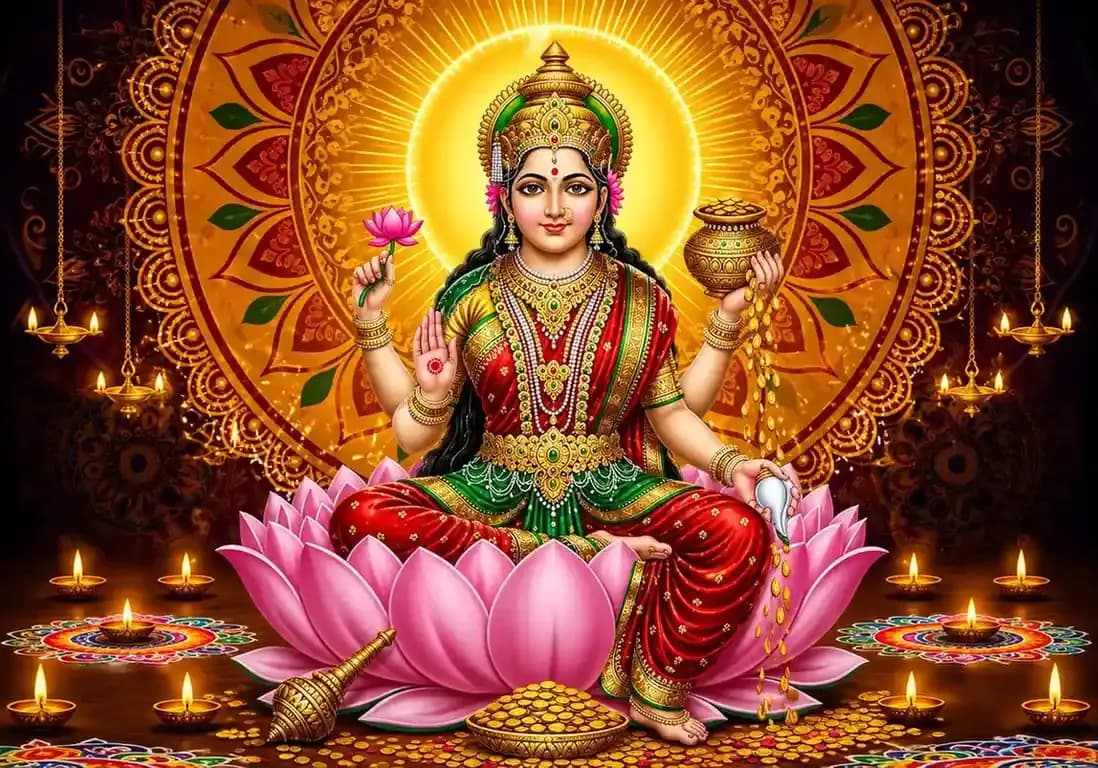
A Vedic and astrological guide to Diwali 2026, exploring the cosmic meaning of Kartik Amavasya, its planetary influences, and the spiritual renewal it invites.
Quick answer: Diwali 2026 falls on Sunday 8 November, on Kartik Amavasya, the darkest new-moon night of the Vedic year. Astrologically it marks the Sun and Moon in Libra, a moment of inner balance, when lighting lamps invokes Goddess Lakshmi and turns spiritual darkness into renewal.
Diwali is far more than a festival of lamps and sweets. In the Vedic tradition it is a precisely timed cosmic event, woven around the lunar calendar, the darkest night of the year, and the subtle movements of the planets. Understanding the astrological significance of Diwali 2026 helps us celebrate it not only with festivity but with awareness of the deeper spiritual currents at work.
Diwali 2026 Dates and the Five-Day Sequence
Diwali is a five-day celebration, each day carrying its own devotional and astrological character. In 2026 the main Lakshmi Puja night falls on a Sunday, which is traditionally considered auspicious as it is ruled by the Sun, the source of light and vitality.
| Day | Festival | Date 2026 |
|---|---|---|
| Day 1 | Dhanteras | Friday 6 November 2026 |
| Day 2 | Naraka Chaturdasi / Choti Diwali | Saturday 7 November 2026 |
| Day 3 | Diwali / Lakshmi Puja | Sunday 8 November 2026 |
| Day 4 | Govardhan Puja / Annakut | Monday 9 November 2026 |
| Day 5 | Bhai Dooj | Tuesday 10 November 2026 |
The Vedic Meaning of Diwali
In Vedic thought, light symbolises consciousness, knowledge and the divine Self, while darkness represents ignorance, inertia and the ego. Diwali dramatises this eternal contrast on the one night when the outer world is at its darkest. By kindling lamps within and around the home, devotees enact the inner victory of awareness over ignorance, echoing the Upanishadic prayer to move from darkness to light.
Why Diwali Falls on Kartik Amavasya
The main day of Diwali always occurs on Amavasya, the new-moon night, in the lunar month of Kartik. Amavasya is the point where the Moon completes its cycle and stands invisible in the sky, conjunct the Sun. This is a deeply introspective moment in the Vedic calendar, associated with honouring ancestors, inner reflection and new beginnings. Kartik itself is regarded as one of the holiest months of the year for devotion and charity.
The Symbolism of the Darkest Night
Because the Moon gives no light on Amavasya, the natural world is at its most tamasic, or inert. Vedic wisdom teaches that spiritual practice performed on such a night carries special potency, as the seeker consciously generates light where nature offers none. Every diya lit on Diwali night is therefore a small act of cosmic defiance and devotion.
Planetary Alignment During Diwali 2026
Around Diwali the Sun transits the sign of Libra, the sign of balance, harmony and equilibrium, ruled by Venus. The Moon, being new, joins the Sun in the same region of the zodiac. This Sun-Moon meeting in a Venus-ruled sign gives Diwali its themes of prosperity, beauty, relationships and inner poise. Devotees are encouraged to focus on balance and gratitude rather than only material gain.
- Sun in Libra reflects the pursuit of balance, justice and renewal of purpose
- The new Moon conjunct the Sun marks a fresh emotional and spiritual cycle
- Venus, ruler of Libra, connects the season to Lakshmi's qualities of abundance and grace
- Kartik month amplifies the merit of prayer, lamp-offering and charity
Lakshmi Puja and the Cosmic Invitation of Abundance
On the night of Diwali, households invite Goddess Lakshmi, the embodiment of prosperity, purity and spiritual wealth. Astrologically this resonates with the Venusian energy of the season. Cleaning and lighting the home is not mere custom but a symbolic act of creating an ordered, luminous space that welcomes divine grace. True Lakshmi, the tradition reminds us, is inner contentment and dharma, not wealth alone.
Spiritual Renewal Through the Kartik Cosmic Energies
The combination of the darkest new moon, the sacred month of Kartik and the balancing energy of Libra makes Diwali an ideal time for inner renewal. Many devotees use these days for cleansing rituals, resolutions, charity and increased prayer. Simple practices such as early rising, lamp-offering, meditation and acts of generosity are believed to align the individual with the uplifting currents of the season.
- Clean and declutter your home and mind as an act of renewal
- Light lamps at dusk to symbolise inner awakening
- Offer prayers to Lakshmi and Ganesha with a calm, grateful heart
- Practise charity, remembering that giving multiplies inner abundance
- Set a sincere spiritual intention for the new cycle
Mantras and Devotion for Diwali 2026
During Lakshmi Puja, devotees traditionally chant well-known invocations to Goddess Lakshmi and Lord Ganesha, remover of obstacles. The simple sacred syllable Om, the Gayatri Mantra and the familiar Lakshmi and Ganesha bija-mantras are commonly recited. The essence is not the number of repetitions but the sincerity and stillness of the heart while chanting.
- FestivalDiwali / Deepavali 2026
- Main DaySunday 8 November 2026
- Lunar DayKartik Amavasya (new moon)
- Key DeityGoddess Lakshmi with Lord Ganesha
- Astro ThemeSun and new Moon in Libra
As you celebrate Diwali 2026, remember that the true festival unfolds within. The lamps outside are a mirror of the light you kindle in your own awareness. For exact regional muhurat timings and local temple programmes, please check announcements from your community temple or trusted local panchang.
Related
See the main Diwali 2026 complete guide for the five-day dates, Lakshmi Puja muhurat and full rituals.
Frequently Asked Questions
When is Diwali 2026?
The main Diwali or Lakshmi Puja day is Sunday 8 November 2026. The five-day celebration runs from Dhanteras on Friday 6 November to Bhai Dooj on Tuesday 10 November 2026.
Why does Diwali fall on Amavasya?
Diwali is celebrated on Kartik Amavasya, the darkest new-moon night of the Vedic year, because lighting lamps on the darkest night powerfully symbolises the victory of light and knowledge over darkness and ignorance.
What is the astrological significance of Diwali 2026?
During Diwali 2026 the Sun transits Libra, a sign of balance ruled by Venus, and the new Moon joins it. This alignment highlights themes of harmony, prosperity, gratitude and spiritual renewal.
Is Diwali on a Sunday auspicious in 2026?
Yes. Diwali 2026 falls on Sunday 8 November. Sunday is ruled by the Sun, the source of light and vitality, which many devotees regard as an especially auspicious day for celebrating the festival of lights.
What is the Vedic meaning of lighting diyas on Diwali?
Lighting diyas represents kindling the light of consciousness and knowledge within, dispelling the inner darkness of ignorance and ego. Each lamp is a devotional act of renewal and awareness.
Which planet rules the Diwali season?
Around Diwali the Sun is in Libra, a sign ruled by Venus. Venus is associated with abundance, beauty and grace, qualities embodied by Goddess Lakshmi, which is why the season is linked to prosperity and blessings.
What mantras are chanted during Lakshmi Puja?
Devotees traditionally chant well-known invocations to Goddess Lakshmi and Lord Ganesha, along with the sacred syllable Om and the Gayatri Mantra. Sincerity and stillness of heart matter more than the count of repetitions.
How can I use Diwali 2026 for spiritual renewal?
Use the Kartik new-moon energy for cleansing, prayer and charity. Clean your home, light lamps, meditate, give generously and set a sincere spiritual intention for the new cycle ahead.
You might also like
Diwali 2026 in Nepal: Date, Lakshmi Puja Muhurat & City-by-City Celebration Guide

Navratri 2026: 9 Days, Colors, Goddess Names, Puja & Significance
Jagaddhatri Puja 2026: Dates, Chandannagar's Dazzling Lights & Significance