Diwali Fireworks Rules in Germany 2026: Essential Guide for NRIs on Crackers Regulations
A clear, evergreen guide to Germany's fireworks regulations for Diwali 2026, with 5 key safety rules and sustainable alternatives for NRI Hindu families.
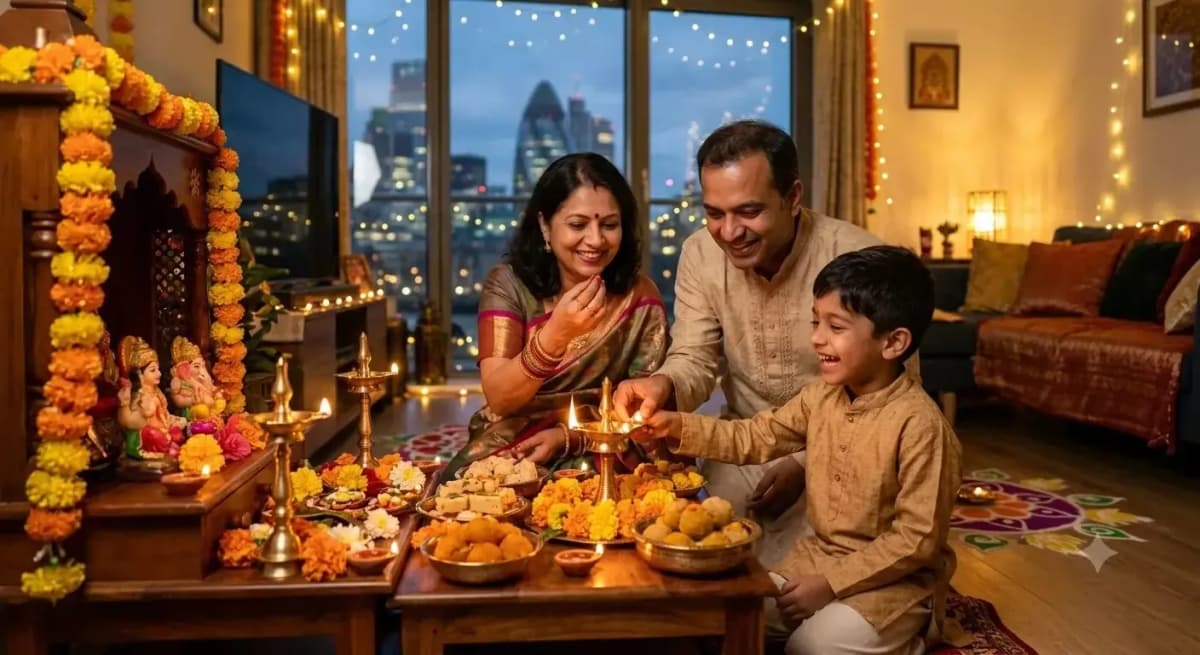
A clear, evergreen guide to Germany's fireworks regulations for Diwali 2026, with 5 key safety rules and sustainable alternatives for NRI Hindu families.
Quick answer: In Germany, private fireworks are generally restricted to 31 December and 1 January. For Diwali 2026 (main day Sunday 8 November), NRIs should avoid unauthorised crackers, use only permitted low-noise items, and prefer diyas, lamps and community events instead.
Diwali, the festival of lights, shines just as brightly in German cities as it does back home, and thousands of NRI families light diyas, offer Lakshmi Puja and gather with loved ones each year. In 2026, Diwali falls on Sunday 8 November, an especially auspicious Sunday, but before you plan any crackers you must understand Germany's strict fireworks laws.
This guide explains the legal framework for fireworks in Germany, gives you 5 essential safety rules, and shares beautiful, sustainable ways to celebrate a joyful and responsible Diwali without falling foul of local regulations.
Diwali 2026 Dates at a Glance
| Day | Festival | Date |
|---|---|---|
| Friday | Dhanteras | 6 November 2026 |
| Saturday | Naraka Chaturdasi / Choti Diwali | 7 November 2026 |
| Sunday | Diwali / Lakshmi Puja (main day) | 8 November 2026 |
| Monday | Govardhan Puja / Annakut | 9 November 2026 |
| Tuesday | Bhai Dooj | 10 November 2026 |
Understanding Germany's Fireworks Law
Germany regulates fireworks under its Explosives Act and the associated ordinance, which classify pyrotechnics into categories. Consumer fireworks that produce loud bangs and high flames fall into a category that private individuals may generally only buy in the days before New Year and set off around 31 December and 1 January. This means that lighting such crackers for Diwali in early November is normally not permitted for the general public.
Lower-category items, such as small sparklers, indoor-safe party novelties and certain very low-noise devices, may be available year-round and are less restricted. Rules on where and when you may use even these can vary by federal state and municipality, so local guidance always takes priority over any general advice.
Why the Timing Matters for Diwali
Because Diwali 2026 falls on 8 November, well outside the New Year window, the traditional Indian practice of bursting loud crackers does not fit German law. NRIs should treat the festival's light and devotion as the heart of the celebration, and reserve any louder pyrotechnics for occasions and dates that are legally permitted.
5 Key Safety and Compliance Rules
- Check local rules first: contact your city or district office, or your housing association, before using any fireworks, as permissions and quiet-hour rules differ by location.
- Use only permitted, certified items: choose products carrying the required CE and identification marking, and avoid unregistered crackers bought informally or brought from abroad.
- Respect noise and neighbours: many areas enforce quiet hours; keep celebrations low-noise, especially near hospitals, care homes, places of worship and homes with pets or infants.
- Never improvise or modify fireworks: light them outdoors at a safe distance, keep water nearby, and never relight a dud item.
- Supervise children closely: even sparklers burn extremely hot, so keep young ones at a safe distance and let only adults handle any pyrotechnics.
Sustainable and Joyful Alternatives
The true spirit of Diwali lies in light dispelling darkness and knowledge overcoming ignorance, not in noise or smoke. These green alternatives let NRI families celebrate fully while honouring German law, the environment and the neighbours around them.
- Line your home and balcony with diyas, oil lamps and LED string lights for a warm, traditional glow.
- Create colourful rangoli at your doorstep using flower petals, coloured rice or eco-friendly powders.
- Attend organised Diwali events at temples and community halls, where any permitted displays are handled by professionals.
- Host a family Lakshmi Puja with bhajans, a shared festive meal and the exchange of sweets and gifts.
- Choose low-noise or silent light-based celebrations to keep the air clean and pets and elders comfortable.
Devotional Heart of Diwali
On the main Diwali evening, families invite Goddess Lakshmi, the bestower of prosperity, and Lord Ganesha, the remover of obstacles, into a clean, lamp-lit home. Devotees light rows of diyas, offer sweets and flowers, and recite well-known prayers such as the Lakshmi aarti and the Gayatri Mantra, seeking blessings of wealth, health and harmony for the year ahead.
For NRIs, keeping this devotional core at the centre makes the festival meaningful regardless of local fireworks restrictions. A single row of lamps lit with faith carries the same blessing as any grand display.
Planning Your 2026 Celebration in Germany
For exact 2026 timings, permitted-fireworks windows and local Diwali gatherings, always check announcements from your nearest Hindu temple, Indian cultural association or city authority. These sources will confirm any organised displays, puja schedules and community programmes near you.
- Main Diwali day 2026Sunday 8 November 2026
- Private loud fireworks in GermanyGenerally only around 31 December / 1 January
- Best Diwali practice for NRIsDiyas, lamps, rangoli and community events
- Where to confirm detailsLocal temple, community group or city office
Related
See the main Diwali 2026 complete guide for the five-day dates, Lakshmi Puja muhurat and full rituals.
Frequently Asked Questions
When is Diwali 2026 in Germany?
The main Diwali day, Lakshmi Puja, falls on Sunday 8 November 2026. The wider festival runs from Dhanteras on 6 November to Bhai Dooj on 10 November 2026.
Can I burst crackers for Diwali in Germany?
Generally no. German law restricts private consumer fireworks mainly to around 31 December and 1 January, so lighting loud crackers for Diwali in November is usually not permitted.
Are sparklers allowed for Diwali in Germany?
Small, low-category items such as certain sparklers are less restricted and may be available year-round, but local rules and quiet hours still apply. Always check with your municipality first.
What is the safest way to celebrate Diwali in Germany?
Light diyas, oil lamps and LED lights, make rangoli, perform Lakshmi Puja at home, and attend organised temple or community events where professionals handle any permitted displays.
Do fireworks rules differ between German states?
Yes. While the national framework is common, specific permissions, quiet hours and local bans can vary by federal state and municipality, so local guidance always takes priority.
Can I bring fireworks from India for Diwali?
No. Importing and using unregistered or non-certified fireworks is illegal and unsafe. Only certified items sold legally in Germany may be used, and only within permitted windows.
How can NRIs keep Diwali eco-friendly in Germany?
Choose light-based, low-noise celebrations: diyas, lamps, flower rangoli, shared meals and bhajans. This keeps the air clean and respects neighbours, pets and elders.
Where can I find local Diwali events in Germany for 2026?
Check announcements from your nearest Hindu temple, Indian cultural association or city authority for confirmed puja timings, community programmes and any permitted displays.
You might also like
Diwali 2026 in Nepal: Date, Lakshmi Puja Muhurat & City-by-City Celebration Guide
Navratri 2026: 9 Days, Colors, Goddess Names, Puja & Significance
Jagaddhatri Puja 2026: Dates, Chandannagar's Dazzling Lights & Significance