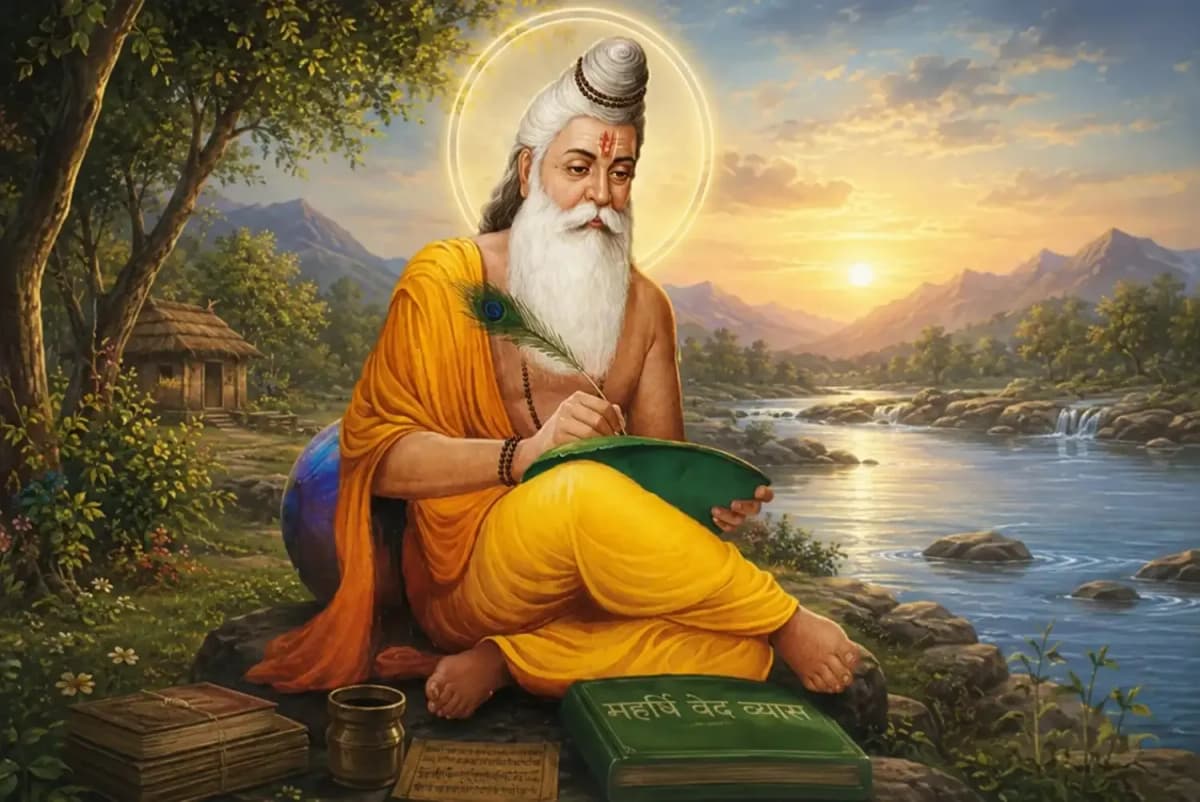
History & Evolution of Ganesh Chaturthi Celebrations in India
In the heart of India, where the air hums with devotion and the streets burst into vibrant chaos, there lies a festival that unites millions in celebration of…
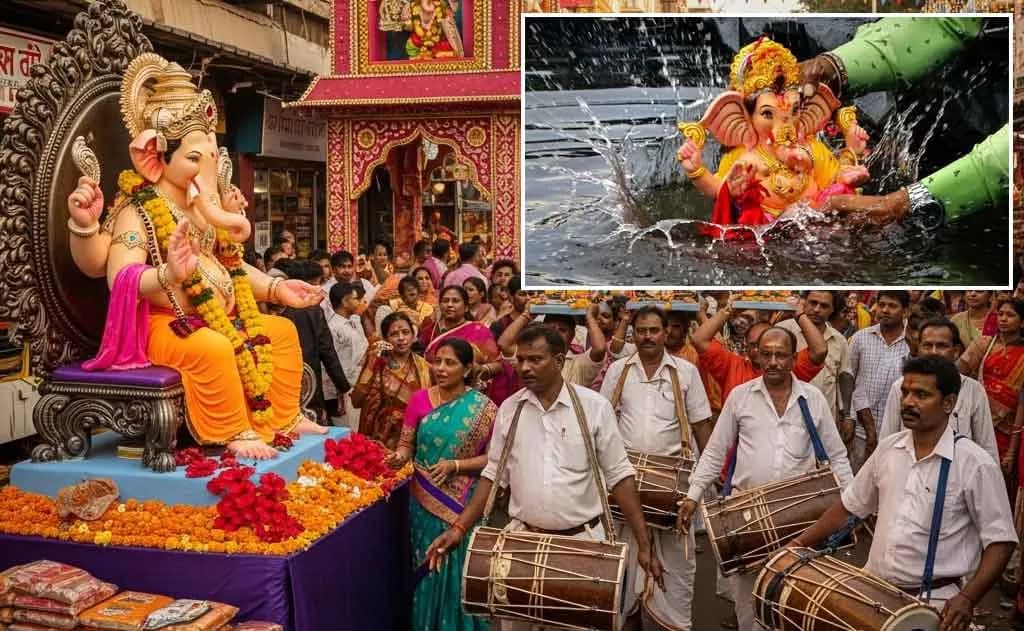
In the heart of India, where the air hums with devotion and the streets burst into vibrant chaos, there lies a festival that unites millions in celebration of…
In the heart of India, where the air hums with devotion and the streets burst into vibrant chaos, there lies a festival that unites millions in celebration of the elephant-headed deity, Lord Ganesha. Ganesh Chaturthi, a grand spectacle of faith, art, and community, has a history as rich and layered as the modaks offered to the deity. From its ancient roots in Vedic traditions to its transformation into a public extravaganza under Lokmanya Tilak, the story of Ganesh Chaturthi is a tapestry woven with spirituality, resilience, and cultural pride. Let’s embark on a journey through time to uncover how this festival evolved into the iconic celebration it is today, perfect for readers of www.hindutone.com.
Ancient Beginnings: The Divine Origins of Ganesha Worship
Long before the streets of Mumbai echoed with chants of “Ganpati Bappa Morya,” the worship of Ganesha was deeply embedded in India’s spiritual fabric. The earliest references to Ganesha, the remover of obstacles and the god of beginnings, appear in ancient texts like the Rigveda (circa 1500 BCE), where he is invoked as “Ganapati,” the leader of the divine assembly. The Puranas, composed centuries later, narrate the beloved tale of Ganesha’s birth—crafted from turmeric by Goddess Parvati and granted divinity by Lord Shiva after a dramatic encounter. These stories, passed down through generations, cemented Ganesha’s place as a deity of wisdom, prosperity, and protection.
In ancient India, Ganesha worship was primarily a private affair, confined to homes and temples. Devotees offered prayers, fruits, and sweets to small clay or stone idols, seeking blessings for new ventures or the removal of hurdles. The festival of Ganesh Chaturthi, celebrated on the fourth day of the waxing moon in the month of Bhadrapada (August–September), likely began as a modest ritual in households, especially in regions like Maharashtra, Karnataka, and Tamil Nadu, where Ganesha held a special place in local traditions. Archaeological evidence, such as Ganesha idols from the Gupta period (4th–6th century CE), suggests that his worship was widespread, with regional variations in rituals and iconography.
But this was a time when festivals were intimate, tied to personal devotion and community temples. The grand public spectacles we associate with Ganesh Chaturthi today were yet to be born. For that, India needed a spark—a moment when faith would intertwine with the fight for freedom.
The Medieval Flourish: Ganesha in Royal Courts and Regional Traditions
As India moved through the medieval period, Ganesha’s popularity grew, particularly in Maharashtra under the patronage of dynasties like the Chalukyas and the Marathas. The Peshwas, the powerful Maratha rulers of the 17th and 18th centuries, were ardent devotees of Ganesha, and their capital, Pune, became a hub for lavish Ganesh Chaturthi celebrations. The Peshwas elevated the festival’s status, hosting elaborate rituals in their courts and commissioning intricate idols crafted by skilled artisans. These celebrations, while grand, were still largely exclusive to the elite, with common folk participating in simpler, home-based observances.
During this time, Ganesha’s iconography evolved, reflecting regional artistry. In Maharashtra, idols were adorned with vibrant colors and intricate jewelry, while in South India, Ganesha was often depicted with a more minimalist, serene aesthetic. The festival also began to take on a communal flavor in villages, where neighbors would gather to sing devotional songs and share prasad. Yet, the scale remained modest, and the festival lacked the unifying, public fervor that would later define it.
The Turning Point: Lokmanya Tilak and the Birth of Public Ganesh Chaturthi
The true transformation of Ganesh Chaturthi came in the late 19th century, when India was under British colonial rule. Enter Lokmanya Bal Gangadhar Tilak, a fiery freedom fighter, scholar, and visionary who saw in Ganesha’s universal appeal a tool to unite a fragmented nation. In 1893, Tilak, based in Pune, reimagined Ganesh Chaturthi as a public festival, or Sarvajanik Ganesh Utsav, to foster unity and ignite nationalist fervor among Indians.
At the time, the British imposed strict restrictions on public gatherings, fearing they could spark rebellion. However, religious festivals were exempt from these bans. Tilak, with his keen understanding of culture and politics, seized this opportunity. He encouraged communities to organize large-scale Ganesh Chaturthi celebrations, transforming private rituals into grand public events. Massive pandals (temporary stages) were erected in towns and cities, housing towering Ganesha idols that drew thousands of devotees. These pandals became platforms for more than worship—they hosted patriotic speeches, cultural performances, and discussions on independence, subtly weaving the spirit of Swaraj (self-rule) into the festivities.
Tilak’s genius lay in making Ganesh Chaturthi inclusive. Unlike the elite-driven celebrations of the past, these public festivals welcomed people from all castes, classes, and communities. The streets of Maharashtra buzzed with processions, where men and women, rich and poor, chanted in unison and danced to the rhythm of dhols. The festival became a symbol of unity, breaking down social barriers and fostering a collective identity in the face of colonial oppression.
The Modern Spectacle: Ganesh Chaturthi in the 20th and 21st Centuries
Tilak’s vision took root, and by the early 20th century, Ganesh Chaturthi had spread beyond Maharashtra to other parts of India, including Gujarat, Karnataka, and Andhra Pradesh. The festival’s public nature grew even more pronounced after India’s independence in 1947, as communities embraced it as a celebration of cultural pride. The scale of the festivities expanded, with pandals competing to create the most magnificent Ganesha idols—some towering over 70 feet tall, adorned with gold, silver, and vibrant decorations.
Mumbai, the heartbeat of modern Ganesh Chaturthi, emerged as the epicenter of the festival. Iconic pandals like Lalbaugcha Raja, established in 1934, became pilgrimage sites, attracting millions of devotees each year. The immersion processions, or Ganesh Visarjan, became grand spectacles, with idols carried through the streets to the rhythm of drums and devotional songs before being immersed in rivers or the sea, symbolizing Ganesha’s return to the divine.
In recent decades, the festival has embraced modernity while grappling with new challenges. Eco-friendly Ganesh Chaturthi celebrations have gained traction, with artisans crafting idols from biodegradable materials like clay and natural dyes to reduce environmental impact. Technology has also left its mark—live-streamed darshans, social media campaigns, and virtual celebrations have made the festival accessible to the global Indian diaspora.
A Festival of Unity and Resilience
Today, Ganesh Chaturthi is more than a religious festival; it’s a celebration of India’s spirit. From its ancient origins as a humble household ritual to its role as a unifying force in the freedom struggle, the festival has evolved with the times while staying true to its core—devotion to Lord Ganesha, the remover of obstacles. Whether it’s the vibrant pandals of Mumbai, the eco-conscious celebrations in small towns, or the quiet prayers in a village home, Ganesh Chaturthi continues to weave a thread of unity, creativity, and resilience through India’s diverse tapestry.
For the readers of www.hindutone.com, this festival is a reminder of the power of faith to inspire, unite, and transform. As the chants of “Ganpati Bappa Morya” echo across the nation, they carry the weight of centuries—a story of devotion, struggle, and triumph that continues to shape India’s cultural heartbeat.
Frequently Asked Questions
When is History & Evolution of Ganesh Chaturthi?
History & Evolution of Ganesh Chaturthi is observed on its traditional tithi in the Hindu lunar calendar; refer to the year's panchang for the exact date in your region.
What is the significance of History & Evolution of Ganesh Chaturthi?
In the heart of India, where the air hums with devotion and the streets burst into vibrant chaos, there lies a festival that unites millions in celebration of the elephant-headed deity, Lord Ganesha . Ganesh Chaturthi, a grand spectacle of faith, art, and community, has a history as rich and layered as the modaks offered to the deity.
How is History & Evolution of Ganesh Chaturthi celebrated?
Devotees observe it with puja, fasting or special offerings, visiting temples, chanting mantras, and gathering with family. Customs vary by region and tradition.
What should devotees do on History & Evolution of Ganesh Chaturthi?
Worship Lord Ganesha, perform the day's puja and offerings, observe the fast where prescribed, and chant the associated mantras with devotion.
You might also like
Hindu Festival Calendar 2026 — Complete Guide for NRIs (Dates, Tithis, Puja)
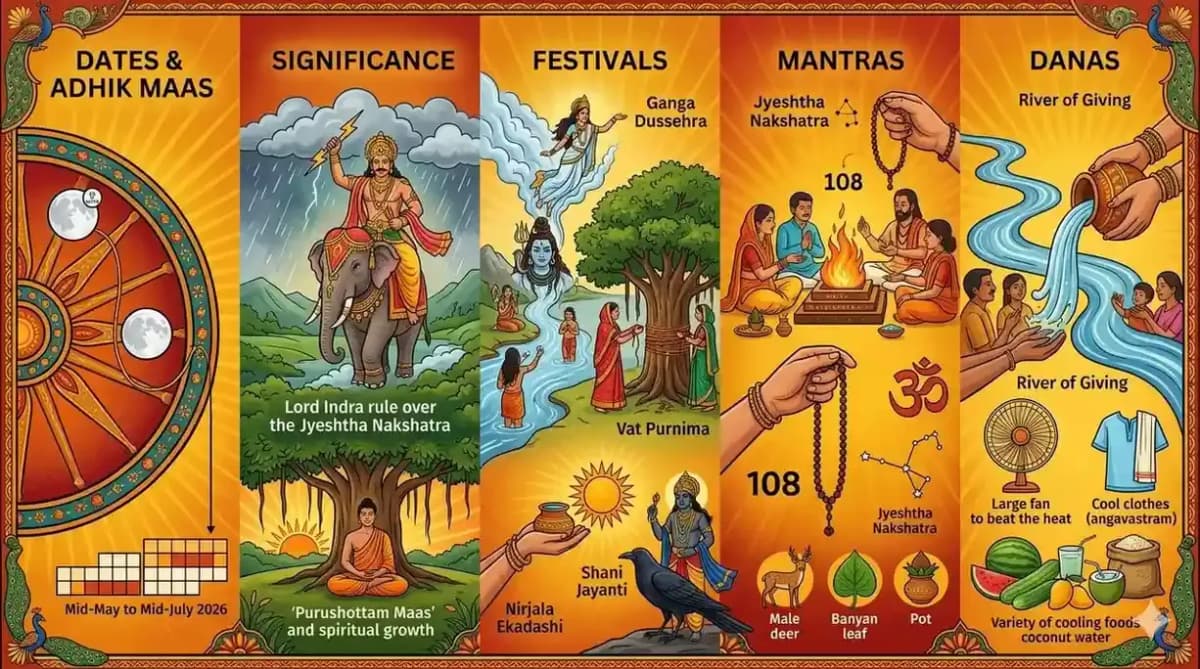
June 2026 Hindu Festival Calendar — Complete Dates, Vrat & Puja Guide for NRIs
The Resolve of a Monk – A Divine Incident Showcasing Kanchi Paramacharya’s Compassion