Ganga Dussehra 2026: Date, Muhurat, Story, Rituals, Mantras & Benefits
Ganga Dussehra 2026 falls on Monday, 25 May 2026 (Adhika Jyeshtha Shukla Dashami) — inside the rare Adhik Maas. Story of Bhagiratha and the descent of Maa Ganga, complete home puja vidhi, mantras, daanam and benefits — Drik-Panchang verified.
Ganga Dussehra 2026 falls on Monday, 25 May 2026 (Adhika Jyeshtha Shukla Dashami) — inside the rare Adhik Maas. Story of Bhagiratha and the descent of Maa Ganga, complete home puja vidhi, mantras, daanam and benefits — Drik-Panchang verified.
“Gange Cha Yamune Chaiva Godavari Saraswati / Narmade Sindhu Kaveri Jalesmin Sannidhim Kuru” — the holy invocation that brings the Ganga and her six sister-rivers into a single home kalasha.
Ganga Dussehra 2026 — Monday, 25 May 2026
Ganga Dussehra (also Gangavataran) falls on Adhika Jyeshtha Shukla Dashami — Monday, 25 May 2026, the day Maa Ganga descended from the matted locks of Lord Shiva to the earth in answer to the thousand-year penance of King Bhagiratha. Bathing in the Ganga (or in any river, or even pouring Ganga jal at home) on this tithi is said to wash away dasha-papa — ten kinds of sins committed by body, speech and mind.
In 2026 the day carries an extra blessing: it falls inside Adhik Maas (Purushottam Maas), 17 May – 15 June 2026 — Lord Vishnu’s personal month, in which every devotional act yields tenfold merit. Read alongside our Hindu Festivals in May 2026 — complete vrats & puja guide.
Tithi & muhurat (Drik Panchang, IST)
Tithi: Adhika Jyeshtha Shukla Dashami.
Dashami begins: Sunday 24 May 2026, late evening (around 10:30 PM IST).
Dashami ends: Monday 25 May 2026, late evening (around 11:00 PM IST). Ganga Dussehra is observed on the sunrise-bearing day — Monday 25 May.
AdvertisementHasta Nakshatra muhurat: the most auspicious window for snanam — Monday morning (consult your local panchang for city-specific timings).
Brahma Muhurat snanam: approximately 4:30 AM – 5:15 AM IST. Most powerful for sankalpa-based bath and Ganga Aarti.
NRI readers in the USA, UK, Canada, Australia, UAE and Singapore: observe by your local sunrise on Monday 25 May (or in the IST window around 24–25 May depending on time zone). When unsure, the home-puja vidhi below applies regardless of geography.
The story of Ganga Avataran — King Bhagiratha and the descent of the Ganges
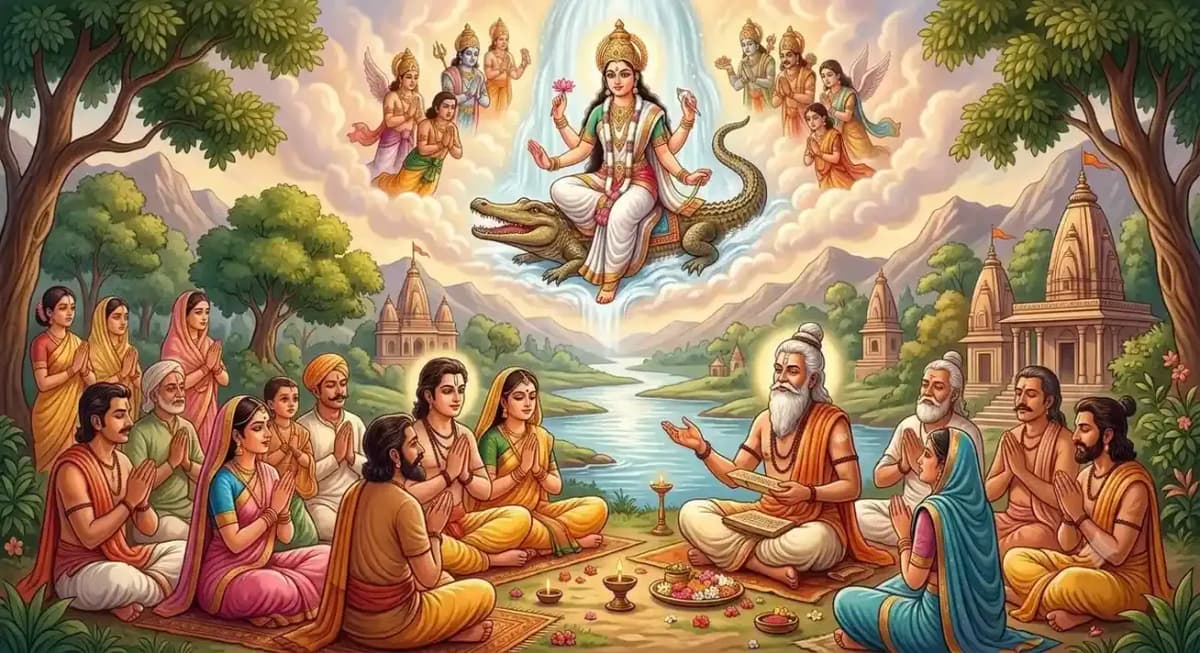
The Ganga Avataran is one of the most beloved narratives of Sanatana Dharma — told in the Bala Kanda of Valmiki Ramayana, the Bhagavata Purana (9.9), and the Mahabharata Vana Parva. King Sagara of the Ikshvaku dynasty performed an Ashvamedha yajna whose ceremonial horse was hidden by Indra in Sage Kapila’s ashrama. Sagara’s sixty thousand sons, accusing Kapila of theft, were reduced to ash by his yogic gaze. Their souls could not attain moksha until purified by the waters of the divine Ganga, who flowed only in Devaloka.
Generation after generation of Sagara’s descendants tried and failed to bring Ganga to earth. Finally Bhagiratha, great-grandson of Sagara, undertook a thousand-year tapasya. He pleased Brahma, who agreed to release Ganga — but warned that her unbroken descent would shatter the earth. Bhagiratha then propitiated Mahadeva, who consented to receive Ganga in his jata (matted locks) and let her flow gently from his hair. So Ganga descended — caught by Shiva, calmed in his locks, and led across the plains by Bhagiratha to the sea, where she liberated the souls of the sixty thousand. Jyeshtha Shukla Dashami is the very tithi on which she touched the earth.
Why Ganga Dussehra is so powerful
Dasha-papa-hara: the day washes ten specific sins — three of body (theft, violence, illicit relations), four of speech (harshness, lies, gossip, untruthful talk), three of mind (covetousness, malice, false views).
AdvertisementPatit-pavani: Ganga is called the redeemer of the fallen — even one drop on the dying liberates them.
Triple flow: she flows in three lokas as Mandakini (heaven), Bhagirathi/Ganga (earth) and Bhogavati (Patala) — uniting all worlds.
Ten times the merit in Adhik Maas 2026: observances inside Purushottam Maas yield ten-fold punya per Padma Purana.
Home puja vidhi — for those who cannot reach the Ganga
What you need
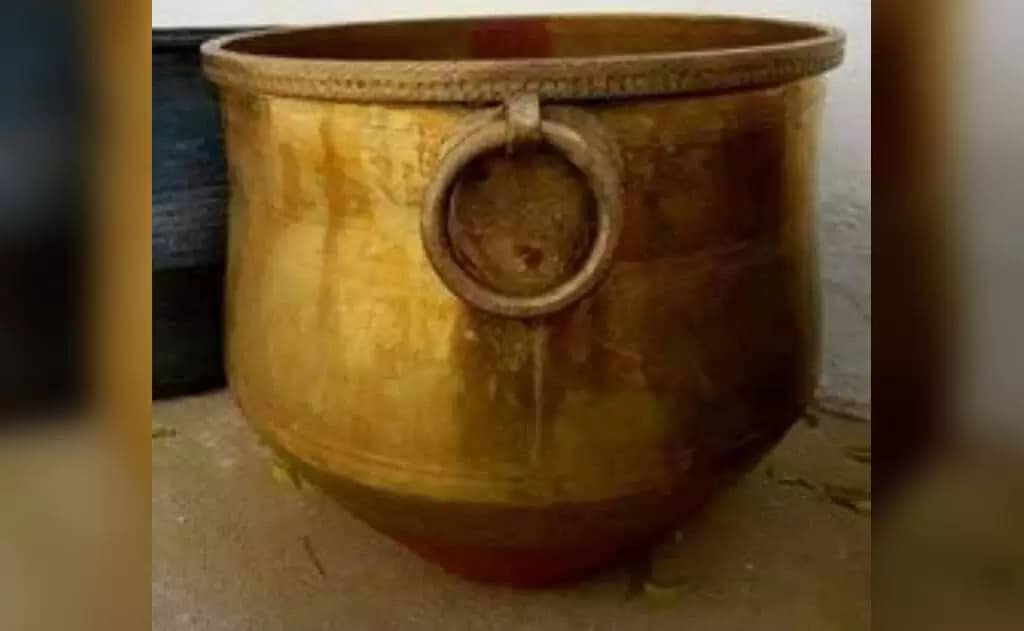
A clean copper or brass kalasha (small water-pot).
Fresh water from the cleanest source you have access to — and a few drops of preserved Ganga jal if you have any. Even a few drops sanctify a pot of water.
Mango or asopalav leaves and a coconut for the kalasha.
AdvertisementWhite lotus or any white flowers, sandal-paste, kumkum, akshata (turmeric rice).
A diya (oil or ghee), incense, and panchamrita (milk, curd, ghee, honey, sugar).
A small image or printed picture of Maa Ganga.
Vidhi (steps)
1. Snanam: rise in Brahma muhurta (~4:30 AM), bathe with a pinch of Ganga jal mixed in fresh water; mentally invoke all sapta-sindhu rivers.
2. Sankalpa: sit facing east, sip water from the right hand, and resolve — "On this Adhika Jyeshtha Shukla Dashami, I observe Ganga Dussehra for the welfare of my family and the redemption of all beings."
3. Kalasha-sthapana: place the kalasha on rice, drape with mango leaves, top with the coconut. Invoke Maa Ganga: “Om Namo Gange Vishvarupinyai Narayanyai Namo Namah.”
4. Abhishekam: offer panchamrita to the kalasha (or to your Ganga image), then pure water; offer flowers, kumkum, dhoop, deep, naivedyam (kheer or fresh fruits).
Advertisement5. Mantra-japa: chant “Om Namo Gangaye Vishvarupinyai Narayanyai Namo Namah” 108 times. Recite the Ganga Stotram of Adi Shankaracharya — “Devi Sureshwari Bhagavati Gange…”.
6. Ganga Aarti: perform aarti with five wicks at sunrise and again at sunset.
7. Visarjan: at sunset, gently pour the kalasha water into your tulasi pot or on a tree — never into a drain.
Mantras for Ganga Dussehra
Mula mantra: “Om Namo Gangaye Namah”
Avahana mantra: “Om Namo Gangaye Vishvarupinyai Narayanyai Namo Namah”
Sanjivani mantra: “Gange Cha Yamune Chaiva Godavari Saraswati / Narmade Sindhu Kaveri Jalesmin Sannidhim Kuru”
Stotra: Ganga Stotram of Adi Shankaracharya — twelve verses; chanting once during the snanam window is said to absolve thousands of past births of negativity.
Advertisement
Daanam — what to give on Ganga Dussehra 2026
Per the Skanda Purana, jala-daanam (gift of water and what eases the summer heat) is the prescribed charity. Especially blessed during Adhik Jyeshtha 2026:
Water-pots (jala kumbha), cool water with vetiver to passers-by, daily for ten days.
Hand-fans, umbrellas, footwear: to those who labour outdoors in the May heat.
Buttermilk, mango pana, sattu drinks: distributed at temples, bus stands, traffic signals.
Rice, sesame, ghee: the classic sapta-dhanya offerings.
Books on Sanatana Dharma: especially the Bhagavata, Ganga Stotram, Vishnu Sahasranama.
Benefits of observing Ganga Dussehra
Liberation from dasha-papa — the ten classical sins.
Pitru-tarpana on this day uplifts ancestors who are caught in transitional states.
Health, wealth and longevity — Maa Ganga is the personification of amrita.
In Adhik Jyeshtha 2026, every act multiplies tenfold per Padma Purana.
A daily sip of Ganga jal kept in the home invites mangal-yog and protects against negativity.
Frequently Asked Questions
When is Ganga Dussehra in 2026?
Monday, 25 May 2026 — Adhika Jyeshtha Shukla Dashami.
Why is Ganga Dussehra special in 2026?
It falls inside Adhik Maas (Purushottam Maas, 17 May – 15 June 2026) — Lord Vishnu’s personal month — multiplying the merit of bathing, daanam and japa tenfold.
Can I observe Ganga Dussehra if I cannot travel to a river?
Yes. Mix even a few drops of Ganga jal into clean water at home for snanam, perform kalasha-puja with the Avahana mantra, and chant the Ganga Stotram. Bhagavata Purana 1.19.10 confirms that sincere remembrance of Ganga is equal to physical bathing.
What sins does Ganga Dussehra wash away?
The ten classical sins (dasha-papa) — three of body, four of speech, three of mind. The day is named "Dussehra" precisely because it dissolves these ten.
What should I avoid on Ganga Dussehra?
Avoid harsh speech, anger, non-vegetarian food, alcohol, and conflict at home. Adhik Maas additionally discourages large new ventures, weddings and grihapravesha.
What is the difference between Ganga Saptami and Ganga Dussehra?
Ganga Saptami is the day Ganga first emerged from Brahma's kamandalu and rested in Shiva's locks (Vaishakha Shukla Saptami, May 2026 region). Ganga Dussehra is the day she actually descended to the earth (Jyeshtha Shukla Dashami, 25 May 2026).
Can I do tarpan / pitru-karya on Ganga Dussehra?
Absolutely. Tarpan offered with Ganga jal on this day is said to liberate ancestors stuck in intermediate planes. Many traditions specifically prescribe a Pitru tarpan on Ganga Dussehra evening.
A day to wash the heart, not just the body
Ganga is more than a river — she is Vishnu-padodbhavi (born of Vishnu’s feet), jata-shankari (held in Shiva’s locks), and mokshadayini (giver of liberation). On Monday, 25 May 2026 — inside the rare Adhik Jyeshtha — every drop you offer, every name you chant, every act of charity reaches her ten times over. May Maa Ganga sanctify your home and your karma.
Har Har Gange · Om Namo Gangaye Namah
Read next: Hindu Festivals in May 2026 — complete vrats & puja guide · Adhik Maas 2026 dates & Purushottam Maas rules · Vat Savitri Vrat 2026 — story, puja vidhi, NRI adaptations · Buddha Purnima 2026 — significance, history, rituals.
Last updated: 9 May 2026 · Sources: Drik Panchang, ProKerala, Valmiki Ramayana Bala Kanda 41–44, Bhagavata Purana 9.9, Skanda Purana.
Explore HinduTone — May 2026 hub
Continue your reading across HinduTone's May 2026 publishing cluster — every post in this hub is interlinked for a complete devotional and informational journey.
🪔 Festivals & Vrats: Hindu Festivals in May 2026 — Complete Vrats & Puja Guide · Adhik Maas 2026 — Purushottam Maas Dates & Rules.
🌟 Vedic Horoscopes: May 2026 Monthly Horoscope — All 12 Rashis · Weekly Horoscope May 11–17, 2026 · Weekly Horoscope May 18–24, 2026.
👤 Famous Hindus — Biographies: Narendra Modi Biography · Swami Vivekananda Biography · Sadhguru Biography — Jaggi Vasudev · Mata Amritanandamayi (Amma) Biography.
🕉️ Powerful Mantras: Gayatri Mantra — Meaning, Benefits & Chanting · Om Namah Shivaya — Meaning & Power · Mahamrityunjaya Mantra — Healing Mantra · Hare Krishna Maha Mantra.
You might also like
Hindu Festivals in May 2026: Complete List of Dates, Vrats, Significance & Puja Guide
Phalashruti of Listening to the Ganga Avatarana | The Sacred Benefits of Hearing the Descent of the Ganga
What Is True Poverty? | Dharma Is the Greatest Wealth | Sanatana Dharma