Adhik Maas Calendar Rules 2026: Complete Guide to Purushottam Maas Calculation, Dos & Don’ts
Adhik Maas (Purushottam Maas) 2026 runs from May 17 to June 15, 2026 — a rare double Jyeshtha claimed by Lord Vishnu Himself. Complete calendar rules, key dates, Padmini & Parama Ekadashi, dos & don’ts, and a devotional guide for global Hindus.
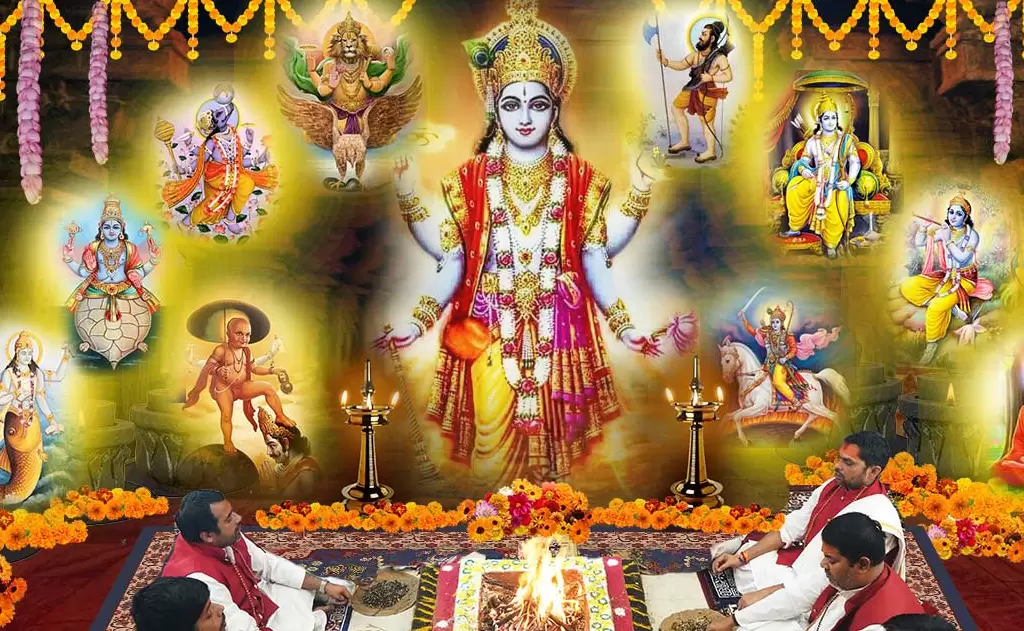
"Maaso Maaseshu Aham — among the months I am the Margashirsha." (Bhagavad Gita 10.35). And among the months that fall outside the twelve, Adhik Maas (Purushottam Maas) is the month Lord Vishnu has claimed for Himself.
In the sacred rhythm of Sanatana Dharma, the Hindu lunar calendar (Panchang) beautifully harmonizes with the solar year through the divine mechanism of Adhik Maas — the extra month, lovingly known as Purushottam Maas. This intercalary month is not a random addition; it is a profound astronomical and spiritual gift that keeps festivals aligned with seasons while offering multiplied opportunities for soul elevation. In 2026, this auspicious period falls as Adhik Jyeshtha Maas — Sunday, 17 May to Monday, 15 June 2026, creating a rare double Jyeshtha and a 13-month lunar year.
The Astronomical Science Behind Adhik Maas Calendar Rules
The Hindu calendar is lunisolar — it follows the Moon’s phases for months (Amavasya to Amavasya ≈ 29.5 days) while aligning with the Sun’s movement for seasons and agriculture.
Lunar year: 12 months ≈ 354 days.
Solar year: ≈ 365.25 days.
Annual shortfall: approximately 11 days.
Over 2.5–3 years (precisely around 32 months, 16 days), the accumulated difference reaches nearly one full lunar month. To correct this, an extra (Adhik) month is inserted.
Core rule for determining Adhik Maas (traditional Panchang)
A lunar month runs from one Amavasya (new moon) to the next.
Normally, during each lunar month, the Sun transits into a new zodiac sign (Sankranti).
If a complete lunar month passes without any Sankranti (Sun staying in the same rashi), that entire month is declared Adhik Maas (extra).
The following regular month is called Nija Maas or Shuddha Maas (original/pure).
This is why Adhik Maas does not occur in fixed months and can fall between any two (except rarely in Margashirsha to Magha). In 2026, it manifests as Adhik Jyeshtha Maas because the Jyeshtha lunar period lacks a Sankranti in its extra phase.
Key facts
Occurs approximately every 2 years 8 months 16 days.
No Adhik Maas in certain winter months traditionally.
Creates occasional "double months" — in 2026, two Jyeshthas back-to-back.
2026 Adhik Maas (Purushottam Maas) Calendar Highlights
Starts: Sunday, 17 May 2026 (after Vaishakha Amavasya).
Ends: Monday, 15 June 2026.
Overlaps and extends Jyeshtha — the period is spiritually supercharged.
Padmini Ekadashi: Wednesday, 27 May 2026.
Adhika Jyeshtha Purnima: Sunday, 31 May 2026 — a potent full-moon day.
Parama Ekadashi: Thursday, 11 June 2026.
Adhik Amavasya: Monday, 15 June 2026.
Cross-reference with Ganga Dussehra 2026 — date, muhurat, story, rituals, mantras & benefits (Adhika Jyeshtha Shukla Dashami, 25 May 2026) and Hindu festivals in May 2026 for the full month at a glance.
Spiritual Significance: Why Lord Vishnu Claims This Month
According to the Padma Purana and the Skanda Purana, the neglected extra month — initially called Mal Maas (impure) — approached the deities, but was rejected by each. Lord Vishnu, in His infinite compassion as Purushottam (the Supreme Being), embraced it: "This month shall be Mine." Hence the name Purushottam Maas — any sincere sadhana performed here yields multiplied punya, faster karma dissolution, and a closer divine connection. The month is also called Vishnu Maas in the southern tradition.
Rules, Dos & Don’ts During Adhik Maas
What to do (highly recommended)
Intensify Vishnu / Krishna bhakti: daily Vishnu Sahasranama, the Hare Krishna mahamantra, Bhagavad Gita reading (especially Chapter 15 — Purushottam Yoga), and the Purushottam Maas Mahatmya.
Observe fasts: Ekadashis (Padmini & Parama), Pradosh, or partial fasts — Nakta Bhojan (one meal after sunset).
Perform daan (charity): food, clothes, Ganga jal, ghee, jaggery, scriptures, or daan to Vaishnavas/Brahmins. Malpua daan is specially auspicious in this month.
Daily puja: offer tulsi, flowers, lamps and abhishekam to Vishnu / Krishna idols.
Satvik living: seva, satsang, introspection. Avoid harsh speech and conflict.
Home or temple visits: collective namasankirtan (chanting) multiplies the merit.
Read or hear: Bhagavad Gita summary, chapter-wise — even one chapter per day during Adhik Maas yields lifetime merit.
What to avoid
Major auspicious ceremonies: weddings, engagements, Griha Pravesh, Mundan, Namkaran, new business launches, property purchases.
New long-term ventures: focus on completion and inward sadhana rather than initiation.
Non-vegetarian food, alcohol, tamasic indulgence.
Anger, harsh speech, gossip, negativity.
Over-attachment to material activities — this is a month for detachment and purification.
Devotional Narration for Global Hindus
O beloved devotees of Sanatana Dharma, in this rare Purushottam Maas of 2026, Lord Vishnu Himself invites you into His divine embrace. Just as He accepted the rejected month, He accepts every sincere heart — regardless of location or circumstance.
Whether you light a diya in Hyderabad’s bustling lanes, in a New York apartment, a London mandir, an Australian suburb, a Canadian temple in Canada, or Abu Dhabi’s majestic BAPS Hindu Mandir — this month multiplies your effort. Rise at Brahmamuhurta, offer water to Tulsi Ma, chant Om Namo Narayanaya with tears of devotion, and feel the karmic load lighten.
Read the Gita daily — its wisdom guides like a lighthouse. Give charity generously; even a small act becomes akshaya (everlasting) here. In this Adhik Jyeshtha, let Ganga’s purifying flow (preparing for Ganga Dussehra) merge with Vishnu’s grace. Your home altar becomes Vaikuntha. Your breath becomes japa. Your life realigns with eternal dharma.
May Bhagwan Purushottam grant you inner peace, obstacle-free progress, and ultimate liberation. Om Namo Narayanaya! Jai Shri Vishnu! Gange Ma Ki Jai!
Practical Tips for Global Hindus
Use Ganga jal for pujas if a physical river is not nearby — even a few drops in your home kalasha invoke her presence.
Join virtual satsangs and live darshans from Indian temples (TTD Tirumala, ISKCON, BAPS — most broadcast daily).
Families: read one chapter of the Gita or Bhagavatam together every evening.
Schedule Nakta Bhojan (one-meal-after-sunset) on Ekadashis and Pradosh days.
Avoid scheduling major life events in this window — see Hindu marriage muhurat 2026 for auspicious dates outside Adhik Maas.
Frequently Asked Questions
What is Adhik Maas?
Adhik Maas is the extra ("intercalary") month inserted into the Hindu lunisolar calendar approximately every 2 years 8 months 16 days. It corrects the ~11-day gap between the lunar year (354 days) and the solar year (365.25 days) so seasonal festivals stay aligned with the Sun.
Why is Adhik Maas also called Purushottam Maas?
Per the Padma Purana and Skanda Purana, the deities initially refused to take ownership of the "extra" month. Lord Vishnu — the Purushottam (Supreme Being) — accepted it as His own, declaring that any devotional act performed in this month yields multiplied merit. From then on, the month is called Purushottam Maas.
When is Adhik Maas in 2026?
Adhik Jyeshtha Maas in 2026 runs from Sunday, 17 May to Monday, 15 June 2026. This creates a rare double Jyeshtha and a 13-month lunar year. Key tithis inside the month include Padmini Ekadashi (27 May), Adhika Jyeshtha Purnima (31 May), Parama Ekadashi (11 June), and Adhik Amavasya (15 June).
How is Adhik Maas calculated in the Hindu Panchang?
A lunar month runs from Amavasya to Amavasya. Normally the Sun transits one rashi (Sankranti) within each lunar month. If a complete lunar month passes without any Sankranti — the Sun stays in the same rashi for the entire month — that lunar month is declared Adhik Maas. The next month (with the missed Sankranti) becomes Nija Maas (the "pure" version of the same name).
What should I do during Adhik Maas?
Intensify Vishnu bhakti: read the Bhagavad Gita (especially Chapter 15 — Purushottam Yoga), chant the Vishnu Sahasranama or the Hare Krishna mahamantra, observe the Padmini and Parama Ekadashi fasts, and give daan (food, clothes, ghee, scriptures). Malpua daan is specially auspicious in this month. Daily tulsi offerings and lamps before Vishnu / Krishna multiply merit.
What should I avoid during Adhik Maas?
Avoid major auspicious ceremonies — weddings, engagements, Griha Pravesh, Mundan, Namkaran, new business launches and property purchases. Also avoid non-vegetarian food, alcohol, harsh speech and conflict. The month is dedicated to inward purification rather than outward initiations.
Why does Adhik Maas not occur in some months?
The Sun moves at slightly different speeds through the zodiac (faster near perihelion, slower near aphelion). It moves slowest through Mithuna–Karka (June–July), making a Sankranti-less lunar month most likely there — hence Adhik Jyeshtha or Adhik Ashadha are common. The Sun moves fastest through Dhanu–Makara (Dec–Jan), so Adhik Margashirsha or Adhik Pausha or Adhik Magha are extremely rare and don’t occur in normal cycles.
Can I observe Adhik Maas outside India?
Yes — the merit is the same. Use your local sunrise for Ekadashi and Pradosh timings (any reliable panchang will give city-specific tithi boundaries). Home puja with tulsi, a diya, and a sincere chant of Om Namo Narayanaya is complete in itself. Geographic location does not limit grace; only sincerity does.
A Month to Realign Your Life with Vishnu
This sacred calendar correction reminds us that even time bows to divine order. Embrace Purushottam Maas 2026 fully — the universe has gifted you an extra month outside the ordinary, claimed by Vishnu Himself, where every prayer is heard louder and every charity returns to you a thousandfold. Hari Om. Om Namo Bhagavate Vasudevaya.
Want more? Subscribe to HinduTone’s daily sadhana feed for festival alerts, kathas and panchang updates. Share this with family, light a ghee lamp, and immerse in Vishnu bhakti.
Share this with family and friends
Send it on WhatsApp, post it, or copy the link.
More from Festivals
- Vasant Panchami 2027 (Saraswati Puja, Basant Panchami, Sri Panchami): Date, Panchami Tithi, Puja Muhurat by City, Vidhi and Story
- Holi 2027: Date, Holika Dahan Muhurat City-Wise, Bhadra Timings, Puja Vidhi and Holi Abroad
- Makar Sankranti 2027: Date, Punya Kaal Timings City-Wise, Bhogi, Pongal, Kanuma, Lohri and Uttarayan
- Dev Deepawali 2026 Varanasi: Date, Purnima Time, Ganga Aarti, Story, Puja Vidhi and Deep Daan
- Kartik Purnima 2026: Date, Purnima Time, Snan, Deep Daan, Puja Vidhi and Significance
You might also like

Angkor Wat: Divine Mysteries & Soul-Stirring Miracles of Lord Vishnu's Cosmic Temple
Yogini Ekadashi 2026: Date, Vrat Katha, Rules & Benefits (July 10)

Nirjala Ekadashi 2026: Vrat Rules, Benefits & Waterless Fast Guide (June 25)