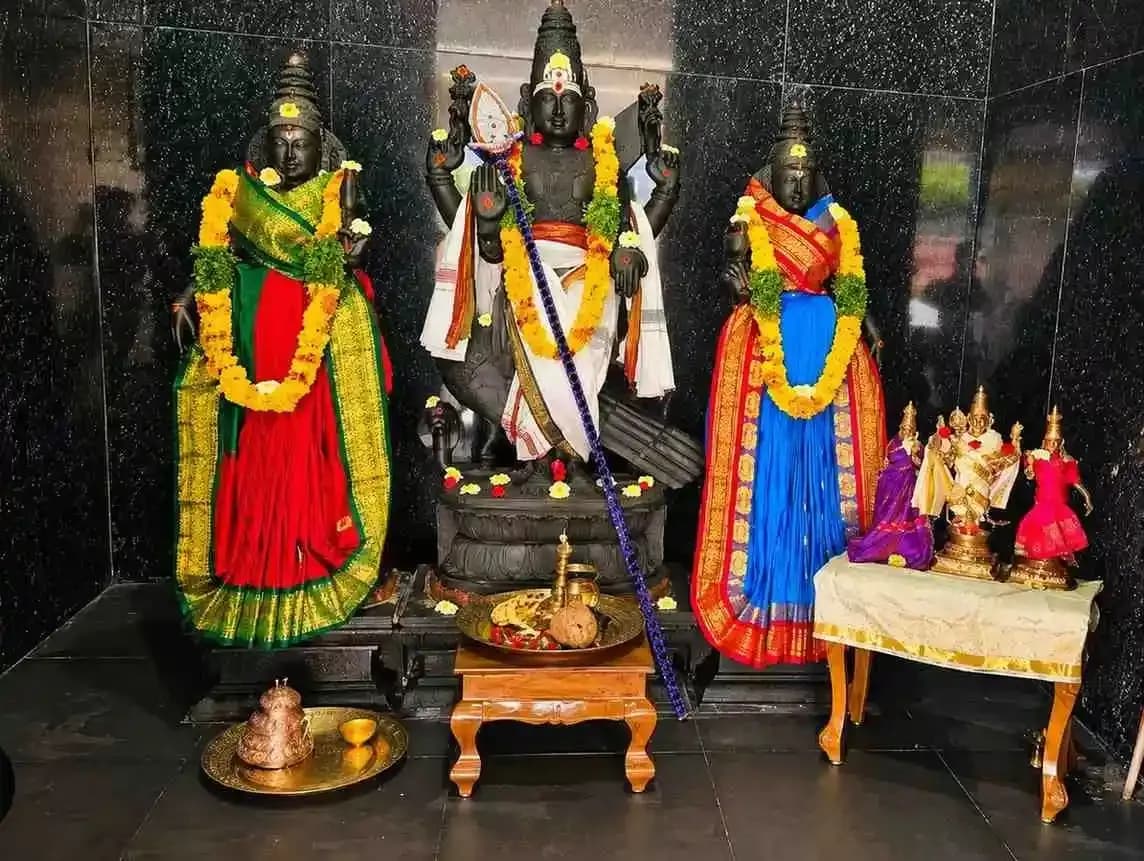
Holi 2026 in Singapore: Colors, Culture & Indian Community
Holi 2026 Celebrations in Singapore: Asia's Modern Hub of Colors, Multicultural Harmony, and Thriving Indian Community Holi, the joyful Hindu Festival of…
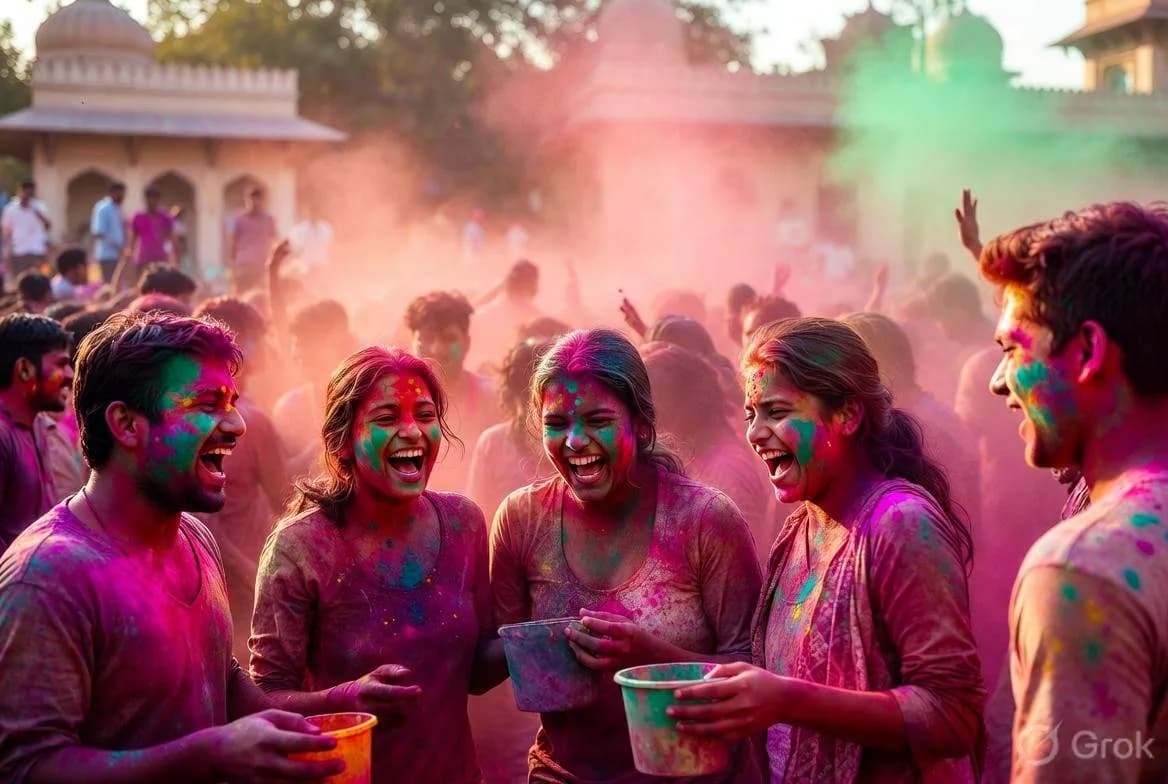
Holi 2026 Celebrations in Singapore: Asia's Modern Hub of Colors, Multicultural Harmony, and Thriving Indian Community Holi, the joyful Hindu Festival of…
Holi 2026 Celebrations in Singapore: Asia's Modern Hub of Colors, Multicultural Harmony, and Thriving Indian Community
Holi, the joyful Hindu Festival of Colors, bursts with energy in Singapore in 2026, reflecting the city-state's significant and highly integrated Indian-origin population—one of the largest and most prominent in Asia outside India (approximately 650,000 ethnic Indians/Singaporeans of Indian descent, forming about 9-10% of the total population and concentrated heavily in urban Singapore). In 2026, Rangwali Holi (the colorful powder-throwing day) falls on Wednesday, March 4, with Holika Dahan (bonfire ritual) on Tuesday, March 3, per the Hindu lunar calendar (Phalguna Purnima). Singapore events often peak on weekends—primarily Saturday, March 7, 2026—to take advantage of warm tropical weather (typically 27-32°C/81-90°F, humid) for outdoor parks, community centers, and cultural venues.
Singapore, a global city-state (population ~5.9 million), hosts some of Asia's most organized and inclusive Holi festivities due to its large Indian diaspora—primarily Tamil, Malayali, Punjabi, Gujarati, and North Indian communities with deep historical roots (from colonial-era migrations to modern professionals). Concentrated in areas like Little India (Serangoon Road), Jurong, Woodlands, Yishun, Ang Mo Kio, and Tampines, the community brings dhol beats, Bollywood energy, temple devotion, and Singapore's multicultural harmony: eco-gulal in parks with Marina Bay views, street food (chaat, murukku, thosai, thandai), and family-inclusive events amid ethnic diversity.
This comprehensive guide covers major Holi 2026 events in Singapore, temple observances, community gatherings, regional hotspots (e.g., Little India, Jurong), and tips. Optimized for searches like "Holi events Singapore 2026," "Singapore Holi festival," "Little India Holi," "Deepavali-Holi season Singapore," and "Asia Holi March 7."
Significance of Holi in Singapore's Diaspora
Holi symbolizes Prahlada's triumph over evil, Radha-Krishna's love, forgiveness, equality (colors erase barriers), and spring renewal. In Singapore's harmonious, multi-ethnic society—where Indians are one of the four official races with strong cultural representation—events unite Tamil traditions (kolam, temple rituals), North Indian gulal play, and local Singaporean flavors (fusion food, inter-ethnic participation). Tropical climate enhances outdoor festivities, with natural colors and non-alcoholic thandai common.
Major Public and Community Holi Events in Singapore 2026
Singapore's 2026 celebrations include community-led fests, temple events, and cultural gatherings:
- Singapore Holi Festival / Little India Holi Celebration Iconic public event in the heart of Little India, often the largest and most colorful. Date: Saturday, March 7, 2026 (or nearest weekend; check Sri Veeramakaliamman Temple or associations) Time: 10:00 AM – 4:00 PM Location: Serangoon Road / Campbell Lane / Hastings Road, Little India Highlights: Massive gulal throws; live dhol/Bollywood music; cultural dances; street food stalls (murukku, vadai, chaat, thandai); family activities; temple processions. Little India becomes a rainbow of joy—perfect for photos with colorful shophouses and community spirit.
- Holi at Major Temples (e.g., Sri Veeramakaliamman Temple or Sri Srinivasa Perumal Temple) Devotional-focused with public participation. Date: Around March 4-7, 2026 Time: Morning to afternoon Location: Little India temples Highlights: Abhishekam, kirtans, gentle flower/gulal play; prasadam distribution; community feasts; Holika Dahan reenactments.
- Other Notable Events:
- Suburban fests in Jurong, Tampines, or Yishun (often in parks or community clubs).
- University pop-ups (NUS, NTU Indian associations).
- Smaller gatherings in Woodlands or Ang Mo Kio via Facebook groups or local associations.
Temple and Spiritual Holi Celebrations in Singapore 2026
Temples are central to Holi in Singapore's Indian community:
- Sri Veeramakaliamman Temple (Little India): Major Rangwali Holi with pujas, abhishekam, color play, and community meals—popular among Tamil families.
- Sri Srinivasa Perumal Temple or Sri Mariamman Temple: Holika Dahan bonfire (March 3 evening); devotional programs with kirtans, bhajans, and gentle holi.
- Other Temples: Hindu temples in Klang Valley equivalents (e.g., Jurong, Ang Mo Kio) for aartis, storytelling, and family feasts—emphasizing bhakti and harmony.
These focus on mantras, rituals, and spiritual renewal.
Regional Insights: Holi Hotspots in Singapore
- Little India / Serangoon Road — Cultural epicenter; high for "Little India Holi 2026."
- Jurong / West — Suburban community events.
- Tampines / East — Family-oriented gatherings.
- Greater Singapore — Mix of public fests and spiritual; searches like "Singapore Holi festival 2026" or "Holi Little India."
Tips for Celebrating Holi 2026 in Singapore
- Wear white/light/old clothes; bring extras, towels, sunscreen (tropical sun!).
- Use natural/eco-friendly gulal (available at Little India shops).
- Hydrate heavily; events often outdoors—stay shaded.
- Use MRT/public transit; parking limited in Little India.
- Respect consent in color play; family events prioritize safety.
- Follow local Indian associations, Facebook groups, or Eventbrite—Singapore's scene is well-organized and festive.
Holi in Singapore 2026 captures the city-state's multicultural harmony—vibrant colors, music, devotion, and community unity in Asia's modern Indian hub. From Little India's street joy to temple serenity, it's an unforgettable spring celebration.
Frequently Asked Questions
When is Holi in Singapore 2026?
Holi in Singapore 2026 falls on March 7, 2026.
What is the significance of Holi in Singapore?
Holi 2026 Celebrations in Singapore: Asia's Modern Hub of Colors, Multicultural Harmony, and Thriving Indian Community Holi, the joyful Hindu Festival of Colors , bursts with energy in Singapore in 2026, reflecting the city-state's significant and highly integrated Indian-origin population—one of the largest and most prominent in Asia outside India (approxim
How is Holi in Singapore celebrated?
Devotees observe it with puja, fasting or special offerings, visiting temples, chanting mantras, and gathering with family. Customs vary by region and tradition.
What should devotees do on Holi in Singapore?
Take a sacred bath, perform the day's puja and charity (dana), observe any prescribed fast, and chant mantras with sincere devotion.
You might also like
Hindu Festival Calendar 2026 — Complete Guide for NRIs (Dates, Tithis, Puja)
June 2026 Hindu Festival Calendar — Complete Dates, Vrat & Puja Guide for NRIs
Gayatri Jayanti 2026: Date, Gayatri Mantra, Puja Vidhi & Significance