

Five Lamps of Karthika Masam – Their Symbolic Purpose
Introduction
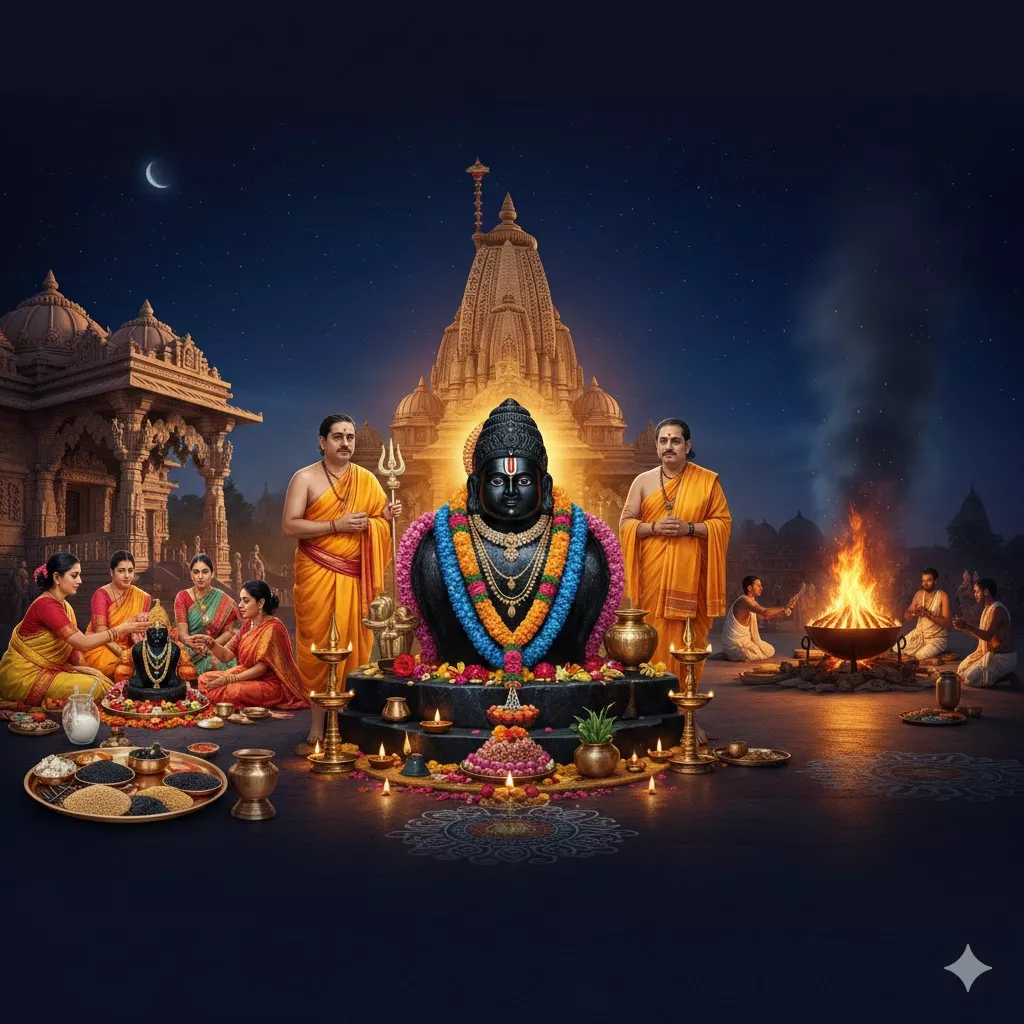
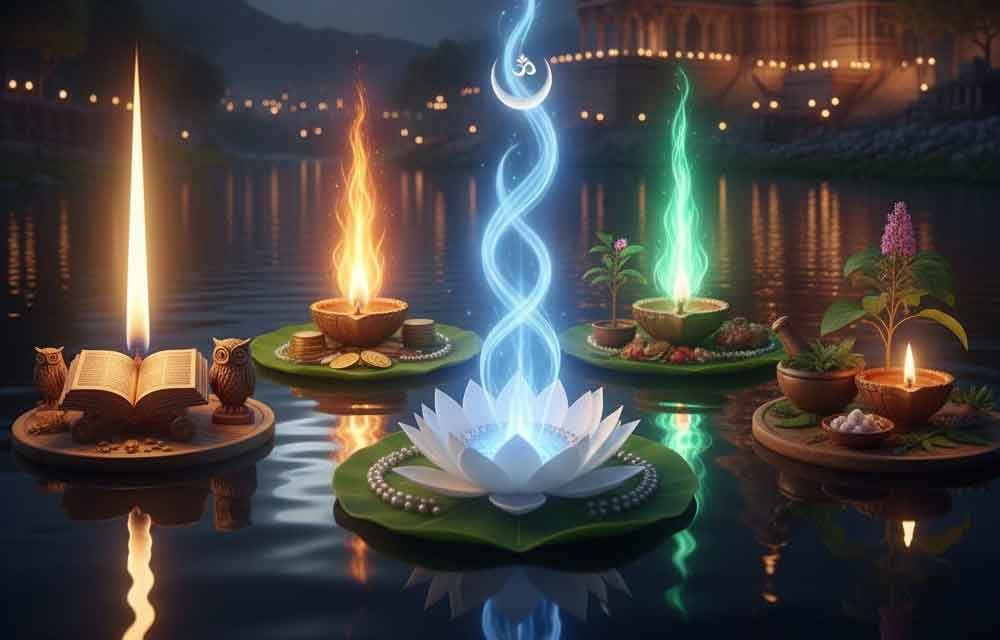
Karthika Masam, the eighth lunar month in the Hindu calendar (October-November), holds immense spiritual significance across India. This sacred month is dedicated to Lord Shiva and Lord Vishnu, and is considered one of the most auspicious periods for spiritual practices, charity, and devotion. Among the many rituals observed during this holy month, the lighting of five sacred lamps (Pancha Deepam) stands out as a profound tradition that carries deep symbolic meaning.
The practice of lighting five lamps during Karthika Masam is not merely a ritual but a spiritual discipline that illuminates both our external surroundings and our inner consciousness. Each lamp represents a specific deity and serves a unique purpose in our spiritual journey toward enlightenment and liberation.
The Significance of Karthika Masam
Before delving into the five lamps, it’s essential to understand why Karthika Masam itself is so revered. According to Hindu scriptures, particularly the Skanda Purana, any merit earned through charitable deeds, prayers, and spiritual practices during this month is multiplied manifold. The month is believed to be personally presided over by Lord Vishnu in his Damodara form and Lord Shiva in his Karthikeya aspect.
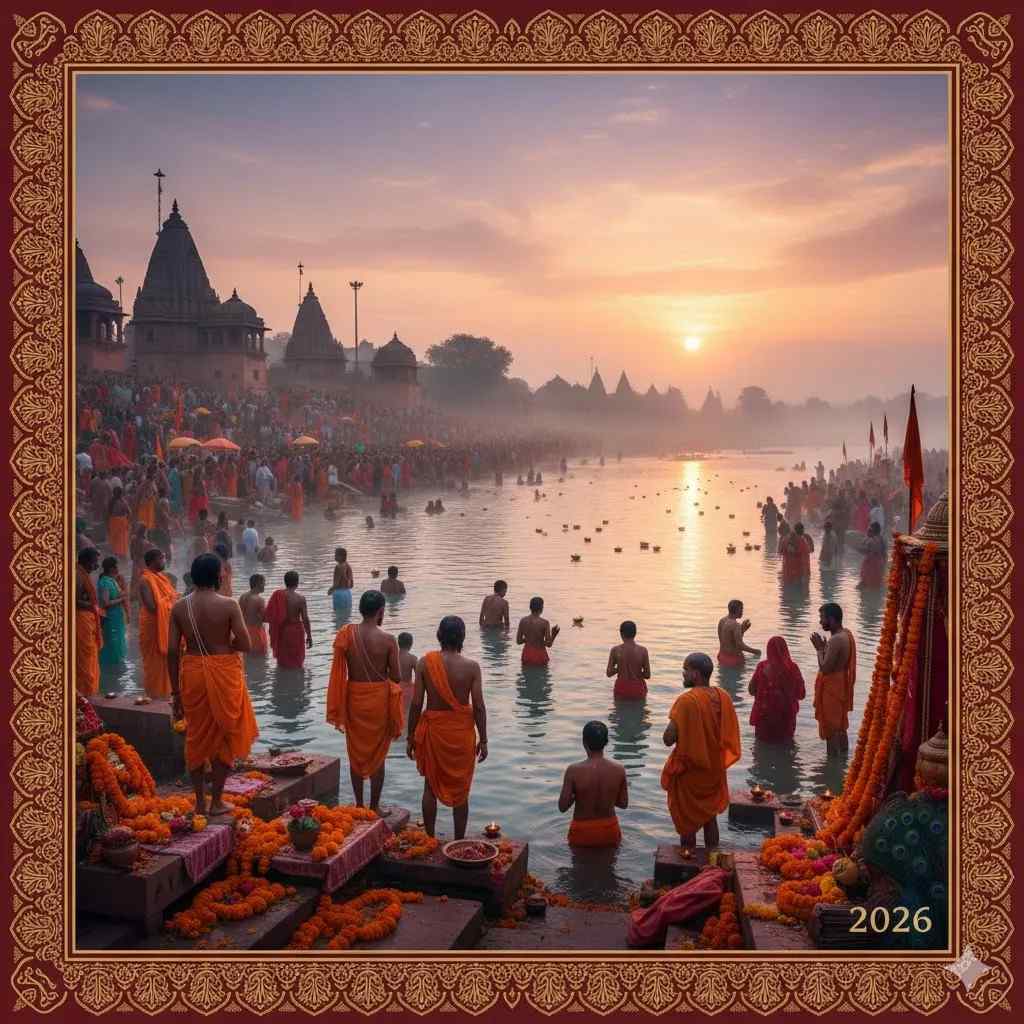
Devotees observe various vratas (vows), perform daily puja, take sacred baths in rivers, and light lamps to receive divine blessings. The lighting of lamps during this period is considered especially meritorious, as it dispels darkness both literally and metaphorically.
The Five Sacred Lamps (Pancha Deepam)
The tradition prescribes lighting five specific lamps, each dedicated to a particular deity and positioned in a specific direction. These lamps collectively represent the five elements (Pancha Bhutas) and the five faces of Lord Shiva (Pancha Mukha).
1. The Lamp for Lord Vishnu (East Direction)
Position: Placed in the eastern direction of the home
Deity: Lord Vishnu (Preserver of the Universe)
Symbolism: Protection, prosperity, and sustenance
The eastern lamp honors Lord Vishnu, the preserver and protector of creation. The east, where the sun rises, symbolizes new beginnings, hope, and the light of knowledge. Lighting this lamp invokes Vishnu’s blessings for the family’s wellbeing, prosperity, and protection from negative forces.
Spiritual Meaning: This lamp represents the awakening of consciousness. Just as the sun rises in the east bringing light after darkness, this lamp symbolizes the dispelling of ignorance and the dawning of spiritual wisdom. It reminds us of Lord Vishnu’s promise to incarnate whenever dharma (righteousness) declines.
Benefits: Brings harmony, removes obstacles, ensures family prosperity, and protects the household from evil influences.
2. The Lamp for Lord Shiva (North Direction)
Position: Placed in the northern direction
Deity: Lord Shiva (The Destroyer and Transformer)
Symbolism: Liberation, transformation, and spiritual ascension
The northern lamp is dedicated to Lord Shiva, representing the path to moksha (liberation). In Hindu cosmology, the north (Uttara) is associated with the direction of the departed souls and the abode of the gods. This lamp invokes Shiva’s grace for spiritual evolution and ultimate liberation from the cycle of birth and death.
Spiritual Meaning: This lamp symbolizes the burning away of karma and the transformation of consciousness. Lord Shiva, as the destroyer of ignorance and ego, is invoked to help devotees transcend worldly attachments and realize their true divine nature.
Benefits: Removes negative karma, grants spiritual wisdom, helps overcome fear of death, and facilitates meditation and inner peace.
3. The Lamp for Goddess Lakshmi (West Direction)
Position: Placed in the western direction
Deity: Goddess Lakshmi (Goddess of Wealth and Prosperity)
Symbolism: Material abundance, fortune, and auspiciousness
The western lamp honors Goddess Lakshmi, the divine consort of Lord Vishnu and the embodiment of wealth, fortune, and auspiciousness. The west, where the sun sets, represents completion and fulfillment. This lamp is lit to invite material prosperity and spiritual abundance into the home.
Spiritual Meaning: Beyond material wealth, this lamp represents inner richness, contentment, and the abundance of virtues. It reminds us that true prosperity includes health, happiness, knowledge, and spiritual wealth, not just material possessions.
Benefits: Attracts wealth and prosperity, removes financial difficulties, brings success in endeavors, and ensures the stability of the household.
4. The Lamp for Lord Brahma (South Direction)
Position: Placed in the southern direction
Deity: Lord Brahma (The Creator) or Lord Yama (God of Death and Dharma)
Symbolism: Creation, knowledge, and righteousness
The southern lamp is traditionally associated with Lord Brahma, the creator of the universe, or alternatively with Lord Yama, the lord of dharma and death. The south direction in Hindu tradition is connected with ancestors and the principle of dharma. This lamp honors the creative principle and the moral order of the universe.
Spiritual Meaning: This lamp represents the creative power within us and our duty to live righteously. It reminds us of our karmic responsibilities and the importance of dharma in daily life. When dedicated to ancestors, it expresses gratitude to those who came before us.
Benefits: Enhances creativity and intellect, helps fulfill dharmic duties, provides protection from untimely death, and honors ancestors, ensuring their blessings.
5. The Lamp for the Family Deity (Center or Main Altar)
Position: Placed at the center of the home or at the main altar
Deity: The family’s Kula Devata or Ishta Devata (chosen deity)
Symbolism: Unity, family bonds, and personalized divine connection
The fifth lamp is dedicated to the family’s chosen deity or ancestral deity (Kula Devata). This lamp occupies the central position, symbolizing that the divine presence is at the heart of the home. It represents the unique spiritual heritage and devotional path of each family.
Spiritual Meaning: This central lamp represents the individual soul’s connection to the divine. It acknowledges that while universal principles exist, each person and family may have their own path to the divine. It symbolizes the integration of all spiritual practices into daily life.
Benefits: Strengthens family bonds, provides ancestral blessings, ensures continuity of family traditions, and creates a protective spiritual atmosphere in the home.
The Ritual of Lighting the Five Lamps
Best Time
The lamps are traditionally lit during Pradosh Kala (twilight time, just before sunset) when the spiritual atmosphere is most conducive. They should ideally be kept burning throughout the night or at least for a significant duration.
Materials Needed
- Five clay or metal lamps (preferably brass or bronze)
- Pure ghee (clarified butter) or sesame oil
- Cotton wicks
- Flowers, incense, and other puja items
Method
- Clean the space and take a bath before the ritual
- Place the lamps in their designated directions
- Fill each lamp with ghee or sesame oil
- Place cotton wicks in each lamp
- Light the lamps while chanting appropriate mantras for each deity
- Offer flowers, incense, and prayers
- Meditate or chant devotional hymns
Mantras
- For Vishnu: “Om Namo Narayanaya” or Vishnu Sahasranama
- For Shiva: “Om Namah Shivaya” or Shiva Panchakshari
- For Lakshmi: “Om Shreem Mahalakshmiyei Namaha”
- For Brahma/Yama: “Om Brahmadevaya Namaha” or “Om Yamaya Namaha”
- For Family Deity: Specific mantra for your chosen deity
Deeper Symbolic Meanings
The Five Elements (Pancha Bhutas)
Each lamp also corresponds to one of the five fundamental elements:
- Earth (Prithvi): Stability and support
- Water (Jala): Fluidity and emotions
- Fire (Agni): Transformation and energy
- Air (Vayu): Movement and life force
- Space (Akasha): Consciousness and expansion
By lighting these five lamps, we honor and harmonize all five elements within and around us.
The Five Senses
The ritual engages and purifies the five senses:
- Sight: The flame’s light
- Smell: The incense and offerings
- Sound: The mantras and prayers
- Touch: The ritual actions
- Taste: The prasad (blessed food)
The Five Sheaths (Pancha Koshas)
On a yogic level, the five lamps represent the five layers of our being:
- Physical body (Annamaya Kosha)
- Energy body (Pranamaya Kosha)
- Mental body (Manomaya Kosha)
- Wisdom body (Vijnanamaya Kosha)
- Bliss body (Anandamaya Kosha)
Lighting these lamps symbolizes the illumination and purification of all these layers.
Benefits of Lighting the Five Lamps
Spiritual Benefits
- Removes accumulated negative karma
- Enhances meditation and spiritual practices
- Awakens inner consciousness
- Facilitates the path to moksha (liberation)
- Strengthens devotion and faith
Material Benefits
- Brings prosperity and abundance
- Removes obstacles in life
- Protects the home from negative energies
- Ensures health and wellbeing of family members
- Brings success in endeavors
Psychological Benefits
- Creates a peaceful home atmosphere
- Reduces stress and anxiety
- Promotes positive thinking
- Strengthens family bonds
- Instills discipline and regularity in spiritual practice
Special Observances During Karthika Masam
While lighting the five lamps daily is the core practice, devotees often engage in additional observances:
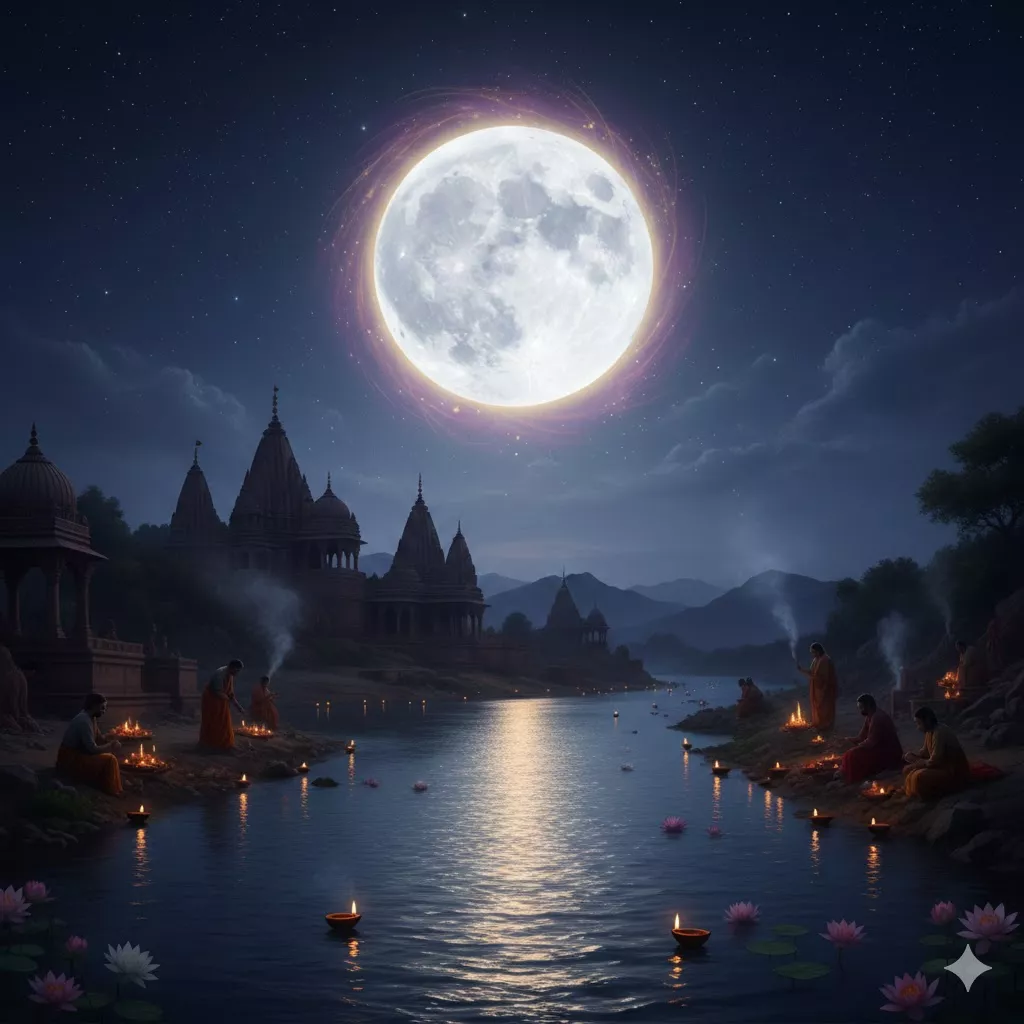
- Karthika Deepam: The grand finale on the full moon day when countless lamps are lit
- Giri Pradakshina: Circumambulation of sacred hills like Arunachala
- Tulsi Vivaha: The ceremonial marriage of Tulsi plant to Lord Vishnu
- Daily reading of sacred texts: Bhagavad Gita, Vishnu Sahasranama, or Shiva Purana
- Charitable acts: Feeding the poor, donating clothes, and helping those in need
- Sacred bathing: Taking baths in holy rivers or at home with sacred herbs
Scientific Perspective
Beyond the spiritual symbolism, lighting lamps with ghee has practical benefits:
- Purifies the air: Ghee lamps release negative ions that cleanse the atmosphere
- Aromatherapy effect: Creates a calming environment
- Reduces harmful bacteria: The heat and light have antimicrobial properties
- Improves mood: The warm glow positively affects mental state
- Creates routine: Establishes beneficial daily spiritual practices
Stories and Legends
The Legend of Karthikeya
Karthika Masam derives its name from Lord Karthikeya (also called Murugan or Skanda), the son of Lord Shiva. According to legend, Karthikeya was born to destroy the demon Tarakasura. The six Krittikas (Pleiades stars) nursed him, and he appeared with six faces. During this month, the star Krittika is prominent, making it especially sacred.
The Story of Damodara
In the Vaishnava tradition, Karthika month celebrates Lord Krishna as Damodara. The story tells how Mother Yashoda bound young Krishna with rope around his waist (udara) after he broke butter pots. This form of Krishna bound by his mother’s love is deeply worshipped during Karthika Masam.
The Lighting of Arunachala
On Karthika Deepam day, a massive lamp is lit atop Arunachala Hill in Tiruvannamalai, Tamil Nadu. Legend says that Lord Shiva appeared as an infinite pillar of light at this spot, and Brahma and Vishnu couldn’t find its beginning or end. This tradition continues for millennia.
Conclusion
The practice of lighting five lamps during Karthika Masam is a beautiful synthesis of devotion, symbolism, and spiritual science. Each lamp serves as a bridge between the material and spiritual realms, reminding us of our higher purpose while blessing our earthly existence.
These five flames together create a powerful energy field that transforms our homes into temples and our daily routine into worship. They illuminate not just our physical spaces but also the dark corners of our consciousness, guiding us toward wisdom, compassion, and ultimate liberation.
As we light these lamps with devotion and understanding, we participate in an ancient tradition that connects us to countless generations of seekers who have walked this path before us. May the light of these five sacred lamps dispel all darkness from our lives and lead us from the unreal to the Real, from darkness to Light, from mortality to Immortality.
Om Tamaso Ma Jyotirgamaya
(Lead us from darkness to light)
May the divine light of Karthika Masam illuminate your life with peace, prosperity, and spiritual wisdom.
Related posts:
 Karthika Masam 2025: Complete Dates, Start & End Times, Events, and Hindu Calendar Details for British Hindus
 Srisailam: The Must-Visit Shiva Temple in Karthika Masam 2025
 How Ujjain Will Celebrate Karthika Masam 2025: The Sacred Month at Mahakaleshwar Jyotirlinga
 Karthika Pournami 2025: The Full Moon’s Divine Glow in Karthika Masam 🌕
 Karthika Masam Pournami: Celebrating the Full Moon Energy Across the World
 Connecting with Other NRIs During Karthika Masam: Building a Devotional Circle


 ︎
︎

