Kartika Masam 2026: Complete Telugu Guide to the Holy Month (Somavaram, Deepam, Nagula Chavithi & Vana Bhojanam)
Kartika Masam 2026 runs roughly from 9 November onward. Here is a complete Telugu guide to Somavaram vratam, Kartika Deepam, Nagula Chavithi and Vana Bhojanam — with dates, puja vidhi and regional customs.
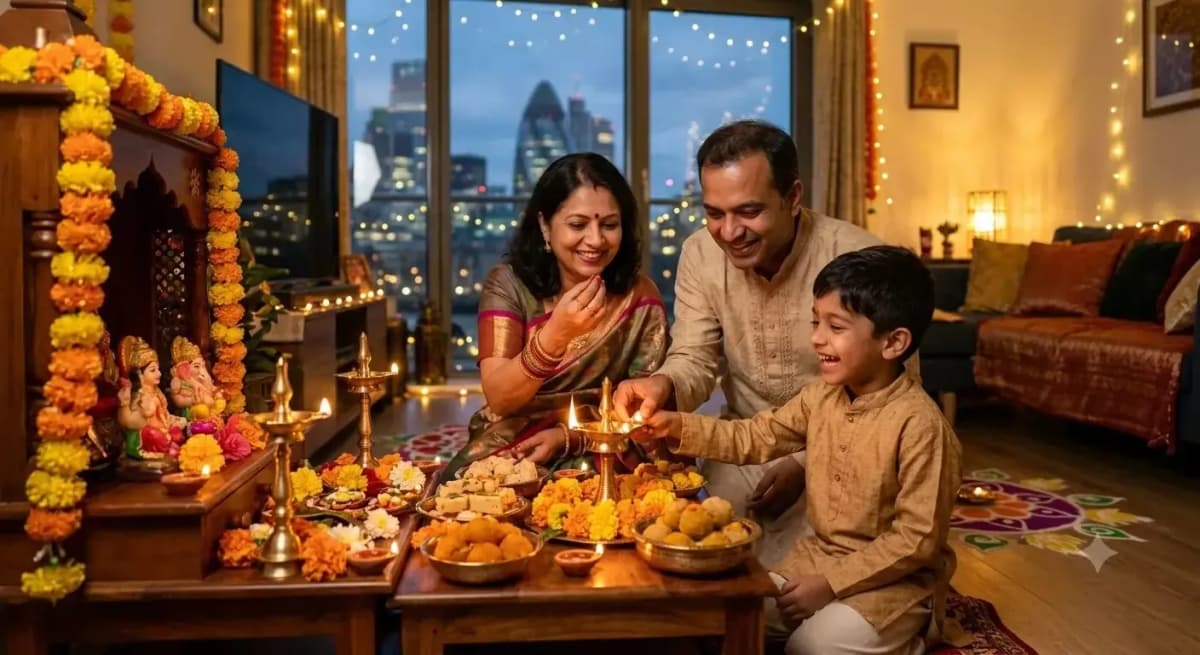
Kartika Masam 2026 runs roughly from 9 November onward. Here is a complete Telugu guide to Somavaram vratam, Kartika Deepam, Nagula Chavithi and Vana Bhojanam — with dates, puja vidhi and regional customs.
Quick answer: Kartika Masam 2026, the sacred month dear to Lord Shiva and Lord Vishnu, begins around 9 November 2026 and continues through late November. Telugu families observe Kartika Somavaram vratams, light Kartika Deepam, and mark Nagula Chavithi and Vana Bhojanam through the month. Always confirm exact tithi windows with your family or temple panchang.
Kartika Masam is one of the holiest months in the Telugu calendar, cherished by devotees of both Lord Shiva and Lord Vishnu. Across Andhra Pradesh, Telangana and Telugu homes worldwide, it is a month of lamps, fasting, riverside gatherings and quiet devotion. In 2026 the month begins around 9 November and continues through late November, though the exact start and end depend on your local panchang.
This guide walks you through the four pillars of the month as Telugu families keep them — Kartika Somavaram, Kartika Deepam, Nagula Chavithi and Vana Bhojanam — along with practical puja vidhi, regional customs and answers to the questions devotees ask most.
Quick Facts: Kartika Masam 2026
- MonthKartika Masam (కార్తీక మాసం)
- Begins (approx.)9 November 2026 [VERIFY local panchang]
- DurationRoughly 9–24 November 2026 onward, per reckoning
- Presiding deitiesLord Shiva and Lord Vishnu
- Key daysKartika Somavaram, Kartika Deepam, Nagula Chavithi, Vana Bhojanam
- Primary practicesLamp lighting, fasting, riverside baths, temple visits
- RegionAndhra Pradesh, Telangana and Telugu diaspora
When Does Kartika Masam 2026 Begin and End?
In the Telugu tradition, Kartika Masam follows the Amanta reckoning, in which the month begins the day after the Deepavali Amavasya and runs to the next Amavasya. By this count, the month opens around 9 November 2026 and closes in late November. In the Purnimanta reckoning followed in much of North India, the month is dated from the previous Purnima, so the labelling of dates can differ.
Because both systems name the same lunar days differently, the key celebration days can appear on different calendar dates depending on which panchang you follow. Neither reckoning is 'wrong' — they are simply two traditional ways of dividing the lunar month. Please confirm the precise tithi windows for Somavaram, Chavithi and Deepam against your family or temple panchang.
Kartika Somavaram: The Mondays of the Month
Every Monday (Somavaram) of Kartika Masam is considered especially dear to Lord Shiva, and many devotees observe a vratam on these days. There are typically four Somavarams in the month. Devotees visit Shiva temples, offer bilva (maredu) leaves, perform abhishekam and light lamps in the evening.
As a tradition, Kartika Somavaram is kept for devotion, discipline and family well-being. It is offered as prayer, not as a guarantee of any specific worldly result. Traditional views on who observes the vratam vary — some families keep it as a household observance, others as a personal vow taken by an individual. Follow the practice your family and temple guide you toward.
How to Observe Kartika Somavaram
- Rise early, bathe, and where custom allows, take a holy dip in a river or tank at dawn.
- Clean the puja space and light a lamp before an image of Lord Shiva.
- Offer bilva (maredu) leaves, flowers and water; perform or attend abhishekam at a Shiva temple.
- Chant the Panchakshari mantra 'Om Namah Shivaya'; many recite the Lingashtakam or Bilvashtakam.
- Keep the fast per your family custom — some observe a full fast, others eat a single satvik meal after sunset.
- Light lamps again at dusk and conclude with aarti and prasadam.
Fasting note: fasting practices vary widely and should suit your body. Anyone with a medical condition, anyone who is pregnant, elderly or unwell, should consult a doctor before fasting, and adapt the observance to their health.
Kartika Deepam: The Festival of Lamps
Light is the soul of Kartika Masam. Throughout the month, and especially on Kartika Pournami, devotees light rows of deepams — earthen lamps — at home, in temples and along rivers. The Kartika Deepam tradition symbolises the dispelling of darkness and the presence of the divine as inner light. In many Telugu homes, 365 wicks or a special 'akhanda deepam' are lit, and lamps are floated on rivers and tanks in the evening.
Some families place a lamp on a tall pole (akasa deepam) through the month. The precise date of Kartika Pournami and any temple deepotsavam programme should be checked locally, as timings and events differ between temples.
Nagula Chavithi: Worship of the Serpent Deity
Nagula Chavithi falls on the Chavithi (fourth) tithi in the bright fortnight of Kartika Masam and is dedicated to the Naga devata, the serpent deity. Devotees, especially in Telugu households, visit snake mounds (putta) or temples, offer milk, turmeric, vermilion and cooked chimmili, and pray for family welfare. The exact date within the month should be confirmed on your panchang, as the tithi window shifts each year.
As with all such observances, Nagula Chavithi is kept as a devotional tradition and prayer for family harmony, not as a promise of any particular outcome. Practices differ from family to family and region to region.
Vana Bhojanam: The Sacred Grove Picnic
Vana Bhojanam is one of the most beloved Telugu customs of the month — a community meal taken in a garden or grove, ideally beneath a usiri (amla) tree, which is honoured in Kartika Masam. Families and temple groups gather after morning worship, cook and share satvik food, and spend the day in devotion and togetherness. It blends worship of Lord Vishnu and the amla tree with the simple joy of eating together in nature.
Who Observes and How
Kartika Masam observances are open to devotees across ages and backgrounds. Traditionally, entire families take part in lamp lighting and temple visits, while individual vratams may be taken up by anyone who wishes — men or women, married or unmarried. Some texts and elders describe specific customs for particular observances; contemporary practice is generally inclusive, with families deciding what suits them. Rather than following any single rule, look to your own family elders and temple for the practice that fits your household.
Regional Variations Across Telugu Country
| Region / Community | Notable Custom |
|---|---|
| Coastal Andhra | River-bank deepams and Vana Bhojanam under usiri trees |
| Rayalaseema | Emphasis on Shiva temple abhishekam on Somavarams |
| Telangana | Family Nagula Chavithi putta puja and community meals |
| Diaspora homes | Home deepam rows, online temple darshan, weekend Vana Bhojanam |
Mantras and Recitations for the Month
For Shiva-centred observances, devotees recite the Panchakshari mantra 'Om Namah Shivaya' and the Shiva Panchakshara Stotram. Vishnu devotees may recite the Vishnu Sahasranama, a very long thousand-name stotra best learned from a printed or temple source rather than reproduced here. Traditional texts such as the Kartika Puranam are read chapter by chapter through the month in many homes. Use only traditional, public-domain texts and authentic temple recordings; avoid film songs or modern copyrighted bhajans in your observance.
A Note on Lamps, Flame and Safety
Lamps and open flame are central to Kartika Masam, so keep safety in mind: place deepams on stable, non-flammable surfaces, keep them away from clothing and curtains, and never leave a lit akhanda deepam unattended. If your observance includes any crackers or fireworks around Deepavali time, remember that local law governs their use — check the rules in your area and never use them unlawfully or unsafely.
Kartika Masam is, above all, a month of light and togetherness. Whether you light a single lamp or keep every Somavaram vratam, observe it in the way that suits your family, your health and your temple's guidance — and let confirmation of exact dates come from your local panchang.
Related
See the main Karthika Masam 2026 complete guide for start/end dates, Somavarams, Deepam and the full calendar.
Frequently Asked Questions
When does Kartika Masam 2026 begin?
In the Telugu (Amanta) reckoning, Kartika Masam 2026 begins the day after Deepavali Amavasya, around 9 November 2026, and continues through late November. Confirm the exact start with your local panchang [VERIFY], as Amanta and Purnimanta systems label the dates differently.
How many Kartika Somavarams are there in 2026?
There are typically four Somavarams (Mondays) in Kartika Masam. The exact count and dates depend on how the month falls in 2026, so check your family or temple panchang for the specific Mondays observed as vratam days.
Who can observe the Kartika Somavaram vratam?
Traditional views vary. Many families keep it as a household observance, while individuals — men or women, married or unmarried — may take up the vratam as a personal vow. Contemporary practice is generally inclusive; follow the guidance of your family elders and temple.
What is Vana Bhojanam?
Vana Bhojanam is a Telugu custom of sharing a community meal in a garden or grove, ideally under a usiri (amla) tree, during Kartika Masam. Families gather after worship to cook, share satvik food and spend the day in devotion and togetherness.
Is fasting compulsory during Kartika Masam?
No. Fasting is a traditional practice kept according to family custom and personal devotion, not a compulsion. Anyone with a medical condition, who is pregnant, elderly or unwell should consult a doctor and adapt the observance to their health.
What is the significance of lighting deepams in Kartika Masam?
Lighting lamps symbolises dispelling darkness and welcoming the divine as inner light. Devotees light rows of deepams at home, in temples and along rivers, especially on Kartika Pournami. It is offered as devotion, not as a promise of any particular worldly outcome.
When is Nagula Chavithi in Kartika Masam 2026?
Nagula Chavithi falls on the Chavithi (fourth) tithi of the bright fortnight of Kartika Masam. The exact date shifts each year, so confirm the tithi window on your panchang [VERIFY] rather than relying on a fixed calendar date.
What mantras are recited during Kartika Masam?
Shiva devotees recite 'Om Namah Shivaya' and the Shiva Panchakshara Stotram; Vishnu devotees may recite the Vishnu Sahasranama (a very long stotra best learned from a temple or printed source). Many families also read the Kartika Puranam through the month using traditional, public-domain texts.
You might also like
Navratri 2026: 9 Days, Colors, Goddess Names, Puja & Significance
Navratri 2026 USA: Dates, Garba, Dandiya, Durga Puja & NRI Celebration Guide
Jagaddhatri Puja 2026: Dates, Chandannagar's Dazzling Lights & Significance