




Magha Pournami 2026: Date, Significance & Rituals
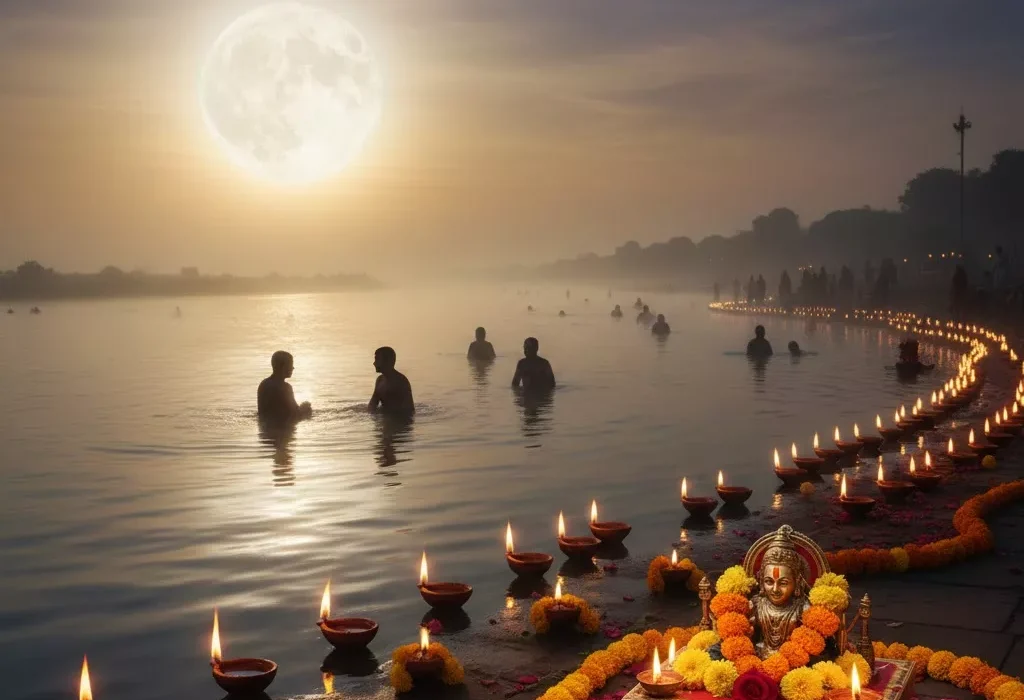
Magha Pournami, also known as Magha Purnima or Maghi Purnima, stands as one of the most sacred and spiritually potent full moon days in the Hindu calendar. Falling in the lunar month of Magha (typically January-February), this auspicious occasion marks the culmination of the holy Magha Snan period and offers devotees an unparalleled opportunity for purification, devotion, and divine grace.
At www.hindutone.com, we delve deeply into the devotional essence of Sanatan Dharma, guiding seekers toward timeless rituals that elevate the soul. In this comprehensive guide, explore the profound importance of Magha Pournami, its spiritual significance, essential rituals including holy baths (Snana), charity (Dana), worship (Puja), fasting (Vrat), and recommended homams (fire rituals). Embrace this day to wash away sins, accumulate punya (merit), and invite Lord Vishnu’s blessings for peace, prosperity, and moksha.
The Spiritual and Vedic Significance of Magha Pournami
Magha Pournami derives its name from the Magha month and Purnima (full moon). The full moon’s radiant energy peaks on this day, amplifying lunar vibrations that enhance meditation, mantra japa, and spiritual practices. Scriptures like the Padma Purana and Brahma Vaivarta Purana extol Magha Pournami as equivalent in merit to performing thousands of Ashwamedha Yajnas—a testament to its immense potency.
This day is especially dear to Lord Vishnu (also worshipped as Madhusudana or Satyanarayana), who is believed to manifest in sacred waters. Devotees believe that on Magha Pournami, celestial energies align to facilitate karma cleansing, soul purification, and liberation from the cycle of birth and death. The month of Magha itself is revered for austerity, with daily holy dips building toward the grand finale on Pournami.
Key spiritual benefits include:
- Removal of accumulated sins (papa nashana)
- Attainment of mental clarity, inner peace, and divine proximity
- Fulfillment of righteous desires through sincere devotion
- Enhanced spiritual growth, healing, and protection from negative influences
- Blessings for health, wealth, longevity, and family harmony
In regions like Prayagraj (Allahabad), the Triveni Sangam (confluence of Ganga, Yamuna, and mythical Saraswati) becomes a focal point during the Magha Mela or associated Kumbh preparations. Millions gather for sacred dips, symbolizing collective devotion and cosmic harmony.
Historical and Mythological Context
Ancient texts narrate that deities descend to Earth in human form during Magha to perform Snana, Dana, and rituals at holy confluences. Legends describe how Lord Vishnu blesses those who observe Magha rituals with unwavering faith. The day also connects to ancestor worship (Pitru Tarpan), as offerings on this full moon honor departed souls and ensure their peace.
In Buddhist traditions, Magha Purnima (Sangha Day) commemorates key events in Lord Buddha’s life, but in Hinduism, it remains firmly rooted in Vaishnava devotion and Vedic rites.
Core Rituals to Observe on Magha Pournami
Devotees follow a structured sequence of rituals from dawn to dusk, emphasizing purity, discipline, and selflessness.
- Holy Bath (Magha Snan or Snana) The cornerstone of Magha Pournami is the ritual bath. Wake during Brahma Muhurta (around 4-5 AM) and bathe in a sacred river like the Ganga, Yamuna, Godavari, or any holy water body. If unable to visit a tirtha, perform Snana at home with sanctified water mixed with Gangajal. This act is believed to cleanse physical, mental, and karmic impurities. Scriptures promise that a dip on this day equals immense yajna merits.
- Arghya to Surya and Chandra After Snana, offer Arghya (water libations) to the rising Sun with the Surya Mantra: ॐ ह्रां ह्रीं ह्रौं सः सूर्याय नमः (Om Hraam Hreem Hraum Sah Suryaya Namah). In the evening, offer Arghya to the full moon, invoking lunar energies for calm and intuition.
- Fasting (Vrat) Observe a full-day fast (Nirjala or Phalahara) or consume sattvic foods like fruits, milk, and roots. Fasting purifies the body and sharpens focus for devotion. Break the fast after moonrise or the next day.
- Dana (Charity) Dana is highly meritorious on this day. Donate food, clothes, sesame seeds (til), blankets, cows (or cow-related items), money, or essentials to the needy, Brahmins, or temples. Recite dana mantras while giving: ॐ दानपतिर्भगवान् विष्णुः, सर्वभूतहृदि स्थितः । तस्य प्रीत्यर्थं दानेन, मम पापं व्यपोहतु ॥ (Om Danapatir Bhagavan Vishnuh, Sarva Bhuta Hridi Sthitah. Tasya Prityartham Danena, Mama Papam Vyapohatu.) Acts of charity multiply punya exponentially on Pournami.
- Puja and Worship of Lord Vishnu Install an idol or picture of Lord Vishnu (or Satyanarayana) on a clean platform. Perform Panchopachar Puja (five offerings: flowers, incense, lamp, naivedya, and betel nut). Chant Vishnu Sahasranama, Om Namo Bhagavate Vasudevaya, or Hare Krishna Mahamantra. Offer tulsi leaves, yellow flowers, and sweets. Many perform Satyanarayan Puja with katha recitation for truth, prosperity, and obstacle removal.
- Pitru Tarpan and Ancestor Offerings Offer tarpan (water with black sesame) to ancestors, praying for their moksha. This strengthens family lineage blessings.
Homams and Fire Rituals on Magha Pournami
Homams (havan or yajna) amplify the day’s potency through Agni (fire god) as a mediator to the divine. Recommended homams include:
- Narayana Homam / Vishnu Homam — Chant Narayana Moola Mantra or Om Namo Narayanaya with 10,000+ repetitions and aahutis (offerings) of ghee, sesame, and herbs. This purifies karma, invokes Lord Vishnu’s protection, and grants spiritual elevation.
- Til Homam (Sesame Seed Fire Ritual) — Offer black/white sesame seeds into the consecrated fire while chanting Vishnu or Surya mantras. Ideal for sin removal and ancestral peace.
- Satyanarayan Homam — Performed alongside puja, with specific aahutis for truthfulness and fulfillment of vows.
- Triveni Sangam Snana Sankalpa Homam — In Prayagraj or temples, this ritual combines Snana sankalpa with homam for ultimate purification.
Perform homams under priest guidance, using a kund (fire pit), with offerings like ghee, samidha (wood sticks), and herbs. Conclude with purnahuti (final offering) and aarti.
Step-by-Step Puja Vidhi for Home Observance
- Wake in Brahma Muhurta and complete Snana.
- Wear clean clothes (preferably yellow or white).
- Set up altar with Vishnu idol, lamp, flowers, fruits, tulsi, incense.
- Light lamp and chant Sankalpa for the day’s observances.
- Perform puja with mantras: Om Namo Bhagavate Vasudevaya (108 times).
- Offer naivedya (sattvic food) and perform aarti.
- Conduct homam if possible, or simple havan with camphor.
- Recite Vishnu Sahasranama or Bhagavad Gita verses.
- Perform Dana in the evening.
- End with prayers for universal peace and break fast appropriately.
Mantras for Enhanced Devotion
- Primary: ॐ नमो भगवते वासुदेवाय (Om Namo Bhagavate Vasudevaya)
- For protection: ॐ विष्णवे नमः (Om Vishnave Namah)
- Hare Krishna: हरे राम हरे राम, राम राम हरे हरे । हरे कृष्ण हरे कृष्ण, कृष्ण कृष्ण हरे हरे ॥
- For charity: As mentioned earlier.
Benefits and Modern Relevance
In today’s fast-paced world, Magha Pournami reminds us to pause, purify, and reconnect with the divine. Regular observance fosters discipline, compassion through Dana, and inner harmony. Many report profound peace, resolved issues, and spiritual awakenings post-rituals.
Whether at sacred tirthas or home, let Magha Pournami be your gateway to divine grace. May Lord Vishnu shower His blessings upon you and your family.
Jai Shri Hari!
Related posts:
 Maha Shivaratri Vratam: Fasting and Observances
 Chaitra Navratri 2025: Importance, Pooja Methods, History, Stories, and Daily Significance
 Important Hindu Festivals in April 2025: A Comprehensive Guide for Hindus
 The Ultimate Ganesh Songs Playlist for Your Mandapam
 Telugu Calendar December 2025 – Complete Panchangam, Festivals & Fasting Dates
 Vaikuntha Ekadashi in Kerala: Guruvayur, Padmanabhaswamy & Other Key Temples



 ︎
︎

