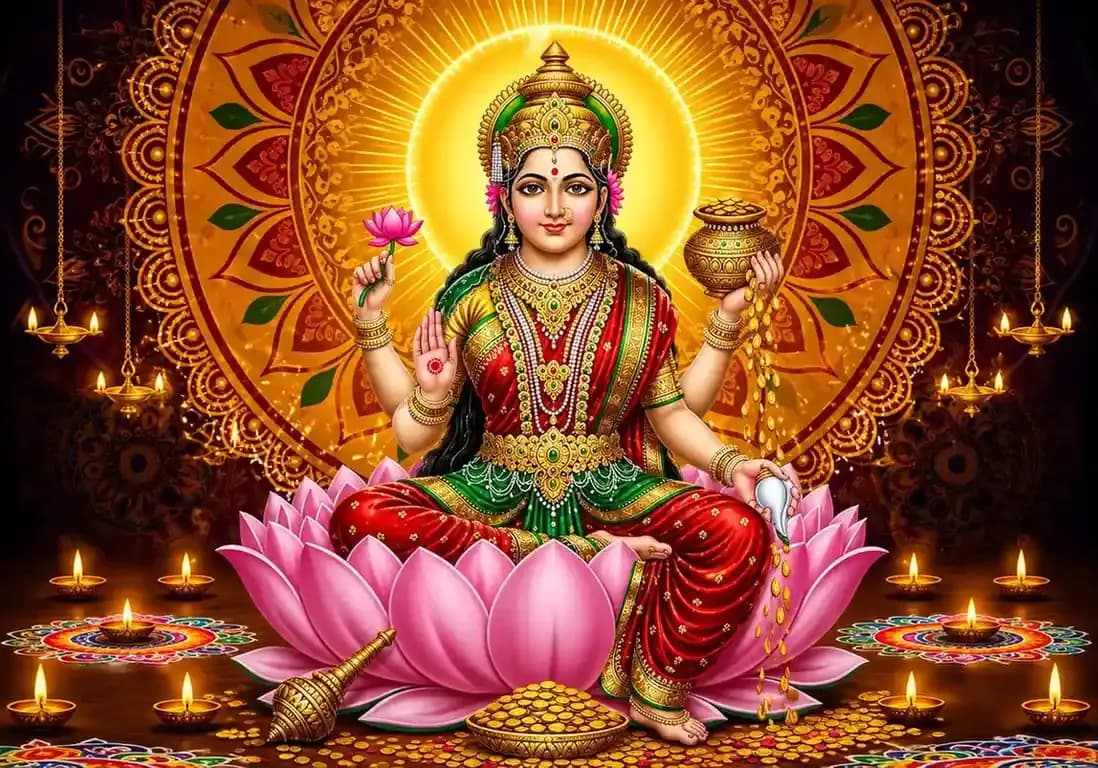
Makar Sankranti 2027: Date, Punya Kaal, Pongal, Bhogi & Regional Guide
A complete 2027 guide to Makar Sankranti — the date and Punya Kaal window, the Bhogi–Sankranti–Kanuma sequence, Pongal, Uttarayan, and how the festival is observed across India.
A complete 2027 guide to Makar Sankranti — the date and Punya Kaal window, the Bhogi–Sankranti–Kanuma sequence, Pongal, Uttarayan, and how the festival is observed across India.
Quick answer: Makar Sankranti 2027 is expected on Thursday, 14 January 2027, marking the Sun's entry into Makara (Capricorn). Because the Sankranti moment falls in the early hours, some panchangs fix the Punya Kaal and celebration on Friday, 15 January [VERIFY]. Follow your family or temple's reckoning.
Makar Sankranti is the day the Sun enters Makara rashi (Capricorn) and turns toward the northern hemisphere, beginning Uttarayan — the six-month northward journey traditionally regarded as an auspicious period. It is one of the few Hindu festivals tied to the solar calendar rather than the lunar tithi, which is why it lands on nearly the same date each January. In 2027, it also opens the harvest season celebrated as Pongal, Bhogi, Kanuma, Maghi, Uttarayan and Bihu across different regions.
Makar Sankranti 2027 date and Punya Kaal
Makar Sankranti 2027 is expected on Thursday, 14 January 2027 in most panchangs, as the Sun transits into Makara rashi. However, the Sankranti moment falls in the very early hours, so several panchangs reckon the Punya Kaal — and therefore the main observance — on Friday, 15 January 2027 [VERIFY]. Where panchangs differ this way, neither is 'wrong'; the difference comes from when the transit occurs relative to sunrise. Follow the date your family follows or the one printed in your local temple panchangam.
- FestivalMakar Sankranti 2027
- Expected dateThursday, 14 January 2027 (some panchangs 15 January) [VERIFY]
- SampradayaSolar (Sun enters Makara rashi)
- Punya KaalMorning window after Sankranti moment — confirm local clock time [VERIFY]
- SeasonBeginning of Uttarayan; harvest festival
- Also known asPongal, Bhogi, Maghi, Uttarayan, Bihu, Poush Sankranti
Traditionally, the acts associated with the day — a holy bath (snan), offering naivedya and arghya to Surya, giving daan (charity), and breaking a fast — are done during Punya Kaal. Because we do not fabricate clock times, confirm the exact Punya Kaal and Maha Punya Kaal windows for your city from your printed panchang or temple, as they vary by location and sunrise [VERIFY].
The three days: Bhogi, Sankranti and Kanuma
In much of South India, especially Telugu and Tamil households, Sankranti is a multi-day festival rather than a single day. Each day has its own character, and families keep the sequence even when work schedules make full observance difficult.
- Bhogi (day 1): The day before Sankranti. Old and unwanted items are cleared out and a bonfire (Bhogi mantalu) is lit at dawn. Bhogi Pallu — a mix of regi pandu (jujube), petals, coins and sugarcane — is showered over young children as a blessing.
- Makar Sankranti (day 2): The main day. Homes are decorated with muggu/kolam and gobbemmalu, new clothes are worn, pongal/pongali is cooked, and offerings are made to Surya and ancestors.
- Kanuma (day 3): A day to honour cattle and farm animals that support the harvest. In many families this is also a day for community gatherings and rangoli.
- Mukkanuma (day 4, regional): Observed in some Telugu families as an additional day of feasting and outings.
Pongal and the harvest feast
In Tamil Nadu the festival is Pongal, named after the dish of newly harvested rice boiled with milk and jaggery until it overflows the pot — the overflow itself is a sign of abundance and the moment when families call out 'Pongalo Pongal'. Thai Pongal falls on the same solar transit, followed by Mattu Pongal (honouring cattle) and Kaanum Pongal. Sweet pongal (sakkarai pongal) and ven pongal are prepared as offerings before being shared.
Uttarayan and the meaning of the day
Uttarayan marks the Sun's apparent northward turn. In tradition it is considered a devakala — an auspicious phase for spiritual practice, daan and pilgrimage. It is remembered in the Mahabharata through Bhishma, who is said to have waited for Uttarayan before leaving his body. In Gujarat and parts of Rajasthan, Uttarayan is above all the great kite-flying festival, with skies filling from morning to dusk.
How Makar Sankranti is observed across regions
| Region | Name and how it is observed |
|---|---|
| Tamil Nadu | Pongal — four-day harvest festival; overflowing pongal, kolam, honouring cattle |
| Telugu states | Sankranti — Bhogi, Sankranti, Kanuma; muggu, Bhogi Pallu, Gangireddulu processions |
| Karnataka | Suggi/Sankranti — Ellu Bella (sesame-jaggery) exchange with the words 'ellu bella thindu olle maathadi' |
| Gujarat / Rajasthan | Uttarayan — kite festival, tal-gud and chikki sweets |
| Punjab / Haryana | Maghi, preceded by Lohri bonfire the evening before |
| Maharashtra | Til-gul laddus shared with 'til-gul ghya, god god bola'; halwa and haldi-kumkum gatherings |
| West Bengal / Assam | Poush Sankranti with pithe-puli; Magh Bihu in Assam with feasting and bonfires |
| Uttar Pradesh / Bihar | Khichdi and holy dips; the great Ganga Sagar and Prayagraj Magh Mela snans |
Simple puja vidhi at home
Practices vary by family and sampradaya; the outline below is a common household approach. Where your family or temple prescribes a different order, follow that.
- Rise early and take a holy bath — a dip in a sacred river if possible, or add a little water considered sacred at home; til (sesame) is traditionally added.
- Clean and decorate the entrance with rangoli/muggu; place fresh sugarcane, sesame and jaggery.
- Offer arghya (water) to Surya at sunrise, ideally within the Punya Kaal, with a Surya prayer.
- Cook pongal/pongali or khichdi as naivedya, offer it to the deity and to ancestors, then share as prasad.
- Give daan — til, jaggery, rice, blankets, or food to those in need — a defining act of the day.
- Exchange til-gud, ellu-bella or Bhogi Pallu with family and neighbours as a gesture of goodwill.
Fasting, mantras and who observes
Some devotees keep a light fast until the Punya Kaal snan and Surya arghya are complete, breaking it (parana) with the pongal or khichdi prasad. Fasting styles differ widely by family; there is no single rule. Anyone who is pregnant, or who has a medical condition such as diabetes, should consult their doctor before fasting.
Makar Sankranti is a household and community festival open to all — men, women, children and elders take part together, and there is no traditional exclusion by gender or marital status for the harvest observances. For any specific vrat a family keeps, the range of practice varies, so follow your own family and temple custom rather than a fixed prescription. On mantras, devotees commonly recite the Gayatri and the Aditya Hridayam or a simple Surya namaskara prayer; long stotras like the Aditya Hridayam are best learned from your temple or an authentic printed source rather than reproduced here.
Kite flying and safety
Kite flying is central to Uttarayan in Gujarat and popular elsewhere. Where you fly, prefer cotton thread over sharp manja, keep clear of overhead power lines and rooftops, and supervise children. If any bonfire, firecracker or open-flame Bhogi is part of local custom, remember that local law governs its use — check what is permitted in your area and never use anything unsafe or unlawful.
Frequently Asked Questions
When is Makar Sankranti in 2027?
Makar Sankranti 2027 is expected on Thursday, 14 January 2027, when the Sun enters Makara rashi. Because the Sankranti moment falls in the early hours, some panchangs fix the main observance and Punya Kaal on Friday, 15 January [VERIFY]. Follow your family or temple's reckoning.
Why do some calendars show 14 January and others 15 January?
Makar Sankranti follows the exact moment the Sun transits into Makara. When that moment falls near or after sunrise, panchangs may place the Punya Kaal and celebration on the next day. Neither reckoning is wrong; it reflects the transit time relative to local sunrise, so check your own panchang [VERIFY].
What is Punya Kaal and what should be done in it?
Punya Kaal is the auspicious window around the Sankranti moment for the day's key acts: the holy bath (snan), offering arghya to Surya, giving daan (charity) and breaking a fast. Confirm the exact clock window for your city from your local panchang, as it varies by place and sunrise [VERIFY].
What is the difference between Bhogi, Sankranti and Kanuma?
Bhogi is the first day, when old items are cleared and a dawn bonfire is lit. Makar Sankranti is the main second day of offerings, muggu and pongal. Kanuma, the third day, honours cattle and farm animals. Some Telugu families add a fourth day, Mukkanuma, for feasting and outings.
Is Makar Sankranti the same as Pongal and Uttarayan?
They fall on the same solar transit but carry regional identities. Tamil Nadu celebrates it as the four-day Pongal harvest festival, Gujarat and Rajasthan as Uttarayan with kite flying, Punjab as Maghi after Lohri, and Bengal and Assam as Poush Sankranti and Magh Bihu.
Should I fast on Makar Sankranti?
Fasting is optional and varies by family; some keep a light fast until the snan and Surya arghya, then break it with pongal or khichdi prasad. There is no single rule. Anyone who is pregnant or has a medical condition should consult a doctor before fasting.
What foods are traditionally made for Makar Sankranti?
Common preparations include sweet and ven pongal or pongali, khichdi, til-gud laddus and chikki, ellu-bella (sesame-jaggery), and pithe-puli in the east. Sesame, jaggery and freshly harvested rice appear across regions as offerings and as gifts shared with neighbours.
Can everyone observe Makar Sankranti?
Yes. It is a household and community harvest festival open to men, women, children and elders together, with no traditional exclusion by gender or marital status for the general observances. For any specific vrat your family keeps, practice varies, so follow your own family and temple custom.
You might also like
Rama Ekadashi 2026: Date, Vrat Katha, Puja Vidhi & Significance
Champa Shashthi 2026: Date, Khandoba Worship & Jejuri's Golden Festival
Kati Bihu 2026: Date, Rituals & Assam's Festival of Earthen Lamps