


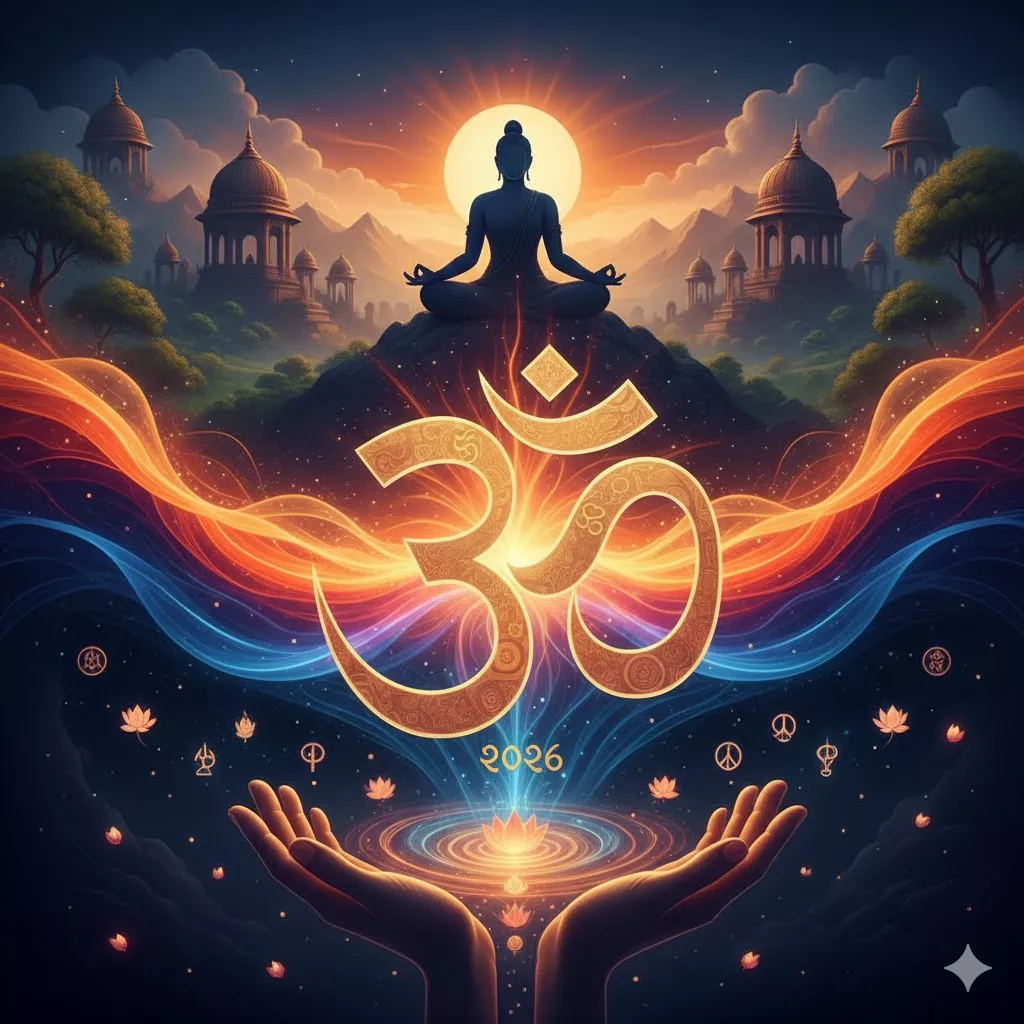


Margasira Pournami 2026: Complete Guide – Fasting, Puja, Significance

Margasira Pournami 2026: Complete Guide – Fasting, Puja, Significance
In the serene glow of the full moon, Margasira Pournami (also known as Margashirsha Purnima or Agrahayana Purnima) illuminates the path of devotion for Hindus worldwide. This sacred full-moon day in the auspicious month of Margasira—praised by Lord Krishna in the Bhagavad Gita as “Māsānāṁ Mārgaśīrṣo ‘ham” (Of months, I am Margashirsha)—embodies purity, completeness, and divine grace. As the moon reaches its fullest radiance, it symbolizes the soul’s journey toward enlightenment, inner peace, and liberation from worldly bonds.
Falling on December 23, 2026 (Wednesday), this Pournami holds profound significance as Dattatreya Jayanti, the birth anniversary of Lord Dattatreya—the embodiment of the Trimurti (Brahma, Vishnu, Shiva). Rooted in the timeless wisdom of the Puranas, Narada Purana, Skanda Purana, and Padma Purana, this day invites devotees to perform holy baths, fasting, charity, and heartfelt worship to invoke blessings for health, prosperity, obstacle removal, and spiritual growth.
Whether observed in homes, temples, or sacred rivers, Margasira Pournami fosters bhakti, self-reflection, and selfless service. This evergreen guide offers scriptural insights, practical rituals, fasting guidelines, and devotional practices to help you celebrate with sincerity and reap eternal merits.
Spiritual Significance of Margasira Pournami
Margasira month is revered as the most virtuous in the Vedic calendar, with its Purnima amplifying cosmic energies. The full moon’s light purifies the mind, balances emotions, and enhances mental clarity, as the moon governs the mind (Chandra-manas sambandha).
Key scriptural highlights:
- Bhagavad Gita (Chapter 10, Verse 35): Lord Krishna declares Margashirsha as His own manifestation among months, signifying supreme auspiciousness.
- Dattatreya Jayanti: According to legends in the Markandeya Purana and other texts, Lord Dattatreya incarnated during Pradosh Kaal on this day, born to Sage Atri and Anasuya. As Guru Dattatreya, He represents ultimate wisdom, renunciation, and compassion—teaching through His 24 gurus (nature’s elements).
- Battisi Purnima: Charity performed yields 32-fold merits (Battisi = 32), as per Puranic injunctions—ideal for dana (donations) of food, clothes, money, sesame, or gold.
- Satyanarayana Connection: Many devotees perform Satyanarayana Katha and Vrat to remove obstacles and attain success, as fasting and recitation please Lord Vishnu in His Satyanarayana form.
- Other associations: In some traditions, it marks Lord Shiva’s destruction of Tripurasura (symbolizing ego annihilation) and blessings for marriage or desired partners (especially for girls bathing in sacred rivers like Yamuna).
This day encourages acceptance of life’s completeness (Purnatva), forgiveness of past karmas, and surrender to the Divine, leading toward moksha.
Auspicious Date and Timings for 2026
As per standard Indian panchang (Drik Panchang and regional sources, aligned for Hyderabad/New Delhi timezone):
- Margasira Pournami / Margashirsha Purnima: December 23, 2026 (Wednesday)
- Purnima Tithi Begins: Approximately December 23, 2026, around 10:47 AM (varies slightly by location)
- Purnima Tithi Ends: December 24, 2026, around 6:58 AM
- Moonrise: Evening of December 23 (ideal for Chandra Darshan and arghya)
- Best Muhurats:
- Holy bath (Pournami Snan): Early morning, Brahma Muhurta onward
- Puja and fasting: Throughout the day, especially Pradosh Kaal (twilight)
- Satyanarayana Puja: Evening after moonrise
- Charity: Anytime during tithi, preferably midday
Consult local panchang or temple priest for precise timings in your city, as lunar tithi can vary regionally.
Fasting Rules and Vrat Guidelines
Observing Margasira Pournami Vrat purifies body and soul, controls acidity, enhances endurance, and aligns with lunar energies. Fasting is flexible based on devotion and health.
Types of Fasting
- Full Nirjala Vrat: No food or water from sunrise to moonrise (or next day sunrise). Ideal for strong devotees seeking maximum punya.
- Partial Vrat: Consume fruits, milk, nuts, or sattvic foods (no grains, salt, pulses). Break fast after moon sighting with simple meal.
- Ekabhakta: One meal in the evening after puja.
- Phalahara: Fruits and milk only—common for families.
General Rules
- Wake early (Brahma Muhurta) for holy bath.
- Maintain celibacy, avoid anger, and focus on japa/meditation.
- No non-vegetarian food, onion/garlic, or tamasic items.
- Break fast on December 24 morning after puja or moon darshan.
- Pregnant women, elderly, or those with health issues may opt for light fasting or fruits.
Fasting benefits: Digestive cleanse, mental peace, karma purification, and amplified spiritual sadhana.
Puja Vidhi: Step-by-Step Rituals at Home or Temple
Perform with pure heart, facing east or north.
- Morning Preparation:
- Holy bath (use Gangajal if no river access).
- Wear clean/white clothes.
- Set up altar with idols/images of Lord Vishnu/Satyanarayana, Lord Dattatreya, Lord Shiva.
- Sankalpa:
- Take vow: “I observe Margasira Pournami Vrat for divine grace, obstacle removal, and moksha.”
- Main Puja:
- Light ghee lamp and incense.
- Offer flowers, fruits, betel nuts, coconut.
- Chant mantras:
- Gayatri Mantra (108 times)
- “Om Namo Bhagavate Vasudevaya” or Dattatreya mantra: “Om Dram Dattatreyaaya Namah”
- Vishnu Sahasranama or Dattatreya Stotra
- Perform abhishekam (milk, honey, curd) if possible.
- Satyanarayana Puja (Highly Recommended):
- Recite Satyanarayana Katha (5 chapters).
- Offer prasad (sheera/payasam).
- Distribute to family and needy.
- Evening Rituals:
- Chandra Darshan: Offer arghya (water) to moon with “Om Som Somaya Namah”.
- Light lamps, sing bhajans.
- Charity (Dana):
- Donate food, clothes, sesame, blankets to Brahmins/poor.
- Feed cows or birds.
- Conclusion:
- Aarti to deities and moon.
- Seek blessings for family peace.
In temples (especially Dattatreya shrines in South India like Ganagapura, Girnar), special abhishekam, Rudrabhishekam, and mass pujas occur.
Regional Celebrations and Traditions
- South India (Telangana, Andhra, Karnataka, Tamil Nadu): Grand Dattatreya Jayanti—temple processions, annadanam, special aartis. In Hyderabad, devotees visit local Dattatreya temples for darshan.
- Maharashtra/Goa: Emphasis on Datta worship, bhajans, and charity.
- North India: Satyanarayana Katha, family pujas, and pitru tarpana.
- Worldwide: Diaspora Hindus perform home pujas, virtual kathas, and online donations.
Practical Tips for Devotees in 2026
- Prepare prasad ingredients in advance.
- Involve family for collective chanting.
- Use eco-friendly lamps and natural flowers.
- Meditate under moonlight for mental calm.
- Combine with daily sadhana for lasting benefits.
Margasira Pournami 2026 beckons us to bask in divine light, surrender ego, and embrace wisdom like Lord Dattatreya. May this sacred day bestow health, harmony, and unwavering devotion upon you and your loved ones.
Om Dattatreyaaya Namah. Hari Om Tat Sat.
For More Devotional Journey, Follow
- Temples
https://hindutone.com/temples/ - Tirumala Updates
https://hindutone.com/tirumala/ - Sabarimala Yatra
https://hindutone.com/category/sabarimala-yatra/ - Pooja, Slokas & Mantras
https://hindutone.com/pooja-slokas-and-mantras/ - Hindu Gods
https://hindutone.com/hindu-gods/
Related posts:
 Nag Panchami 2025: Myths, Milk, and Modern Lessons on Biodiversity
 Margashirsha Masam 2025: Complete Guide for USA Hindus
 Utpanna Ekadashi 2025: A Divine Celebration for Hindus in the USA
 Dhanurmasa 2025 Monday Rituals for Hindu Americans
 Vaikuntha Ekadashi in Switzerland: Complete Vishnu Temple Guide for 2025–2026
 Vaikuntha Ekadashi Australia 2025 – Complete Guide for Sydney, Melbourne, Brisbane & Perth




 ︎
︎

