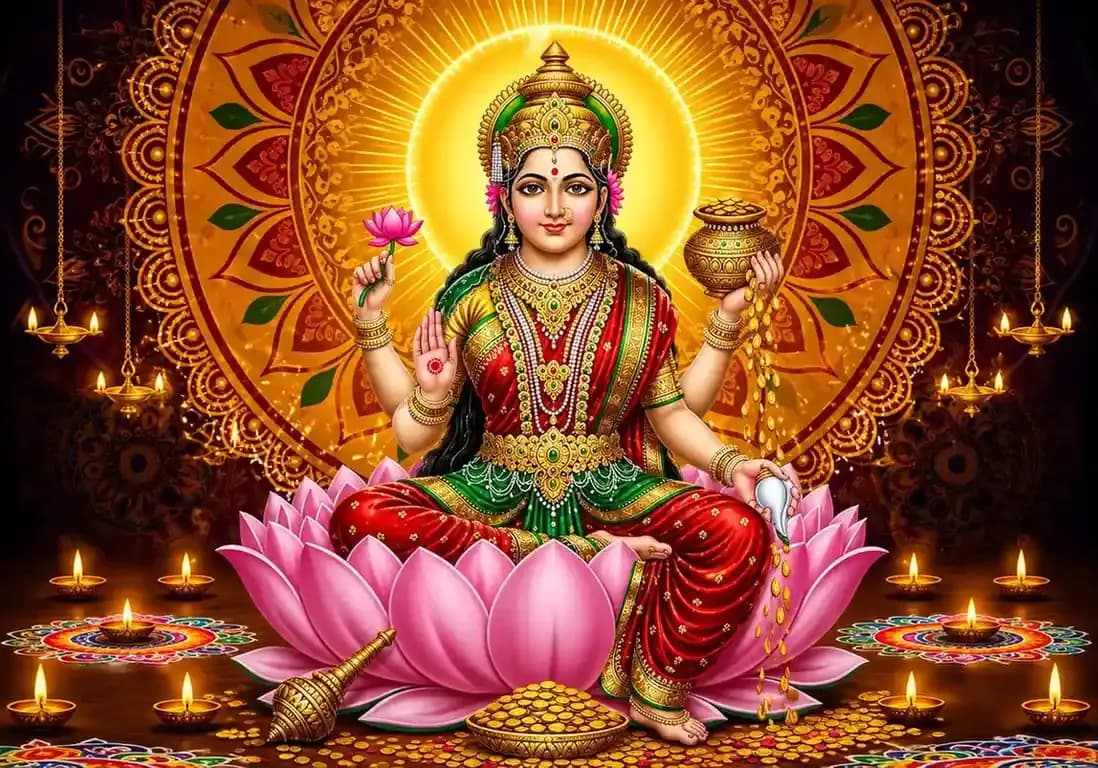
Nagula Chavithi 2026: Date, Kartika Serpent Worship & Telugu Puja Vidhi
Nagula Chavithi is a beloved Kartika Masam serpent-worship observance for Telugu families, distinct from Naga Panchami. Here is the 2026 date, tithi and a complete puja vidhi.
Nagula Chavithi is a beloved Kartika Masam serpent-worship observance for Telugu families, distinct from Naga Panchami. Here is the 2026 date, tithi and a complete puja vidhi.
Quick answer: Nagula Chavithi 2026 is observed in the Telugu month of Kartika Masam, in November 2026 [VERIFY local Telugu panchang], on the Chaturthi (fourth) tithi of the Shukla Paksha. Telugu families worship serpent deities (Naga Devata) at anthills and temples on this day.
Nagula Chavithi is one of the most cherished observances of Kartika Masam for Telugu-speaking families in Andhra Pradesh, Telangana and across the diaspora. On this day, devotees worship the Naga Devata (serpent deities) at anthills (putta), temples and homes, offering milk, turmeric and prayers for the wellbeing of the family. It is a day rich in ritual, folk devotion and quiet faith passed down through generations.
Nagula Chavithi 2026 Date and Tithi
Nagula Chavithi is observed on the Chaturthi (fourth) tithi of the Shukla Paksha (bright fortnight) of Kartika Masam, which falls in November 2026 [VERIFY local Telugu panchang]. Because the tithi begins and ends at specific times that shift each year and by location, the exact day and any clock times must be confirmed from your family's or temple's Telugu panchangam. In the Amanta reckoning followed across most of Andhra Pradesh, Telangana, Karnataka and Maharashtra, the Kartika month is counted from the new moon; this is the customary reference for a Telugu observance like Nagula Chavithi. In the Purnimanta reckoning common in much of North India, month boundaries differ, so the same lunar day may be labelled under a different month name. Where panchangs genuinely differ on the day, neither should be treated as the single correct one — follow your family and temple practice.
- FestivalNagula Chavithi
- Year2026
- Telugu MonthKartika Masam
- TithiShukla Paksha Chaturthi
- Month (Gregorian)November 2026 [VERIFY]
- DeityNaga Devata (serpent deities)
- RegionAndhra Pradesh, Telangana & Telugu diaspora
- ReckoningAmanta (customary for Telugu practice)
Nagula Chavithi vs Naga Panchami: Key Differences
Both festivals honour serpent deities, but they are not the same observance. Nagula Chavithi is the Telugu Kartika-month day on the Chaturthi tithi, while Naga Panchami is the more pan-Indian Shravana-month observance on the Panchami tithi. Many Telugu households mark both, and understanding the distinction helps families follow the tradition their elders kept.
| Aspect | Nagula Chavithi | Naga Panchami |
|---|---|---|
| Tithi | Chaturthi (4th) | Panchami (5th) |
| Month | Kartika Masam (Nov) | Shravana Masam (Jul-Aug) |
| Primary region | Telugu states | North & West India, also observed in the South |
| Season | Post-Diwali, cooler months | Monsoon |
Significance of Serpent Worship in Kartika Masam
Kartika Masam is considered among the most auspicious months in the Telugu calendar, associated with the worship of Lord Shiva and Lord Vishnu, deepam (lamp) offerings, and river baths at dawn. Serpents hold a revered place in Hindu tradition — Adishesha as the couch of Vishnu, Vasuki around the neck of Shiva, and the Nagas as guardians of the earth. Traditionally, families pray for the harmony and protection of their household, and in folk custom for freedom from Naga Dosha and Sarpa Dosha as understood in traditional astrology. These are presented here as tradition and devotional belief, not as guaranteed outcomes for any aspect of life, health, marriage or prosperity.
Nagula Chavithi Puja Vidhi (Step by Step)
- Wake before sunrise, bathe, and wear clean traditional clothes. Many observe the day with a fast until the puja is completed.
- Clean the puja space or the area around the anthill (putta) at home, a temple, or a Naga stone (Nagula Kallu / Naga pratima).
- Draw a small muggu (rangoli) and prepare the offerings: milk, turmeric (pasupu), kumkum, flowers, and traditional prasadam such as chalimidi (rice flour and jaggery) and chimmili (sesame and jaggery).
- Light a deepam and incense. Invoke the Naga Devata with prayer and, if known, traditional Naga stotras or the Naga Gayatri.
- Offer milk gently at the anthill or Naga stone, along with turmeric, kumkum and flowers. Some families also offer cooked rice or eggs by folk custom, though this varies widely.
- Recite prayers for the wellbeing and protection of the family, and circumambulate (pradakshina) the anthill or shrine.
- Distribute the prasadam among family members and, traditionally, share with others as a gesture of the day's blessings.
- Break the fast, if observed, after completing the puja, with the offered prasadam.
Traditional Offerings and Prasadam
- Milk (paalu) — the central offering to the Naga Devata
- Turmeric (pasupu) and kumkum
- Chalimidi — a sweet of rice flour and jaggery
- Chimmili — sesame seeds with jaggery
- Flowers, especially those in season during Kartika
- Fruits and a simple deepam (ghee or oil lamp)
Mantras and Prayers
Devotees traditionally recite the Naga Gayatri and short Naga stotras invoking Adishesha, Vasuki and the Naga Devata. Longer compositions such as the Naga Stotram are described in tradition but are lengthy; families often recite whatever prayer their elders taught, or simply offer heartfelt prayer in their own words. Use only traditional, public-domain text and follow your priest's guidance for pronunciation.
Fasting on Nagula Chavithi
Many observe a partial fast, taking only water, fruit or a single sattvic meal until the puja is complete, after which they break the fast with the offered prasadam. Fasting practices are personal and vary by family. Anyone who is pregnant, elderly, unwell, or living with a medical condition such as diabetes should consult a doctor before fasting, and there is no obligation to fast to observe the day devotionally.
Who Observes and How to Observe
Nagula Chavithi is observed across Telugu households — by mothers praying for their children's wellbeing, by married and unmarried members of the family, and by devotees of all ages. Traditional views on who leads the vrat vary: in many homes the women of the family conduct the puja, while in others the whole family participates together. Rather than prescribing who may or may not observe, the tradition points back to family custom. If you are beginning, ask your elders or your temple priest for the practice suited to your family; the heart of the day is devotion and family wellbeing, not rigid rules.
Regional Variations
- In coastal Andhra, families frequently visit local Subrahmanya Swamy or Naga temples and offer milk at Naga stones there.
- In Telangana, the observance is often centred at anthills near the home or village, with folk offerings of chalimidi and chimmili.
- In Rayalaseema, prominent Naga and Subrahmanya kshetras draw large gatherings on the day.
- Among the Telugu diaspora, families adapt by worshipping Naga pratimas or images at home and at local temples where anthills are not available.
- Some families combine Nagula Chavithi with broader Kartika Masam deepam and Shiva worship during the month.
Well-known Subrahmanya and Naga kshetras across the Telugu states see special crowds on Nagula Chavithi. Because temple timings, special sevas and any ticketed arrangements change year to year, please confirm the programme directly with the temple for 2026 rather than relying on general information.
Related
See the main Karthika Masam 2026 complete guide for start/end dates, Somavarams, Deepam and the full calendar.
Frequently Asked Questions
When is Nagula Chavithi in 2026?
Nagula Chavithi 2026 falls in the Telugu month of Kartika Masam, in November 2026 [VERIFY local Telugu panchang], on the Shukla Paksha Chaturthi tithi. Confirm the exact day and any timings from your family's or temple's Telugu panchangam, as they shift by year and location.
Is Nagula Chavithi the same as Naga Panchami?
No. Nagula Chavithi is the Telugu Kartika-month serpent-worship day on the Chaturthi (4th) tithi in November, while Naga Panchami is the more pan-Indian observance on the Panchami (5th) tithi in Shravana month (July-August). Many Telugu families mark both.
What offerings are made on Nagula Chavithi?
Traditional offerings include milk, turmeric (pasupu), kumkum, flowers, a deepam, and sweets such as chalimidi (rice flour and jaggery) and chimmili (sesame and jaggery), presented at an anthill, Naga stone or temple shrine.
Who observes Nagula Chavithi?
Telugu households across Andhra Pradesh, Telangana and the diaspora observe it. In many homes the women lead the puja, while in others the whole family participates. Practice varies, so follow your family and temple custom rather than fixed rules.
Do you have to fast on Nagula Chavithi?
Fasting is optional and varies by family; many take only fruit, water or a single sattvic meal until the puja. Anyone pregnant, elderly, unwell or with a medical condition should consult a doctor before fasting, and the day can be observed devotionally without a fast.
Is it correct to pour milk into anthills?
It is a long-standing folk custom, but many priests and families today prefer offering milk at temple Naga stones or symbolic representations to avoid disturbing wildlife. Choose a safe, respectful method and follow your temple's guidance.
Which reckoning applies to Nagula Chavithi, Amanta or Purnimanta?
The Amanta reckoning (month counted from the new moon) is customary for Telugu practice. In Purnimanta regions month labels differ, so the same lunar day may be named differently. Where panchangs differ, follow your family and temple practice.
What is the significance of serpent worship in Kartika Masam?
Kartika is among the holiest Telugu months, linked to Shiva and Vishnu worship and lamp offerings. Serpents are revered in tradition — Adishesha with Vishnu, Vasuki with Shiva. Families pray for household harmony and protection, presented as devotional tradition, not guaranteed outcomes.
You might also like
Rama Ekadashi 2026: Date, Vrat Katha, Puja Vidhi & Significance
Champa Shashthi 2026: Date, Khandoba Worship & Jejuri's Golden Festival
Kati Bihu 2026: Date, Rituals & Assam's Festival of Earthen Lamps