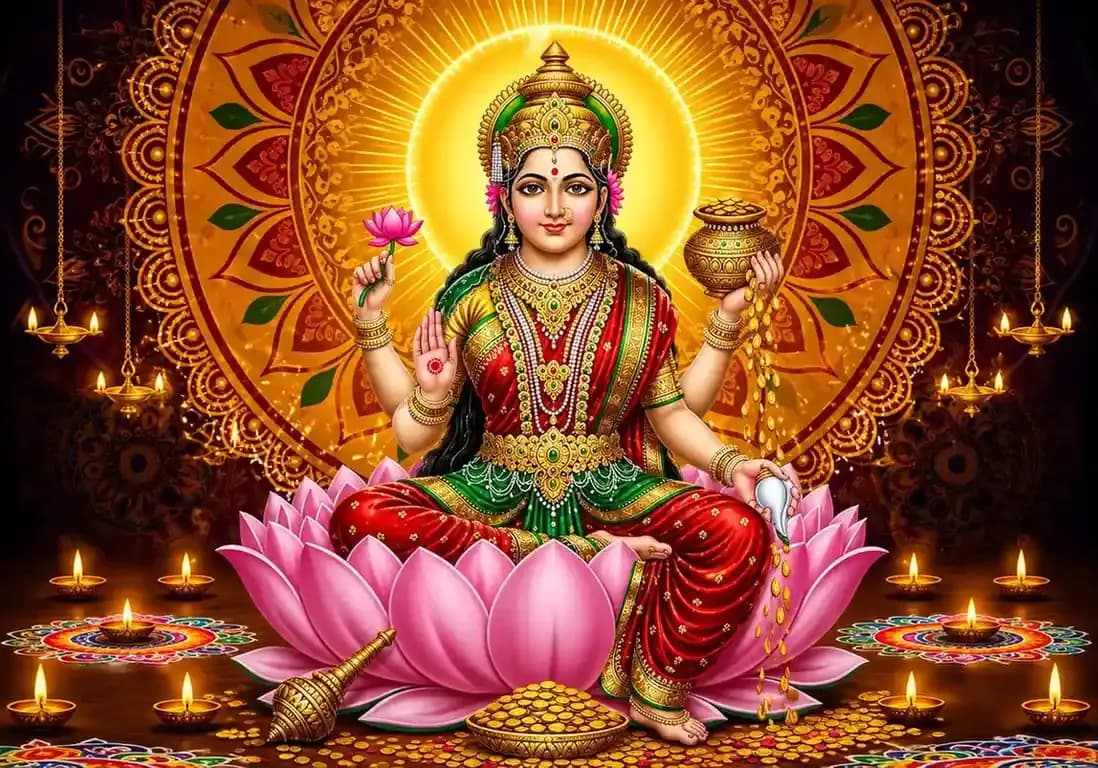
Parivartini Ekadashi 2026: Date, Parana Time, Vrat Vidhi and Story
Around 22-23 September 2026, Parivartini Ekadashi — also called Parsva, Vamana and Jayanti Ekadashi — marks Lord Vishnu turning in his cosmic sleep. Here is the date, vrat vidhi, parana guidance and the traditional katha.
Around 22-23 September 2026, Parivartini Ekadashi — also called Parsva, Vamana and Jayanti Ekadashi — marks Lord Vishnu turning in his cosmic sleep. Here is the date, vrat vidhi, parana guidance and the traditional katha.
Quick answer: Parivartini Ekadashi 2026 is expected around 22-23 September 2026, falling on Bhadrapada Shukla Ekadashi. Also known as Parsva, Vamana and Jayanti Ekadashi, it commemorates the belief that Lord Vishnu turns onto his side during his four-month cosmic sleep (Chaturmas). Devotees keep a fast, worship Vishnu and Vamana, and break the vrat (parana) the next morning after sunrise. Always confirm the exact tithi and parana window with your local panchang.
Parivartini Ekadashi is one of the twenty-four Ekadashis of the Hindu year and one of the most cherished in the month of Bhadrapada. Falling in the bright fortnight (Shukla Paksha), it comes in the middle of Chaturmas — the four-month period when, by tradition, Lord Vishnu rests in his yoga-nidra (cosmic sleep) on the serpent Shesha. The name Parivartini comes from parivartana, meaning 'to turn' or 'to change sides': on this day devotees hold that Vishnu turns from one side to the other in his slumber. Because of this gentle cosmic movement, the day is regarded as spiritually significant for renewing one's devotion midway through the vow-keeping season.
This Ekadashi carries several names, and each is a genuine, separate search term worth knowing. It is called Parsva Ekadashi (parsva meaning 'side', for the turning of the Lord), Vamana Ekadashi (because it falls close to the appearance of Vamana, Vishnu's dwarf avatar), and Jayanti Ekadashi in some regional almanacs. In Telugu, Kannada and Marathi calendars the day is widely observed; North Indian, Gujarati and Tamil traditions each keep their own vrat vidhi with equal validity. Whatever name your family uses, the spirit is the same: fasting, Vishnu-smaranam and charity.
- Festival: Parivartini Ekadashi (Parsva / Vamana / Jayanti Ekadashi)
- Expected date 2026: Around 22-23 September 2026 (confirm local panchang)
- Tithi: Bhadrapada Shukla Paksha Ekadashi
- Presiding deity: Lord Vishnu (and Vamana avatar)
- Season: Chaturmas — Vishnu's four-month cosmic sleep
- Also called: Parsva, Vamana, Jayanti Ekadashi
- Parana: Next morning after sunrise, within the Dwadashi window — check local panchang
Parivartini Ekadashi 2026 date and why it varies
The Ekadashi tithi is calculated by the position of the moon, so the calendar date can shift by a day between regions and even between panchang publishers. For 2026, Bhadrapada Shukla Ekadashi is expected around 22-23 September. Because the tithi may begin on one day and end on the next, some almanacs mark the vrat on the 22nd and others on the 23rd. Vaishnava sampradayas (such as those following smarta versus Sri Vaishnava reckoning) sometimes differ on which day to fast when the tithi is 'viddha' (overlapping). This is normal and each tradition is valid — the safest course is to follow the panchang your family or temple uses.
| Detail | Guidance for 2026 |
|---|---|
| Expected festival window | Around 22-23 September 2026 |
| Lunar month | Bhadrapada (Amanta) / falls in the same fortnight across systems |
| Paksha & tithi | Shukla Paksha, Ekadashi |
| Fast begins | Dashami sunset to Ekadashi (some keep from Ekadashi sunrise) |
| Parana (breaking fast) | Dwadashi morning after sunrise — confirm locally |
| Deities worshipped | Vishnu, Vamana; also Lakshmi in many homes |
If you follow the Amanta (South Indian) system versus the Purnimanta (North Indian) system, the month label can appear different even though this Ekadashi lands in the same lunar fortnight. Our explainer on Amanta vs Purnimanta unpacks why. For a full year-at-a-glance list, see the Ekadashi dates 2026 page.
Parana time: how to break the Parivartini Ekadashi fast
Parana means breaking the Ekadashi fast, and it is done on Dwadashi (the twelfth lunar day), after sunrise the next morning. Tradition holds that the fast should be broken within the first quarter of the day and before the Dwadashi tithi ends, so that the vrat is completed correctly. The exact parana clock time depends entirely on your local sunrise and the moment the Dwadashi tithi concludes in your city — these differ everywhere, so we do not print fixed times here. Please confirm the parana window from a reliable local panchang for your location.
- Wake before sunrise on Dwadashi and complete your morning bath and prayers.
- Offer worship to Lord Vishnu and, where observed, to Vamana, with tulsi, flowers and a lamp.
- Break the fast (parana) after sunrise, within the Dwadashi window your local panchang gives — traditionally not too late in the day.
- Break the fast simply, ideally with something offered to Vishnu first as prasad.
- Complete any planned daan (charity) — food, grain or a gift to those in need — as part of the vrat's merit.
- If you could not fast fully for health or personal reasons, offering prayer and remembrance is a sincere and accepted alternative.
Vrat vidhi: how Parivartini Ekadashi is observed
The vrat vidhi (method of observance) is gentle and centred on Vishnu-smaranam. Preparations begin on Dashami, the day before, when many devotees eat a simple sattvic meal and avoid grains and heavy foods from that evening. On Ekadashi itself, observers keep either a nirjala (waterless) fast, a phalahar (fruit and milk) fast, or a partial fast that avoids rice, grains and beans — the level chosen according to one's health and capacity. Traditions do not require anyone to harm their wellbeing; the vow is about discipline and devotion, not endurance.
- Take a bath at dawn and resolve (sankalpa) to keep the vrat with a calm, devotional mind.
- Set up a clean space with an image or idol of Lord Vishnu; light a lamp and offer tulsi leaves, which are especially dear to Vishnu.
- Recite or listen to the Vishnu Sahasranama, the Parivartini Ekadashi katha, or simply chant 'Om Namo Bhagavate Vasudevaya'.
- Avoid rice, grains and pulses through the day; many also avoid onion and garlic and keep to fruit, milk or water as their capacity allows.
- Spend the day in bhajan, reading and quiet remembrance rather than idle activity; a night vigil (jagaran) is kept by the more devoted.
- Give in charity — anna-daan (food), grain or clothing — which is considered central to the day's merit.
The story of Parivartini Ekadashi (a traditional retelling)
The traditional katha, retold here as narrative rather than verbatim scripture, is set during Chaturmas. Lord Vishnu, having entered his yoga-nidra on the serpent Shesha at the start of the four-month rest, is said to turn onto his side on this Ekadashi — hence 'Parivartini', the turning. The tale is closely linked to Vamana, Vishnu's dwarf avatar, which is why the day is also called Vamana Ekadashi. In the well-loved Vamana narrative, the mighty king Bali had, through devotion and generosity, gained sovereignty over the three worlds. To restore balance, Vishnu descended as the small brahmin boy Vamana and asked Bali for only three paces of land.
Bali, true to his generous nature, granted the request. Vamana then grew to a cosmic form and covered the earth and the heavens in two strides. For the third pace there was nowhere left but Bali's own head, and Bali humbly offered it, bowing before the Lord. Pleased by Bali's unwavering devotion and honesty, Vishnu did not destroy him but blessed him and granted him rulership of the netherworld (Patala), promising to remain near him. Devotees recall this story on Parivartini Ekadashi as a reminder that sincere surrender and generosity are honoured, and that the divine turns toward those who give with a pure heart.
Because Parivartini Ekadashi sits in the heart of Bhadrapada and Chaturmas, it is one of a cluster of important observances in this month. To see how it connects with the wider season, read our Bhadrapada month pillar and the full September 2026 Hindu festival calendar.
Related reading
- Bhadrapada Masam 2026 — month guide
- Ekadashi dates 2026 — full list
- September 2026 Hindu festival calendar
- Anant Chaturdashi 2026
- Amanta vs Purnimanta explained
- Which panchang should NRIs follow?
Frequently Asked Questions
When is Parivartini Ekadashi in 2026?
Parivartini Ekadashi 2026 is expected around 22-23 September 2026, on Bhadrapada Shukla Paksha Ekadashi. Because the tithi can span two calendar days, some panchangs mark it on the 22nd and others on the 23rd. Confirm the exact date with your local panchang or temple.
Why is it called Parivartini Ekadashi?
The name comes from parivartana, meaning 'to turn'. Tradition holds that during Chaturmas, Lord Vishnu rests in cosmic sleep on the serpent Shesha, and on this Ekadashi he turns from one side to the other. This gentle turning gives the day its name and its special significance.
What are the other names of this Ekadashi?
It is also called Parsva Ekadashi (parsva means 'side'), Vamana Ekadashi (because it falls near the appearance of Vishnu's Vamana avatar), and Jayanti Ekadashi in some regional almanacs. All refer to the same Bhadrapada Shukla Ekadashi and are valid across different traditions.
What is the parana time for Parivartini Ekadashi 2026?
Parana is done on Dwadashi, after sunrise the next morning, traditionally within the early part of the day and before the Dwadashi tithi ends. The exact clock time depends on your local sunrise, so we do not print fixed times. Please confirm the parana window from a reliable local panchang.
How do I observe the Parivartini Ekadashi vrat?
Begin light eating on Dashami, then on Ekadashi keep a fast at the level your health allows — nirjala, fruit-and-milk, or grain-free. Worship Vishnu with tulsi and a lamp, recite his names or the katha, avoid rice and pulses, give in charity, and break the fast on Dwadashi after sunrise.
Can I keep the fast if I have health issues?
Yes. The vrat is about devotion and discipline, not endurance. Those with health conditions, who are elderly, pregnant, or unable to fast fully may keep a partial fast or simply offer prayer, remembrance and charity. Traditions do not require anyone to harm their wellbeing, and a sincere heart is what matters.
Is Parivartini Ekadashi connected to Vamana?
Yes. The day is closely linked to Vamana, Vishnu's dwarf avatar, which is why it is also called Vamana Ekadashi. The traditional katha recalls how Vamana measured the three worlds and honoured King Bali's devotion and generosity, blessing him rather than destroying him.
Does the date differ by region or tradition?
Yes, and each is valid. The Ekadashi tithi is fixed by the moon, but calendar dates can shift by a day between regions and panchang publishers, and some Vaishnava sampradayas differ on which day to fast when the tithi overlaps. Follow the panchang your family or temple uses.
You might also like
Rama Ekadashi 2026: Date, Vrat Katha, Puja Vidhi & Significance
Champa Shashthi 2026: Date, Khandoba Worship & Jejuri's Golden Festival
Kati Bihu 2026: Date, Rituals & Assam's Festival of Earthen Lamps