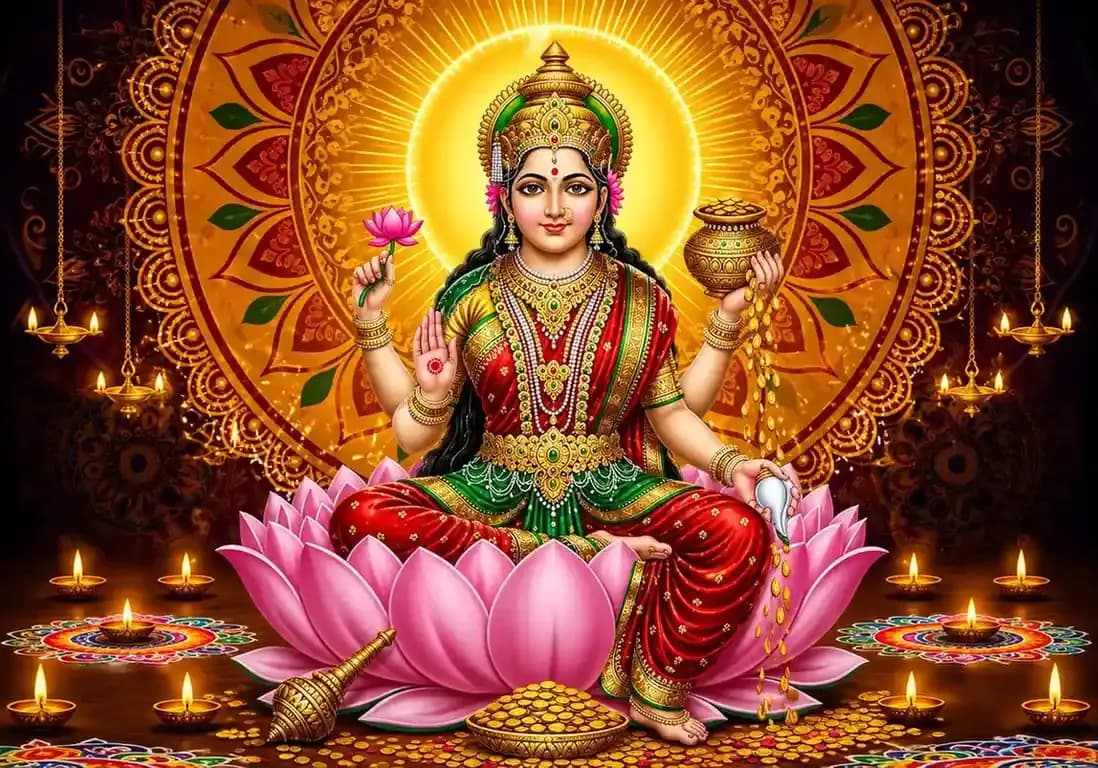
Subrahmanya Shashti / Skanda Shashti 2026: Date, Vidhi and How to Worship Lord Muruga
Subrahmanya Shashti, the Margashirsha festival of Lord Muruga (Skanda), falls on 15 December 2026. Here is the date, tithi window, puja vidhi and regional traditions.
Subrahmanya Shashti, the Margashirsha festival of Lord Muruga (Skanda), falls on 15 December 2026. Here is the date, tithi window, puja vidhi and regional traditions.
Quick answer: Subrahmanya Shashti, also called Skanda Shashti or Champa Shashti, falls on Tuesday, 15 December 2026. It is the Shashti tithi of the Shukla Paksha in the Margashirsha month, honouring Lord Muruga (Skanda) and his victory over the demon Tarakasura.
Subrahmanya Shashti — known in different regions as Skanda Shashti, Champa Shashti or Kukke Subramanya Shashti — is a festival devoted to Lord Muruga, the six-faced son of Shiva and Parvati worshipped as Skanda, Kartikeya and Subrahmanya. In 2026 it falls on Tuesday, 15 December, on the Shashti (sixth) tithi of the bright fortnight in the Margashirsha month. The festival commemorates the tradition in which Muruga, born to lead the celestial armies, vanquished the demon Tarakasura and his brothers, restoring dharma. For devotees across South and Western India, the day is one of fasting, temple visits and quiet devotion to the Lord invoked as the giver of courage.
Quick Facts: Subrahmanya Shashti / Skanda Shashti 2026
- FestivalSubrahmanya Shashti / Skanda Shashti / Champa Shashti
- DeityLord Muruga (Skanda / Subrahmanya / Kartikeya)
- DateTuesday, 15 December 2026
- TithiMargashirsha Shukla Paksha Shashti
- Month (Amanta)Margashirsha
- Also known asChampa Shashti, Kukke Subramanya Shashti
- Main regionsKarnataka, Telangana, Andhra Pradesh, Maharashtra, Tamil Nadu
Date and Tithi Window in 2026
By most widely used panchangs, the Shashti tithi in Margashirsha begins on the evening of 14 December 2026 and ends on the evening of 15 December 2026, so the festival is observed on Tuesday, 15 December 2026. Because a tithi is a lunar day that does not line up with the 24-hour clock, some panchangs anchor the observance to sunrise (udaya tithi) on the 15th while a few families begin fasting from the previous evening. Amanta and Purnimanta calendars name the lunar months differently, but for Margashirsha Shukla Shashti both reckonings arrive at the same festival day in 2026. Where your local panchang, temple almanac or family tradition marks a slightly different clock window for the tithi, follow that practice — the differences are genuine and neither reckoning is 'wrong'. Any specific muhurat clock time should be confirmed with your temple or family panchang. [VERIFY]
Skanda Shashti vs Subrahmanya Shashti: Are They the Same?
This is a common point of confusion. In Tamil Nadu, 'Skanda Sashti' (Soorasamharam) is a six-day observance in the Tamil month of Aippasi (October–November), culminating in the re-enactment of Muruga's slaying of Soorapadman. The festival on 15 December 2026 is the Margashirsha Subrahmanya Shashti — also called Champa Shashti — observed prominently in Karnataka, Telangana, Andhra Pradesh and Maharashtra. Both honour Lord Muruga, but they fall in different months and follow different regional customs.
Puja Vidhi: How to Worship Lord Muruga on Shashti
The following outlines a simple, traditional home worship. Adapt it to your family and temple practice; there is no single mandatory format.
- Wake early, bathe, and clean the puja space; keep an image or idol of Lord Muruga (Skanda) facing east or north.
- Light a lamp and incense, and offer fresh flowers — red and yellow blooms are traditionally favoured for Muruga.
- Offer water (arghya), sandal paste, kumkum and vibhuti, and place his vel (spear) or a symbolic representation if you keep one.
- Recite the Subrahmanya or Skanda stotras and the Shashti Kavacham as per your tradition; chant 'Om Saravanabhavaya Namah' or 'Om Sharavanabhava'.
- Offer naivedya such as fruit, jaggery, panchamrit or traditional sweets, then distribute it as prasad.
- Perform aarti, seek blessings, and if fasting, break the fast after the evening puja or on the next morning as per family custom.
Fasting (Vrat) on Shashti
Many devotees observe a fast (vrat) on Shashti, ranging from a strict nirjala (waterless) fast to a simple satvik meal without grains, onion or garlic. Some keep a partial fast and eat fruit, milk or a single meal after the evening puja. The vrat is traditionally believed to bring the Lord's blessings of courage, protection and well-being — presented here as tradition, not as any guaranteed outcome.
Anyone with a medical condition, or who is pregnant, should consult a doctor before fasting. Choose the form of observance that is safe for you; devotion is not measured by hardship, and temple priests routinely advise a moderate fast where health requires it.
Who Observes and How
Traditional views on who observes the Shashti vrat vary by region and family. Many households have men, women, married and unmarried devotees all keeping it; some families associate the vrat especially with parents praying for children's well-being, while others observe it simply as devotion to Muruga. Contemporary practice is broad and inclusive.
- Devotees of Lord Muruga across all ages keep the fast and visit Subrahmanya temples.
- Families often perform the puja together, with children participating in aarti and prasad.
- Those unable to fast for health reasons offer prayers, lamp and flowers instead — a widely accepted alternative.
- Where your family or temple prescribes a particular form of the vrat, follow that practice.
Regional Variations
| Region | How It Is Observed |
|---|---|
| Karnataka | Champa Shashti; grand celebrations at Kukke Subramanya, associated with worship of the serpent form of Subrahmanya. |
| Telangana & Andhra Pradesh | Subrahmanya Shashti in Margashirsha; temple visits, Subramanya Swamy worship and Naga (serpent) reverence. |
| Maharashtra | Champa Shashti, linked with the Khandoba tradition at Jejuri and the end of the six-day Champa Shashti observance. |
| Tamil Nadu | The major Skanda Sashti (Soorasamharam) is in Aippasi (Oct–Nov); Margashirsha Shashti is observed more quietly. |
Temples and Prominent Kshetras
Kukke Subramanya (Karnataka), the six Padai Veedu (battle camps) of Muruga in Tamil Nadu, Mopidevi and other Subrahmanya temples in Andhra Pradesh and Telangana, and Jejuri in Maharashtra draw large crowds on Shashti. If you plan to visit, check the temple's own schedule and any darshan arrangements directly, as programmes vary year to year.
Mantras and Stotras
Devotees commonly chant the simple Muruga mantra 'Om Saravanabhavaya Namah' and the seed mantra 'Sharavanabhava'. The Skanda Shashti Kavacham, a longer traditional Tamil hymn by Devaraya Swamigal, is widely recited on this day; because it is long, we describe rather than reproduce it — printed and temple-approved texts are readily available. Use only traditional public-domain stotras for recitation.
Frequently Asked Questions
When is Subrahmanya Shashti / Skanda Shashti in 2026?
It falls on Tuesday, 15 December 2026, on the Margashirsha Shukla Paksha Shashti tithi. The Shashti tithi runs from the evening of 14 December to the evening of 15 December by most panchangs; follow your family or temple almanac for exact timings.
Is Subrahmanya Shashti the same as the Tamil Skanda Sashti?
They honour the same deity, Lord Muruga, but differ. The Tamil Skanda Sashti (Soorasamharam) is a six-day festival in Aippasi (October–November). The festival on 15 December 2026 is the Margashirsha Subrahmanya Shashti, also called Champa Shashti.
Which deity is worshipped on this day?
Lord Muruga, worshipped as Skanda, Subrahmanya and Kartikeya — the six-faced son of Shiva and Parvati. The day commemorates his victory over the demon Tarakasura and his role as commander of the celestial armies.
How is the puja performed at home?
Bathe early, set up an image of Muruga facing east or north, light a lamp, offer flowers, kumkum and vibhuti, chant Skanda stotras and 'Om Saravanabhavaya Namah', offer naivedya, and conclude with aarti. Adapt to your family and temple custom.
Can I keep a fast if I have a health condition?
Anyone with a medical condition, or who is pregnant, should consult a doctor before fasting. Many devotees keep a partial or fruit-and-milk fast instead of a strict one, and offering prayers, lamp and flowers is a widely accepted alternative.
Who can observe the Shashti vrat?
Traditional and contemporary practice is broad — men, women, married and unmarried devotees all observe it in various regions. There is no single rule; follow your family and temple practice, and choose an observance that is safe for you.
What mantras are recited on Skanda Shashti?
Common recitations include 'Om Saravanabhavaya Namah', the seed mantra 'Sharavanabhava', and the traditional Skanda Shashti Kavacham. Use only traditional public-domain stotras from printed or temple-approved sources.
Where is Subrahmanya Shashti celebrated most prominently?
Notably at Kukke Subramanya in Karnataka, Subrahmanya temples in Telangana and Andhra Pradesh, and Jejuri in Maharashtra (as Champa Shashti). Check each temple's own schedule directly if you plan to visit, as programmes vary.
You might also like
Rama Ekadashi 2026: Date, Vrat Katha, Puja Vidhi & Significance

Champa Shashthi 2026: Date, Khandoba Worship & Jejuri's Golden Festival
Kati Bihu 2026: Date, Rituals & Assam's Festival of Earthen Lamps