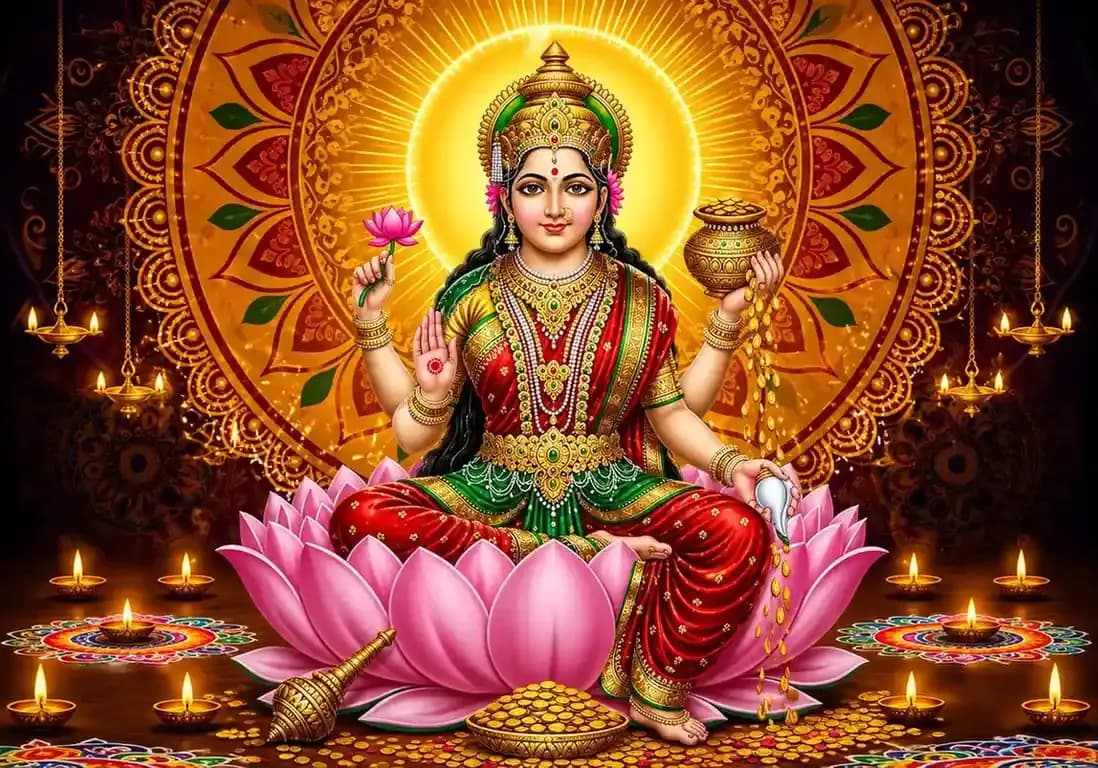
Vaikunta Ekadashi 2026: Date, Vaikunta Dwaram Darshan, Fast and Parana
Vaikunta Ekadashi 2026, also called Mukkoti Ekadashi, is on Sunday, 20 December 2026. Here is the date, tithi, Vaikunta Dwaram darshan, fasting and parana guidance.

Vaikunta Ekadashi 2026, also called Mukkoti Ekadashi, is on Sunday, 20 December 2026. Here is the date, tithi, Vaikunta Dwaram darshan, fasting and parana guidance.
Quick answer: Vaikunta Ekadashi 2026, also known as Mukkoti Ekadashi, falls on Sunday, 20 December 2026. It is the Shukla Paksha Ekadashi of the Dhanurmasa (Margashirsha–Pausha) period, when the Vaikunta Dwaram is traditionally opened for darshan in Vishnu temples across South India.
Vaikunta Ekadashi, known in Telugu and Tamil regions as Mukkoti Ekadashi, is among the most revered of the year's twenty-four Ekadashis. Devotees believe that on this day the Vaikunta Dwaram — the gateway to Lord Vishnu's celestial abode — is thrown open, and passing through the temple's northern gate is treated as a symbolic step toward liberation.
In 2026 this Ekadashi falls on Sunday, 20 December 2026 [VERIFY panchang]. It is the Shukla Paksha Ekadashi of the Dhanur (Dhanus) solar month, and is observed with a day-long fast, night vigil and early-morning darshan.
Vaikunta Ekadashi 2026 quick facts
- FestivalVaikunta Ekadashi (Mukkoti Ekadashi)
- DateSunday, 20 December 2026 [VERIFY panchang]
- TithiShukla Paksha Ekadashi, Dhanurmasa
- DeityLord Vishnu (as Sri Ranganatha / Venkateswara)
- Key observanceDay fast, night vigil, Vaikunta Dwaram darshan
- RegionsTamil Nadu, Andhra Pradesh, Telangana, Karnataka, Kerala and the diaspora
- Also calledMukkoti Ekadashi, Swarga Vathil Ekadashi, Putrada Ekadashi (in some reckonings)
Date and tithi: why panchangs can differ
Ekadashi is a lunar tithi, and a tithi does not begin and end at midnight. The Ekadashi tithi for December 2026 straddles two calendar dates, with the exact start and end clock times varying by city and by the panchang you follow [VERIFY panchang]. Most South Indian temple traditions fix Vaikunta Ekadashi on Sunday, 20 December 2026. Because Amanta (South Indian) and Purnimanta (North Indian) month reckonings label the lunar month differently, some almanacs describe this Ekadashi under Margashirsha and others under Pausha, even while pointing to the same tithi. Neither labelling is 'wrong' — they are two valid systems. For the precise sunrise-linked observance date and parana window in your city, follow your family purohit or your temple's published panchang.
The significance of Vaikunta Dwaram
The heart of this festival is the Vaikunta Dwaram, or 'Gate of Paradise' — the northern doorway of the sanctum through which devotees are permitted to pass only on this one day. At Srirangam's Sri Ranganathaswamy temple the Paramapada Vasal is opened; at Tirumala, Tirupati and many Venkateswara and Vishnu temples a special northern gate is opened for the Vaikunta Dwara darshan. Traditionally, passing through this gate is understood as an aspiration toward Vaikunta, the abode of Vishnu — presented here as tradition and devotional belief, not a guaranteed outcome.
How to observe Vaikunta Ekadashi: puja vidhi
- Wake before sunrise, bathe, and wear clean clothes; set a sankalpa (resolve) to observe the Ekadashi vrat for the day.
- Clean the puja space and place an image or idol of Lord Vishnu, offering a lamp, incense, tulsi leaves and flowers.
- Recite or listen to Vishnu stotras such as the Vishnu Sahasranama, and chant 'Om Namo Narayanaya' or 'Om Namo Bhagavate Vasudevaya' through the day.
- Where a temple opens the Vaikunta Dwaram, join the darshan queue for the northern-gate crossing at the time your temple announces.
- Keep the fast as your health and family tradition allow, and stay awake for the night vigil (jagarana) with bhajan and Vishnu-katha.
- Break the fast (parana) the next morning, on Dwadashi, within the window your local panchang gives, after offering the meal to Vishnu.
Fasting: rules and gentle guidance
Observance ranges from a nirjala (waterless) fast, to a phalahara fast on fruit, milk and permitted foods, to simply avoiding rice and grains for the day. Many households avoid rice on Ekadashi and eat a single sattvic meal, while stricter practitioners fast fully and break it only at parana.
Fasting is a personal and traditional choice. Anyone who is pregnant, elderly, unwell, or living with a medical condition such as diabetes should consult a doctor before undertaking any fast, and there is no obligation to keep a strict or waterless fast. Choose the form of observance that is safe for you.
Parana: breaking the fast
The vrat is completed with parana on Dwadashi, the day after Ekadashi — that is, on Monday, 21 December 2026 [VERIFY panchang] for those who fast on the 20th. Parana should be done after sunrise and within the prescribed window, ideally before the Dwadashi tithi ends. Do not fabricate a clock time; check your city's panchang or ask your temple for the exact parana window [VERIFY].
Who observes, and how
Traditionally Vaikunta Ekadashi is observed across the community — men and women, married and unmarried, young and old — as a day of Vishnu bhakti. Some families follow the view that not everyone need keep the full fast; others encourage all able members to fast. Rather than exclude or prescribe, the guidance is to follow your family custom and your temple's practice, and to let children, the elderly and the unwell observe in a gentler form.
Regional variations
- Tamil Nadu: Called Vaikunta Ekadashi or Swarga Vathil Ekadashi; the Paramapada Vasal at Srirangam and northern gates at other Vishnu temples are opened for darshan.
- Andhra Pradesh and Telangana: Known as Mukkoti Ekadashi; Tirumala's Vaikunta Dwara darshan draws very large crowds, and homes keep the fast with Vishnu puja.
- Karnataka: Observed in Vaishnava temples with special darshan and Vishnu Sahasranama recitation.
- Kerala: Marked at Vishnu and Krishna temples with early darshan and vrat.
- Diaspora: Vaishnava and ISKCON temples worldwide hold darshan, bhajan and Ekadashi programmes on or around the local calendar date.
Mantras and planning your temple visit
Devotees traditionally chant simple Vishnu mantras through the day, such as 'Om Namo Narayanaya' and 'Om Namo Bhagavate Vasudevaya'. Many also recite the Vishnu Sahasranama, the thousand names of Vishnu; because it is a very long stotra, temples and households often play or read it in full rather than expecting it from memory. Use traditional, public-domain texts, and follow the recitation your temple or purohit recommends.
Vaikunta Dwara darshan draws enormous crowds at major temples, and gates, queue systems and timings are set by each temple afresh every year. Confirm the darshan schedule and any token or queue arrangements directly from your temple's official announcements before you travel — do not rely on unverified timings.
Frequently Asked Questions
When is Vaikunta Ekadashi 2026?
Vaikunta Ekadashi (Mukkoti Ekadashi) 2026 falls on Sunday, 20 December 2026 [VERIFY panchang]. It is the Shukla Paksha Ekadashi of the Dhanur solar month; the exact tithi start and end times vary by city.
What is the difference between Vaikunta Ekadashi and Mukkoti Ekadashi?
They are the same festival. 'Vaikunta Ekadashi' is common in Tamil Nadu and Vaishnava tradition, while 'Mukkoti Ekadashi' is the name used in Andhra Pradesh and Telangana. Both mark the opening of the Vaikunta Dwaram.
What is the Vaikunta Dwaram?
The Vaikunta Dwaram is the northern gate of the temple sanctum, opened only on this day. Passing through it is traditionally seen as a step toward Vaikunta, Vishnu's abode. It is a devotional belief, not a guaranteed outcome.
How should I fast on Vaikunta Ekadashi?
Observance ranges from a full or waterless fast to a fruit-and-milk phalahara fast or simply avoiding rice and grains. Choose what suits you. Anyone pregnant, elderly or with a medical condition should consult a doctor first.
When is the parana (breaking the fast)?
Parana is done on Dwadashi, the day after Ekadashi — around Monday, 21 December 2026 [VERIFY panchang] — after sunrise and within the window your local panchang specifies. Check your city's panchang for the exact time.
Which temples open the Vaikunta Dwaram?
Major Vishnu temples including Srirangam's Sri Ranganathaswamy temple (the Paramapada Vasal) and Tirumala Tirupati open a northern gate for Vaikunta Dwara darshan, as do many Venkateswara and Vishnu temples across South India and the diaspora.
Can women and unmarried people observe Vaikunta Ekadashi?
Traditionally the vrat is observed across the community — men and women, married and unmarried. Practice varies by family; follow your family custom and temple guidance, and let children, the elderly and the unwell observe in a gentler form.
Which mantras are recited on Vaikunta Ekadashi?
Devotees chant Vishnu mantras such as 'Om Namo Narayanaya' and 'Om Namo Bhagavate Vasudevaya', and many recite the Vishnu Sahasranama. Use traditional public-domain texts and follow your temple or purohit's guidance.
You might also like
Rama Ekadashi 2026: Date, Vrat Katha, Puja Vidhi & Significance
Champa Shashthi 2026: Date, Khandoba Worship & Jejuri's Golden Festival
Kati Bihu 2026: Date, Rituals & Assam's Festival of Earthen Lamps