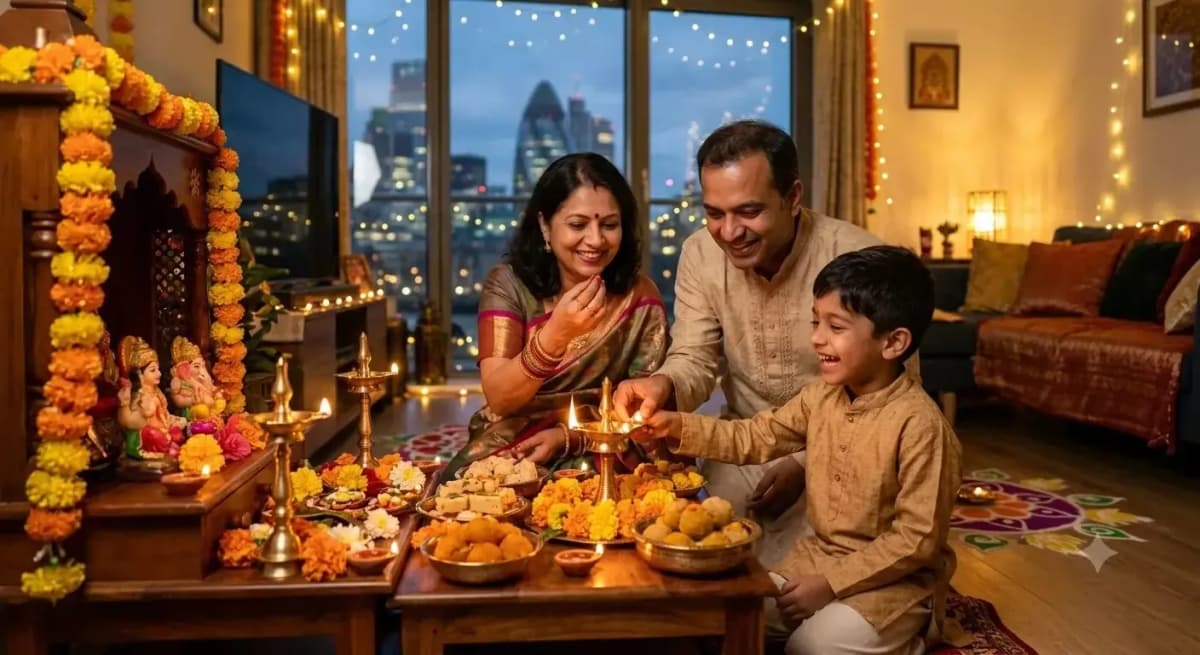
Vamana Jayanti 2026: Date, Story, Puja Vidhi and Significance
Vamana Jayanti 2026 celebrates Vishnu's fifth avatar, the dwarf-Brahmin Vamana, and the humbling of the generous King Bali. Here is the date, story, puja vidhi and its quiet link to Onam.
Vamana Jayanti 2026 celebrates Vishnu's fifth avatar, the dwarf-Brahmin Vamana, and the humbling of the generous King Bali. Here is the date, story, puja vidhi and its quiet link to Onam.
Quick answer: Vamana Jayanti 2026 is expected around 23 September 2026, on Bhadrapada Shukla Dwadashi (confirm the exact tithi with your local panchang). It marks the appearance of Vamana, the fifth avatar of Vishnu, born as a dwarf Brahmin who measured the universe in three steps and blessed the devoted King Bali.
Vamana Jayanti honours the fifth avatar (dashavatara) of Bhagavan Vishnu, who descended as Vamana, a small Brahmin boy, during the reign of the benevolent asura king Mahabali. Falling in the bright fortnight of Bhadrapada month, the day is observed with fasting, Vishnu puja and the retelling of one of the most beloved katha in the Puranas. In 2026, Vamana Jayanti is expected around 23 September, on Bhadrapada Shukla Dwadashi. Because tithi timings shift by region and by Amanta or Purnimanta reckoning, always confirm the exact date and any fasting or parana window with a reliable local panchang.
The festival carries two readings that many families hold side by side. In much of North and Central India it is a Vamana-centred day celebrating the Lord's clever, compassionate avatar. In Kerala the same legend of King Bali flowers into Onam, a Bali-centred harvest festival welcoming the good king home. Both readings are equally valid and beautifully complementary, and this article gives space to each.
- Festival: Vamana Jayanti (Vamana Dwadashi)
- Deity: Bhagavan Vishnu as Vamana, the fifth avatar
- Tithi: Bhadrapada Shukla Dwadashi
- Expected date 2026: Around 23 September 2026 (confirm local panchang)
- Also known as: Vamana Dwadashi; linked to Onam in Kerala
- Common observance: Fasting, Vishnu puja, reading the Bali katha, charity
When is Vamana Jayanti 2026?
Vamana Jayanti is tied to the Dwadashi (twelfth tithi) of the Shukla Paksha (waxing fortnight) in the month of Bhadrapada. In 2026 this is expected to fall around 23 September. The tithi may begin on one civil day and end on the next, so whether your household observes it on the 22nd or 23rd depends on which panchang and which sunrise-based rule your family follows. This is a good moment to understand the difference between the Amanta and Purnimanta calendars, which can shift the naming of the lunar month.
| Detail | Reference for 2026 |
|---|---|
| Month | Bhadrapada (Shukla Paksha) |
| Tithi | Dwadashi (twelfth) |
| Expected Gregorian date | Around 23 September 2026 |
| Primary avatar | Vamana, fifth of the dashavatara |
| Regional twin festival | Onam (Kerala), Bali-centred |
| Confirm with | Your local / regional panchang |
Vamana Jayanti sits close to other Bhadrapada observances such as Anant Chaturdashi and the Ekadashi that precedes the Dwadashi, so many devotees plan their fast and worship as part of a small cluster of days. Some keep the Ekadashi fast and break it appropriately before beginning the Vamana Dwadashi worship.
The story of Vamana and King Bali
The katha below is a narrative retelling drawn from the Puranic tradition, not a verbatim quotation of scripture. Mahabali, grandson of the great devotee Prahlada, was a righteous and extraordinarily generous asura king. Through devotion, penance and conquest he grew so powerful that his sway extended across the three worlds. The devas, displaced from their realm, appealed to Vishnu. Rather than meet Bali with force, the Lord chose a path shaped by dharma and Bali's own great virtue: generosity.
Vishnu descended as Vamana, a radiant young Brahmin of very small stature, and arrived at a grand yajna where Bali was giving gifts to all who asked. Bali, delighted to receive such a guest, offered him anything he wished. Vamana asked only for as much land as he could cover in three steps. Bali's wise preceptor Shukracharya sensed the guest's true nature and warned the king, but Bali, unwilling to break a promise made in charity, honoured his word. As soon as the gift was granted, Vamana grew to a cosmic form. With one step he measured the earth, with the second the heavens, and then asked where he should place the third.
Having nothing left to give, Bali bowed his own head and offered it for the third step. The Lord, moved by such surrender and truthfulness, placed his foot gently upon Bali and blessed him. In most tellings Bali is granted rulership of Sutala (or Patala) and the boon that he may return once each year to see the people who loved him. That annual homecoming is the heart of Onam. This is a story not of defeat but of a devotee whose generosity was so complete that the Lord himself became his doorkeeper.
The connection to Onam in Kerala
In Kerala the same legend is celebrated as Onam, the great harvest festival. Here the emotional centre is Mahabali (affectionately Maveli), the beloved just king whose reign is remembered as a golden age of equality and plenty. Onam marks his yearly visit home, and families welcome him with the flower carpet (pookalam), the grand feast (Onam sadya), boat races, and songs recalling his fair rule. The North Indian Vamana-centred reading and the Kerala Bali-centred reading are two faces of one story, and holding both enriches the day.
- Vamana-centred reading: focus on Vishnu's compassionate fifth avatar and the triumph of humility.
- Bali-centred reading (Onam): focus on the good king's virtue, generosity and his yearly return.
- Shared heart: a promise kept, complete surrender, and a blessing greater than any kingdom.
- Regional forms: North Indian and Central Indian Vamana puja; Kerala's Onam sadya and pookalam.
Vamana Jayanti puja vidhi
Puja style varies by family, sampradaya and region, and all sincere approaches are valid. The outline below is a simple, widely followed sequence. Adjust it to your tradition and your local panchang, and do not treat any single step as mandatory.
- Wake early, bathe, and take a sankalpa (resolve) to observe the day for Bhagavan Vishnu as Vamana.
- Clean the puja space and set up an image or picture of Vamana or Vishnu; many keep a fast (nirjala or phalahar) as their tradition allows.
- Offer water, flowers, tulsi, sandal paste, incense, a lamp and naivedya, invoking Vishnu with names such as Om Namo Bhagavate Vasudevaya.
- Read or listen to the Vamana katha and, where your tradition includes it, portions of the Bhagavata that narrate the avatar.
- Give dana (charity) in Vamana's spirit of honouring the giver; food, grain or support to those in need is especially cherished.
- Conclude with aarti, and break the fast at the appropriate time as guided by your local panchang.
The Raksha Bandhan mantra link
There is a quiet thread connecting this legend to Raksha Bandhan. The well-known protection verse recited while tying the rakhi begins Yena baddho Bali raja danavendro mahabalah, meaning roughly, By that (thread) with which the mighty king Bali, lord of the danavas, was bound. It recalls how Bali was bound not by force but by his own word and by the Lord's grace, and it invokes that same steadfast protection for the one who wears the thread. Remembering this on Vamana Jayanti deepens the sense that binding and surrender here are acts of love, not conquest.
Significance of Vamana Jayanti
At its core, Vamana Jayanti is a meditation on humility, truthfulness and the beauty of a promise kept. Bali loses his kingdom yet gains the Lord as his guardian; smallness (the dwarf form) contains the whole cosmos. Traditions hold that observing the day with devotion cultivates generosity and steadiness of mind. These are offered as spiritual and ethical fruits of practice, not as guaranteed material outcomes. The day invites each devotee to give freely, keep their word, and trust that surrender is met with grace.
Related reading
Frequently Asked Questions
When is Vamana Jayanti in 2026?
Vamana Jayanti 2026 is expected around 23 September 2026, on Bhadrapada Shukla Dwadashi. Tithi timings vary by region and calendar system, so please confirm the exact date and any fasting window with a reliable local panchang.
Who is Vamana?
Vamana is the fifth avatar of Bhagavan Vishnu, who appeared as a small Brahmin boy during the reign of King Mahabali. He measured the three worlds in three steps and blessed the devoted, generous king.
What is the story of the three steps?
Vamana asked King Bali for only three steps of land. When granted, he grew to cosmic size, covering the earth with one step and the heavens with the second. Bali offered his own head for the third, and the Lord blessed him for his surrender.
How is Vamana Jayanti connected to Onam?
The same legend of King Bali is celebrated in Kerala as Onam. Onam is a Bali-centred harvest festival welcoming the good king home each year, while much of North India keeps a Vamana-centred day. Both readings are equally valid.
How do you perform Vamana Jayanti puja?
Bathe early, take a sankalpa, and worship Vamana or Vishnu with water, flowers, tulsi, a lamp and naivedya. Many fast, read the Vamana katha, give charity in Vamana's spirit, and conclude with aarti, breaking the fast per the local panchang.
What is the Yena baddho Bali raja mantra?
It is the traditional protection verse recited while tying the rakhi on Raksha Bandhan, recalling how King Bali was bound by his own word and the Lord's grace. It invokes steadfast protection for the wearer of the thread.
Is fasting required on Vamana Jayanti?
Fasting is a common and cherished observance but is a personal and family choice, not an obligation. Some keep a nirjala or phalahar fast, others simply worship and give charity. Follow your tradition and health needs.
Which panchang should I follow for the date?
Follow a reliable regional panchang aligned with your family tradition and your Amanta or Purnimanta reckoning. Because the Dwadashi tithi can straddle two civil days, your local panchang gives the correct observance date and any parana timing.
You might also like
Rama Ekadashi 2026: Date, Vrat Katha, Puja Vidhi & Significance

Jagaddhatri Puja 2026: Dates, Chandannagar's Dazzling Lights & Significance
Champa Shashthi 2026: Date, Khandoba Worship & Jejuri's Golden Festival