

Varalakshmi Vratam Fasting Rules: What to Eat and What to Avoid
A practical guide to Varalakshmi Vratam fasting — what to eat, what to avoid, the levels of fasting, when to break the fast, and how to observe it on a working Friday.
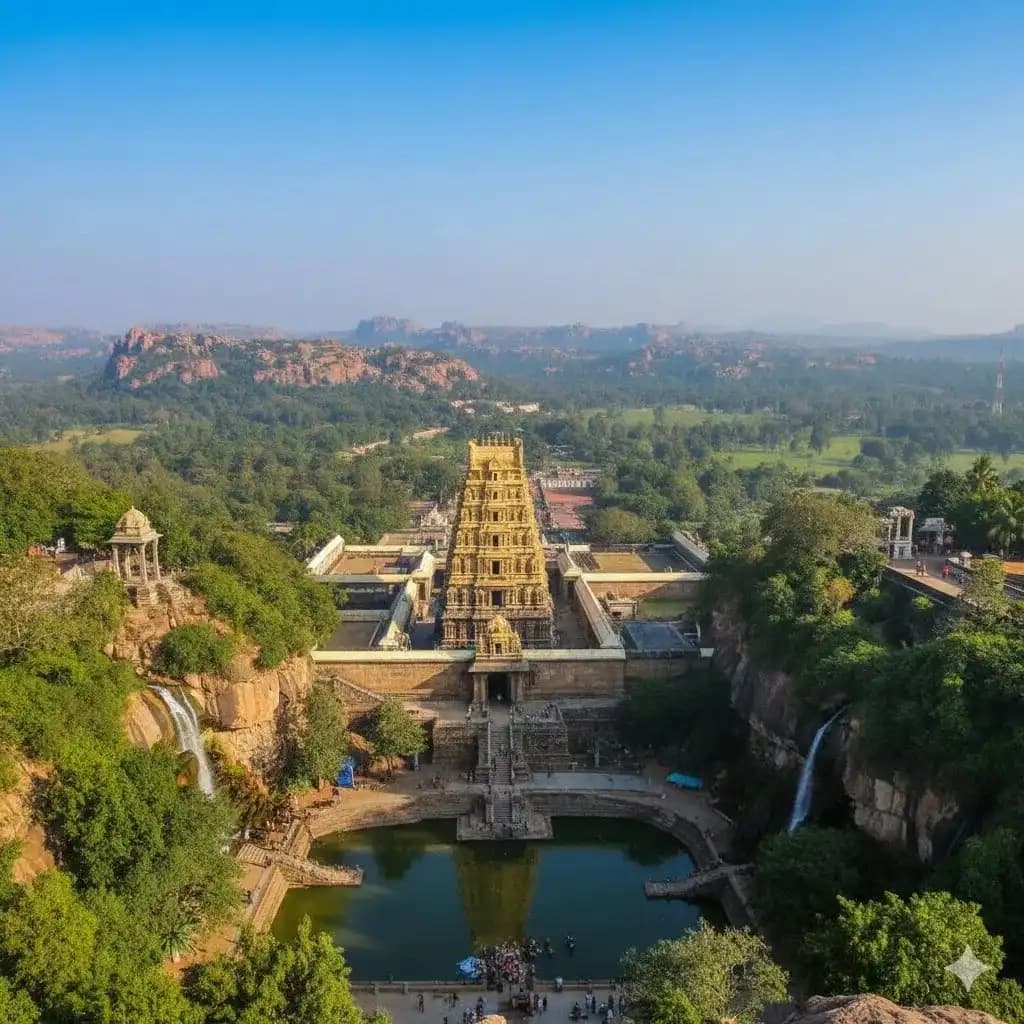
A practical guide to Varalakshmi Vratam fasting — what to eat, what to avoid, the levels of fasting, when to break the fast, and how to observe it on a working Friday.
Quick answer: Varalakshmi Vratam fasting is traditionally observed on the Friday before the Sravana full moon — Friday 21 August 2026 in most Telugu, Tamil and Kannada panchangs, and 28 August 2026 in some. Common practice is a phalahar (fruit-and-milk) fast or a single sattvic meal after the puja, avoiding grains, onion, garlic, alcohol and non-vegetarian food. Follow your family and local-temple tradition.
Varalakshmi Vratam is one of the most cherished observances of Sravana Masam, when married women (and increasingly many others who feel called to it) worship Goddess Lakshmi as the giver of well-being and auspiciousness. Fasting is central to the vratam, but the word "fast" means very different things in different families. Some keep a strict nirjala (waterless) discipline until the puja is complete, some take fruits and milk through the day, and many simply eat one sattvic meal after offering worship. All of these are traditionally accepted.
Before anything else, note the date. Varalakshmi Vratam 2026 falls on Friday 21 August 2026 according to most Telugu, Tamil and Kannada panchangs, and on Friday 28 August 2026 according to some panchangs. Neither is "wrong" — the difference comes from how the Sravana Sukla Paksha Friday is reckoned. Please follow your family, kula and local-temple tradition. See our detailed guide to the 21 or 28 August 2026 date for how to decide.
Why fasting is part of Varalakshmi Vratam
In the Hindu tradition, a vratam is a vow of self-discipline undertaken as an offering. Fasting (upavasa) is understood as a way of keeping the mind and body light and sattvic so that attention can rest on the Goddess rather than on food and comfort. The tradition frames fasting as an act of devotion and inner discipline, not as a transaction that guarantees any particular result. Observe it in the spirit of shraddha (sincerity) and according to what your health allows.
Levels of fasting: choose what suits you
There is no single mandatory format. Families follow different intensities, and all are considered valid. Choose the level that matches your health, your work schedule and your family custom.
1. Full fast (upavasa) until the puja
Some observe a strict fast — either nirjala (without water) or with only water — from morning until the Varalakshmi puja is completed, breaking it only with the prasadam and the post-puja meal. This is the most austere form and is best suited to those in good health with no medical constraints.
2. Phalahar (fruit-and-milk) fast
The most widely followed middle path is phalahar: through the day one takes fruits, milk, curd, nuts, and simple non-grain preparations, avoiding cooked rice and wheat until after the puja. This keeps energy up while maintaining the sattvic discipline of the vratam.
3. Single sattvic meal (one-meal fast)
Many households keep the fast simply by eating only one full sattvic meal for the day — usually the post-puja prasadam meal — and taking only light phalahar or nothing before it. This is a gentle and very common form, especially for working women and elders.
Permitted and avoided foods
The table below reflects widely followed customs. Practices vary by region and family — Telugu, Tamil, Kannada, Marathi and North-Indian households each have their own nuances, and all are equally valid. Treat this as guidance, not a rigid rulebook, and defer to your family and kula tradition.
| Generally permitted (during phalahar) | Generally avoided until after puja / for the day |
|---|---|
| Fresh and dry fruits, dates | Cooked rice, wheat, roti and grains (until parana) |
| Milk, curd, buttermilk, paneer | Onion and garlic |
| Nuts and seeds (almonds, cashews, etc.) | Non-vegetarian food (meat, fish, eggs) |
| Sabudana (tapioca), if your family allows it | Alcohol and any intoxicants |
| Sweet offerings — payasam, kudumulu, sundal (as prasadam) | Tamasic/leftover or stale food |
| Coconut, jaggery, honey | Excessively oily, fried or very spicy dishes |
| Water, tender coconut water | Strong-smelling or heavy foods that disturb the fast |
Note: whether sabudana, certain vegetables, or grains like samak (barnyard millet) are allowed varies a great deal between communities. Some Telugu families keep it very simple with only fruits and milk; others prepare elaborate naivedyam. Follow what your household has always done.
Prasadam and naivedyam
The naivedyam offered to Goddess Lakshmi and later shared as prasadam is itself sattvic and vegetarian. Common offerings include payasam (kheer), pulihora or sweet pongal, kudumulu, vundrallu, sundal, fruits, coconut and jaggery preparations. These are offered first to the Goddess and then partaken by the family after the puja — for many, this prasadam is exactly what breaks the fast.
Parana: when and how to break the fast
Parana means breaking the vratam after the worship is complete. In common practice the fast is broken after the Varalakshmi puja, the reading of the vrata katha, and the offering of naivedyam — first with the prasadam, then with the sattvic meal. Some families break it the same evening; others who keep a fuller fast break it after the puja concludes. The exact clock time depends on when you complete the puja, which is tied to your city's panchang and the muhurat you follow, so confirm timings with your local panchang rather than relying on a fixed hour.
- Complete the Varalakshmi puja, alankaram of the kalasham, and archana.
- Read or listen to the Varalakshmi Vrata Katha.
- Offer the naivedyam to the Goddess and perform the mangala arati.
- Distribute and partake of the prasadam — this begins the parana for many.
- Eat the sattvic post-puja meal, keeping it grain-inclusive and satisfying but not heavy.
- Offer tamboolam and gifts to the muthaiduvas (married women) invited, per family custom.
How to fast on a working Friday
Because Varalakshmi Vratam always falls on a Friday, many observers have work or other commitments. A vratam can still be kept meaningfully with a little planning. The goal is steady devotion, not exhaustion.
- Choose a lighter level — phalahar or a one-meal fast — if a full nirjala fast is impractical on a working day.
- Do a short sankalpam and a brief morning puja before leaving, and reserve the main puja for the evening if your muhurat and family custom allow.
- Carry simple phalahar to work — fruits, dates, nuts, a flask of milk or buttermilk — to stay steady through the day.
- Keep water intake normal unless you specifically follow a nirjala vow and are able to do so safely.
- Plan the evening puja and parana meal in advance so you are not rushed after work.
- If travelling or in the diaspora, align your Friday and timings with the panchang you follow — see the note for NRIs below.
A note for NRIs and the diaspora
If you live abroad, decide first which panchang you are following, because that determines both your date (21 or 28 August 2026) and your local timings. Sunrise, sunset and tithi windows differ by city and time zone, so a muhurat computed for India will not match your location. Our guide on which panchang NRIs should follow explains how to choose consistently and stick with it.
A gentle word on health
Fasting is a personal, voluntary discipline. If you are pregnant, breastfeeding, elderly, unwell, diabetic, on regular medication, or living with any medical condition, please consult your doctor before observing a strict fast, and choose the gentlest form that suits you. There is no shame in a lighter observance — sincerity matters more than severity, and the tradition itself values devotion over hardship.
Common questions on eligibility
Traditionally Varalakshmi Vratam is observed by married women, but customs are not uniform. In many families unmarried women, widows, and others who feel devotionally drawn to the Goddess also observe it, and this is increasingly accepted. There is a range of views across communities; none of them should be used to shame or exclude anyone. Follow your family and local-temple tradition, and observe with a sincere heart.
Related reading
- Varalakshmi Vratam 2026 date: 21 or 28 August?
- Varalakshmi Vratam 2026 puja vidhi step by step
- Sravana Masam 2026 calendar and dates
Frequently Asked Questions
Is Varalakshmi Vratam a full fast or can I eat?
Both are traditionally accepted. Some keep a full fast (with only water, or nirjala) until the puja is complete, while many follow phalahar — fruits, milk and non-grain foods through the day — or eat a single sattvic meal. Choose the level that suits your health and family custom; sincerity matters more than severity.
What foods should be avoided during Varalakshmi Vratam?
Until the puja is completed, most families avoid cooked grains like rice and wheat, along with onion, garlic, non-vegetarian food, eggs, alcohol, and stale or very oily food for the whole day. The idea is to keep the food sattvic and light. After the parana, a grain-inclusive sattvic meal is normally taken.
Can I drink water during the Varalakshmi Vratam fast?
Yes, in most practices water, milk and buttermilk are allowed through the day. Only those who specifically take a nirjala (waterless) vow abstain from water until the puja is complete, and that should only be done by those in good health. If you have any medical condition, keep normal hydration and consult your doctor.
When do I break the Varalakshmi Vratam fast (parana)?
The fast is traditionally broken after the puja, the vrata katha and the naivedyam are complete — first with the prasadam, then the sattvic meal. The exact time depends on when you finish the puja, which is tied to your city's panchang and muhurat. Confirm timings with your local panchang rather than following a fixed hour.
What is the date of Varalakshmi Vratam in 2026?
Varalakshmi Vratam 2026 falls on Friday 21 August 2026 in most Telugu, Tamil and Kannada panchangs, and on Friday 28 August 2026 in some panchangs. Neither is wrong — the difference is in how the Sravana Friday is reckoned. Follow your family, kula and local-temple tradition to decide which to observe.
How can I fast for Varalakshmi Vratam on a working Friday?
Choose a lighter level such as phalahar or a one-meal fast, do a short morning sankalpam and puja, and carry fruits, nuts and milk to work to stay steady. Reserve the main puja and parana for the evening if your muhurat allows. Plan the parana meal in advance so you are not rushed after work.
Can prasadam be used to break the fast?
Yes. For many families the parana begins with the prasadam offered to Goddess Lakshmi — payasam, sundal, kudumulu, fruits and jaggery preparations — followed by the sattvic post-puja meal. The naivedyam is offered to the Goddess first and then shared, and partaking of it is a natural and traditional way to break the vratam.
Who can observe the Varalakshmi Vratam fast?
Traditionally married women observe it, but customs vary and views differ across communities. In many families unmarried women, widows and others devotionally drawn to the Goddess also keep the vratam, and this is increasingly accepted. None of these views should be used to exclude anyone; follow your family and local-temple tradition with a sincere heart.
Related guides you may find helpful
You might also like

Indian Temple Flowers: Sacred Blooms & What Each Deity Loves
Indian Flower Festivals: 10 Beautiful Celebrations Beyond Bathukamma
Bathukamma Flowers: Meaning, Symbolism & the Wisdom Behind Each Bloom