Building a Bharatanatyam Career in Germany: A Guide for Hindu Parents and Aspiring Dancers
Published on HinduTone.com Introduction: The Rising Pulse of Indian Classical Dance in Germany As Germany’s Hindu community grows—especially in cities like…
Published on HinduTone.com Introduction: The Rising Pulse of Indian Classical Dance in Germany As Germany’s Hindu community grows—especially in cities like…
Published on HinduTone.com
Introduction: The Rising Pulse of Indian Classical Dance in Germany
As Germany’s Hindu community grows—especially in cities like Berlin, Munich, Frankfurt, Hamburg, and Stuttgart—the sacred art of Bharatanatyam, one of India’s oldest classical dance forms, is gaining fresh momentum.
For Hindu parents eager to preserve cultural heritage and for aspiring dancers hoping to build a serious career in Indian classical arts, Germany offers both opportunity and challenge in a multicultural European landscape.
This guide draws on insights adapted from the experiences of Priya Venkataraman, a renowned Bharatanatyam dancer with over 15 years of international performances and teaching experience, to help families navigate the Bharatanatyam ecosystem across Germany.
Understanding Bharatanatyam: More Than Just Dance
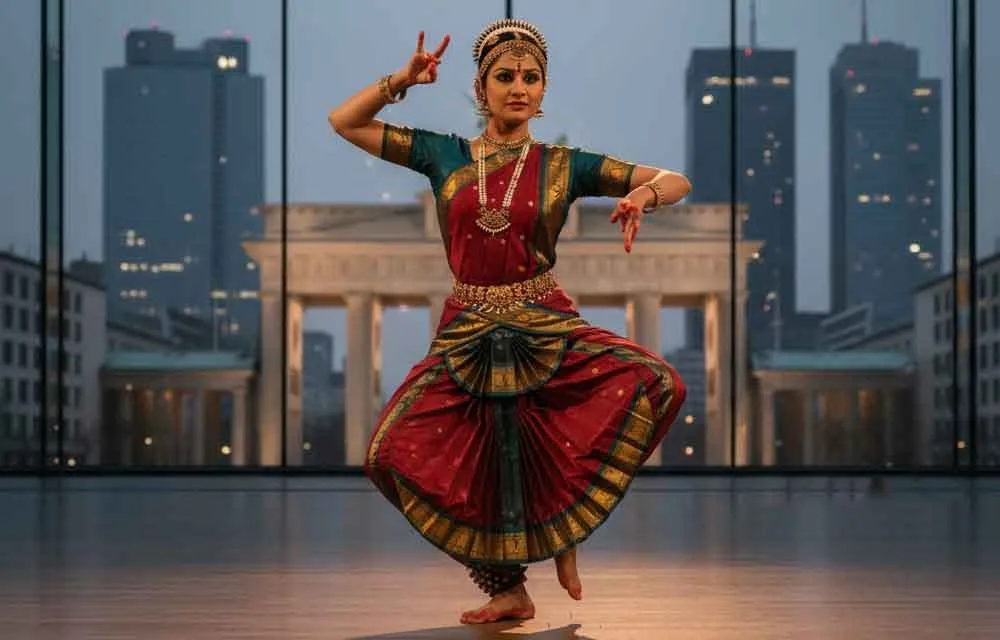
Bharatanatyam is not simply an art form—it is a spiritual discipline and a vessel for storytelling rooted in Hindu philosophy. Its foundation includes:
- Adavus: Intricate footwork
- Mudras: Codified hand gestures
- Abhinaya: Facial expressions
- Rhythm & Nritta: Technical movement set to Carnatic music
Learning Bharatanatyam in Germany allows children to stay connected to mythology, devotional poetry, and temple traditions, even while growing up in a modern, secular society.
The Bharatanatyam Landscape Across German Cities
Berlin: The Cultural Melting Pot
Berlin’s thriving arts scene and large Indian diaspora make it one of the strongest hubs for Indian classical dance.
Opportunities in Berlin
- Performance Venues: Haus der Kulturen der Welt, Indian Embassy events, community stages
- Annual Events: Diwali festivals, Indian Cultural Week, Berlin Indian Film Festival
- Training: Natya Mandir Berlin, Bharata Natyam Akademie, Indische Tanzschule Berlin
- Community Support: Sri Ganesha Tempel, ISKCON Berlin
Where to Learn
- Natya Mandir Berlin
- Bharata Natyam Akademie (Mitte)
- Indische Tanzschule (Kreuzberg)
- Temple-based dance groups
Munich: A Bavarian Blend of Tradition & Innovation
Munich has a steady South Indian community that supports classical art forms.
Opportunities in Munich
- Performance Spaces: Gasteig Cultural Center, community halls
- Organizations: Indo-German Society, cultural forums
- Schools: Kalakshetra-style academies, Nritya Academy Munich
Where to Learn
- Nritya Academy (Schwabing)
- Bharatanatyam Schule München (Sendling)
- Sri Nagapooshani Ambal Temple classes
Frankfurt: Financial Hub with Cultural Depth
Frankfurt’s international blend fuels demand for classical arts education.
Opportunities in Frankfurt
- Schools: Natya Sudha Academy, Kala Nritya Frankfurt
- Performance Venues: Indian Consulate events, cultural festivals
- Temple Support: Sri Venkateswara Temple
Hamburg, Cologne & Stuttgart: Small but Growing Scenes
Hamburg & Cologne
- Samskriti Dance Hamburg
- Bharati Dance Cologne
Stuttgart
- Kalanjali Dance Academy
- Sri Venkateswara Temple Stuttgart networks
Smaller Cities (Düsseldorf, Leipzig, etc.)
Smaller regions often rely on temple groups and community clubs, offering intimate training and local-stage opportunities.
Interview with Priya Venkataraman: Building a Dance Career in Germany
Q: What inspired your international Bharatanatyam journey, including Europe?
Priya: “With an Arangetram and postgraduate training from India, I saw the diaspora’s deep need for cultural anchors. In Germany, parents want their kids rooted in heritage while adapting to life here—I wanted to serve that purpose.”
Q: What challenges are unique to Germany?
Priya:
- Managing students’ packed German school schedules
- Scarcity of live orchestras
- Seasonal constraints (shorter days, cold weather)
- Practice time limited to weekends/evenings
Q: How has the landscape evolved?
Priya:
- From temple gatherings to mainstream multicultural festivals
- Increased arts funding from city councils & EU programs
- More fusion collaborations with European contemporary artists
Career Pathways in Bharatanatyam in Germany
1. Performance Artist
- Earnings: €300–€1,500 per show
- Stages: Festivals, cultural weeks, corporate events, temple shows
2. Teaching & Academy Management (Most Sustainable Route)
Income Guide:
- Beginner: €15–€30 per class
- Advanced: €35–€55
- Private: €60–€100/hour
- Workshops: €100–€250/day
Essentials:
- Community halls (€40–€120/session)
- Strong digital presence
- Temple & diaspora networking
3. Choreography
Festivals, theaters, multicultural fusion collaborations.
4. Cultural Educator / Ambassador
Workshops at schools (€200–€400), councils, universities.
5. Digital Creator
YouTube channels, online classes, short-form dance content.
Education Pathway: From Beginner to Professional
Children (5–12 years)
- Weekly classes 60–90 mins
- Learn basics, stories, mudras
- Cost: €15–€25 per class
Teens (13–18 years)
- Advanced repertoire, exams, Arangetram preparation
- Class cost: €25–€45
- Arangetram cost: €8,000–€20,000
Young Adults
- Guru workshops
- Intensives
- Supplement with university programs (e.g., Folkwang University of the Arts for contemporary exposure)
Balancing Bharatanatyam with Academic Life
For Parents
- Treat like any tutoring class
- One class + 2–3 short weekly at-home practices
- Use for stress relief during Abitur years
For Students
- Pause during exam phases
- Resume via university clubs or teaching juniors
Financial Investment
ROI:
Teaching income allows many dancers to break even in 2–3 years.
Finding Quality Instruction
Verify:
- Guru lineage (Kalakshetra, Melattur, Vazhuvoor etc.)
- Performance background
- Structured curriculum (7–8 years to Arangetram)
Red Flags:
- Rushed Arangetram timelines
- No theory lessons
- Weak foundational training
Essential Questions:
- What is the lineage?
- How is homework/practice structured?
- How is culture/heritage taught?
Networking & Community
- Temples: Sri Ganesha Berlin, Sri Venkateswara Frankfurt & Stuttgart, ISKCON centers
- Organizations: Indo-German cultural groups
- Online: “Indian Classical Dance Germany” Facebook groups, Instagram communities
Government Support & Funding
Available through:
- Federal cultural ministry grants
- Berlin Senate for Culture
- State-level Kulturförderung
- EU multicultural & integration funds
Priya: “A Berlin city grant of €10,000 helped produce a fusion show connecting Indian and German art traditions.”
The Future of Bharatanatyam in Germany
Trends:
- Fusions with European folk and contemporary forms
- Virtual guru training
- Academic research collaborations
Challenges:
- Maintaining authenticity
- Training qualified teachers
- Ensuring long-term career viability
Advice for Hindu Parents
- Introduce children early to stories, music, temple arts
- Encourage joy and discipline
- Attempt Arangetram only when the child shows consistent commitment
Advice for Aspiring Professionals
Earning Potential: €30,000–€70,000/year via diversified income.
60–80% usually comes from teaching, rest from performances, workshops, online channels.
Alternative pathways:
- Arts administration
- Event management
- Dance therapy
- Cultural education
Success Stories
- Anjali (Berlin): Arangetram at 16; now teaches 50+ students while working in IT
- Rahul (Munich): Male dancer receiving city grants for innovative productions
- Lakshmi (Frankfurt): Home-based classes that grew to 80+ students
Addressing Common Myths
- Not only for girls—male dancers bring powerful stage presence
- Germany-based training is sufficient with quality gurus
- Improves academic performance through discipline & focus
- Costs similar to sports/music lessons
- Anyone can learn—not only Hindus
Conclusion
Bharatanatyam in Germany is a powerful bridge between heritage, creativity, and integration. For children, parents, and aspiring professionals alike, it offers a meaningful cultural journey and viable career path.
As Priya beautifully puts it:
“We are pioneers here—honor the art with respect and joy, whether as a hobby or profession.”
Frequently Asked Questions
What is Building a Bharatanatyam Career in Germany?
Published on HinduTone.com Introduction: The Rising Pulse of Indian Classical Dance in Germany As Germany’s Hindu community grows—especially in cities like Berlin, Munich, Frankfurt, Hamburg, and Stuttgart—the sacred art of Bharatanatyam , one of India’s oldest classical dance forms, is gaining fresh momentum. For Hindu parents eager to preserve cultural her
What are the key points about Building a Bharatanatyam Career in Germany?
This guide draws on insights adapted from the experiences of Priya Venkataraman , a renowned Bharatanatyam dancer with over 15 years of international performances and teaching experience, to help families navigate the Bharatanatyam ecosystem across Germany. Understanding Bharatanatyam: More Than Just Dance Bharatanatyam is not simply an a
Why does Building a Bharatanatyam Career in Germany matter in Hinduism?
It reflects core values of Sanatana Dharma and offers practical and spiritual guidance that remains relevant across generations.
How can devotees apply Building a Bharatanatyam Career in Germany in daily life?
By reflecting on its teaching, incorporating the related practices or observances into daily routine, and approaching it with sincere devotion and understanding.