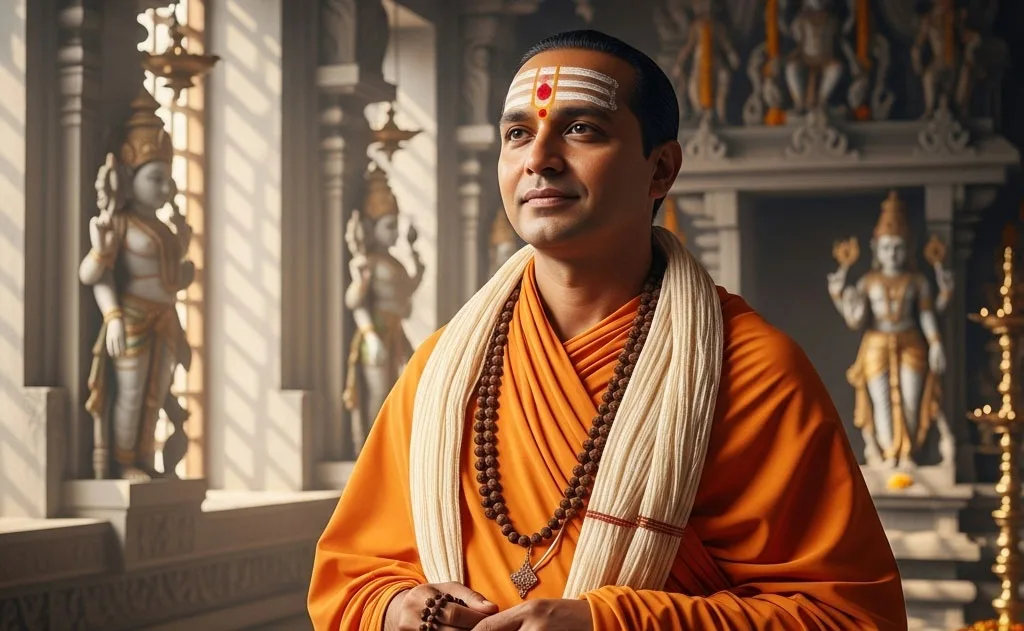
Hindu Wedding Priest Germany: City-Wise Guide & Checklist 2025
Your complete, SEO-optimized guide to hiring an authentic Hindu pandit for your Vedic wedding in Germany — covering availability, costs, legal rules, and a…

Your complete, SEO-optimized guide to hiring an authentic Hindu pandit for your Vedic wedding in Germany — covering availability, costs, legal rules, and a full booking checklist.
Planning a Hindu wedding in Germany? Whether you’re getting married in Berlin, Munich, Frankfurt, Hamburg, or elsewhere, this guide helps you find a qualified pandit who can perform traditional Vedic rituals while aligning with German venue regulations and legal requirements.
As of November 2025, Germany’s ~200,000-strong Indian diaspora (largest in Berlin, NRW, Bavaria) supports a growing temple and priest network. But with peak weddings from May–September, book 6–12 months in advance.
Understanding Hindu Weddings in Germany
Hindu Vivaha Sanskar adapts to German conditions:
- Indoor havan only due to strict fire regulations
- Shorter ceremonies (1.5–2.5 hours)
- Mantras in Sanskrit + English + German for guest-friendly weddings
Popular regional styles:
- North Indian – Saptapadi, Agni Puja
- South Indian – Thali tying, Kashi Yatra
- Tamil/Telugu/Gujarati/Bengali rituals
Some priests are also registered celebrants who coordinate with the Standesamt for combined ceremonies.
10-Step Checklist to Hire a Hindu Priest in Germany
Step 1: Start Early (6–12 Months Ahead)
Berlin & Munich are fully booked 9+ months in summer.
Where to search:
- Local Hindu temples
- Indische Gemeinde, Sulekha.de, Hochzeitsportal
- Facebook groups: Indische Hochzeit Deutschland, Berlin Tamil Weddings
- Instagram / X hashtags: #HinduPanditGermany, #PanditBerlin
Step 2: Research & Shortlist
Step 3: 20 Must-Ask Questions (First Call)
About the Pandit
- How long have you performed weddings in Germany?
- Do you specialize in North/South/Regional rituals?
- Can you perform in Sanskrit + English + German?
- Are your ceremonies indoor-only?
Ceremony
- Your typical duration?
- Can you shorten/customize?
- Do you share the ceremony script in advance?
Logistics
- What is your full fee structure?
- Travel charges?
- Do you bring puja samagri?
- Deposit & cancellation?
Modern Requirements
- Comfortable with intercultural or same-sex weddings?
- Photographer/videographer allowed?
- Are you registered with any Standesamt?
Step 4: Verify Credentials
- Ask for recent references
- Confirm temple/community associations
- Check Google reviews
- Attend a weekend temple puja
Step 5: Cost Guide – Germany 2025
Usually included: Ceremony, basic samagri, translations
Extras: Travel >50 km, pre-wedding pujas, special samagri
Tip: Give dakshina separately in a polite envelope.
Step 6: Legal Wedding Requirements in Germany
Hindu ceremonies are religious only. For legal validity, you must involve the Standesamt.
Options:
- Separate civil ceremony
- Standesbeamter + pandit at venue
- Registered Hindu celebrant (rare but growing)
Legal steps:
- Anmeldung zur Eheschließung: Register 2–6 months before
- Civil appointment fee: €80–€150
- 2 witnesses
- Apostille if marrying non-EU citizen
Some temples (e.g., Sri Ganesha Hamburg) are approved civil wedding venues.
Step 7: Customize Your Ceremony
Germany-friendly options:
- 90-minute ceremony
- Sanskrit + English + German mix
- LED havan for fire safety
- Fusion add-ons if desired (ring exchange + mangalsutra)
Core rituals include: Ganesh Puja, Kanyadaan, Saptapadi, Mangalsutra/Thali, Aashirwad.
Step 8: Coordination With Your Pandit
Venue tips:
- Fire safety approval (Feuerpolizei)
- PA system for mantras
- Indoor backup for unpredictable weather
Step 9: Pre-Wedding Consultation (2–4 Weeks Before)
- Finalize timeline
- Rehearse key mantras
- Define family roles
- Align with photographers/videographers
Step 10: Wedding Day Flow
Assign one pandit coordinator for smooth flow.
City-Wise Hindu Priest & Temple Directory (Germany 2025)
Which Vedic Rituals Are Central to Hindu Vivaha Sanskar and Why Do They Matter?
The Hindu Vivaha Sanskar draws its core structure from the Grihyasutras — ancient domestic ritual manuals such as the Ashvalayana Grihyasutra and the Paraskara Grihyasutra — which prescribe the precise sequence of rites. The most universally observed element is the Saptapadi, the seven steps taken around the sacred fire (Agni), each step accompanied by a specific Vedic mantra and a shared vow between bride and groom. According to the Ashvalayana Grihyasutra, the marriage becomes legally and spiritually binding only after the seventh step is completed in the presence of Agni as divine witness.
Other rituals vary by regional tradition but carry deep scriptural grounding. Kanyadan — the formal gifting of the bride by her father — is referenced in the Manusmriti and the Mahabharata as one of the most meritorious acts a householder can perform. Sindoor Daan (applying vermilion in the bride's hair parting) and Mangalsutra Dharana (tying the sacred thread-necklace) mark the transition of the bride's status and are especially prominent in North Indian ceremonies. South Indian traditions centre on the Thali tying, where the groom ties a turmeric-thread necklace at an auspicious Muhurta determined by the couple's janma kundali (birth charts).
In Germany, the mandatory indoor setting means the Agni Kund (sacred fire vessel) must be a contained, smoke-managed unit. Experienced pandits bring portable copper or stainless-steel havan kunds with controlled ghee quantities to satisfy venue fire-safety rules — often requiring prior written approval from the venue's Brandschutzbeauftragter (fire-safety officer). Always confirm with your pandit that their equipment has been used successfully indoors in Germany before.
How Do German Legal Requirements Interact With a Vedic Wedding Ceremony?
In Germany, only a civil marriage registered at the Standesamt (civil registry office) holds legal validity. A Vedic ceremony performed by a Hindu pandit, however elaborate and spiritually complete, is not recognised as a legal marriage under German law. This means couples must schedule a Standesamt appointment separately — typically a brief civil ceremony lasting 15–30 minutes — either before or after the religious function.
Many couples in Berlin, Munich, Frankfurt, and Hamburg choose to complete the Standesamt registration on a weekday and then hold the full Vivaha Sanskar on a Saturday or Sunday. Some pandits who are also registered Freie Trauredner (independent celebrants) can structure the religious ceremony to immediately follow or incorporate the civil formalities within one venue event, though the legal paperwork remains entirely separate. Ask your shortlisted pandit explicitly whether they hold a Freie Trauredner certification and which Standesamt districts they have coordinated with previously.
Non-EU Indian nationals marrying in Germany may need to present a Certificate of No Impediment (Ehefähigkeitszeugnis) issued by the Indian Embassy or the relevant Indian authority. Processing times for this document can exceed eight weeks, so begin this paperwork in parallel with your pandit search, not after securing the venue.
City-by-City Overview: Where to Find Hindu Priests Across Germany
Berlin hosts the largest Indian diaspora in Germany and is served by the Sri Ganesha Hindu Temple in Berlin-Spandau, which maintains a list of affiliated priests experienced in North and South Indian wedding styles. The temple community is active in coordinating pre-wedding rituals such as Ganesh Puja and Haldi ceremonies. Munich's Indian community is concentrated around the Shri Ram Mandir in Munich, whose priests regularly officiate at weddings in Bavaria and neighbouring Austria.
Frankfurt and the Rhine-Main region benefit from proximity to the large Indian IT and finance professional community in cities like Darmstadt and Wiesbaden. The Shri Lakshmi Narayan Mandir in Frankfurt is a key referral point. Hamburg's Tamil community — one of the largest in Europe outside South Asia — can access priests affiliated with the Sri Kamadchi Ampal Temple in Hamm, Westphalia, which is the largest Hindu temple in the German-speaking world and a recognized center for Tamil ritual expertise including Shaiva and Vaishnava wedding traditions.
Smaller cities such as Stuttgart, Cologne, Düsseldorf, and Nuremberg typically rely on priests who travel from the major hubs. Travel costs for these cities can add €100–€300 to the overall fee, and some pandits require overnight accommodation for ceremonies beginning before 9 a.m. Always clarify the full travel and accommodation clause in your written agreement.
What Is a Muhurta and How Should You Select an Auspicious Wedding Date in 2025–2026?
Muhurta refers to an auspicious time window determined through Vedic Jyotisha (astrology), taking into account the Tithi (lunar day), Vara (weekday), Nakshatra (lunar mansion), Yoga, and Karana at the time of the ceremony. The Vivaha Muhurta specifically favours certain Nakshatras — Rohini, Mrigashira, Magha, Uttara Phalguni, Hasta, Swati, Anuradha, Mula, Uttara Ashadha, Uttara Bhadrapada, and Revati are traditionally considered auspicious for weddings according to the Dharmasindhu and Nirnayasindhu.
For 2025, the primary auspicious wedding season (Vivaha Muhurta calendar) runs approximately from late April through late June and again briefly in late November and December, with Adhika Masa (intercalary months) and Chaturmas (the monsoon period of spiritual withdrawal, roughly July–October) considered less favourable in traditional reckoning. A qualified pandit with Jyotisha training can cast the couple's combined kundali to identify specific date-time windows that suit both charts.
When booking German venues — many of which are available only on Saturdays — confirm with your pandit whether the auspicious Muhurta falls within the allowed venue hours. Some traditional ceremonies require a Lagna Muhurta beginning as early as 7 a.m., which can conflict with standard venue opening times. Flexible pandits will identify alternate Muhurtas within the same date that align with practical German venue schedules.
Puja Samagri: What Sacred Materials Does a Vedic Wedding Require and How Are They Sourced in Germany?
A complete Vivaha Sanskar requires a specific set of ritual materials — collectively called Puja Samagri — including ghee (clarified butter), uncooked rice (akshata), betel leaves and areca nuts, turmeric, kumkum, sandalwood paste, mango wood pieces for the havan, sacred Kusha grass, and various grains for the Homa oblations. The Navagrah Homa (propitiation of nine planetary deities), often performed as a precursor to the main wedding Homa, requires an additional nine types of grain and wood.
In Germany, Indian grocery stores in Berlin (particularly in Spandau and Schöneberg), Munich's Westend district, and Frankfurt's Sachsenhausen area stock most of these items. Several online suppliers based in the Netherlands and the United Kingdom also ship Puja Samagri to German addresses within 3–5 days. However, certified organic ghee meeting EU food-import standards is best purchased locally, as customs restrictions can delay parcels containing dairy products from India.
Always confirm with your pandit whether they supply samagri as part of their fee or whether you are responsible for procurement. Some experienced pandits bring a standardised kit but charge separately for regional specialty items — for example, for a Bengali Shodashopachara (sixteen-step) ceremony or a Gujarati Lagna Vidhi requiring specific items not universally stocked in Germany. A clear itemised list exchanged at least six weeks before the ceremony prevents last-minute shortages.
How Can Non-Hindu Guests Follow Along and Feel Included in the Vedic Ceremony?
A meaningful way to bridge the cultural gap for German, European, and non-Hindu guests is a ceremony booklet — typically a four-to-eight page printed programme in German (or bilingual German-English) that explains each ritual step as it occurs. The best pandits prepare this collaboratively with the couple and often narrate key moments bilingually during the ceremony itself, explaining the significance of Agni as Vivaha Sakshi (divine witness), the meaning of each of the seven Saptapadi vows, and the symbolism of Sindoor.
Certain participatory moments can be extended to all guests without compromising ritual integrity. The Ashirvad (blessing) segment — where elders and guests place hands over the seated couple to bestow blessings — is universally welcoming. Sprinkling akshata (turmeric-coloured rice) over the couple at key auspicious moments is another gesture that guests of all backgrounds can join. These participatory elements align with the spirit of Vedic hospitality (Atithi Devo Bhava) and create lasting memories for multicultural wedding gatherings.
If the ceremony includes a brief Ganesh Vandana or Saraswati Stotra sung at the opening, sharing a transliteration and translation in the programme helps non-Sanskrit speakers follow the devotional significance. Several pandits active in Germany have developed standardised multilingual booklet templates from years of conducting interfaith and multicultural weddings — ask to see a sample during your initial consultation.
Frequently Asked Questions
How far in advance should I book a Hindu wedding priest in Germany?
Book 6 to 12 months ahead, since peak wedding season runs May to September. Berlin and Munich are fully booked 9 or more months ahead in summer.
Is a Hindu wedding ceremony legally valid in Germany?
No. Only a civil marriage registered at the Standesamt is legally valid, so couples must arrange a civil ceremony separately, before or after the Vedic rites. Registration (Anmeldung) is made 2 to 6 months beforehand.
Can we have a havan with a sacred fire at a German venue?
Usually only indoors, and under strict fire regulations. Pandits bring contained, smoke-managed havan kunds with controlled ghee, and venues may require written approval from the fire-safety officer. An LED havan is another option.
How long is a Hindu wedding ceremony in Germany?
Ceremonies are typically shorter, about 1.5 to 2.5 hours, and a 90-minute version is a common option. Mantras are often recited in Sanskrit, English and German so guests can follow.
What extra costs should I expect when hiring a pandit in Germany?
Travel beyond 50 km, pre-wedding pujas and special samagri are extras. For smaller cities such as Stuttgart, Cologne or Nuremberg, travel can add €100 to €300 to the fee. The civil appointment fee is €80 to €150.
Where can I find a Hindu priest for a wedding in Germany?
Start with local Hindu temples, Indische Gemeinde, Sulekha.de, wedding portals and Facebook groups such as Indische Hochzeit Deutschland. Temples such as Sri Ganesha in Berlin and Shri Ram Mandir in Munich keep priest lists.
Share this with family and friends
Send it on WhatsApp, post it, or copy the link.
More from Germany
You might also like

Finding a Hindu Priest for Your Wedding in the USA: A Complete Checklist
Building a Bharatanatyam Career in Germany: A Guide for Hindu Parents and Aspiring Dancers

Finding a Hindu Priest for Your Wedding in Australia: A Complete Checklist