How Hindu Temples in Singapore Celebrated New Year 2026: Spiritual Devotion Amidst National Festivities
New Year 2026 Hindu Temple Celebrations Singapore | Hindu Temples New Year Events Lion City 2026 | January 1 Temple Darshan Singapore | Gregorian New Year in…
New Year 2026 Hindu Temple Celebrations Singapore | Hindu Temples New Year Events Lion City 2026 | January 1 Temple Darshan Singapore | Gregorian New Year in…
New Year 2026 Hindu Temple Celebrations Singapore | Hindu Temples New Year Events Lion City 2026 | January 1 Temple Darshan Singapore | Gregorian New Year in Singapore Hindu Temples | Hindu Diaspora Singapore New Year 2026
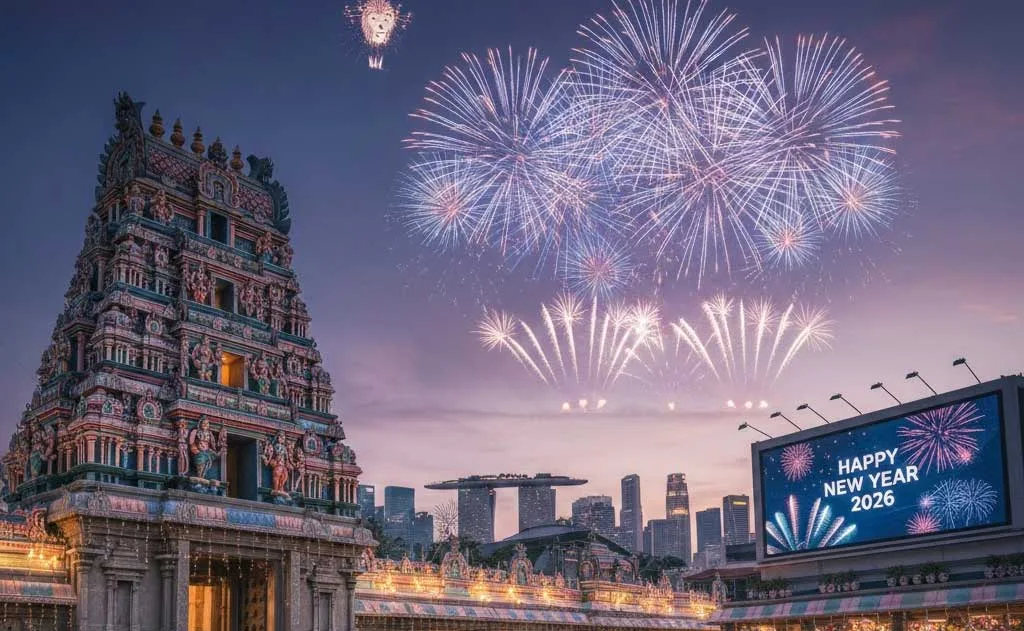
As Singapore lit up with spectacular fireworks over Marina Bay, Sentosa, Kallang Basin, and heartland locations on the night of December 31, 2025, welcoming January 1, 2026, the Hindu community in the Lion City embraced the Gregorian New Year with quiet spiritual reflection and devotion. While the traditional Hindu New Year—aligned with regional festivals such as Ugadi, Gudi Padwa, or Puthandu (Tamil New Year)—falls later in March or April 2026, many Singaporean Hindus and the vibrant Indian diaspora marked January 1 as a moment of renewal, gratitude, and hope for prosperity, health, and harmony.
In a nation renowned for its multicultural harmony, Hindu temples served as serene sanctuaries amid the national countdown parties, drone shows, and fireworks displays. Devotees opted for early morning darshan, special prayers, and family gatherings at temples, blending global New Year cheer with timeless Sanatan Dharma traditions. This practice underscores Singapore's unique cultural tapestry, where over 300,000 Hindus (primarily of Tamil, North Indian, and other South Asian origins) contribute to the island's diversity while preserving ancestral faith.
Temples remained open for regular poojas and aartis, with many seeing a steady flow of visitors seeking blessings to start the year on an auspicious note. Though not a major religious festival like Thaipusam (set for February 1, 2026) or Deepavali, January 1 resonated as a secular milestone for introspection and positivity, especially among younger generations and expatriate families balancing modern lifestyles with spiritual roots.
Prominent Hindu Temples and Their New Year 2026 Observances
Singapore boasts over 30 major Hindu temples, many managed by the Hindu Endowments Board (HEB) or private trusts. On January 1, 2026—a public holiday—these sacred sites offered peaceful alternatives to the bustling countdown events, focusing on gratitude, purification, and divine invocations.
- Sri Srinivasa Perumal Temple (Serangoon Road, Little India): One of Singapore's oldest and most revered Vaishnavite temples, dedicated to Lord Vishnu (Perumal), this National Monument welcomed devotees for extended morning aartis and abhishekams. Families performed archana for Lord Balaji, seeking protection and abundance. The temple's iconic gopuram stood as a beacon in Little India, where post-prayer visits to nearby eateries for traditional South Indian breakfasts added a festive touch.
- Sri Mariamman Temple (South Bridge Road, Chinatown): Singapore's oldest Hindu temple (established 1827), dedicated to Goddess Mariamman (rain and healing deity), saw devotees offering prayers for health and renewal. Special morning poojas emphasized gratitude, with prasadam distribution fostering community spirit. Its Dravidian-style architecture provided a tranquil contrast to nearby Chinatown's lingering holiday vibes.
- Sri Veeramakaliamman Temple (Serangoon Road, Little India): Devoted to Goddess Kali, this historic shrine (built 1881) attracted crowds for powerful darshan. Devotees invoked Kali's strength for overcoming challenges in 2026, with bhajans and simple homams marking the day's serenity.
- Sri Thendayuthapani Temple (Tank Road): Known as the Chettiars' Temple and dedicated to Lord Murugan, it hosted regular rituals with a focus on youth and victory blessings. As the endpoint for the upcoming Thaipusam procession, it symbolized devotion and penance.
- Sri Layan Sithi Vinayagar Temple (Keong Saik Road): This Ganesha-centric temple drew families starting the year by worshipping the obstacle-remover. Early visitors performed modak offerings and sought success in endeavors.
Other key temples active on New Year's Day included:
- Shree Lakshmi Narayan Temple (Chander Road): North Indian-style worship with Vishnu-Lakshmi poojas.
- Sri Senpaga Vinayagar Temple (Ceylon Road): Intricate granite carvings and Ganesha-focused prayers.
- Sri Sivan Temple (Geylang): Shaivite rituals invoking Lord Shiva for transformation.
- Sri Vairavimada Kaliamman Temple: Energetic Kali worship.
- Sri Shivadurga Temple and various Murugan shrines across the island.
Many temples encouraged modest gatherings, with devotees in traditional attire sharing sweets and New Year greetings. Live streams and apps allowed virtual participation for those at home or abroad.
Spiritual Significance of Gregorian New Year for Singapore's Hindu Diaspora
For Singapore's Hindus—predominantly Tamil but including Telugu, Malayali, Punjabi, and Gujarati communities—January 1 holds secular appeal as a global reset point. Though not tied to the lunisolar Panchang, it aligns with themes of sankalpa (resolution) and shubh aarambh (auspicious beginnings).
Common rituals observed:
- Ganesha Worship First: Invoking Lord Ganesha to clear obstacles.
- Morning Aartis and Abhishekams: For positive energy and purification.
- Prasadam and Annadanam: Sharing food as acts of seva and abundance.
- Family Prayers: Reflecting on the past year and setting dharmic intentions.
- Eco-Spiritual Elements: Some incorporated nature walks or charity, echoing Vedic harmony.
This adaptation reflects diaspora resilience: blending Gregorian milestones with Hindu values like gratitude (kritajnata) and renewal (navvarsha bhaav). Younger Hindus often combined temple visits with national fireworks viewings, symbolizing unity in diversity.
Regional and Community Variations in Singapore's 2026 Celebrations
- Little India (Serangoon Road): Hub of activity with Sri Srinivasa Perumal and Sri Veeramakaliamman temples drawing Tamil devotees. Streets buzzed with post-darshan shopping and meals.
- Chinatown Area: Sri Mariamman Temple offered contrast amid multicultural vibes.
- Central and East Coast: Temples like Sri Senpaga Vinayagar saw family-oriented visits.
- Heartlands (Yishun, Geylang): Smaller shrines hosted local gatherings, integrating with community countdowns.
Despite national fireworks at Marina Bay, Sentosa, and heartlands (Boon Lay, Punggol, etc.), many Hindus prioritized spiritual starts, viewing external displays as symbolic of inner light.
Why New Year 2026 Held Meaning for Singapore Hindus Amid National Revelry
In a year marking reflections on challenges and optimism, temple visits provided grounding. The diaspora—engineers, professionals, and families—found solace in faith amid Singapore's fast pace. Social media shared messages of "Happy New Year" alongside "Om Shanti," highlighting cultural fusion.
Post-pandemic, this trend grew: preferring bhakti over parties, yet appreciating national unity. Temples reinforced community bonds, with volunteers ensuring smooth darshan.
As Singapore entered 2026 with dazzling displays and communal joy, Hindu temples embodied enduring devotion—reminding that true renewal springs from the soul.
Plan Your Temple Visit: Check HEB websites (heb.org.sg) or individual temple pages for timings. Respect dress codes (modest attire) and guidelines. For live aartis, follow temple social media.
🌸 For More Devotional Journey, Follow
- Temples
/temples/ - Tirumala Updates
/tirumala/ - Sabarimala Yatra
/category/sabarimala-yatra/ - Pooja, Slokas & Mantras
/pooja-slokas-and-mantras/ - Hindu Gods
/hindu-gods/
Stay connected with www.hindutone.com for the latest on Hindu festivals, Singapore temple updates, and global diaspora spiritual news. Om Shanti! Happy New Year 2026! [image: 🕉️]
Frequently Asked Questions
Where is How Hindu Temples in Singapore Celebrated New Year located?
New Year 2026 Hindu Temple Celebrations Singapore | Hindu Temples New Year Events Lion City 2026 | January 1 Temple Darshan Singapore | Gregorian New Year in Singapore Hindu Temples | Hindu Diaspora Singapore New Year 2026 As Singapore lit up with spectacular fireworks over Marina Bay, Sentosa, Kallang Basin, and heartland locations on the night of December
Who is the presiding deity of How Hindu Temples in Singapore Celebrated New Year?
The temple's presiding deity and its significance are described in the guide above.
What are the timings and how do I reach How Hindu Temples in Singapore Celebrated New Year?
Temples typically open early morning and evening; confirm current darshan timings before visiting. The nearest airport, railway station and road routes are covered in the guide above.
What is the best time to visit How Hindu Temples in Singapore Celebrated New Year?
Major festival days and the cooler months are popular, though weekday mornings offer a calmer darshan. Plan around the temple's key festivals for the most vibrant experience.
You might also like
Shani Deva Temples Worldwide & Must-Performed Rituals — Complete Devotee's Guide
Top 20 Sivalayam in USA: A Devotee's Guide to America's Most Sacred Shiva Temples (2026)

Divine Hindu Temple News, Festivals & Global Devotion in Jyeshtha Adhik Maas 2026