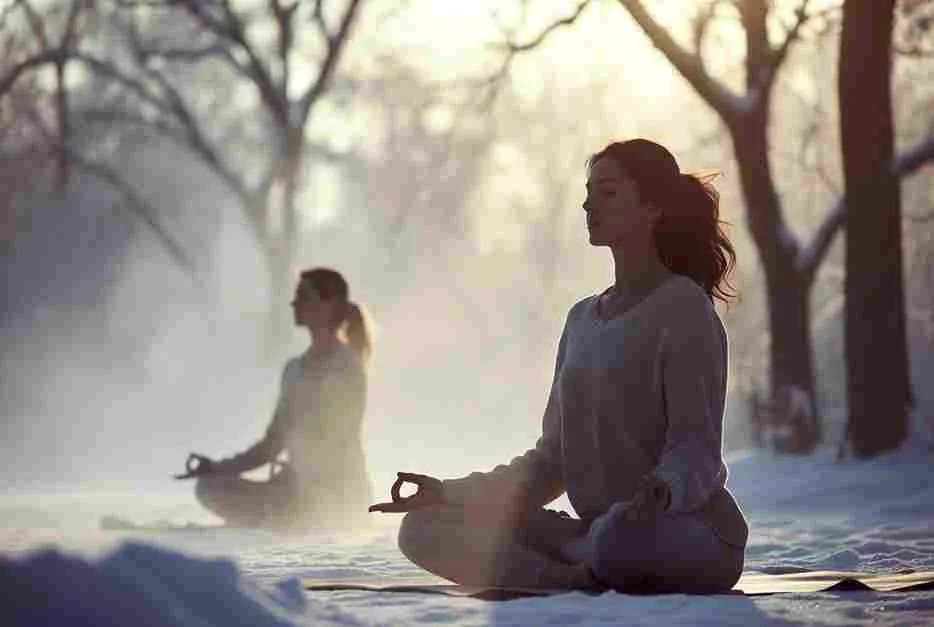
Good Advice for Senior Citizens: 33 Essential Tips for Healthy and Stress-Free Life
Follow these 33 practical tips for senior citizens shared by the National Senior Citizens' Welfare Association of India. Good Morning!
Follow these 33 practical tips for senior citizens shared by the National Senior Citizens' Welfare Association of India.
Good Morning!
Here are some good advice for senior citizens to help lead a healthy, safe, and stress-free life:
- Avoid travelling alone.
- Travel with your spouse.
- Avoid going out during peak hours.
- Avoid excessive exercise or walking.
- Avoid excessive mobile use or watching TV.
- Avoid overmedication.
- Visit doctors on time and take medications regularly.
- Avoid property dealings after retirement.
- Always carry your ID and important phone numbers.
- Forget the past and don't worry too much about the future.
- Eat what suits you, and chew slowly.
- Be cautious in the bathroom and toilet.
- Avoid smoking and drinking, they're harmful.
- Don't boast about your achievements.
- Travel extensively for a few years after retirement, then avoid crowded places.
- Don't discuss your property and assets with others.
- Exercise according to your capacity and health.
- Avoid headstands and kapalabhati if you have high BP or heart issues.
- Stay positive and avoid excessive emotions.
- Don't sleep immediately after eating.
- Don't lend money to others.
- Avoid giving unsolicited advice to the next generation.
- Respect others' time.
- Don't try to earn more if you don't need to.
- Avoid daytime naps to sleep well at night.
- Have your own space and respect others' privacy.
- Make a will and consult your spouse.
- Join a good senior citizens' group, but avoid conflicts.
- Don't disturb others if you can't sleep.
- Don't constantly complain about your health.
- Avoid quarreling with your spouse, they're your primary support.
- Attend peoples service activities.
- Live a stress-free life with a smile.
This post is shared by the National Senior Citizens' Welfare Association of India and is very useful for everyone. Please go through, understand, and try to follow these tips.
For More Devotional Journey, Follow
- Temples
/temples/ - Tirumala Updates
/tirumala/ - Sabarimala Yatra
/category/sabarimala-yatra/ - Pooja, Slokas & Mantras
/pooja-slokas-and-mantras/ - Hindu Gods
/hindu-gods/
What does Dharmic wisdom say about the senior years of life?
In the Vedic framework of the four āśramas (stages of life), the years after householder duties wind down correspond to the Vānaprastha stage — a gradual withdrawal from worldly entanglements and a conscious turning toward inner life. The Manusmṛti (6.2) describes this transition as one marked by simplicity, reduced possessions, and growing reliance on contemplation rather than accumulation. Far from being a time of diminishment, Vānaprastha is viewed as a privilege — an opportunity to deepen one's relationship with the Divine.
The Bhagavad Gītā (2.14) reminds us that pleasures and pains are transient — 'āgamāpāyino'nityāḥ' — and that equanimity is the hallmark of a mature soul. Senior citizens who internalize this teaching tend to experience far less anxiety about health fluctuations, financial concerns, or the behavior of adult children. Cultivating this sthitaprajñā (steady wisdom) is itself the greatest health practice.
How can daily spiritual routines support physical and mental health in old age?
A structured morning routine (dinacharya) described in Āyurvedic texts like the Ashtānga Hṛdayam recommends waking before sunrise (brahma muhūrta), gentle mouth cleansing, oil pulling (gandusha), and a short walk in natural light. These simple habits regulate the body's circadian rhythms, support digestion, and calm the nervous system — all of which become especially important as the body ages.
Chanting simple stotras or repeating a personal mantra (japa) during the early morning hours has a measurable calming effect on the mind. Texts like the Nārada Bhakti Sūtra emphasize that bhakti (devotion) practiced consistently transforms ordinary moments into meditative ones. Even fifteen minutes of japa with a tulasī mālā can anchor the entire day emotionally, reducing the stress-driven cortisol spikes that accelerate aging.
Evening prayers at dusk — the sandhyāvandana tradition practiced across Hindu households — provide a second daily reset. Lighting a lamp before the home altar, offering incense, and sitting quietly for even a few minutes creates a psychological boundary between the activities of the day and restful sleep, directly supporting the advice to sleep well at night.
Which pilgrimage sites are well-suited for senior devotees in India?
The tip to travel extensively in early retirement years is well-taken, and India offers dozens of sacred sites with senior-friendly infrastructure. Tirupati (Sri Venkateśvara Temple, Tirumala) provides dedicated darśan queues for senior citizens and differently-abled pilgrims, with TTD (Tirumala Tirupati Devasthanams) offering special 'Divyaṃga' and elderly assistance at every step. Similarly, the Kashi Viśvanātha Temple in Varanasi and the Rāmēśvaram Jyotirliṅga temple in Tamil Nadu both have ramps, rest areas, and volunteer seva programs.
For those with limited mobility, many large temple complexes — including the Guruvāyūr Śrī Kṛṣṇa Temple in Kerala and Śirḍī Sai Baba Mandir in Maharashtra — run free accommodation and meal programs (annadāna) specifically for elderly pilgrims. Travelling in cooler months (October through February) reduces heat-related strain considerably. Consulting a physician before any long-distance yātrā and carrying a printed summary of current medications, blood type, and emergency contacts fulfils the practical advice of always carrying important phone numbers.
How can senior citizens make the most of joining a spiritual or community group?
The advice to join a good senior citizens' group resonates strongly with the Sanātana ideal of satsaṅga — keeping the company of truth-seekers. The Bhāgavata Purāṇa (1.18.13) states that even a single moment in genuine satsaṅga can cut through accumulated karmic burdens. A well-run weekly satsaṅga group that reads the Rāmāyaṇa, sings bhajans, or studies the Bhagavad Gītā together provides cognitive stimulation, emotional bonding, and shared purpose — three factors strongly associated with longevity.
Avoiding internal conflicts within such groups, as the original tips wisely caution, is also rooted in scriptural counsel. The Mahābhārata (Śāntiparva) repeatedly warns that discord within a community (bheda) is more destructive than external threats. Seniors who choose a role of quiet service — helping organize, welcoming newcomers, or contributing to annadāna — tend to derive far more sustained happiness than those who seek status or leadership within the group.
Seva (selfless service) at local temples or old-age welfare programs is another powerful avenue. Many temples in India run activities specifically designed for senior volunteers, from flower arrangement (alankāra seva) to reading sacred texts aloud to bedridden devotees. This fulfils the tip about attending people's service activities while giving the senior a sense of continued relevance and dignity.
What Āyurvedic dietary principles align with the advice to eat what suits you?
Āyurveda classifies individual constitution into three primary types — Vāta, Pitta, and Kapha — and each type requires a somewhat different dietary approach in old age. The Vāta doṣa typically increases after age 60, leading to dryness, disturbed sleep, joint pain, and anxiety. Warm, moist, easily digestible foods — khichdi with ghee, warm milk with ashwagandha, and well-cooked seasonal vegetables — are especially nourishing for this stage of life.
The instruction to chew slowly corresponds directly to the Āyurvedic principle that digestion (agni) weakens with age. Eating to about three-quarters of stomach capacity, avoiding ice-cold beverages, and waiting at least two hours after a meal before lying down all protect the digestive fire. The Charaka Saṃhitā (Sūtrasthāna 5) teaches that wrong eating is the root of most diseases — and right eating is therefore itself a form of preventive medicine.
Avoiding overmedication, as the original list recommends, finds clear support in Āyurvedic philosophy, which warns against suppressing natural bodily signals with repeated chemical intervention. Seniors are encouraged to discuss all supplements and herbal remedies with a qualified physician before use, as many common herbs — including ashwagandha, triphala, and shatāvarī — interact with pharmaceutical medications.
How should senior citizens approach estate planning and wills from a dharmic perspective?
The practical advice to make a will and to avoid discussing property and assets publicly is deeply aligned with dharmic responsibility. The concept of dharmic stewardship holds that wealth accumulated over a lifetime carries an obligation — it should be distributed intentionally to prevent family discord (kuṭumba-kalaha). The Smṛti literature, including the Yājñavalkya Smṛti, devotes considerable attention to righteous inheritance (dāya) precisely because contested property is one of the primary sources of family breakdown.
Consulting a legal expert and registering a will while one is in full mental capacity removes ambiguity and protects all family members. Many senior citizens also choose to set aside a portion of their estate as a dāna (charitable gift) — to a temple, a school, or a medical trust — fulfilling the Vedic injunction that a portion of one's life earnings be returned to society. This act of conscious giving is considered by texts like the Taittirīya Upaniṣad ('śraddhayā deyam') to generate profound inner peace in the giver's final years.
Frequently Asked Questions
Who shared these 33 tips for senior citizens?
The tips were shared by the National Senior Citizens' Welfare Association of India. They cover a healthy, safe and stress-free life after retirement.
Should senior citizens travel alone?
No. The advice is to avoid travelling alone, travel with your spouse, and avoid going out during peak hours. Travel extensively for a few years after retirement, then avoid crowded places.
Which exercises should seniors with high BP or heart issues avoid?
Headstands and kapalabhati should be avoided if you have high blood pressure or heart issues. In general, match exercise to your capacity and health, and avoid excessive exercise or walking.
What are the sleep and eating tips for older adults?
Eat what suits you and chew slowly. Don't sleep immediately after eating, and avoid daytime naps so that you sleep well at night.
Which Hindu practices support senior citizens in daily life?
A morning routine with japa using a tulasi mala, evening prayers at dusk with a lamp at the home altar, and satsanga groups for bhajans or Gita study are suggested. Seva at local temples also gives a sense of purpose.
Which pilgrimage sites suit senior devotees, including those living abroad?
Tirupati offers dedicated darshan queues for senior citizens, and Kashi Vishwanath and Rameshwaram have ramps and rest areas. Travelling in cooler months, October through February, is easier, and a physician should be consulted before any long journey.
Share this with family and friends
Send it on WhatsApp, post it, or copy the link.
More from Health
You might also like
What is Ayurveda? The Ancient Hindu Science of Life and Wellness

Triphala: The Ancient Ayurvedic Detox Pill Still Transforming Health in 2025

How to Stay Healthy While Traveling During the Winter Holidays