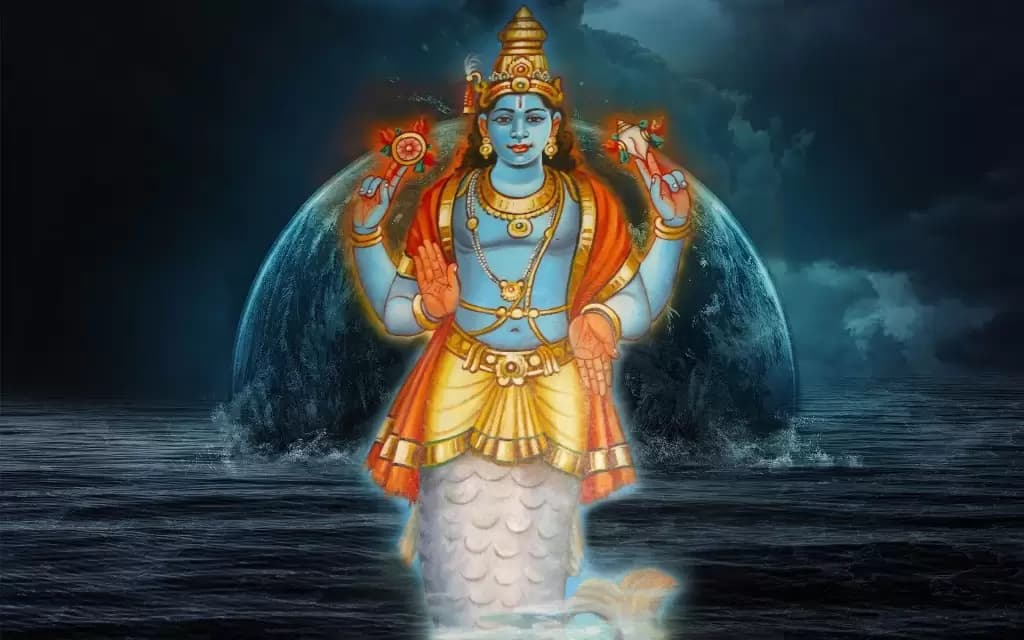
Who is the Supreme God in Hinduism? Understanding the Divine Essence
Hinduism, one of the world's oldest religions, presents a fascinating and complex understanding of the divine.
Hinduism, one of the world's oldest religions, presents a fascinating and complex understanding of the divine.
Hinduism, one of the world's oldest religions, presents a fascinating and complex understanding of the divine. Unlike monotheistic religions with a single supreme deity, Hinduism offers multiple perspectives on the ultimate reality. This comprehensive guide explores the concept of the supreme god in Hindu philosophy and theology.
The Concept of Brahman: The Ultimate Reality
In Hindu philosophy, Brahman represents the supreme, eternal, and infinite cosmic spirit. Brahman is not a personal god but rather the ultimate reality that pervades everything in the universe. This concept is central to Vedantic philosophy and represents the formless, attributeless absolute.
Brahman is described as:
- Sat (truth/existence)
- Chit (consciousness)
- Ananda (bliss)
This supreme reality transcends all dualities and is beyond human comprehension, yet it exists within every living being as the Atman (soul).
The Trimurti: Three Aspects of the Supreme
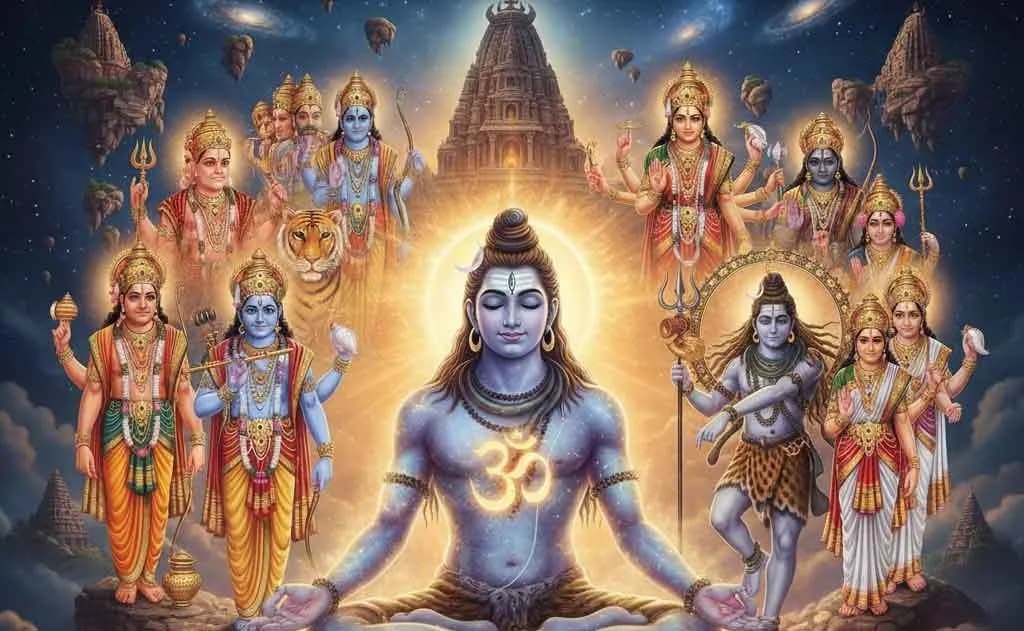
Hinduism personifies the supreme reality through the Trimurti, representing three fundamental cosmic functions:
Brahma - The Creator
Brahma is responsible for creating the universe and all living beings. Though he holds an important role, he is less commonly worshipped compared to other deities.
Vishnu - The Preserver
Vishnu maintains cosmic order and balance. He incarnates on Earth in various forms (avatars) like Rama and Krishna whenever dharma (righteousness) is threatened. Vaishnavites consider Vishnu as the supreme god.
Shiva - The Destroyer/Transformer
Shiva destroys and transforms, making way for new creation. Shaivites worship Shiva as the supreme reality, viewing him as the ultimate cosmic consciousness.
Different Schools of Thought
Hinduism's diversity allows for various interpretations of the supreme deity:
Vaishnavism
Followers believe Vishnu or his incarnations (particularly Krishna) are the supreme god. The Bhagavad Gita, where Krishna reveals his universal form, is a central text for this tradition.
Shaivism
Devotees worship Shiva as the ultimate reality, viewing him as both the destroyer and the benevolent cosmic dancer (Nataraja) who creates through destruction.
Shaktism
This tradition venerates Devi (the Divine Mother) in her various forms—Durga, Kali, Lakshmi, and Saraswati—as the supreme power (Shakti) that animates the universe.
Smartism
This tradition embraces all major deities as equal manifestations of the one supreme Brahman, promoting tolerance and acceptance of different forms of worship.
The Philosophy of "One God, Many Forms"
A fundamental Hindu concept suggests that all gods are manifestations of one supreme reality. This is beautifully expressed in the Rig Veda: "Ekam sat vipra bahudha vadanti" (Truth is one, the wise call it by many names).
This perspective allows Hindus to worship different deities while recognizing their underlying unity. Whether one worships Krishna, Shiva, Devi, or any other form, they are ultimately connecting with the same supreme consciousness.
Personal Ishta Devata
Hinduism permits individual choice in worship through the concept of Ishta Devata (personal deity). Devotees may choose which form of the divine resonates most deeply with them, understanding that all paths lead to the same ultimate reality.
Modern Hindu Perspectives
Contemporary Hindu thought often emphasizes:
- The formless Brahman as the ultimate truth
- All deities as expressions of one supreme consciousness
- Personal devotion as a valid path to the divine
- The importance of spiritual experience over rigid dogma
Frequently Asked Questions (FAQs)
1. Is Hinduism monotheistic or polytheistic?
Hinduism is often described as henotheistic or monistic. While it acknowledges multiple deities, these are viewed as manifestations of one supreme reality (Brahman). Different traditions emphasize different aspects of the divine, but most recognize an underlying unity.
2. Who is more powerful: Brahma, Vishnu, or Shiva?
In Hindu philosophy, none is inherently more powerful—they represent different aspects of the same supreme reality. However, different traditions emphasize different deities. Vishnu and Shiva have larger followings, while Brahma is less commonly worshipped, though his creative role is acknowledged.
3. What is the difference between Brahman and Brahma?
Brahman (neuter) is the formless, infinite supreme reality—the absolute consciousness that pervades everything. Brahma (masculine) is the personified creator god within the Trimurti, responsible for creating the universe.
4. Can Hindus worship any god they choose?
Yes, Hinduism allows freedom of choice in worship. The concept of Ishta Devata permits devotees to choose their personal deity based on their spiritual inclinations, understanding that all forms ultimately represent the same supreme consciousness.
5. Why are there so many gods in Hinduism?
The multitude of deities represents different aspects, qualities, and functions of the one supreme reality. This diversity accommodates different spiritual temperaments and allows people to relate to the divine in personally meaningful ways.
6. Do all Hindus believe in Brahman?
While most Hindu philosophical schools accept the concept of Brahman as ultimate reality, interpretations vary. Some traditions focus more on personal devotion to specific deities, while others emphasize the formless absolute.
7. Is Krishna considered the supreme god?
In Vaishnavism, particularly Gaudiya Vaishnavism, Krishna is worshipped as the supreme personality of Godhead. The Bhagavad Gita portrays Krishna revealing his universal form to Arjuna. However, other traditions view Krishna as an avatar of Vishnu or as one manifestation among many.
8. What role does the Divine Feminine play in Hinduism?
Shaktism elevates the Divine Feminine (Shakti/Devi) as the supreme power. Even in other traditions, goddesses play crucial roles. The concept of Shakti represents the dynamic energy that powers creation, while masculine principles represent consciousness.
9. How does the concept of avatars relate to the supreme god?
Avatars are incarnations of the divine (usually Vishnu) that descend to Earth to restore dharma. This concept shows how the supreme reality can take form to interact with humanity. The most famous avatars include Rama and Krishna.
10. Can someone worship no particular god in Hinduism?
Yes, philosophical approaches like Advaita Vedanta focus on realizing one's unity with the formless Brahman without necessarily emphasizing deity worship. Meditation, self-inquiry, and knowledge (jnana) are considered valid spiritual paths.
11. What do the Vedas say about the supreme god?
The Vedas present various perspectives. The Rig Veda mentions multiple deities while suggesting an underlying unity. The Upanishads, which are the philosophical portions of the Vedas, emphasize Brahman as the ultimate reality beyond form and attributes.
12. Is there a hierarchy among Hindu gods?
Different texts and traditions present different hierarchies. Generally, the Trimurti occupies the highest position, but specific traditions elevate their chosen deity. However, the overarching philosophy suggests all deities are equal manifestations of one supreme consciousness.
13. How do Hindus reconcile one supreme god with many deities?
Through the understanding that the one infinite reality manifests in countless forms. Just as water can exist as ice, liquid, or vapor while remaining H₂O, the supreme consciousness appears in various forms while remaining essentially one.
14. What is the significance of Om in relation to the supreme god?
Om (Aum) is considered the primordial sound of the universe and a sonic representation of Brahman. It encapsulates the essence of the supreme reality and is used in meditation and prayer across all Hindu traditions.
15. Can non-Hindus understand or worship the Hindu supreme god?
Hindu philosophy generally embraces universalism—the truth is accessible to all regardless of birth or background. Many Hindu teachers emphasize that the supreme reality is beyond religious labels and can be approached through sincere spiritual practice.
Conclusion
The question "Who is the supreme god in Hinduism?" doesn't have a single answer because Hinduism embraces multiple valid perspectives. Whether one views the formless Brahman, the preserver Vishnu, the transformer Shiva, or the Divine Mother as supreme, all paths are considered legitimate approaches to the ultimate truth.
This flexibility and inclusiveness represent the beautiful complexity of Hindu thought, allowing for personal spiritual expression while acknowledging the underlying unity of all existence. The supreme god in Hinduism is ultimately beyond name and form—the infinite consciousness that manifests as the entire cosmos and dwells within every being as the eternal soul.
You might also like
Sacred Hindu Festivals & Temple News: Divine Week — May 2026
Shani Jayanti 2026: Date, Significance, Rituals & Powerful Mantras
Shani Deva Temples Worldwide & Must-Performed Rituals — Complete Devotee's Guide