
Hindus Safe Under Modi Government: Analyzing Safety, Policies, and Communal Harmony in India
In an era of global uncertainties, the safety and well-being of religious communities remain a top priority.
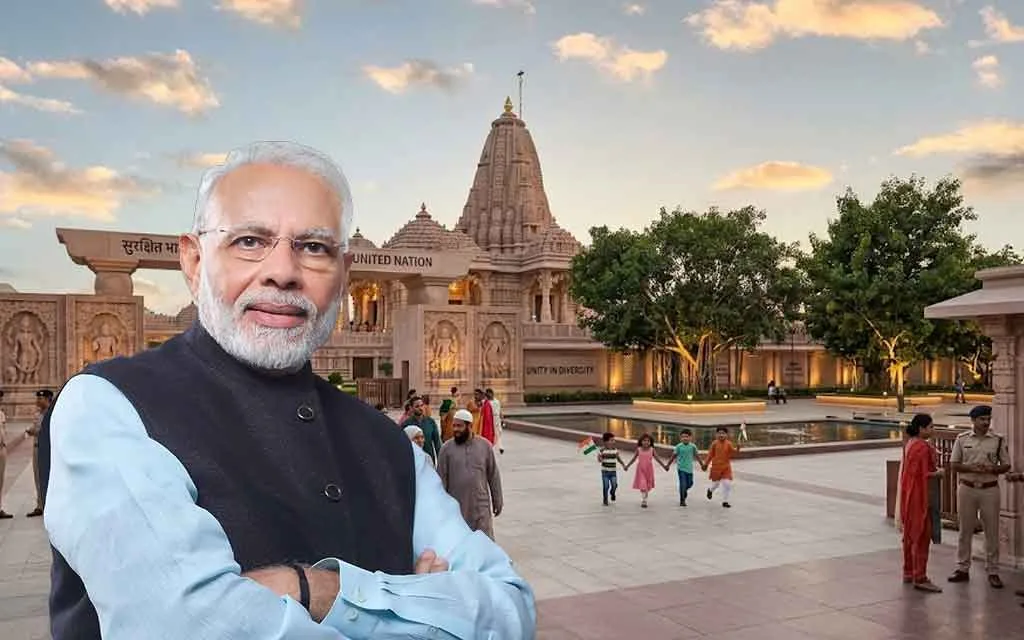
In an era of global uncertainties, the safety and well-being of religious communities remain a top priority.
In an era of global uncertainties, the safety and well-being of religious communities remain a top priority. For Hindus, who form the majority in India (about 80% of the population), the question of security under the Narendra Modi-led Bharatiya Janata Party (BJP) government has been a topic of discussion. Since Modi assumed office in 2014, his administration has implemented policies aimed at safeguarding Hindu traditions, promoting national unity, and addressing communal tensions. This post for www.hindutone.com delves into facts, statistics, and expert insights to examine if Hindus are indeed safer under the Modi government. We'll look at communal violence trends from 2014 to 2026, key protective measures, and challenges ahead, all while pursuing a balanced, truth-seeking perspective.
Understanding Communal Violence Trends in India (2014-2026)
Communal violence has been a persistent issue in India, but data shows mixed trends under Modi's tenure. According to reports from organizations like the Centre for Study of Society and Secularism, there was a significant over 50% drop in communal riots in 2025 compared to previous years, with only 14 mob violence incidents claiming eight lives in 2025 versus 13 in 2024. This suggests a shift toward more systemic forms of conflict resolution rather than outright riots, potentially indicating improved law enforcement and governance.
- Pre-2014 Context vs. Post-2014 Shifts: Before 2014, India witnessed major incidents like the 2002 Gujarat riots, which claimed over 1,000 lives, mostly Muslims. Under Modi, while critics point to a 28% rise in communal incidents between 2014 and 2017, overall statistics from 2014-2026 show a decline in large-scale riots. For instance, the National Crime Records Bureau (NCRB) data indicates fewer reported communal clashes in recent years, attributed to stricter policing and anti-riot measures.
- Specific Incidents Affecting Hindus: Hindus have faced violence in certain regions, such as ethnic clashes in Manipur (2023), where over 200 people died, including members of the majority Meitei (Hindu) community in conflicts with Kuki Zo groups. In Kashmir and parts of the Northeast, Hindus have occasionally been targeted, but government interventions like the abrogation of Article 370 in 2019 aimed to integrate and protect Hindu interests in Jammu and Kashmir.
- Statistics on Hindu Safety: As the majority community, Hindus experience lower targeted violence compared to minorities. Reports from Human Rights Watch and USCIRF note that while minorities like Muslims and Christians faced increased attacks (e.g., 44 cow-related lynchings from 2015-2018, mostly against Muslims), Hindus benefit from policies that align with cultural sentiments. In 2025, only a handful of incidents directly targeted Hindus, with most violence being inter-community rather than anti-Hindu.
These trends highlight that while challenges persist, the Modi government's focus on law and order has contributed to relative stability for Hindus.
Key Policies Protecting Hindus Under Modi Government
The BJP's governance has emphasized "Hindutva" – a cultural ideology promoting Hindu values – without necessarily endorsing violence. Here's how policies have enhanced Hindu safety:
1. Anti-Conversion Laws and Protection from Forced Conversions
Several states under BJP rule have enacted "anti-conversion" laws to prevent coerced religious changes, often seen as protecting Hindus from missionary activities. By 2026, these laws in states like Uttar Pradesh and Madhya Pradesh have reduced reported cases of forced conversions, fostering a sense of security among Hindu communities.
2. Cow Protection and Cultural Safeguards
Cow slaughter bans in multiple states address Hindu reverence for cows, reducing tensions from related conflicts. While critics argue this has led to vigilante actions (with 10 victims in 2017 alone, mostly non-Hindus), supporters view it as upholding Hindu traditions and preventing communal flare-ups.
3. Temple Reclamations and Cultural Revival
Initiatives like the Ram Temple inauguration in Ayodhya (2024) symbolize cultural pride and have been peaceful, boosting Hindu morale. The government has also invested in preserving Hindu heritage sites, enhancing community safety through cultural empowerment.
4. Response to Ethnic Violence
In Manipur and Haryana (e.g., Nuh clashes in 2023), the government deployed forces to curb violence, though delays in response have been criticized. Prime Minister Modi's interventions, like addressing Manipur after public outcry, show commitment to restoring peace.
These measures demonstrate a proactive approach to Hindu-centric issues, contributing to perceived safety.
Challenges and Criticisms: A Balanced View
While Hindus enjoy majority status, no discussion is complete without acknowledging broader concerns. International reports from Human Rights Watch and Pew Research highlight increased hate speech and violence against minorities since 2014, with 97% of cow vigilante attacks post-2014 targeting Muslims. This has sometimes escalated into communal clashes affecting all groups, including Hindus.
- Rise in Hate Speech: A 97% increase in hate events from 2023-2025, targeting minorities but spilling over into general unrest.
- Systemic Shifts: As per 2025 data, violence has moved from riots to "systemic forms," requiring ongoing vigilance.
Experts like those from USCIRF note deteriorating religious freedom, but Pew surveys show 65% of both Hindus and Muslims view communal violence as a major issue, indicating shared concerns.
Conclusion: Towards a Safer Future for All Hindus
Under the Modi government, Hindus have benefited from policies that prioritize cultural protection and law enforcement, leading to reduced large-scale riots and enhanced community pride. Statistics from 2014-2026 reflect progress in stability, though challenges like ethnic clashes and hate speech persist. For true safety, fostering interfaith dialogue is key.
At Hindutone.com, we believe in unity and truth. Share your thoughts in the comments: Do you feel safer under Modi's leadership? Subscribe for more insights on Hindu culture, rights, and current affairs. Jai Hind!
Author: Hindutone Editorial Team Published: March 1, 2026
Frequently Asked Questions
What is Hindus Safe Under Modi Government?
In an era of global uncertainties, the safety and well-being of religious communities remain a top priority. For Hindus, who form the majority in India (about 80% of the population), the question of security under the Narendra Modi-led Bharatiya Janata Party (BJP) government has been a topic of discussion.
What are the key points about Hindus Safe Under Modi Government?
Since Modi assumed office in 2014, his administration has implemented policies aimed at safeguarding Hindu traditions, promoting national unity, and addressing communal tensions. This post for www.hindutone.com delves into facts, statistics, and expert insights to examine if Hindus are indeed safer under the Modi government.
Why does Hindus Safe Under Modi Government matter in Hinduism?
It reflects core values of Sanatana Dharma and offers practical and spiritual guidance that remains relevant across generations.
How can devotees apply Hindus Safe Under Modi Government in daily life?
By reflecting on its teaching, incorporating the related practices or observances into daily routine, and approaching it with sincere devotion and understanding.
You might also like

Love Jihad: How Hindus and Hindu Girls Can Protect Themselves – Complete Guide for 2026

Brahmins in Indian History: Facts, Myths & Social Reality

Why Many Hindus Reject Valentine’s Day: Protecting Sanatan Dharma Values
