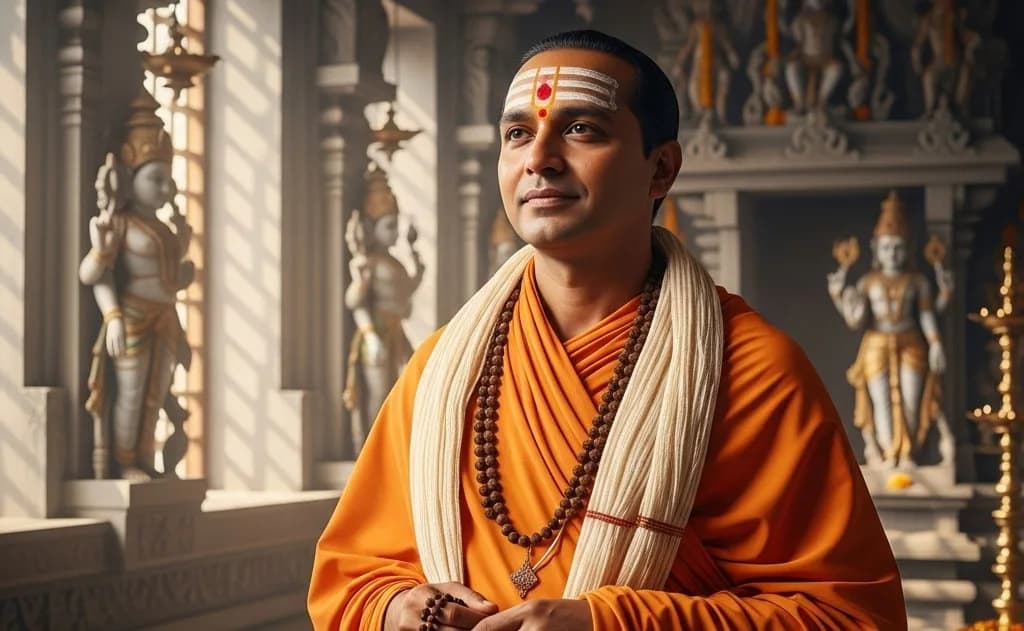
Relationship Between Tirupathi ganga Jathara and Sammakka Saralamma Jathara:
The Tirupati Ganga Jathara and Sammakka Saralamma Jathara in Telangana are both grand traditional festivals that celebrate local deities and showcase the…
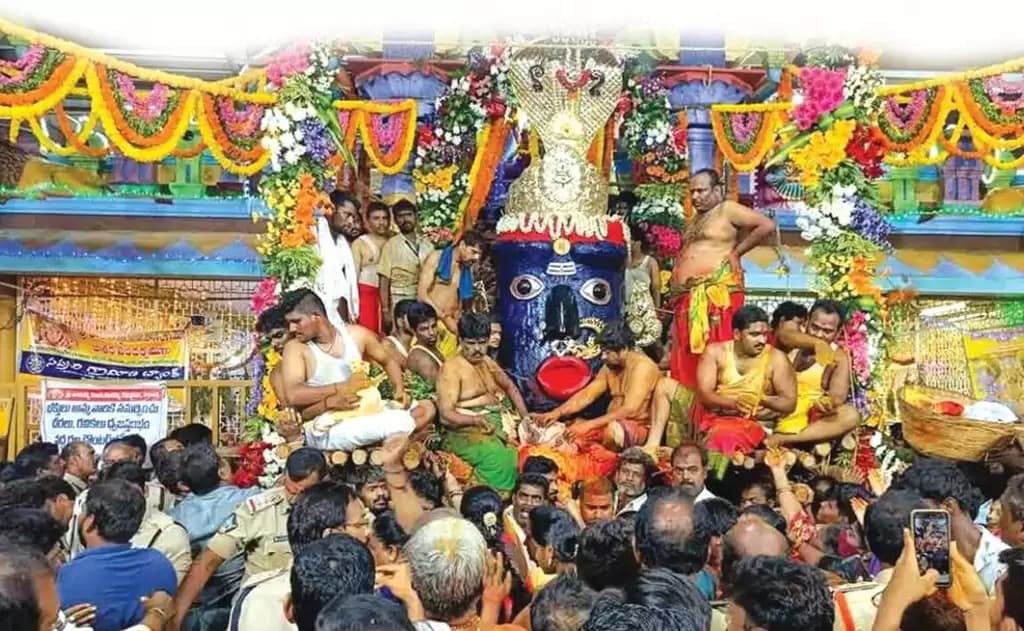
The Tirupati Ganga Jathara and Sammakka Saralamma Jathara in Telangana are both grand traditional festivals that celebrate local deities and showcase the…
The Tirupati Ganga Jathara and Sammakka Saralamma Jathara in Telangana are both grand traditional festivals that celebrate local deities and showcase the cultural richness of their respective regions. While they are distinct in their origins and practices, they share common themes of devotion, heritage, and community. Here's an exploration of their relationship and parallels:
- Common Themes of Worship Both festivals are deeply rooted in the worship of local guardian deities:
Tirupati Ganga Jathara honors Goddess Gangamma, the protector deity of Tirupati, believed to guard the town and its people from misfortunes. Sammakka Saralamma Jathara is dedicated to Goddesses Sammakka and Saralamma, tribal deities who represent courage, sacrifice, and the harmony of nature. Both festivals emphasize the connection between people, nature, and divine forces, reflecting similar spiritual philosophies. - Celebration of Folk Traditions Both festivals are deeply rooted in folk traditions and are celebrated with music, dance, and colorful rituals.
During the Ganga Jathara, devotees wear disguises and costumes, symbolizing the shedding of evil and embracing divine blessings. In the Sammakka Saralamma Jathara, tribal customs and rituals, such as offerings of jaggery and coconuts, take center stage, reflecting the traditions of indigenous communities. These traditions highlight the preservation of folk art and rituals in both Andhra Pradesh and Telangana.
- Massive Public Participation Both events attract millions of devotees from across India, making them among the largest gatherings in their respective regions.
Tirupati Ganga Jathara draws pilgrims visiting the famous Tirumala temple and celebrating the local deity. Sammakka Saralamma Jathara, celebrated in Medaram, Telangana, is Asia’s largest tribal festival, drawing lakhs of devotees to honor the courage of the goddess. This shared magnitude of devotion creates a cultural bond between the two festivals.
- Regional Pride and Identity The Tirupati Ganga Jathara is a hallmark of the cultural identity of Rayalaseema and southern Andhra Pradesh, symbolizing devotion and unity in the region. The Sammakka Saralamma Jathara is a celebration of Telangana's tribal heritage and the resilience of its people, reflecting their deep-rooted cultural pride. Both festivals serve as a source of inspiration and pride for their communities, fostering a sense of identity and belonging.
- Spiritual and Social Synergy While the two festivals are geographically and culturally specific, they embody similar values of devotion, gratitude to nature, and community bonding. Many devotees who participate in one may also visit the other, showcasing a shared reverence for regional traditions.
Conclusion The Tirupati Ganga Jathara and Sammakka Saralamma Jathara are treasures of Andhra Pradesh and Telangana, respectively. While they have distinct origins and practices, they share a common thread of spirituality, cultural richness, and communal harmony, making them complementary expressions of South Indian heritage.
What are the mythological origins behind Goddess Gangamma and the Sammakka-Saralamma lineage?
Goddess Gangamma of Tirupati is venerated as a Gramadevata — a village or town guardian — whose mythology is rooted in the Shakta tradition. Local oral texts and sthala puranas describe her as a fierce, independent form of Shakti who took on a demon to protect the inhabitants of the region around Sri Venkateswara's sacred hill. Her iconography is closely tied to the concept of Ugra Shakti, the wrathful, protective dimension of the Divine Mother found throughout the Devi Mahatmyam and Markandeya Purana.
Sammakka and Saralamma, by contrast, emerge from the lived history and sacred memory of the Koya tribal community of the Eturnagaram forest region in what is today Mulugu district, Telangana. According to tradition, Sammakka was a warrior chieftain's daughter discovered as an infant near a turmeric plant — an auspicious marker of divine origin — and later fought the Kakatiya rulers to protect her people's rights. Her daughter Saralamma died defending the same cause. This narrative of righteous resistance and self-sacrifice elevates both women to goddess status, a process of folk apotheosis deeply resonant with the concept of vira puja (hero worship) described in regional Shaiva and Shakta lineages.
How do the ritual offerings at both festivals reflect Telangana and Andhra's shared Shakta heritage?
At the Tirupati Ganga Jathara, the central ritual involves devotees offering turmeric paste (pasupu), neem leaves, and animal sacrifices to appease the goddess in her Ugra form. The use of turmeric is Shakta-specific, symbolising both the goddess's golden complexion and her healing, purifying energy. Devotees sometimes enter a trance state called 'vedam padatam', believed to signify direct divine possession, which mirrors the ecstatic worship described in the Devi Bhagavata Purana's accounts of Shakti pitha worship.
At the Medaram Sammakka Saralamma Jathara, held every two years in the Medaram village of Tadvai mandal, devotees famously offer vegunta (jaggery) by weight — the devotee's own body weight in jaggery is placed before the deity as a reciprocal vow. Coconuts, turmeric, and red cloth are also offered. This system of tulaabharam (offering by equal weight) is found in major Shakta and Vaishnava temples alike, most notably at Tirumala, and its presence at Medaram underscores how tribal and Vedic-Puranic streams of worship have long intertwined across the Deccan.
What role does the concept of Shakti Peethas and Gramadevatas play in connecting these two festivals?
Classical Sanskrit texts enumerate 51 or 108 Shakti Peethas across the subcontinent, but the living tradition of Shakti worship in the Deccan is far broader, encompassing thousands of locally consecrated Gramadevatas — female deities who guard specific villages, forests, and waterways. Goddess Gangamma of Tirupati belongs firmly in this Gramadevata tradition; her primary shrine near the Tirupati bus stand area is distinct from the Tirumala hill complex and has its own independent priestly lineage and festival calendar.
Sammakka and Saralamma occupy a parallel but distinct category: they began as historical or semi-historical figures who were deified, yet their worship now shares all the structural features of Gramadevata puja — periodic festivals, blood or substitute offerings, and the belief that the goddess physically descends (avataramu) to the festival site. The Medaram festival is organised around the symbolic 'arrival' of Sammakka from the forest — her presence represented by a small pot — which closely echoes the Gramadevata rite of installing the deity's power in a vessel (kalasha) found across both Andhra Pradesh and Telangana.
How do both festivals function as platforms for tribal and lower-caste communities to assert cultural sovereignty?
The Sammakka Saralamma Jathara is explicitly and proudly tribal in its governance: the rituals are conducted by priests drawn from the Koya and Kondareddy communities, and the Telangana state government officially recognises the festival's tribal custodianship. This is a remarkable preservation of indigenous religious authority in an era when many folk shrines have seen their rituals absorbed into Brahmanical management structures. The festival thus functions simultaneously as a spiritual gathering and an assertion of Adivasi identity, drawing Scheduled Tribe communities from Chhattisgarh, Odisha, Maharashtra, and Madhya Pradesh alongside local devotees.
The Tirupati Ganga Jathara similarly centres communities historically marginalised in the caste order — particularly washermen (Chakali), potters (Kummari), and fisherfolk — who hold hereditary roles in the festival's rituals, processions, and the preparation of the goddess's idol. The festival's most distinctive feature, the cross-dressing of male devotees as the goddess, is an act of radical devotional equalisation: it dissolves conventional social boundaries in the presence of Shakti. Scholars of South Indian religious practice have noted that Gramadevata festivals across Andhra and Telangana consistently serve this socially integrative function, even when the broader caste system remains operative outside the festival space.
What is the administrative and cultural significance of both festivals receiving state recognition?
The Telangana state government has accorded the Sammakka Saralamma Jathara the status of a state festival, deploying thousands of police personnel, temporary medical camps, and pontoon bridges across the Jampanna Vagu stream to manage the millions of pilgrims who converge on Medaram. The Andhra Pradesh government similarly supports the Tirupati Ganga Jathara through the local municipal corporation and the Tirumala Tirupati Devasthanams (TTD), ensuring infrastructure, security, and sanitation during the week-long celebrations. This state patronage echoes the ancient practice of royal sponsorship of utsavas described in texts like the Agni Purana and Manasollasa, where kings were expected to fund and protect public religious festivals as a duty of dharmic governance.
Beyond logistics, state recognition has elevated both festivals in India's cultural calendar, making them reference points for regional tourism and soft-power diplomacy. Documentaries, academic symposia, and cultural exchanges have followed this recognition, bringing these once purely local traditions to national and international audiences. Importantly, neither festival has lost its grassroots character despite this institutionalisation — the core rituals at both Tirupati and Medaram remain in the hands of their traditional communities, offering a workable model for balancing state support with community ownership of living heritage.
Frequently Asked Questions
What is Relationship Between Tirupathi ganga Jathara?
The Tirupati Ganga Jathara and Sammakka Saralamma Jathara in Telangana are both grand traditional festivals that celebrate local deities and showcase the cultural richness of their respective regions. While they are distinct in their origins and practices, they share common themes of devotion, heritage, and community.
What are the key points about Relationship Between Tirupathi ganga Jathara?
Here's an exploration of their relationship and parallels: Common Themes of Worship Both festivals are deeply rooted in the worship of local guardian deities: Tirupati Ganga Jathara honors Goddess Gangamma, the protector deity of Tirupati, believed to guard the town and its people from misfortunes. Sammakka Saralamma Jathara is dedicated
Why does Relationship Between Tirupathi ganga Jathara matter in Hinduism?
It reflects core values of Sanatana Dharma and offers practical and spiritual guidance that remains relevant across generations.
How can devotees apply Relationship Between Tirupathi ganga Jathara in daily life?
By reflecting on its teaching, incorporating the related practices or observances into daily routine, and approaching it with sincere devotion and understanding.
You might also like
Purushottam Maas 2026: Lord Vishnu's Sacred Gift of Spiritual Multiplication & Divine Grace
Hindu Priest Jobs New Zealand 2026 — Auckland, Wellington, Christchurch Vacancies & NZ Religious Worker Visa Guide
Hindu Priest Jobs Malaysia 2026 — Batu Caves, KL, Penang Vacancies & Tamil Hindu Career Guide