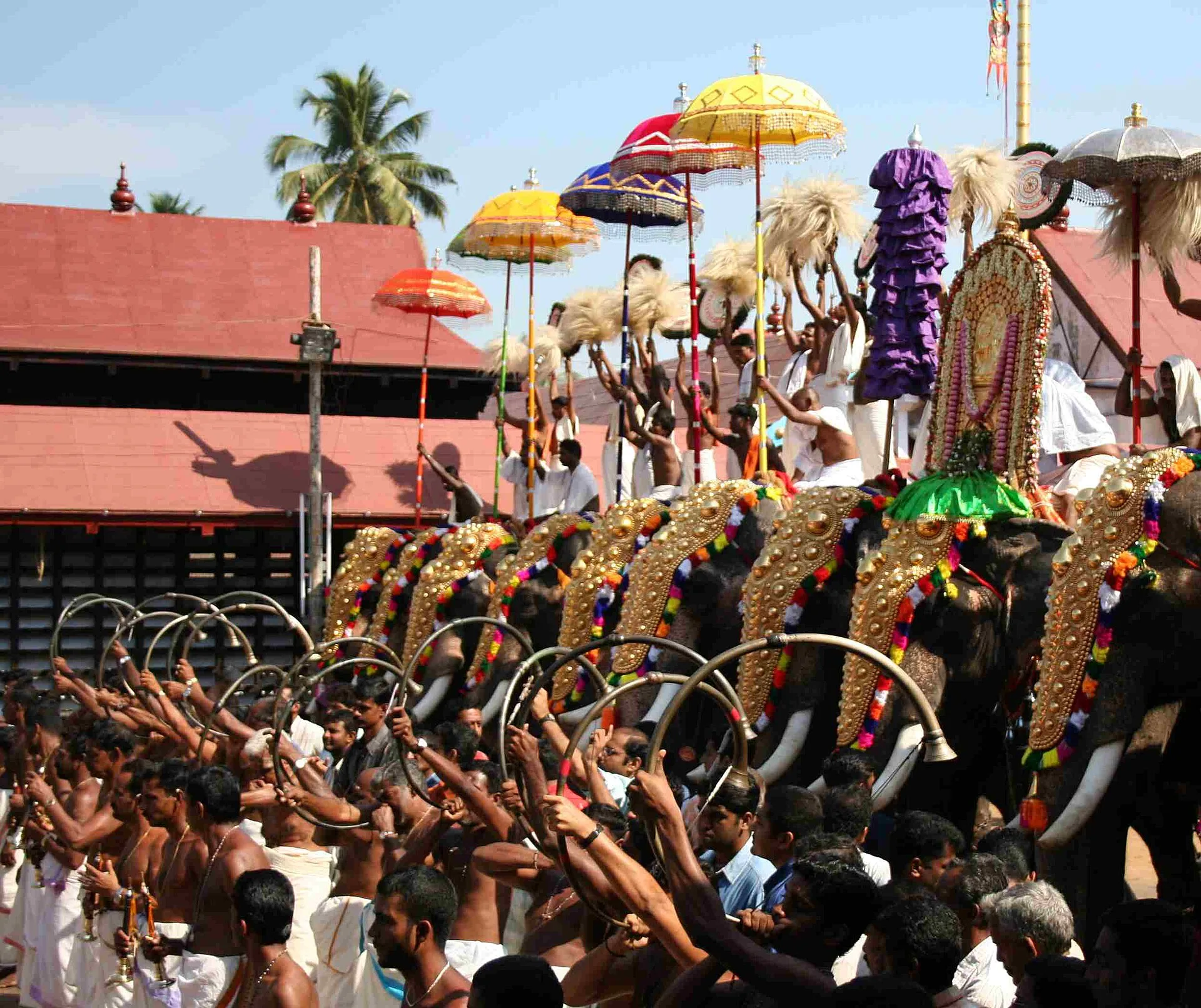
Shaniwar Wada, one of Pune's most iconic landmarks
Shaniwar Wada, one of Pune's most iconic landmarks, celebrates 293 years of rich history today!
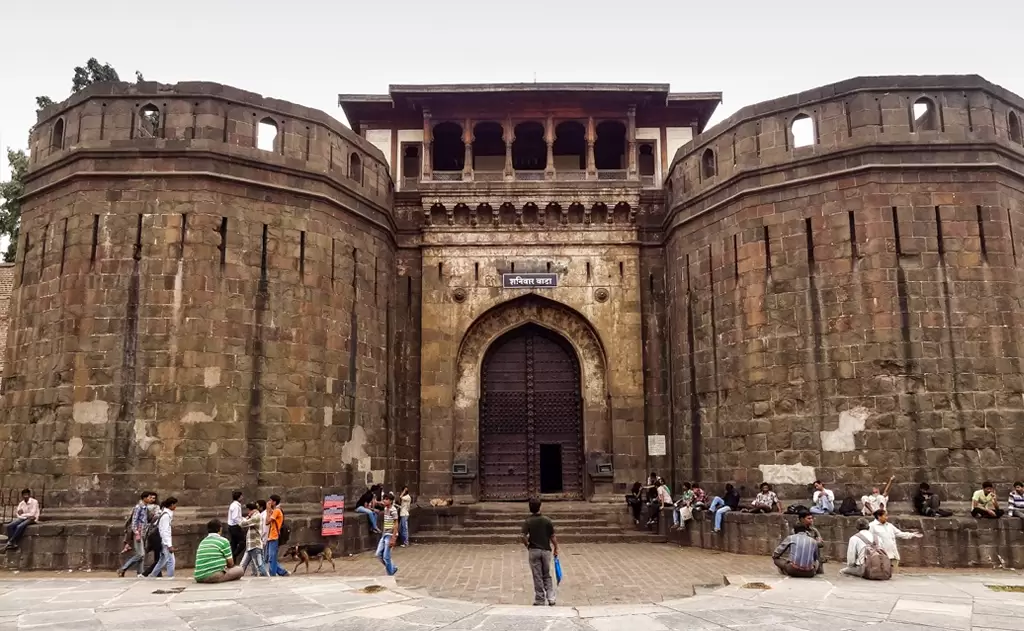
Shaniwar Wada, one of Pune's most iconic landmarks, celebrates 293 years of rich history today! Built in 1732, this majestic fort stands as a symbol of the Peshwa era, representing the glory of the Maratha Empire. Situated in the heart of Pune, Shaniwar Wada is renowned for its grand architecture, cultural significance, and tales of intrigue and valor.
A Glimpse into History:
Commissioned by: Bajirao I, the great Peshwa of the Maratha Empire.
Historical Significance: It served as the political headquarters of the Peshwas, witnessing the zenith of Maratha power.
Architectural Marvel: Known for its massive Delhi Darwaza, intricate carvings, and once-majestic fountains.
Highlights for Punekars and Travelers:
Light and Sound Show: Relive the Maratha legacy through an engaging evening experience.
Rich Cultural Vibes: Perfect for history enthusiasts, photographers, and tourists.
Maharashtra Tourism Hub: Shaniwar Wada is a must-visit for anyone exploring Pune's historical forts.
As a Puneri pride, this fort continues to captivate locals and visitors alike with its timeless charm. If you're in Pune, take a moment to visit Shaniwar Wada today and honor the city’s incredible heritage!
ShaniwarWada #PuneForts #MaharashtraTourism #PuneriHeritage #PuneCity #ShaniwarWadaPune
Who was Bajirao I and why did he choose Pune for the Peshwa seat of power?
Bajirao I, born in 1700 CE, was the son of Balaji Vishwanath, the first Peshwa of the Maratha Empire under Chhatrapati Shahu Maharaj. He is widely regarded as one of the greatest cavalry commanders in Indian history, never having lost a single battle across his forty-one military campaigns. His decision to establish a permanent administrative capital at Pune reflected his vision of consolidating Maratha authority across the Deccan plateau and beyond.
Before Shaniwar Wada was constructed, the Peshwas operated largely from mobile war camps. By commissioning a fortified wada — a traditional Marathi residential-administrative compound — on the banks of the Mutha river on a Saturday (Shaniwar) in 1730, Bajirao I gave the Maratha Empire a fixed political identity. The choice of location near the confluence of the Mutha and Mula rivers was deliberate, providing both defensive advantage and easy access to trade routes.
What is the architectural and sacred symbolism embedded in Shaniwar Wada's design?
Shaniwar Wada was constructed following principles rooted in traditional Marathi and Hemadpanthi architectural sensibilities, which themselves draw from the Manasara and Mayamata Vastu Shastra traditions. The fort originally encompassed five main gates, each named after a significant direction or destination: Delhi Darwaza (north), Mastani Darwaza, Khidki Darwaza, Ganesh Darwaza, and Narayan Darwaza. The Ganesh Darwaza, named after Lord Ganesha — the Vighnaharta and presiding deity of the Peshwas — reflects the deep Shaiva-Shakta-Vaishnava devotional fabric woven into Maratha statecraft.
The interiors once housed a grand Hazari Karanje, a fountain with a thousand jets, symbolising prosperity and abundance in the tradition of royal Maratha gardens. The complex also contained a Thorlya Rayancha Divan Khana, the great hall of audience, where strategic decisions that shaped the subcontinent were made. The lotus motif appearing repeatedly in carvings across the fort is a direct invocation of Padma, associated with Lakshmi and divine sovereignty (aiśvarya) in the Vedic tradition.
How does Shaniwar Wada connect to the religious and dharmic life of the Peshwas?
The Peshwas were devout Chitpavan Brahmins who observed rigorous Vedic rituals and maintained close relationships with the Shankaracharya tradition. Within the Shaniwar Wada complex, regular puja, homa, and satyanarayan kathas were conducted, and the festival of Gudi Padwa — marking the Marathi New Year and considered auspicious for new beginnings — was celebrated with great pomp. The Peshwas also patronised the nearby Kasba Ganpati temple, which holds the title of Gramadevata (presiding village deity) of Pune, a designation that continues to this day.
Bajirao I himself was a devoted worshipper of Lord Shiva and the goddess Renuka (a form of Shakti), and he regularly performed Rudrabhisheka before major military expeditions. This integration of dharmic practice into statecraft was not ceremonial alone — it reflected the Maratha understanding that righteous kingship (Rajadharma), as outlined in texts like the Shanti Parva of the Mahabharata, demanded spiritual discipline alongside military prowess.
What is the story of the mysterious fire of 1828 and its historical aftermath?
On 27 February 1828, a massive fire broke out inside Shaniwar Wada and burned for seven days, destroying almost the entire interior of the complex. The origin of the fire has never been conclusively established, and it remains one of the great unsolved mysteries of Pune's history. By this time, the Peshwa dynasty had already ended — the last Peshwa, Baji Rao II, had been defeated by the British East India Company at the Battle of Khadki in November 1817, effectively dissolving Maratha political sovereignty.
What survived the fire were primarily the massive outer bastion walls built with teak wood and locally quarried stone (locally called Deccan basalt), which still stand today and give the fort its imposing silhouette. The ruins, rather than diminishing the site's significance, transformed it into a powerful symbol of remembrance — what the Marathas had built, and what was lost through both betrayal and colonial conquest. For many Pune residents, the fort embodies the concept of vairagya, the Hindu philosophical understanding of impermanence, even in worldly glory.
What is the cultural and spiritual significance of the Light and Sound Show at Shaniwar Wada?
The nightly Light and Sound Show conducted at Shaniwar Wada is among the most attended heritage experiences in Maharashtra. Narrated in Marathi and Hindi, the show traces the rise of the Maratha Empire from Chhatrapati Shivaji Maharaj through the Peshwa era, bringing to life key events such as the Battle of Panipat (1761) and the political intrigues of the late Peshwa period. The dramatic backdrop of the illuminated fort walls, with the Deccan night sky overhead, creates an atmosphere of what storytelling traditions call itihasa-smaran — the living remembrance of history.
Beyond entertainment, the show serves a deeper cultural purpose: it reconnects younger generations of Maharashtrians with the memory of a civilisation that championed Hindavi Swarajya — the concept of self-rule rooted in dharmic governance, first articulated by Chhatrapati Shivaji Maharaj. Shivaji drew inspiration from the Ramayana and Mahabharata in framing his vision of righteous kingship, and the Peshwas carried that tradition forward. The show, in this sense, is not merely tourism — it is a living act of cultural and spiritual heritage preservation.
Frequently Asked Questions
Who built Shaniwar Wada and why?
Bajirao I, the Peshwa of the Maratha Empire, commissioned it. Before it, the Peshwas operated largely from mobile war camps, and the wada gave the empire a fixed political headquarters at Pune.
What happened in the 1828 fire at Shaniwar Wada?
On 27 February 1828 a massive fire burned for seven days and destroyed almost the entire interior. Its origin has never been conclusively established, and the outer bastion walls survived.
What are the main gates of Shaniwar Wada?
The fort originally had five main gates: Delhi Darwaza, Mastani Darwaza, Khidki Darwaza, Ganesh Darwaza and Narayan Darwaza. The Ganesh Darwaza is named after Lord Ganesha, the presiding deity of the Peshwas.
What is the Light and Sound Show at Shaniwar Wada?
It is a nightly show narrated in Marathi and Hindi that traces the Maratha Empire from Chhatrapati Shivaji Maharaj through the Peshwa era, including the Battle of Panipat (1761).
What religious life did the Peshwas follow at Shaniwar Wada?
They were devout Chitpavan Brahmins who held regular puja, homa and satyanarayan kathas in the complex and celebrated Gudi Padwa. They also patronised the nearby Kasba Ganpati temple, the Gramadevata of Pune.
Why is Shaniwar Wada worth visiting for travellers?
It is a landmark in the heart of Pune known for the Delhi Darwaza, intricate carvings and the remains of its fountains. It suits history enthusiasts and photographers, and the evening show adds to the visit.
Share this with family and friends
Send it on WhatsApp, post it, or copy the link.
More from Hinduism
- Quantum Computing Explained for Hindus: Qubits, Superposition and Entanglement, with Vedanta Analogies (Not Equivalences)
- Madhava of Sangamagrama and the Kerala School: The Infinite Series for Pi, Sine and Arctangent, Worked Out Step by Step
- Vedic Mathematics: Myth vs Fact. Bharati Krishna Tirtha's 16 Sutras, Where They Come From, and What Still Works
- Pingala and Binary Numbers: Laghu-Guru Patterns, Prastara and the Meru Prastara (Pascal's Triangle) Explained
- Did NASA Say Sanskrit Is the Best Language for Computers? What Rick Briggs' 1985 Paper Actually Said
You might also like
AI and the Sanskrit Revival in 2026: Language Models, Manuscript OCR, Translation Tools and What AI Still Gets Wrong

Can a Robot Perform Puja? Robot Aarti, AI in Rituals and What Hindu Tradition Says

GitaGPT and AI Bhagavad Gita Chatbots: How Accurate Are They, and What Does Hindu Tradition Say?