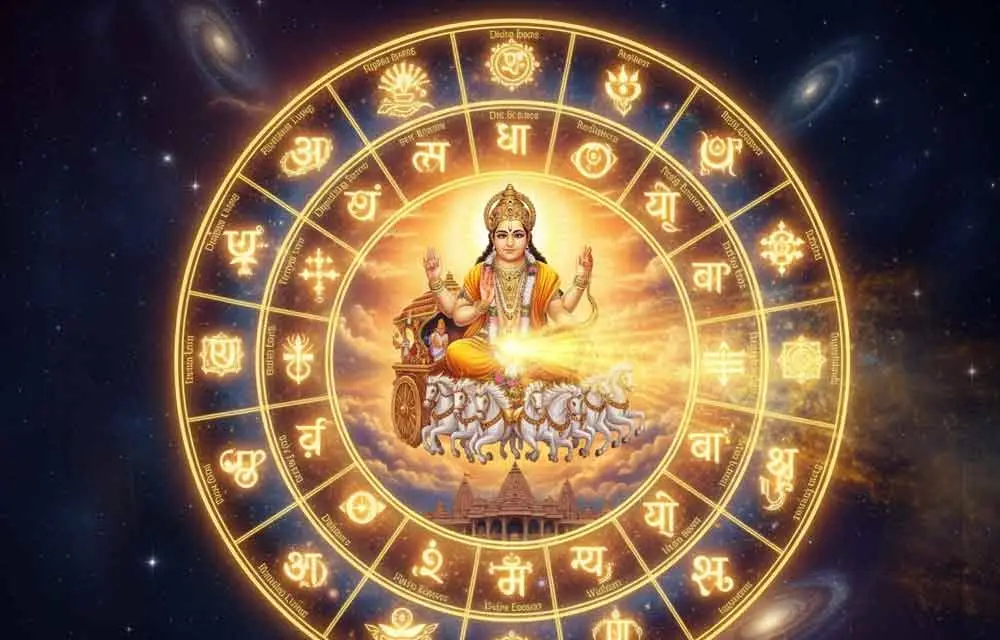
Vidhiya: Significance, Rituals, Mantras, Myths, and Stories in Hinduism
Introduction to Vidhiya Vidhiya, also known as Dwitiya, is the second day of both the Shukla Paksha (waxing phase of the moon) and Krishna Paksha (waning…
Introduction to Vidhiya
Vidhiya, also known as Dwitiya, is the second day of both the Shukla Paksha (waxing phase of the moon) and Krishna Paksha (waning phase) of the Hindu lunar calendar. This day is significant for performing religious rituals and prayers, particularly those aimed at overcoming obstacles, launching new ventures, and seeking divine blessings. Vidhiya is celebrated with great reverence within Hindu traditions and festivals, prominently during occasions like Bhai Dooj and Gudi Padwa.
The Importance of Vidhiya in Hinduism
Vidhiya is regarded as a day of positive beginnings and embodies duality, making it ideal for activities involving partnerships and mutual agreements. Spiritually, it is a time to seek divine assistance in clearing obstacles and ensuring smooth progress. Astrologically, Vidhiya is crucial for determining auspicious timings for both religious activities and personal endeavors.
Types of Vidhiya in Hinduism
- Shukla Paksha Vidhiya: This is the second day of the waxing moon phase, deemed particularly auspicious for growth and new beginnings.
- Krishna Paksha Vidhiya: This marks the second day of the waning moon phase, typically associated with introspection, cleansing, and obstacle removal.
Key Rituals and Poojas on Vidhiya
- Vidhiya Pooja Guidelines: Devotees perform specific rituals focusing on removing obstacles and fostering new beginnings, involving offerings such as fruits, flowers, and incense, accompanied by mantra chanting.
- Important Ceremonies: Many initiate new ventures or conduct housewarming ceremonies on this auspicious day.
- Monthly Observances: Occurring twice a month, Vidhiya is regularly observed by some Hindus through poojas and divine guidance.
Celebrating Vidhiya in Various Festivals
- Bhai Dooj: Celebrated on Shukla Paksha Vidhiya, this festival honors the brother-sister bond, where sisters pray for their brothers’ well-being.
- Gudi Padwa: In Maharashtra, this festival falls on Shukla Paksha Vidhiya of Chaitra month, marked by joyous celebrations and the hoisting of the “Gudi” for prosperity and good luck.
Mantras for Vidhiya Pooja
- Om Gam Ganapataye Namah: Dedicated to Lord Ganesha to remove obstacles and bring success.
- Om Namo Narayanaya: Invokes Lord Vishnu’s blessings for protection, prosperity, and spiritual growth.
- Vidhiya-specific Mantras: Devotees also recite regional prayers emphasizing Vidhiya’s significance.
Which God Should We Pray on Vidhiya?
- Lord Vishnu: Often worshipped on Vidhiya for blessings of prosperity and spiritual growth.
- Lord Ganesha: Invoked for his obstacle-removing powers, essential before commencing any new endeavor.
Myths and Stories Associated with Vidhiya
- The Tale of Bhai Dooj: Where Yamraj, the god of death, blesses his sister Yamuna, symbolizing the protective nature of this relationship.
- Lord Ganesha’s Story: Highlights the importance of seeking Ganesha’s blessings to ensure the success of new ventures.
Conclusion: The Timeless Importance of Vidhiya
Vidhiya is a pivotal day that offers a fresh start for new ventures and spiritual endeavors. By aligning with the divine through the worship of deities like Vishnu and Ganesha, believers can harness the auspicious energies of Vidhiya to navigate life’s challenges and embrace opportunities for growth and prosperity. Whether celebrated through rituals like Ugadi, Gudi Padwa, or Navaratri, Vidhiya encourages harmony with nature’s cycles and celestial rhythms, fostering a life enriched with spiritual depth and communal bonds.
What do the Vedas and Puranas say about Dwitiya Tithi?
The Dwitiya tithi occupies a defined place in Vedic jyotisha (astrology) as a tithi governed by Brahma, the creator deity. The Brahma Purana describes the second lunar day as inherently generative, drawing its sacred quality from the moment Brahma is said to have commenced the act of creation — a duality of intention and execution mirroring the dual nature of Dwitiya itself.
The Dharmasindhu, a classical Sanskrit digest of ritual law, classifies Dwitiya among the 'Rikta' tithis only in certain nakshatra combinations, and otherwise counts it among tithis favorable for auspicious karmas (shubha karyas). The Vishnu Dharmottara Purana further elaborates that prayers offered on Dwitiya reach the deity with doubled efficacy when paired with the recitation of the Dvitiya Suktam — verses specifically addressed to Chandra (the Moon), whose waxing or waning governs the tithi's precise character.
Which deities are specifically worshipped on Vidhiya and why?
Chandra Deva (the Moon god) is the presiding deity of Dwitiya tithi, and devout Hindus offer arghya — a ritual water libation — to the crescent moon on this day, especially during Shukla Paksha Vidhiya. Prayers to Chandra are believed to calm the mind, improve memory, and promote harmonious relationships, qualities associated with the Moon's subtle influence over human consciousness as described in the Rig Veda's Soma hymns (Mandala IX).
Goddess Parvati is also closely associated with Vidhiya, particularly in the context of her half-moon adornment (Chandrakala) on her forehead as Ardhanari. In South Indian temple tradition — notably at the Meenakshi Amman Temple in Madurai and the Kamakshi Amman Temple in Kanchipuram — the second day of Shukla Paksha is observed with special abhishekam and alankara (ritual bath and decoration) for the Goddess. Lord Yama, the god of dharma and death, is also propitiated on the Dwitiya of Kartika Shukla Paksha, which is the occasion of Yama Dwitiya, more commonly known as Bhai Dooj.
The mythological story behind Yama Dwitiya and Bhai Dooj
The Skanda Purana records the story of Yamuna (the sacred river goddess) inviting her brother Yama, the god of death, to her home on the second day of the bright half of Kartika month. She welcomed him with a ritual bath, anointed his forehead with a tilak, and offered him a ceremonial meal. Yama, deeply moved, declared that any sister who performs this ritual for her brother on this day would secure for him liberation from the fear of untimely death.
This narrative establishes the theological core of Bhai Dooj: the tilak applied by the sister is not merely an affectionate gesture but a sankalpa (sacred vow) invoking Yama's own blessing. The ritual is therefore considered a form of protective kavach (armor) for the brother, sanctified by Yamuna's precedent. The Bhavishya Purana also references this story in its Uttara Parva, describing the full rite including the preparation of fourteen types of sweets, symbolizing the fourteen worlds over which Yama presides.
Key mantras chanted on Vidhiya and their significance
The Chandra Gayatri Mantra — 'Om Kshira Putraya Vidmahe Amrita Tatvaya Dhimahi Tanno Chandrah Prachodayat' — is among the most frequently recited prayers on Dwitiya tithi. This mantra invokes Chandra as the son of the celestial ocean of milk (Kshira Sagara) and seeks the nectar-essence (amrita tatva) he embodies, aligning the devotee's mind with lunar calm and clarity.
For obstacle removal specifically associated with Krishna Paksha Vidhiya, practitioners chant the Ganesha mantra 'Om Gam Ganapataye Namah' alongside offerings of durva grass and modaka sweets, as Ganesha's role as Vighnaharta (remover of obstacles) complements the cleansing energy of the waning moon phase. Some traditions in Karnataka and Andhra Pradesh also recite the Runa Vimochana Stotram on this day, seeking release from debts — financial, karmic, and relational — that impede new beginnings.
How is Vidhiya observed in regional temple traditions across India?
At the Srirangam Sri Ranganathaswamy Temple in Tamil Nadu, the Dwitiya of each Shukla Paksha is marked by the Thiruvanandal Seva, a special processional ritual where the deity is carried through the inner prakarams under torchlight. In Maharashtra, the Gudi Padwa celebrations at temples dedicated to Lord Brahma — rare as they are, with a notable one in Pushkar, Rajasthan — include the installation of the Gudi (a decorated pole) that specifically mirrors the creative energy of Dwitiya as the second phase of the new year.
In Odisha, the Dwitiya tithi of Bhadrapada Shukla Paksha is observed as Dola Dwitiya or Bahula Dwitiya, during which cows and calves are worshipped in a ceremony rooted in the Bhagavata Purana's glorification of Surabhi, the divine cow. In North India, particularly in Mathura and Vrindavan, the Dwitiya tithi of every month is associated with remembrance of Radha-Krishna's early sacred encounters, and the temples conduct extended kirtan sessions reflecting the intimate, dual aspect of divine love that Dwitiya symbolizes.
Astrological guidelines for choosing auspicious activities on Vidhiya
In classical Hindu jyotisha, the Dwitiya tithi is classified as a Bhadra tithi — one belonging to the auspicious middle category — making it well-suited for activities that require sustained growth rather than explosive new starts. The Muhurta Chintamani, a key text on electional astrology, recommends Dwitiya for marriage negotiations, beginning education (vidyarambha), travel, trade agreements, and the planting of crops, since the tithi carries the quality of building upon what has been initiated.
Astrologers advise particular attention to the nakshatra coinciding with Dwitiya when selecting a muhurta (auspicious moment). Dwitiya falling under Rohini, Mrigashira, or Pushya nakshatras is considered especially powerful for new ventures and partnerships. Conversely, when Dwitiya coincides with Bharani or Krittika nakshatras in Krishna Paksha, it is generally reserved for spiritual austerities and ancestor-related rites (pitru karma) rather than worldly undertakings. Consulting a qualified jyotishi remains the traditional recommendation for precise muhurta selection.
Frequently Asked Questions
What is the Vidhiya?
Introduction to Vidhiya Vidhiya, also known as Dwitiya, is the second day of both the Shukla Paksha (waxing phase of the moon) and Krishna Paksha (waning phase) of the Hindu lunar calendar. This day is significant for performing religious rituals and prayers, particularly those aimed at overcoming obstacles, launching new ventures, and seeking divine blessin
How many times should the Vidhiya be chanted?
It is traditionally chanted 108 times using a rudraksha or tulsi mala. Even 11 or 21 sincere repetitions daily are considered beneficial — steady, focused practice matters more than the count.
What is the best time to chant the Vidhiya?
Dawn (Brahma Muhurta) after a bath is considered ideal, though it may be chanted any time with a calm, focused mind. Many devotees keep a fixed daily time to build consistency.
Who can chant the Vidhiya?
Anyone may chant it with faith and a pure mind, regardless of age, gender or background. Beginners benefit from first hearing the correct pronunciation and understanding its meaning.
What are the benefits of chanting the Vidhiya?
It is believed to calm the mind, dissolve negativity, and draw divine grace, protection and clarity to the devotee.
Share this with family and friends
Send it on WhatsApp, post it, or copy the link.
More from Hinduism
- AI and the Sanskrit Revival in 2026: Language Models, Manuscript OCR, Translation Tools and What AI Still Gets Wrong
- Can a Robot Perform Puja? Robot Aarti, AI in Rituals and What Hindu Tradition Says
- GitaGPT and AI Bhagavad Gita Chatbots: How Accurate Are They, and What Does Hindu Tradition Say?
- Robotic Elephants and AI in Hindu Temples: Kerala's Mechanical Tuskers, Tirumala's AI Command Centre and the Debate
- Quantum Computing Explained for Hindus: Qubits, Superposition and Entanglement, with Vedanta Analogies (Not Equivalences)
You might also like
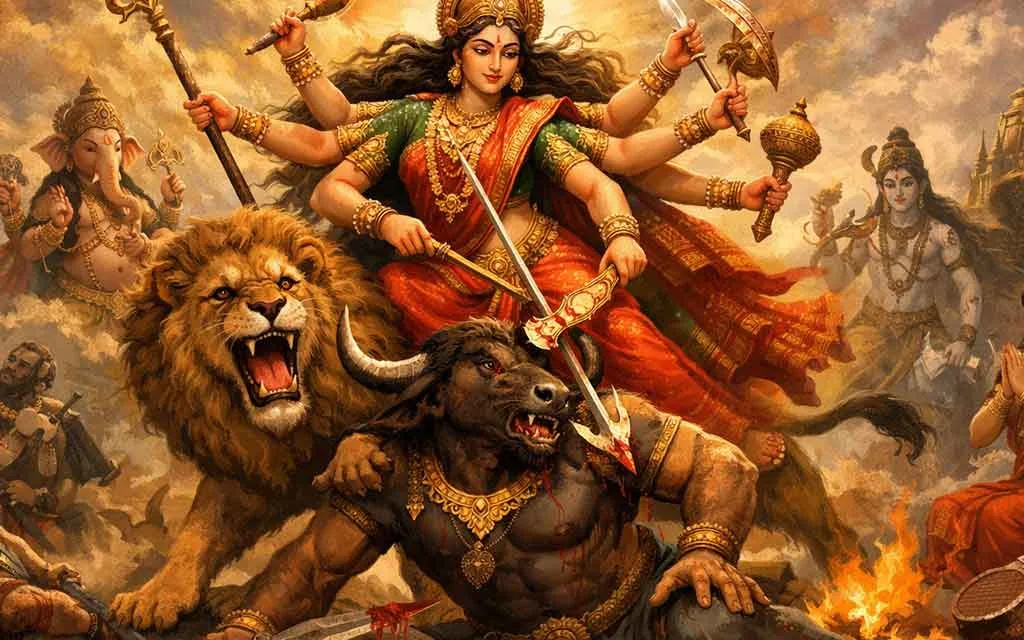
Mahishasura Mardini Stotram (Aigiri Nandini): Full Sanskrit Lyrics, IAST and Meaning
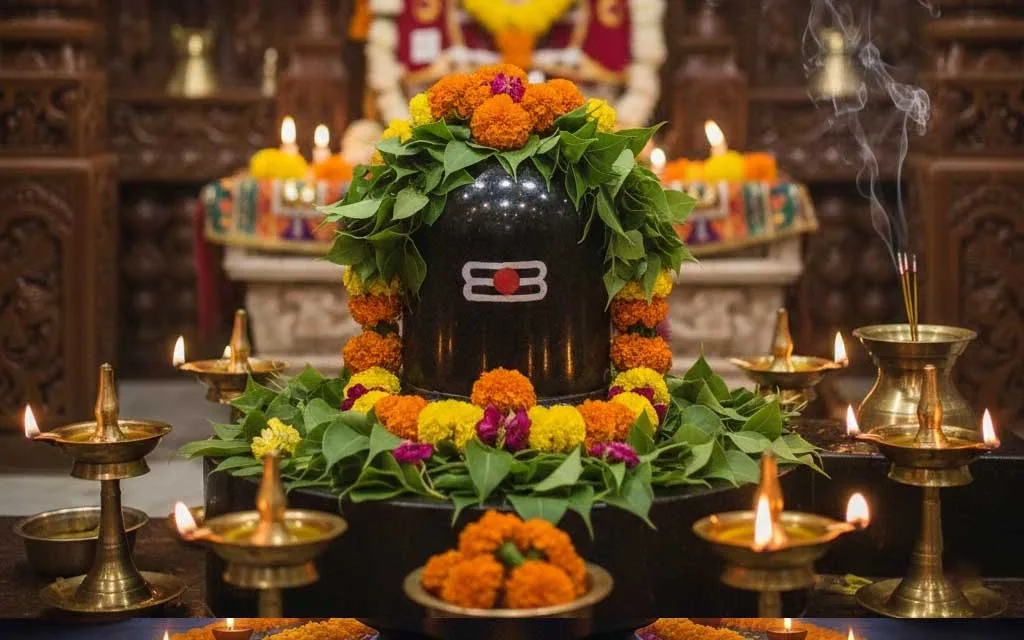
Maha Mrityunjaya Mantra for Hindus
Yantra vs Mantra vs Tantra — What Is the Difference? | Complete Hindu Guide