How Hindus Celebrated New Year 2026: A Devotional Journey of Faith and Renewal
How Hindus Celebrated New Year 2026: A Devotional Journey of Faith and Renewal As the first rays of dawn touched the earth on January 1, 2026, millions of…
How Hindus Celebrated New Year 2026: A Devotional Journey of Faith and Renewal As the first rays of dawn touched the earth on January 1, 2026, millions of…
How Hindus Celebrated New Year 2026: A Devotional Journey of Faith and Renewal
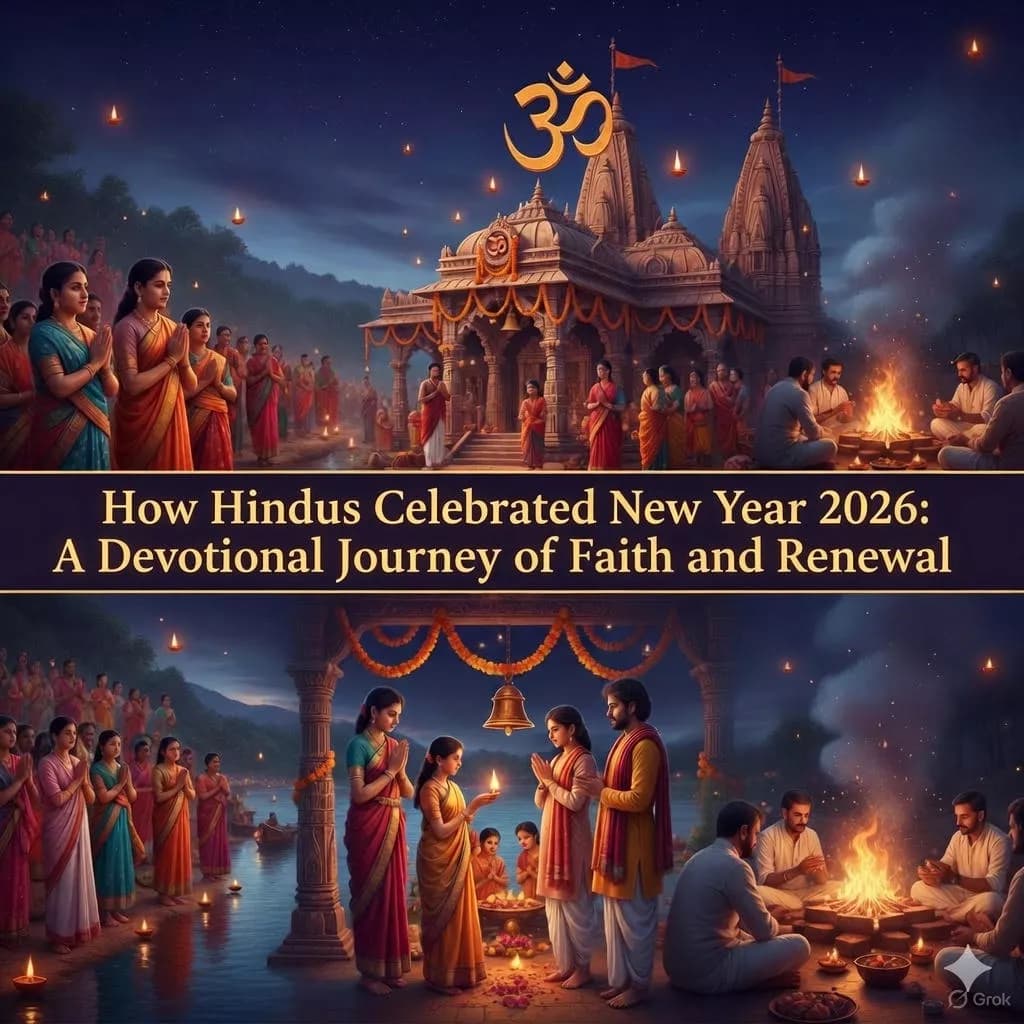
As the first rays of dawn touched the earth on January 1, 2026, millions of Hindu hearts turned toward the Divine in quiet gratitude and hopeful surrender. While the world marked the Gregorian New Year with noise and splendor, devout Hindus welcomed 2026 with deep spiritual devotion, seeing every new beginning as an opportunity to draw closer to Bhagavan. This sacred transition was not merely a change of calendar, but a divine invitation to purify the soul, seek blessings, and recommit to the eternal path of dharma.
Awakening with Divine Remembrance
In countless Hindu homes across Bharat and beyond, the day began long before sunrise. Devotees rose in Brahmamuhurta, the auspicious hour before dawn, to bathe and adorn themselves in fresh clothes as an offering of purity to the Lord. The soft chanting of “Om Namo Narayanaya,” “Jai Shri Ram,” and “Hare Krishna” filled the air as families gathered before their home shrines.
Mothers lit the first diya of the year, its gentle flame symbolizing the eternal light of knowledge dispelling the darkness of ignorance. Flowers freshly picked from gardens—marigolds, jasmine, and lotus—were offered at the feet of beloved deities: Shri Ganesha for auspicious beginnings, Maa Lakshmi for abundance born of righteousness, and Lord Vishnu as the eternal preserver of the universe. The fragrance of incense mingled with the sweet aroma of tulsi leaves, creating an atmosphere saturated with divine presence.
Seeking Darshan and Divine Grace
Temples across India overflowed with sincere devotees on this sacred morning of January 1, 2026. From the ancient shrines of Kashi and Tirupati to neighborhood mandirs in every town and village, long queues formed not out of obligation, but out of loving yearning for darshan.
At Vaishno Devi, Siddhivinayak, and Shirdi Sai Baba temples, devotees stood patiently for hours, their hearts filled with prayers for the welfare of all beings. The sound of temple bells mingled with devotional bhajans: “Govinda Bolo Hari Gopal Bolo” and “Raghubar Ke Charan Mein Sharan Lelo.” Many offered special New Year archana, praying for spiritual progress, removal of inner obstacles, and the grace to walk the path of truth throughout the coming year.
Satsang and Sharing of Divine Wisdom
In ashrams and spiritual centers worldwide, enlightened souls conducted special satsangs on the first day of 2026. Swamis and sadhus spoke of the timeless truth that every moment is a new beginning in the eyes of God. They reminded devotees that true renewal comes not from external celebrations, but from turning inward—letting go of past regrets, forgiving others, and surrendering the ego at the lotus feet of the Divine.
Stories from the Puranas were shared: how Lord Rama began each new phase of His life with complete surrender to dharma, how Shri Krishna guided Arjuna to see every challenge as an opportunity for divine communion. Devotees were encouraged to make sankalpa—sacred resolutions—not for worldly achievements alone, but for deeper sadhana, more japa, regular study of scriptures, and selfless service.
The Sacred Act of Dana and Seva
Following the eternal teaching that true celebration lies in giving, Hindus marked New Year 2026 with acts of devotion through service. Food was distributed to the needy—warm meals of khichdi, puri-sabzi, and sweets prepared with love and offered to God before sharing. Clothes, blankets, and essentials were donated to those less fortunate, remembering Lord Krishna’s words in the Bhagavad Gita: “Whatever you do, offer it to Me.”
In many homes, families performed Go-Puja, honoring the sacred cow as a symbol of Mother Earth’s generosity, and fed birds and animals as an expression of universal compassion.
Evening Aarti and Prayer for Universal Welfare
As evening fell, families gathered once more for the sacred aarti. The glowing lamps were circled before the deities while singing “Om Jai Jagdish Hare,” praying not just for personal blessings but for world peace, environmental healing, and the spiritual awakening of all souls. Many concluded with the universal prayer:
Loka samasta sukhino bhavantu May all beings in all worlds be happy.
Sarve bhavantu sukhinah, sarve santu niramayah May all be happy, may all be free from illness.
This heartfelt prayer reflected the essence of Hindu spirituality—seeing the Divine in all and wishing well for every living being.
A Year Dedicated to the Divine
Thus, Hindus welcomed 2026 not with fleeting excitement, but with quiet devotion, seeing the new year as another precious opportunity granted by God’s grace to evolve spiritually. Every ritual, every prayer, every act of kindness was an offering—a silent vow to live more consciously, love more deeply, and serve more selflessly.
As devotees retired that night, their hearts carried the peaceful assurance that comes from surrender: whatever 2026 may bring, the Divine Mother and Father walk with them, guiding each step on the eternal journey home.
Jai Shri Krishna. Jai Mata Di. Hari Om Tat Sat.
Frequently Asked Questions
What is How Hindus Celebrated New Year?
How Hindus Celebrated New Year 2026: A Devotional Journey of Faith and Renewal As the first rays of dawn touched the earth on January 1, 2026, millions of Hindu hearts turned toward the Divine in quiet gratitude and hopeful surrender. While the world marked the Gregorian New Year with noise and splendor, devout Hindus welcomed 2026 with deep spiritual devoti
What are the key points about How Hindus Celebrated New Year?
This sacred transition was not merely a change of calendar, but a divine invitation to purify the soul, seek blessings, and recommit to the eternal path of dharma. Awakening with Divine Remembrance In countless Hindu homes across Bharat and beyond, the day began long before sunrise.
Why does How Hindus Celebrated New Year matter in Hinduism?
It reflects core values of Sanatana Dharma and offers practical and spiritual guidance that remains relevant across generations.
How can devotees apply How Hindus Celebrated New Year in daily life?
By reflecting on its teaching, incorporating the related practices or observances into daily routine, and approaching it with sincere devotion and understanding.
You might also like
Magha Masam: Sacred Significance and Spiritual Importance in Hindu Culture – A Guide for Canadian Hindus
How Indian Hindu Temples Celebrated New Year 2026: Massive Crowds, Special Prayers, and Spiritual Renewal
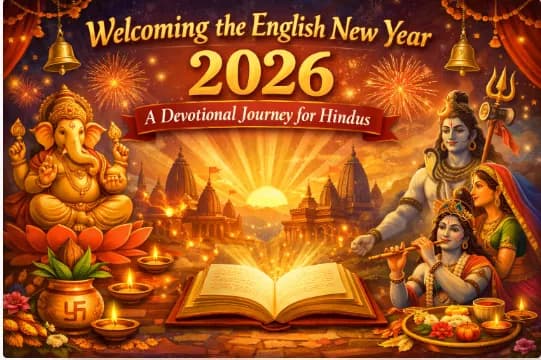
Welcoming the English New Year 2026: A Devotional Journey for Hindus