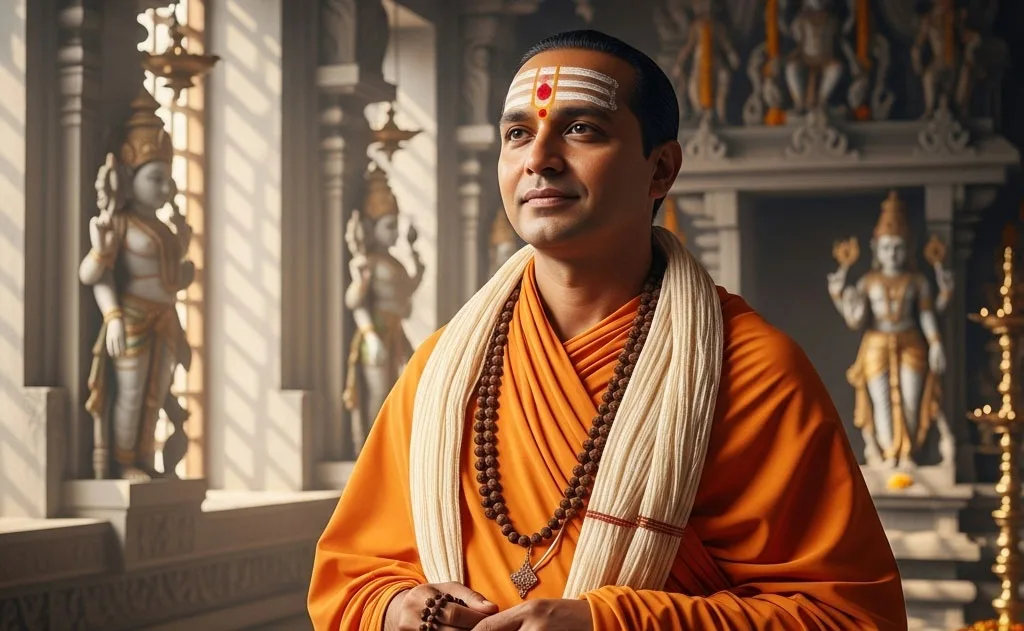
Why Perform Shraddha on Exact Death Tithi? – Garuda Purana Secrets
Why Perform Shraddha on Exact Death Tithi? Garuda Purana Reveals How Proper Tithi Aligns Pitris to Bless You with Longevity, Wealth & Progeny The Sacred…

Why Perform Shraddha on Exact Death Tithi?
Why Perform Shraddha on Exact Death Tithi? Garuda Purana Reveals How Proper Tithi Aligns Pitris to Bless You with Longevity, Wealth & Progeny
The Sacred Science Behind Shraddha Tithi Timing
In Hindu tradition, the timing of rituals carries profound spiritual significance. Among all ancestral rites, performing Shraddha on the exact death tithi (lunar date) of departed ancestors stands as a sacred duty that bridges the mortal and divine realms. The ancient Garuda Purana, one of Hinduism's eighteen Mahapuranas, reveals why this precise timing matters for receiving blessings of longevity, wealth, and progeny from our Pitris (ancestors).
What the Garuda Purana Says About Shraddha Tithi
The Garuda Purana explicitly states that ancestors become spiritually accessible and capable of blessing their descendants when Shraddha is performed on their specific death anniversary according to the lunar calendar. This alignment creates a spiritual channel through which:
- Pitris attain satisfaction and elevated status in their spiritual journey
- Descendants receive ancestral blessings for material and spiritual prosperity
- Karmic debts between generations are resolved
- Family lineage receives divine protection
The Cosmic Alignment on Death Tithi
According to Vedic wisdom, the tithi (lunar date) on which a person departs creates a permanent energetic imprint. On the annual recurrence of this tithi, the soul of the departed ancestor becomes particularly receptive to offerings and prayers from their descendants. This cosmic alignment makes the death tithi the most powerful day for:
- Liberating ancestors from subtle realms
- Receiving their grace for worldly success
- Expiating ancestral sins through ritualistic offerings
- Strengthening family bonds across dimensions
The Three-Fold Blessings from Proper Tithi Shraddha
1. Longevity (Aayushya)
When Shraddha is performed on the correct tithi with devotion, ancestors shower blessings for long, healthy life upon their descendants. The Garuda Purana describes how satisfied Pitris protect their lineage from untimely death and chronic ailments.
2. Wealth (Dhaneshwarya)
Material prosperity flows naturally when ancestors are pleased. The scriptures mention that Pitris, when honored properly on their tithi, remove financial obstacles and attract abundance to their family line. This includes success in business, stable income, and unexpected gains.
3. Progeny (Santana Sampatti)
One of the most emphasized blessings is the gift of worthy children. Couples facing difficulties in conceiving or desiring virtuous offspring are advised to perform Shraddha on exact tithis. The ancestral grace is believed to remove obstacles to childbirth and ensure the birth of intelligent, righteous children.
Annual Shraddha: The Varshik Shraddha Tradition
Varshik Shraddha (annual Shraddha) performed on the death tithi is considered more potent than general Pitru Paksha rituals. Here's why:
- Personal connection: The specific tithi creates a direct link with that particular ancestor
- Targeted blessings: Offerings reach the intended recipient most effectively
- Karmic precision: Resolves specific karmic patterns associated with that ancestor
- Spiritual elevation: Helps the departed soul progress on their spiritual journey
Shraddha Tithi Rules: Essential Guidelines
To maximize the spiritual benefits of Shraddha, certain rules must be followed:
Determining the Correct Tithi
- Use the lunar calendar (tithi), not the solar calendar (date)
- If death occurred during Krishna Paksha (waning moon), perform Shraddha in Krishna Paksha
- If death occurred during Shukla Paksha (waxing moon), some traditions recommend Shraddha in Krishna Paksha of that month
- Consult a knowledgeable priest or Panchang for accurate tithi calculation
Essential Rituals on Death Tithi
- Brahmin Bhojan: Feed Brahmins representing the ancestors
- Pinda Daan: Offer rice balls mixed with sesame seeds
- Tarpan: Water oblations with black sesame and kusha grass
- Dakshina: Donate to priests and the needy
- Satvik Food: Prepare pure vegetarian meals without onion and garlic
Who Should Perform Shraddha?
Traditionally, the eldest son holds primary responsibility, but when unavailable:
- Other sons can perform the ritual
- Daughters (increasingly accepted in modern practice)
- Grandsons or close male relatives
- In absence of family, any compassionate person can offer prayers
Pitru Paksha vs. Death Tithi Shraddha
While Pitru Paksha (the 15-day fortnight dedicated to ancestors) is important, the individual death tithi throughout the year holds special significance:
The Spiritual Science: How Timing Expiates Sins
The concept that proper timing expiates sins is rooted in Vedic cosmology. When rituals align with cosmic rhythms:
Energy Alignment
The moon's position on the death tithi recreates the energetic conditions present at the time of death. This allows the ancestor's subtle body to:
- Receive offerings directly
- Release trapped emotions or unfulfilled desires
- Progress toward higher spiritual realms
- Transmit blessings effectively to descendants
Karmic Cleansing
Performing Shraddha on the correct tithi acts as a spiritual cleansing mechanism:
- Ancestral karma affecting the family line is neutralized
- Pitru Dosha (ancestral afflictions in horoscopes) is reduced
- Generational patterns of suffering are broken
- Family prosperity is restored and enhanced
The Garuda Purana emphasizes that neglecting the death tithi can result in:
- Continued suffering for the departed soul
- Obstacles and misfortunes in descendants' lives
- Unfulfilled desires manifesting as problems across generations
- Weakened family protection and divine grace
Modern Relevance: Faith in Timing
In our fast-paced modern lives, the question arises: does timing really matter? From a spiritual perspective:
Faith Amplifies Results
The Garuda Purana teaches that faith in the timing itself becomes a vehicle for divine grace. When we honor ancestral traditions precisely:
- We demonstrate shraddha (faith) through action
- Our consciousness aligns with sacred time cycles
- We access subtle dimensions beyond material understanding
- We participate in eternal dharma that sustains families and society
Scientific Parallels
Interestingly, modern chronobiology confirms that timing affects biological processes. Similarly, Vedic wisdom recognizes that spiritual processes are optimized through proper timing:
- Lunar phases affect consciousness and receptivity
- Ancestral connections strengthen on specific days
- Ritualistic precision enhances meditative and devotional states
- Cyclical time creates recurring opportunities for spiritual work
Practical Guide: Performing Death Tithi Shraddha
Preparation (3-7 days before)
- Determine the exact tithi using a reliable Panchang
- Arrange for a knowledgeable priest if needed
- Maintain celibacy and sattvic diet
- Gather ritual materials: sesame seeds, kusha grass, sacred thread, etc.
On the Tithi Day
Morning:
- Wake before sunrise
- Bathe and wear clean traditional clothes
- Mentally invoke the ancestor with devotion
Ritual Performance:
- Conduct Shraddha during afternoon (Aparahna time preferred)
- Offer Pinda Daan facing south
- Perform Tarpan with mantras
- Feed Brahmins with reverence
Afternoon/Evening:
- Feed cows, dogs, and birds
- Donate to the poor
- Share food with family members
- Maintain peaceful, devotional atmosphere
Post-Shraddha Observances
- Avoid inauspicious activities on that day
- Share memories and virtues of the departed
- Express gratitude for ancestral legacy
- Commit to continue the tradition
Signs of Pitri Blessings
When Shraddha is performed correctly on the death tithi, these signs may appear:
- Dreams of departed ancestors appearing peaceful and content
- Unexpected opportunities in career or finances
- Resolution of long-standing family conflicts
- Good news regarding health or progeny
- Inner peace and clarity in life decisions
- Protection from accidents and major calamities
Common Mistakes to Avoid
Tithi Calculation Errors
- Using Gregorian calendar dates instead of lunar tithi
- Ignoring local Panchang variations
- Performing on convenient days rather than correct tithi
Ritual Negligence
- Rushing through ceremonies without devotion
- Using substitutes for essential ritual items
- Eating prohibited foods on Shraddha day
- Harboring anger or negative emotions during rituals
Attitude Issues
- Performing mechanically without faith
- Viewing it as mere superstition
- Failing to understand the spiritual significance
- Neglecting to teach children about the tradition
The Garuda Purana's Warning
The Garuda Purana contains strong warnings about neglecting death tithi Shraddha:
"Those who ignore the tithi of their fathers' death invite suffering. The ancestors, when displeased, withdraw protection from their lineage."
This is not meant to instill fear but to emphasize sacred responsibility. The scripture also assures:
"Even a poor person performing Shraddha with pure heart on the correct tithi pleases ancestors more than elaborate rituals on wrong days."
FAQs About Shraddha Tithi Rules
Q: What if I don't know the exact death tithi? Consult family elders or records. If truly unknown, perform during Pitru Paksha on the Panchami (5th tithi) or consult an astrologer.
Q: Can women perform Shraddha? Traditional rules vary by region, but modern Hindu scholars increasingly support women performing Shraddha, especially when no male descendant is available.
Q: What if the tithi falls on an inauspicious day? The death tithi itself is considered auspicious for Shraddha. However, consult a priest if it coincides with major festivals or eclipses.
Q: Is mental Shraddha sufficient? While mental remembrance has value, physical rituals on the correct tithi are considered essential for full benefit according to scriptures.
Q: How long should I continue this practice? Ideally, for three generations—grandfather, father, and great-grandfather. Some traditions extend this further.
Conclusion: Honoring Time, Honoring Ancestors
The Garuda Purana's wisdom on Shraddha tithi reveals a profound truth: spirituality operates within cosmic laws where timing is not incidental but essential. Performing Shraddha on the exact death tithi is not mere ritualism—it's a sacred technology for:
- Liberating ancestors from karmic bondage
- Receiving divine blessings for prosperity
- Maintaining the spiritual integrity of family lineages
- Participating in the eternal cycle of dharma
When we honor our Pitris with faith in proper timing, we align ourselves with forces beyond ordinary comprehension. The resulting blessings of longevity, wealth, and progeny are natural outcomes of this alignment—proof that our ancestors continue to guide and protect us across the boundaries of life and death.
May all who read this be inspired to honor their ancestors on the proper tithi, receive abundant blessings, and maintain this sacred tradition for future generations.
Related Topics: Pitru Dosha remedies, Shraddha mantras, Brahmin Bhojan significance, lunar calendar importance, Vedic astrology and ancestors, karmic debt resolution
Disclaimer: This article presents traditional Hindu religious beliefs and practices. Spiritual benefits mentioned are based on scriptural texts and faith traditions. Readers are encouraged to approach these practices with personal faith and consult qualified priests for specific guidance.
Frequently Asked Questions
What is Why Perform Shraddha on Exact Death Tithi? – Garuda?
Why Perform Shraddha on Exact Death Tithi? Garuda Purana Reveals How Proper Tithi Aligns Pitris to Bless You with Longevity, Wealth & Progeny The Sacred Science Behind Shraddha Tithi Timing In Hindu tradition, the timing of rituals carries profound spiritual significance.
What are the key points about Why Perform Shraddha on Exact Death Tithi? – Garuda?
Among all ancestral rites, performing Shraddha on the exact death tithi (lunar date) of departed ancestors stands as a sacred duty that bridges the mortal and divine realms. The ancient Garuda Purana , one of Hinduism's eighteen Mahapuranas, reveals why this precise timing matters for receiving blessings of longevity, wealth, and progeny
Why does Why Perform Shraddha on Exact Death Tithi? – Garuda matter in Hinduism?
It reflects core values of Sanatana Dharma and offers practical and spiritual guidance that remains relevant across generations.
How can devotees apply Why Perform Shraddha on Exact Death Tithi? – Garuda in daily life?
By reflecting on its teaching, incorporating the related practices or observances into daily routine, and approaching it with sincere devotion and understanding.
You might also like

Purushottam Maas 2026: Lord Vishnu's Sacred Gift of Spiritual Multiplication & Divine Grace
Hindu Priest Jobs New Zealand 2026 — Auckland, Wellington, Christchurch Vacancies & NZ Religious Worker Visa Guide

Hindu Priest Jobs Malaysia 2026 — Batu Caves, KL, Penang Vacancies & Tamil Hindu Career Guide