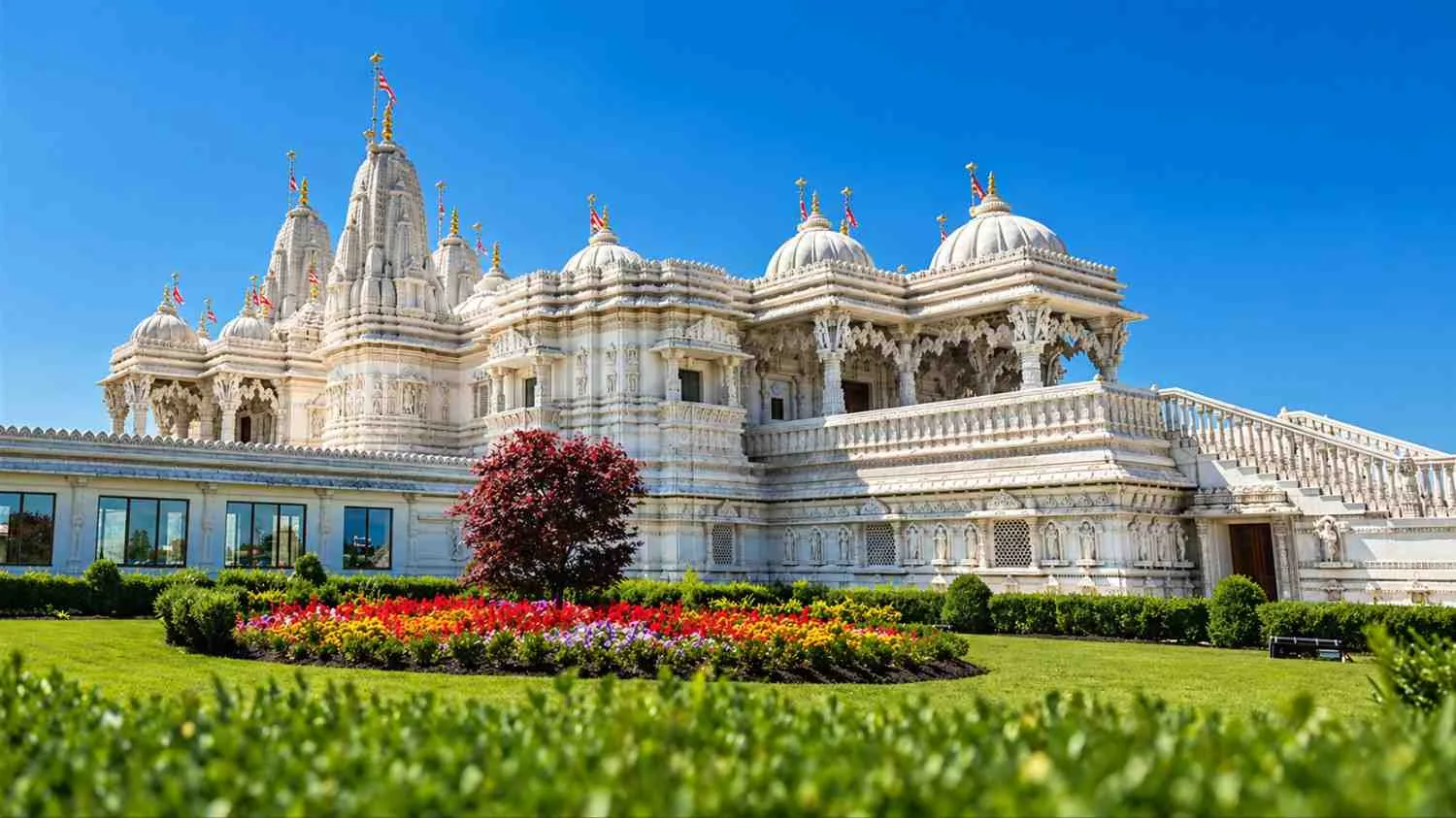
Hindu Priest Jobs in South Africa 2026: Pandit Vacancy Guide for Durban & Johannesburg
Hindu priest, pandit and pujari roles in South Africa for 2026 — typical salary, visa path, where openings actually post, and authentic South Africa temples worth approaching first.

Hindu priest, pandit and pujari roles in South Africa for 2026 — typical salary, visa path, where openings actually post, and authentic South Africa temples worth approaching first.
Looking for a hindu priest jobs south africa 2026 or pandit role at a Hindu temple in South Africa? This guide is a calm, accurate roadmap — where the openings actually sit, what they pay, the visa pathway, the documents you need on day one, and the real South Africa temples worth approaching. We do not list speculative or fictional vacancies; instead we give you the search surface so you can act on real positions when they post.
Hindu priest job market in South Africa — the 2026 picture
Hindu temples in South Africa have shifted from "volunteer pujari + visiting priest" to full-time professional clergy as the diaspora has matured. Larger temples now run on a model that mirrors a small religious non-profit: a head priest (often called gurukkal or Acharya), one or more associate priests, a madapalli (kitchen/prasadam priest), plus weekend and festival sevadars. Roles vary by tradition — Vaikhanasa or Pancharatra (Vaishnava), Shaiva, Smarta, Swaminarayan, ISKCON, and lineage-specific Tamil, Telugu, Kannada and Gujarati patron-deity temples.
Active hubs in 2026 across South Africa: Durban (Chatsworth, Phoenix); Johannesburg (Lenasia, Laudium); Pretoria; Cape Town; Port Elizabeth; Pietermaritzburg.
To see who serves the community where you plan to live, start with our Hindu temples in South Africa directory. It lists active temples with deity, language, address and (where published) the temple's own contact.
What "Hindu priest job" actually means — roles in detail
Job titles you will see on actual postings in South Africa include: pujari, priest, Saiva pundit, Vaishnava pandit, Hindi-medium kathavachak, Tamil-medium aiyar, Telugu purohit, gurukkal. They are not interchangeable — each role implies a specific tradition, set of rituals, and training lineage.
Pujari / Pandit / Archaka: the main daily priest. Performs morning, afternoon and evening aartis; abhishekam, archana, and devotee-requested rituals. Most full-time openings are this role.
Gurukkal / Bhattachar / Sivacharya: senior priest, usually trained in Tamil Saiva, Vaishnava (Vaikhanasa or Pancharatra) or specific lineage. Leads kumbabhishekam, Brahmotsavam, agama-specific homams.
Purohit / Kathaka: officiates samskaras (16 lifecycle rites) — weddings, namakaranam, upanayana, antyeshti — and conducts public parayanas (Vishnu Sahasranama, Hanuman Chalisa, Sundarakanda).
AdvertisementMadapalli priest: cooks naivedyam/prasadam under sanctity rules. Often a separate role at larger Vaishnava temples (BAPS, SV temples) and Sri Vaishnava sampradayas.
Bhajan / Kirtan Acharya: leads weekly community singing, satsang and youth-class religious instruction — increasingly important in second-generation diaspora.
Where to find authentic priest openings in South Africa
Genuine Hindu priest jobs in South Africa rarely appear on general job boards. The real channels are:
Temple websites and noticeboards — first. Most established mandirs publish openings on their own site, often as a single recruitment notice. Begin with the temples on our South Africa temple directory and walk through their About / Contact pages.
Umbrella bodies. Regional councils — for example state Hindu sabhas, the Hindu Mandir Executives' Conference in the US, the National Council of Hindu Temples in the UK — list collective recruitment drives.
Sampradaya networks. If you trained in a specific lineage (BAPS Swaminarayan, ISKCON, Sri Vaishnava Ahobila Math, Madhva Pejavar, etc.), contact the sampradaya's international placement coordinator. They route candidates to affiliated temples first.
AdvertisementGurukulam / Veda Pathashala alumni networks. Tirupati TTD's Veda Pathashala, Sringeri Sharada Peetham, Kanchi Kamakoti Peetham, Ahobila Mutt and similar institutions maintain placement lists.
Word-of-mouth via visiting priests. Priests who travel for festival circuits (especially Brahmotsavam and kumbabhishekam) carry information about openings between temples. Build relationships with senior visiting priests during your time in India.
Compensation and benefits in South Africa
South African temple priest compensation is typically ZAR 18,000–ZAR 45,000 per month (≈ US$12,000–US$30,000 per year). Larger Durban temples and umbrella organisations (SA Hindu Maha Sabha, Andhra Maha Sabha) tend to pay at the top of the band.
Most South African temples bundle housing on the temple compound, medical aid contributions, paid leave for India visits, and a stipend for festival travel within the country.
A note on negotiation: full-time temple priest compensation is rarely posted as a "salary range". Expect a single offer letter; ask explicitly about housing, family flights, retirement contributions, and a study budget before accepting. Senior gurukkal at established temples usually have all of these.
General Work Visa or Religious Worker visa via DHA
South Africa's Department of Home Affairs (DHA) issues a General Work Visa for sponsored priest roles where the employing temple can demonstrate it has tried to recruit locally and that the candidate has qualifications a South African citizen cannot offer (i.e. agama-specific training). Religious Worker visas are also available via Section 11(1)(b)(iv) of the Immigration Act for non-remunerated or denominationally-funded clergy. The Indian-South-African community is the largest Indian diaspora in Africa (~1.3 million), concentrated in KwaZulu-Natal, so demand for South-Indian-language priests (Tamil, Telugu) is steady — particularly during Kavadi (Thaipusam), Diwali, and Porthuram (Tamil Hindu) seasons.
Document checklist for the visa application: gurukul / agama certificate, denomination affiliation letter from your home temple in India, original Vedic / agama training records, a signed offer letter from the sponsoring temple, financial statements as required by the country, police clearance certificate, medical examination, and (if applicable) family certificates for dependants.
Established temples in South Africa worth approaching first
These temples have been serving the diaspora for years and either employ full-time priests or are large enough to consider expansions:
Start with Hindu temples in South Africa (full directory) to identify active temples and their hiring contacts.
For a wider list of active temples in South Africa including state / province pages with full directories, see Hindu temples in South Africa. We update temple records monthly.
Recently advertised openings to watch
These specific temples in South Africa have published priest / pandit vacancies on their own websites in recent cycles. Status changes week-to-week — always confirm with the temple's own careers page before applying, and never pay any "registration" or "visa processing" fee on the candidate side. Verified outbound links only; HinduTone is not the hiring authority.
Durban Hindu Temple (Durban, KwaZulu-Natal) — Pujari / pundit — daily seva, Kavadi & Diwali festival cycles · open the temple's careers page → One of the oldest Hindu temples in South Africa (established 1898). Vacancies are typically posted via the temple committee — watch the homepage announcements and "Our Temple" section.
Umgeni Road Temple (Shree Ambalavaanar Alayam) (Durban, KwaZulu-Natal) — Saiva priest / aiyar — agama-based pooja, Thaipusam Kavadi support · open the temple's careers page → One of the largest Saiva temples in SA, established 1875. Tamil-medium priest postings are announced via the temple website and Tamil community press.
BAPS Shri Swaminarayan Mandir, Johannesburg (Northriding, Johannesburg) — Sevak-priest / karyakar — Swaminarayan-tradition daily worship and large-mandir visitor programmes · open the temple's careers page → Largest Hindu mandir in Africa. Priest seva is recruited centrally through BAPS's global network — start by contacting the Johannesburg sabha-office via the BAPS Global Network page.
Documents and preparation — the priest's side of the table
Training certificates: Vedic / agama gurukul completion certificate, with named acharya, dates, and stamp.
Tradition affiliation letter: a letter from your home temple in India / your mathadhipati confirming denomination membership for at least two years (a hard requirement for US R-1 and UK religious-worker routes).
AdvertisementSample audio of chanting: a 5–10 minute MP3 of Suprabhatam, Vishnu Sahasranama, Rudram or your tradition's flagship parayana. Most overseas temples ask for this before flying you out.
Photos of past abhishekam / kumbabhishekam: proof of having served at scale, with deity and date metadata.
English level: reading + speaking competence enough to handle bilingual devotees and second-generation children. Most temples will conduct at least one round of interview in English.
Passport with 2+ years validity, and a personal email + WhatsApp number reachable from abroad.
Cultural fit — the part that decides who actually gets hired
Temple management committees in South Africa are largely diaspora professionals (engineers, doctors, business owners). What they value, beyond ritual proficiency, is: a priest who explains every step in plain English to devotees of mixed backgrounds, runs on time (a major culture point overseas), keeps clear written records (puja schedules, devotee bookings, prasadam logs), and presents warmly and professionally to children, mixed-faith spouses and visiting non-Hindus.
Priests who succeed in the West also tend to invest in basic personal-finance literacy — South African SARS basics, medical aid choice and forex repatriation to India — so your monthly compensation actually translates to long-term security for your family in India.
Frequently Asked Questions
What qualifications do I need for a Hindu priest job in South Africa?
At minimum: completion of a recognised Vedic or Agama gurukul (7–12 years in India), a letter of denomination membership, and 2–3 years of post-training experience at a reputed temple in India or abroad. Larger temples in South Africa additionally expect a sample chanting audio, photos of past abhishekam / kumbabhishekam, and conversational English.
What is the typical salary for a Hindu priest in South Africa?
South African temple priest compensation is typically ZAR 18,000–ZAR 45,000 per month (≈ US$12,000–US$30,000 per year). Larger Durban temples and umbrella organisations (SA Hindu Maha Sabha, Andhra Maha Sabha) tend to pay at the top of the band.
What visa do I need to work as a Hindu priest in South Africa?
General Work Visa or Religious Worker visa via DHA. South Africa's Department of Home Affairs (DHA) issues a General Work Visa for sponsored priest roles where the employing temple can demonstrate it has tried to recruit locally and that the candidate has qualifications a South African citizen cannot offer (i.e. agama-specific training). Religious Worker visas are also available via Section 11(1)(b)(iv) of the Immigration Act for non-remunerated or denominationally-funded clergy. The Indian-South-African community is the largest Indian diaspora in Africa (~1.3 million), concentrated in KwaZulu-Natal, so demand for South-Indian-language priests (Tamil, Telugu) is steady — particularly during Kavadi (Thaipusam), Diwali, and Porthuram (Tamil Hindu) seasons.
Do I need to be Brahmin by birth?
Most temples in South Africa follow traditional norms where the head priest role requires Brahmin lineage and tradition-specific upanayana / diksha. Madapalli, bhajan-acharya and certain Saiva / Lingayat / Swaminarayan roles are open more broadly. Always confirm with the specific temple — denominational norms vary substantially.
Can my family come with me?
Yes, on dependant visas in every country covered here. The specific category varies — R-2 in the US, Skilled Worker dependant in the UK, Subclass 408 dependant in Australia, family sponsorship in the UAE (subject to a salary threshold), Religious Worker dependant in South Africa, and family Open Work Permit / Visitor record in Canada. Plan financially for the priest's salary to support the household until dependant work permits are issued (typically 6–18 months later).
How do I avoid fake "priest job" listings online?
Watch for: requests for any kind of "registration fee" or "visa processing payment" from the candidate (real temples pay these themselves), generic email addresses that don't match the temple's official domain, vague or missing temple name, no physical address, and copy-pasted templated postings across many countries. Stick to temples' own websites, sampradaya placement lists, and our temple directory for verifiable contacts.
Are part-time, weekend or visiting-priest roles available?
Yes — particularly for festival season (Brahmotsavam, Maha Shivaratri, Sri Rama Navami, Navaratri, Diwali) and for special yajnas / homams. Visiting priests typically come on a short-term religious-worker visa (B-1 visitor with Specific Travel Allowance in the US, Standard Visitor visa in the UK, Subclass 408 short-stream in Australia, etc.). The pay is calculated per ceremony rather than per month. This is a good first-overseas-trip option for India-based priests building international experience.
Next step
Shortlist three temples from our South Africa directory that match your tradition and language, write a one-page profile (training, lineage, languages, deities you have served, and a chanting sample link), and email each temple directly. Follow up after a week. The roles will appear — but they go to candidates the temple already has on file when an opening comes up.
Stay close to HinduTone — we publish festival schedules, agama articles and diaspora temple updates daily. Subscribing keeps the next opening within arm's reach.
"Sevaarthe Sa Vidyatkaali" — the right work, at the right time, finds the one who is ready. Om Namo Narayanaya.
You might also like
Hindu Priest Jobs in UK 2026: Pandit & Madapalli Vacancy Guide
Hindu Priest Jobs in USA 2026: Pandit Vacancy Guide for Temples
Hindu Priest Jobs in Australia 2026: Shivacharya & Pandit Vacancy Guide