36 Golden Rules for a Happy & Healthy Post-Retirement Life
Shared by the National Senior Citizens' Welfare Association of India This thoughtful list, originally circulated by the HR department of a reputed company,…

Shared by the National Senior Citizens' Welfare Association of India
This thoughtful list, originally circulated by the HR department of a reputed company, offers valuable guidance for senior citizens. Whether you’re newly retired or already enjoying your golden years, these practical tips can help you live a more peaceful, safe, and meaningful life. 🌸
1. Avoid travelling alone.
2. Travel with your spouse when possible.
3. Avoid going out during peak traffic hours.
4. Don’t over-exert yourself with too much walking or exercise.
5. Limit screen time—TV, mobile, and excessive reading.
6. Avoid overmedication.
7. Visit your doctor regularly and take medications as prescribed.
8. Stay away from property dealings after retirement.
9. Always carry an ID and emergency contact numbers.
10. Let go of the past and don’t stress about the future.
11. Eat what suits your body, and chew slowly.
12. Be extra cautious in the bathroom and toilet.
13. Say no to smoking and drinking—they're harmful.
14. Avoid boasting about past achievements.
15. Travel and explore in the early retirement years, then avoid crowded places.
16. Don’t discuss your assets or property with others.
17. Exercise as per your health capacity.
18. Avoid headstands or Kapalabhati if you have high BP or heart problems.
19. Stay positive and control emotional extremes.
20. Don’t lie down immediately after meals.
21. Avoid lending money.
22. Don’t offer unsolicited advice to the younger generation.
23. Respect others’ time and space.
24. Don’t chase money unless absolutely needed.
25. Avoid long daytime naps for better sleep at night.
26. Have your own personal space and respect others’.
27. Prepare a will and consult your spouse.
28. Don’t give away your retirement savings.
29. Join a senior citizens' group, but avoid conflicts.
30. If you can't sleep, don't disturb others.
31. Don’t pluck flowers from public or private trees.
32. Stay away from political arguments or be open to other opinions.
33. Don’t keep complaining about health issues.
34. Avoid quarreling with your spouse—they’re your strongest support.
35. Attend spiritual gatherings, but be mindful—don’t blindly follow anyone.
36. Live stress-free and smile often. 😊
🌿 These simple reminders are not just for senior citizens but for everyone around them too. Let’s respect and support the elderly by encouraging a safe, happy, and dignified life.
Please read, reflect, and try to follow.
Share with your parents, grandparents, and elder friends.
What does Dharmic wisdom say about the stage of life after retirement?
Hindu tradition divides human life into four Ashrams — Brahmacharya (student life), Grihastha (householder life), Vanaprastha (forest-dweller or gradual withdrawal), and Sannyasa (complete renunciation). Retirement in the modern sense closely mirrors the Vanaprastha stage, where a person consciously begins to loosen attachment to worldly roles, possessions, and social status. The Manusmriti and the Valmiki Ramayana both describe this transition not as an end but as a deliberate elevation of purpose.
The Bhagavad Gita (Chapter 3, Verse 17) reminds us: 'Yastyatmaratireva syat' — one who finds delight within the Self has no compulsory duty to fulfill externally. This does not mean idleness; it means redirecting energy from accumulation to contemplation, service, and inner growth. The 36 rules listed above are a practical, secular expression of the same ancient insight: simplify, let go, and tend to your inner life with the same diligence you once gave to your career.
How can daily spiritual practice support physical and mental health in the senior years?
The Taittiriya Upanishad famously declares 'Annam Brahma' — food is sacred. For senior citizens, this teaching translates into mindful, measured eating, which directly aligns with Rule 11 (eat what suits your body and chew slowly). The practice of offering a brief prayer or moment of gratitude before meals — common in Hindu households as 'anna-prashana shloka' — also slows down eating and anchors one in the present moment, which is itself a form of stress reduction.
A morning routine combining Surya Namaskar (adapted to one's physical capacity), Pranayama (excluding Kapalabhati for those with hypertension, as Rule 18 wisely cautions), and ten to fifteen minutes of silent meditation or Japa has been integral to healthy ageing in the Vedic tradition. The Yoga Sutras of Patanjali describe 'Sthira Sukham Asanam' — a posture that is steady and comfortable — a principle that applies equally to all physical activity in older age: gentle, consistent, and without strain.
Visiting a temple regularly, whether the Kashi Vishwanath Mandir in Varanasi, a neighbourhood Ganesha shrine, or even maintaining a home altar, provides structure, community, and a sense of purpose. Spiritual routine fills the psychological void that retirement can sometimes create and reduces the tendency to dwell on past achievements or future anxieties — both pitfalls that Rules 10 and 14 specifically address.
Why is financial detachment — not just financial planning — essential after retirement?
Rules 8, 16, 21, 24, and 28 together form a coherent philosophy of financial detachment. The Mahabharata's Shanti Parva contains an extended dialogue between Yudhishthira and the dying Bhishma on the nature of wealth (Artha). Bhishma counsels that money beyond necessity breeds conflict, anxiety, and dependence from others. This is not a call to poverty but to sufficiency — knowing clearly how much one needs and resisting the pull to manage, grow, or distribute beyond that.
Writing a will (Rule 27) is an act of clarity, not morbidity. In the Dharmashastra tradition, the orderly transfer of property — 'Daya vibhaga' — is considered a householder's final duty, ensuring that family harmony is preserved after one's passing. Consulting your spouse and a trusted legal counsel, rather than acting unilaterally, reflects the Vedic concept of 'Dampati' — the couple as a joint unit of decision-making, especially at life's major transitions.
How does the Bhagavad Gita's teaching on non-attachment apply to family relationships after retirement?
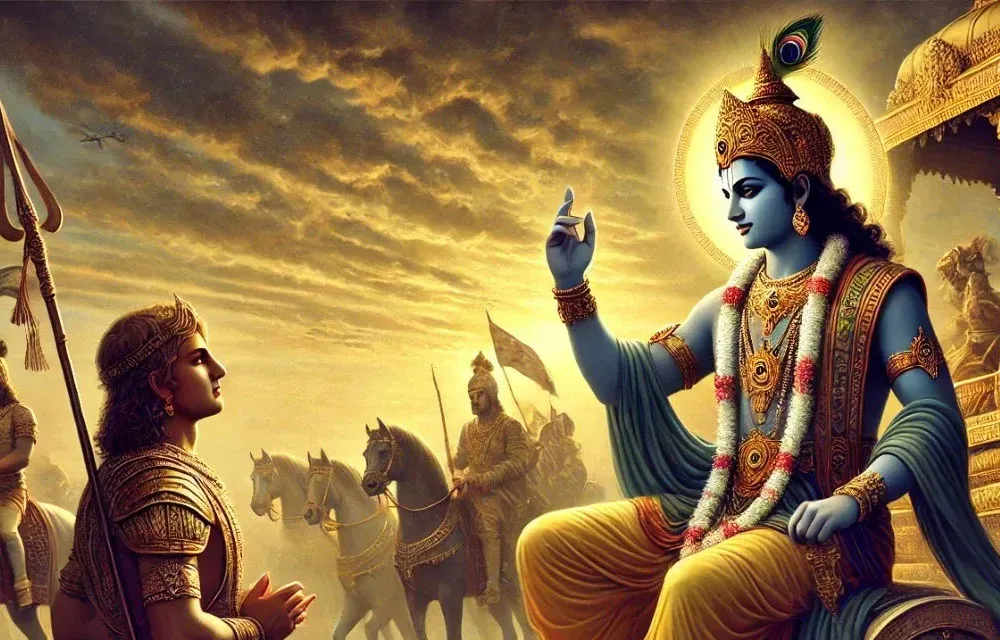
Rule 22 — avoid offering unsolicited advice to the younger generation — captures one of the most emotionally challenging aspects of the Vanaprastha stage. The Bhagavad Gita (Chapter 18, Verse 63) ends with Sri Krishna telling Arjuna: 'Vimrishyaitad asheshena, yathecchasi tatha kuru' — 'Reflect on this fully, then do as you wish.' Even the divine teacher respects the autonomy of the student. Elders who model this restraint create households where younger members seek their wisdom freely, rather than avoid it.
Aparigraha — non-possessiveness — is one of the five Yamas (ethical restraints) listed in Patanjali's Ashtanga Yoga. In the context of family life after retirement, Aparigraha means releasing control over children's choices, grandchildren's upbringing, and household decisions that are no longer yours to make. This is not indifference; it is the highest form of trust and love, and it is the surest path to the inner peace that all 36 rules are ultimately pointing toward.
What role does community and seva play in making retirement meaningful?
Rule 29 encourages joining a senior citizens' group, and the Hindu tradition strongly supports this through the concept of 'Satsang' — association with good, like-minded people. The Srimad Bhagavata Purana (Book 3, Chapter 25) describes Satsang as the very first step toward liberation: 'Satam prasangan mama virya samvido' — in the company of the good, the divine energy awakens. For retired individuals, a weekly Satsang, bhajan group, or even a secular senior welfare circle fulfills this need for purposeful human connection.
Beyond socialising, 'Nishkama Seva' — selfless service without expectation of reward — gives retired life a sense of contribution that a salary once provided. Volunteering at a local temple, annadana (free food distribution) programme, or a community library are all forms of Seva that keep the mind active, the body gently engaged, and the ego appropriately humble. Several cities across India, including Pune, Chennai, and Ahmedabad, have active senior volunteer networks attached to both religious and civic organisations.
The Taittiriya Upanishad's teaching 'Matru Devo Bhava, Pitru Devo Bhava' — honour your mother, honour your father — reminds the wider family too of their reciprocal duty. A retirement that is financially secure, spiritually engaged, and socially connected does not happen in isolation; it is co-created by the entire household and community. The 36 rules, read in this light, are not a checklist for one person alone but a quiet invitation to the whole family to build an environment where elders can age with dignity and joy.
Frequently Asked Questions
Which stage of life does retirement match in Hindu tradition?
Retirement closely mirrors Vanaprastha, the third of the four Ashrams after Brahmacharya and Grihastha. A person consciously loosens attachment to worldly roles, possessions and status, turning energy toward contemplation, service and inner growth.
Which yoga practice should seniors with high blood pressure avoid?
Rule 18 advises avoiding headstands and Kapalabhati if you have high BP or heart problems. Surya Namaskar can be adapted to one's capacity, and Pranayama is suggested without Kapalabhati for those with hypertension.
Why is writing a will recommended after retirement?
Preparing a will is described as an act of clarity, not morbidity. Rule 27 advises consulting your spouse, and the Dharmashastra tradition treats the orderly transfer of property, called Daya vibhaga, as a householder's final duty that preserves family harmony.
How should retired people handle giving advice to the younger generation?
Rule 22 says to avoid offering unsolicited advice. The Gita (18.63) has Krishna tell Arjuna to reflect fully and then do as he wishes, and elders who show this restraint find younger family members seek their wisdom freely.
How can seniors stay socially and spiritually active?
Rule 29 encourages joining a senior citizens' group while avoiding conflicts. Weekly satsang, a bhajan group, temple visits or seva such as annadana keep the mind active and give a sense of contribution.
What do the rules say about money after retirement?
Rules 8, 16, 21, 24 and 28 advise staying away from property dealings, not discussing assets, avoiding lending, not chasing money and not giving away savings. Bhishma's counsel in the Mahabharata favours sufficiency over accumulation.
Share this with family and friends
Send it on WhatsApp, post it, or copy the link.
More from Lifestyle
- Akhanda 2 Thaandavam
- Yoga and Meditation for the Winter Mornings of Margasira: Awakening Devotion in Brahma Muhurta
- "Neti, Neti" in the Age of Social Media: A Sanatani Approach to Mental Health and Identity
- Professional Life Applications:
- Sustainable Living Lessons from Hindu Scriptures: Embracing Zero-Waste Festivals and Eco-Friendly Puja Items
You might also like
Ayurveda Beyond Herbs: Exploring the Complete Science of Life and Cosmic Alignment

Yoga Beyond the Mat: A Deeper Dive into the Hindu Philosophy and Lifestyle of Yoga

Yoga and Coding: Applying Patanjali’s Yoga Sutras to Software Development