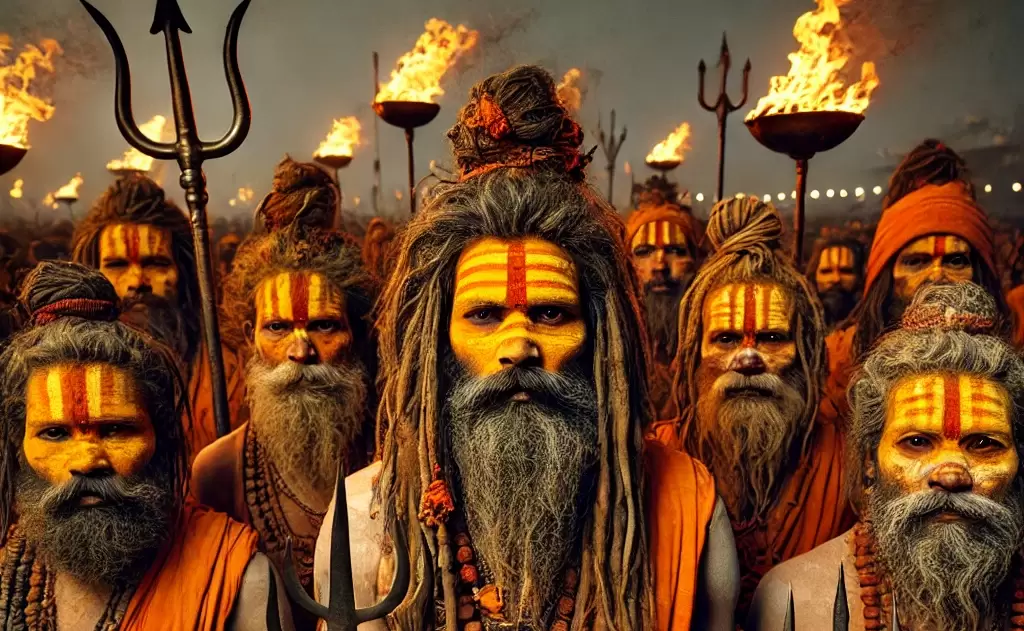
RSS's Heartfelt Contribution to Maha Kumbh Mela 2025
The Maha Kumbh Mela is one of the most spiritually significant events in India, drawing millions of devotees from across the globe.
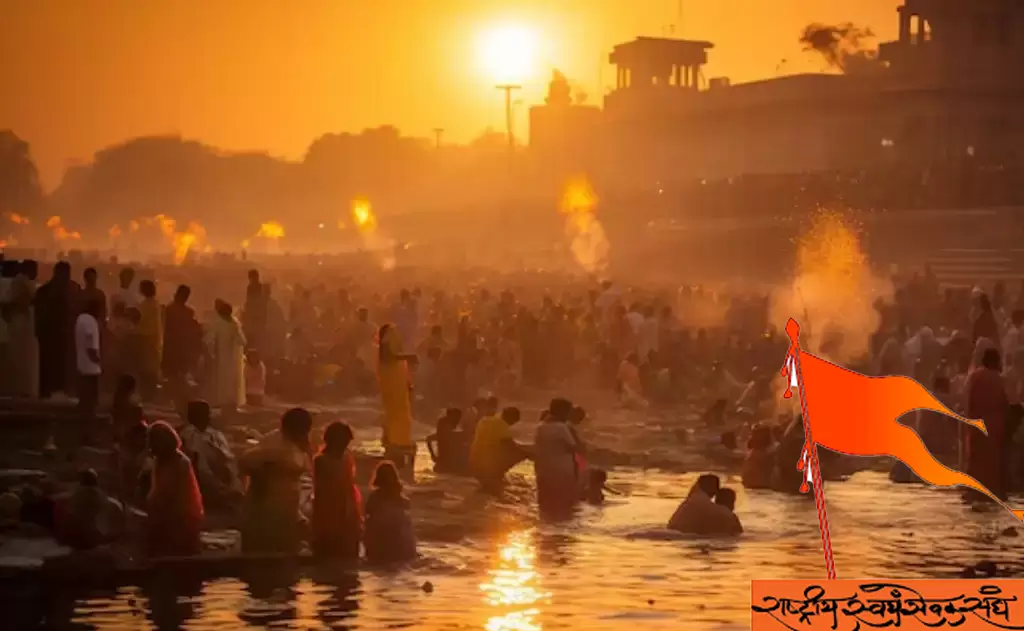
The Maha Kumbh Mela is one of the most spiritually significant events in India, drawing millions of devotees from across the globe. The Rashtriya Swayamsevak Sangh (RSS) has played an instrumental role in ensuring a well-organized and meaningful experience for attendees in 2025. Here’s how they’ve made a difference:
- Guiding Pilgrims with Traffic and Assistance Services
With over 16,000 dedicated volunteers, the RSS has taken up the vital task of traffic management at the massive Mela grounds. These volunteers not only help ensure smooth vehicle movement but also assist pilgrims in finding their way, working closely with the police to maintain order.
- Environmental Initiatives: "One Bag, One Plate" Campaign
Recognizing the environmental challenges posed by such a grand event, the RSS launched the ‘One Bag, One Plate’ campaign. The initiative promotes sustainability by distributing reusable plates and cotton bags to reduce single-use waste, inspiring a cleaner and greener Kumbh.
- Healthcare and Relief Efforts
RSS volunteers have stepped up to provide essential healthcare services, including first aid and medical assistance, to pilgrims in need. They also play a critical role in distributing food and arranging temporary accommodations for those stranded during the event.
- Promoting Cultural and Spiritual Awareness
Through the thoughtfully curated ‘Kumbh Darshan’ programs, the RSS has facilitated participation for more than 8,000 students from across the country. This initiative offers young minds a deeper connection to India's rich cultural heritage and spiritual teachings.
A Spirit of Selfless Service
The RSS's extensive involvement at the Maha Kumbh Mela highlights its unwavering commitment to supporting millions of devotees, preserving cultural values, and creating a more meaningful pilgrimage experience. Their dedication exemplifies the true spirit of service.
For more updates on Indian culture, traditions, and spiritual insights, explore Hindutone — your gateway to celebrating India's vibrant heritage.
What is the Sacred Significance of Maha Kumbh Mela and Why Does 2025 Matter?
The Maha Kumbh Mela, held every twelve years at Prayagraj — the ancient Triveni Sangam where the Ganga, Yamuna, and the subterranean Saraswati converge — is rooted in the cosmic narrative of the Samudra Manthan described in the Srimad Bhagavatam and the Vishnu Purana. During the churning of the celestial ocean, drops of Amrita (the nectar of immortality) fell at four sacred sites: Prayagraj, Haridwar, Ujjain, and Nashik. It is this divine contact that is believed to charge the waters with extraordinary spiritual potency during the Kumbh cycle.
The 2025 Maha Kumbh Mela is particularly momentous because it coincides with a rare planetary alignment — Jupiter entering Taurus (Vrishabha) while the Sun and Moon are in Capricorn (Makara) — a configuration that traditional Jyotisha scholars consider highly auspicious and that occurs only once every 144 years. This elevated the 2025 gathering to the status of Purna Maha Kumbh, drawing an estimated attendance surpassing any previous recorded Kumbh, making organized support services not merely helpful but absolutely indispensable.
How Does the RSS Volunteer Training Model Enable Large-Scale Seva at Kumbh?
The RSS's effectiveness at an event of this magnitude does not arise spontaneously; it is built on a decades-long structure of shakha-based discipline and seva training. RSS swayamsevaks are trained through daily shakha sessions that emphasize physical fitness, mental alertness, and the internalization of dharmic values — precisely the qualities required for managing crowd safety, medical emergencies, and logistical coordination across hundreds of square kilometres of Mela grounds.
For Maha Kumbh 2025, the RSS coordinated its deployment through its affiliated seva wing, the Seva Bharati, ensuring that volunteers were pre-assigned to specific ghats, transit corridors, and temporary shelter zones well before the first Shahi Snan (royal bath). Volunteers received specific briefings on the Amrit Snan dates — including Makar Sankranti, Mauni Amavasya, and Basant Panchami — when pilgrim density peaks dramatically, allowing for anticipatory crowd-flow management rather than reactive crisis response.
This preparation model reflects the Gita's principle of nishkama karma — action performed without personal expectation of reward — which the RSS explicitly cites as the philosophical foundation of its seva activities. The result is a volunteer corps that is both technically prepared and spiritually motivated, a combination rarely achievable through civic mobilization alone.
What Role Did the Kumbh Darshan Programme Play in Connecting Youth to Living Tradition?
The 'Kumbh Darshan' initiative, which brought over 8,000 students to Prayagraj, went beyond sightseeing. Participants were given structured orientations to the theological and historical depth of the Kumbh — including explanations of the Pancha Snanam (five sacred bathing days), the role of the Akhara system in preserving Vedic lineages, and the significance of the Naga Sadhus who represent the ancient tradition of armed asceticism that historically protected pilgrimage routes.
Students were also introduced to the living diversity of Sanatana Dharma through interactions with saints from Shaiva, Vaishnava, and Shakta Akharas — thirteen of which are formally recognized and participate in the Shahi Snan processions in a prescribed order of precedence that has been maintained for centuries. This direct encounter with the Sampradaya tradition is something no classroom curriculum can replicate, and it serves the broader goal of creating informed, rooted citizens who carry forward cultural memory.
How Does the One Bag One Plate Campaign Address Ecological Dharma at Prayagraj?
The RSS's environmental initiative draws philosophical grounding from the concept of Prithvi Sukta in the Atharva Veda, which addresses the earth as a living mother — Mata Bhumi Putroham Prithivyah — and places a sacred obligation on human beings to protect her. Distributing cotton bags and reusable leaf or steel plates directly counters the tide of single-use plastic that has historically fouled the Sangam after each major bathing festival.
The campaign also intersects with the Namami Gange mission and broader efforts by the National Mission for Clean Ganga, ensuring that RSS's grassroots volunteer presence complements governmental environmental infrastructure. By making sustainability a visible, participatory act rather than an abstract policy goal, the initiative reaches pilgrims who might not otherwise engage with environmental messaging — particularly those from rural regions attending their first Kumbh.
From a dharmic standpoint, maintaining the purity of the Ganga is inseparable from the spiritual purpose of the pilgrimage itself. The Skanda Purana and the Ganga Sahasranama both describe the river as a living goddess, Bhagirathi, and emphasize that her sanctity must be preserved through human conduct. The RSS's campaign thus functions simultaneously as civic environmentalism and as an act of reverence consistent with scriptural injunction.
What Is the Historical Relationship Between Seva Organizations and the Kumbh Mela Tradition?
Organized community service at the Kumbh is not a modern innovation. Historical accounts from the Mughal period record that various merchant guilds and royal courts sponsored langar-style food distribution and maintained rest houses (dharmashalas) along pilgrimage routes to Prayag. The Peshwa administration of the eighteenth century formalized protocols for crowd management and route allocation among different Akharas, establishing precedents that still influence today's administration.
The RSS's involvement therefore enters a long continuum of Hindu civil society organizing around pilgrimage welfare. What distinguishes the modern RSS model is its national scale and its ideological coherence — seva is explicitly framed not as charity but as an expression of Hindu unity and the recognition that every pilgrim embodies the divine. This theological framing, rooted in the Vedantic idea that the Atman in every being is identical with Brahman, gives the volunteer service a depth of motivation that sustains effort across weeks of physically demanding work.
Scholars of the Kumbh, including those who have studied its administrative history in depth, note that the collaboration between religious authorities (the Akharas and their Mahamandaleshwars), government bodies, and civil society organizations like the RSS reflects a tripartite model of Kumbh governance that has evolved organically and proves remarkably resilient to the logistical pressures of an event that is, by measurable attendance, the largest peaceful human gathering on earth.
Frequently Asked Questions
How many RSS volunteers worked at Maha Kumbh Mela 2025?
More than 16,000 RSS volunteers handled traffic management on the Mela grounds. They guided vehicles, helped pilgrims find their way and worked closely with the police to maintain order.
What is the One Bag One Plate campaign at the Kumbh?
It is an RSS environmental initiative that distributes reusable plates and cotton bags to cut single-use waste. It aims to keep the Sangam at Prayagraj cleaner and greener.
What is the Kumbh Darshan programme?
Kumbh Darshan is an RSS programme that brought more than 8,000 students from across the country to Prayagraj. Students received orientations on the Pancha Snanam, the Akhara system and the role of Naga Sadhus, and met saints from Shaiva, Vaishnava and Shakta Akharas.
What healthcare and relief help did RSS volunteers give pilgrims?
Volunteers provided first aid and medical assistance to pilgrims in need. They also distributed food and arranged temporary accommodation for those stranded during the event.
Why is the 2025 Maha Kumbh considered special?
As commonly described, it coincides with Jupiter entering Taurus while the Sun and Moon are in Capricorn, an alignment said to occur once every 144 years. This made it a Purna Maha Kumbh at Prayagraj, where the Ganga, Yamuna and Saraswati meet.
Which Amrit Snan dates did volunteers prepare for?
Volunteers were briefed on Amrit Snan dates including Makar Sankranti, Mauni Amavasya and Basant Panchami, when pilgrim density peaks. This allowed crowd flow to be managed in advance rather than in reaction to a crisis.
Share this with family and friends
Send it on WhatsApp, post it, or copy the link.
More from Maha Kumbh Mela
- Maha Kumbh 2025 Legacy — 13 Months Later: Records, Spiritual Impact, NRI Pilgrim Stories & Next Ardh Kumbh 2027 Preview
- Hinduism’s Global Stage: How Maha Kumbh 2025 Redefined Spiritual Tourism
- The Maha Kumbh Mela: A Sacred Journey for Every Hindu
- Kumbh Mela 2025: End Date, Holy Dip Opportunities, and Key Shahi Snan Dates
- The Greatest Records Achieved by Maha Kumbh Mela: A Historic Gathering of Faith
You might also like
Astrological Significance of Shiva Rathri and Its Relationship with Maha Kumbh Mela This Year
Why Every Hindu Should Visit the Maha Kumbh Mela
Maha Shivaratri and Maha Kumbh Mela: A Sacred Union of Devotion, Rituals, and Astrology