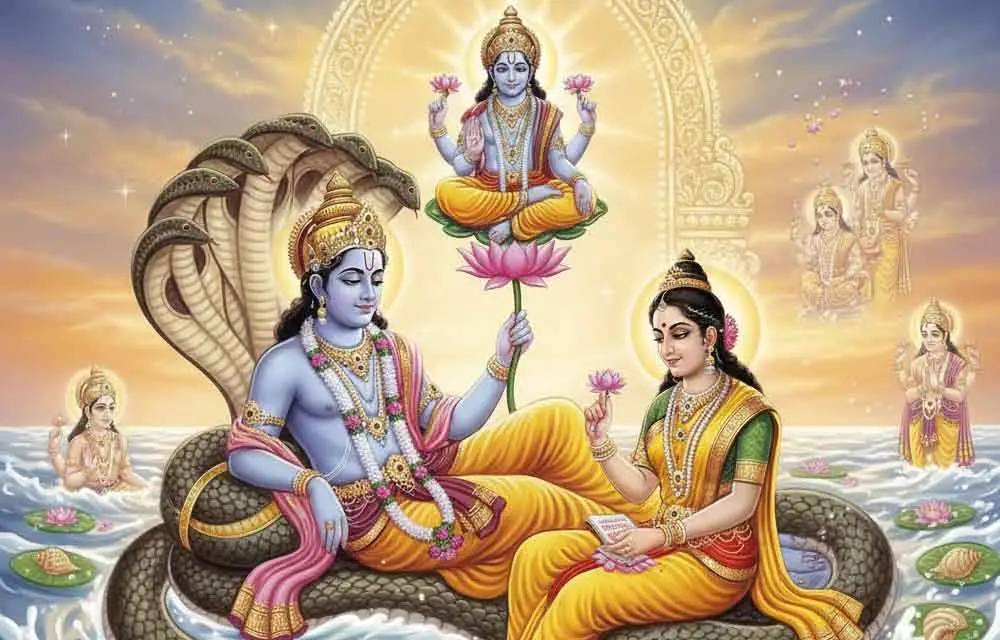
Keep Gods away from politics: Supreme Court on Tirupati laddu Issue
The Supreme Court of India has emphasized the need to keep Gods and religious matters away from politics, especially in sensitive cases like the Tirupati Laddu…
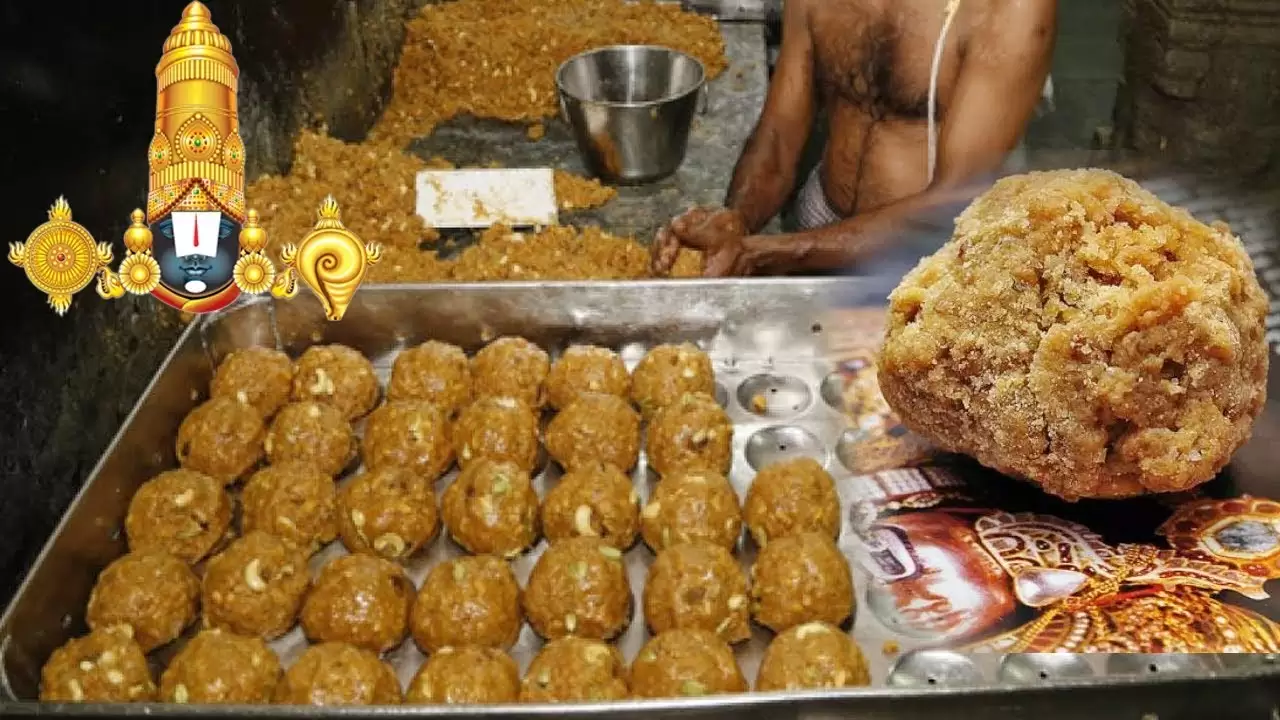
The Supreme Court of India has emphasized the need to keep Gods and religious matters away from politics, especially in sensitive cases like the Tirupati Laddu…
The Supreme Court of India has emphasized the need to keep Gods and religious matters away from politics, especially in sensitive cases like the Tirupati Laddu row. The court made these remarks during a
hearing related to allegations concerning the famous Tirupati Laddu, which is offered as prasad at the tirumala/" class="auto-interlink" data-interlink="1">Tirumala Tirupati Devasthanams (TTD).
The Supreme Court of India recently made a strong appeal to keep Gods and religion away from politics, particularly in light of the ongoing controversy surrounding the Tirupati Laddu. This sacred offering,
given to devotees at the Tirumala Tirupati temple, is deeply cherished by millions of followers of Lord Venkateswara.
The court was responding to petitions related to the matter and expressed concern that political figures and those in constitutional positions should avoid making comments that could hurt the religious sentiments of the people. With an investigation still ongoing, the Supreme Court stressed that such remarks could inflame emotions and potentially create unnecessary tensions.
By urging political leaders to handle religious issues with care, the Supreme Court is reminding everyone that matters of faith should be treated with respect and kept separate from political agendas. This is
an important step in preserving the sanctity of religious practices and ensuring that religion is not misused for political gain. The court’s message is clear: respect people’s beliefs, and let faith remain a personal and sacred matter, untouched by politics.
What makes the Tirupati Laddu so sacred to millions of devotees?
The Tirupati Laddu, formally known as Sri Vari Laddu, is one of the most revered prasad offerings in all of Sanatana Dharma. Prepared within the sacred precincts of the Tirumala Tirupati Devasthanams (TTD) complex in Andhra Pradesh, the laddu carries the spiritual sanction of Lord Venkateswara — regarded as a form of Lord Vishnu — and is believed by devotees to carry the direct blessing of the deity himself. The Skanda Purana, in its Venkatesha Mahatmya section, elaborates on the divine significance of offerings made at Tirumala, emphasising that prasad received at this kshetra is no ordinary food but a vehicle of divine grace.
The preparation of the laddu follows a strict, centuries-old recipe involving besan (gram flour), sugar, cashews, and cardamom, prepared by trained archakas and sevadars bound by ritual purity codes called shaucha. The Tirumala temple receives an estimated 50,000 to 100,000 laddus prepared daily during peak pilgrimage seasons, each one consecrated through the process of naivedyam — the formal offering of food to the presiding deity before it is distributed to devotees. Any compromise in the ingredients used in this preparation is therefore not merely a food-safety issue but strikes at the heart of the devotee's faith in the sanctity of the prasad.
What are the specific allegations at the centre of the Tirupati Laddu controversy?
The controversy erupted following public claims that adulterated ghee — specifically animal fat — had allegedly been used in the preparation of the Tirupati Laddu during a certain period of TTD administration. These allegations caused immediate and widespread outrage among devotees across India and the global Hindu diaspora, given that the use of any non-vegetarian or impure ingredient in a Vaishnava prasad would constitute a grave violation of Agama Shastra norms that govern temple ritual. Vaishnava Agamas, which provide the liturgical framework for temples like Tirumala, mandate strict vegetarian and ritually pure ingredients for all naivedyam offerings.
An SIT (Special Investigation Team) inquiry was ordered to examine laboratory reports and supply chain records related to the ghee procurement. The Supreme Court, while hearing petitions on the matter, noted that the investigation was still in progress and cautioned that making definitive public statements before the probe concluded could prejudice the inquiry and inflame communal and political tensions unnecessarily. The court's intervention reflected its recognition that the matter touches not just administrative accountability but the sentiments of crores of faithful Hindus who consider the laddu a direct token of Lord Venkateswara's anugraha, or divine favour.
How do Agama Shastras govern the purity standards of temple prasad?
Hindu temples of the Vaishnava tradition, particularly those administered under the Pancharatra Agama system, follow exhaustive guidelines on what constitutes ritually pure (shuddha) food for offering to the deity. These texts specify that only satvic ingredients — free from meat, fish, eggs, onion, and garlic — may enter the temple kitchen, known as the matapalli or paka shala. The priests and cooks involved in preparation are required to maintain personal ritual purity, including bathing, wearing clean attire, and observing silence or devotional chanting during cooking.
The Vishnu Samhita and the Ahirbudhnya Samhita, both authoritative Pancharatra texts, describe how the violation of naivedyam purity is considered an apachara — a ritual offense — that not only invalidates the offering but is believed to bring spiritual harm to the institution responsible. This is why the Tirupati Laddu controversy resonates so deeply: for practicing Vaishnavas, the integrity of prasad is inseparable from the integrity of worship itself. The TTD's own internal quality-control protocols are in large part derived from these Agamic injunctions, making any reported lapse a matter of both religious law and institutional trust.
Why does the Supreme Court's call to keep religion away from politics matter for temple governance in India?
India's constitutional framework under Articles 25 to 28 guarantees freedom of religion while permitting the state to regulate secular activities associated with religious institutions. However, in practice, many major Hindu temples — including Tirumala Tirupati Devasthanams — are administered by government-appointed boards, creating a structural intersection between political authority and religious management that has long been a subject of debate among Hindu scholars and community leaders.
The Supreme Court's pointed remark that Gods and religious matters should be kept away from politics is therefore significant beyond this single case. It serves as a judicial reminder that public office-holders must exercise restraint when commenting on ongoing religious controversies, especially those involving institutions whose credibility rests entirely on devotee trust. Legal scholars have noted that such judicial observations, while not binding orders, carry persuasive weight and can shape the conduct of administrators, politicians, and investigating agencies in cases where religion and governance intersect.
For millions of devotees, the concern is straightforward: the Tirumala temple exists to facilitate their communion with Lord Venkateswara, and any politicisation of its rituals or administration undermines that sacred purpose. The court's emphasis on restraint reflects an understanding that faith, once wounded by perceived desecration or political manipulation, is difficult to restore.
What is the historical and spiritual significance of Tirumala Tirupati Devasthanams as a pilgrimage centre?
The Tirumala hills in the Eastern Ghats of Andhra Pradesh, upon which the Sri Venkateswara Swamy temple stands, are identified in the Bhavishyottara Purana and Varaha Purana as one of the most potent kshetras (sacred pilgrimage sites) of the Kali Yuga. The presiding deity, Lord Venkateswara — also known as Srinivasa, Balaji, and Govinda — is described in these texts as the most accessible form of Lord Vishnu for devotees in the present age, making Tirumala one of the most visited pilgrimage destinations in the world.
The temple's documented history spans over a thousand years, with inscriptions from the Pallava and Chola periods attesting to royal patronage and ritual continuity. The great Vaishnava saint-philosopher Sri Ramanujacharya is credited with reorganising the temple's administration and worship procedures in the 11th–12th century CE, firmly establishing the Visishtadvaita philosophical tradition and the Pancharatra Agama system at Tirumala. This deep historical and theological continuity is precisely what makes any controversy touching the temple's ritual purity feel so urgent and personal to the hundreds of thousands of devotees who visit each week.
Frequently Asked Questions
What did the Supreme Court say about the Tirupati Laddu controversy?
The court said Gods and religious matters should be kept away from politics. It cautioned that comments by political figures and those in constitutional positions could hurt religious sentiments and inflame tensions.
What are the allegations in the Tirupati Laddu row?
Public claims alleged that adulterated ghee, specifically animal fat, was used in preparing the laddu during a certain period of TTD administration. The claims caused widespread outrage among devotees in India and the diaspora.
Why did the court warn against public statements during the investigation?
An SIT inquiry into laboratory reports and ghee supply-chain records was still in progress. The court noted that definitive public statements before it concluded could prejudice the probe and stir communal and political tensions.
What is the Tirupati Laddu and why is it sacred?
Known as Sri Vari Laddu, it is prepared within the TTD complex in Andhra Pradesh and offered to Lord Venkateswara as naivedyam before being given to devotees. It is made from besan, sugar, cashews and cardamom.
Why do impure ingredients in prasad matter to Vaishnavas?
Vaishnava Agamas require strictly vegetarian, ritually pure ingredients for all naivedyam. A violation is treated as an apachara, a ritual offense, so any reported lapse touches the integrity of worship itself.
You might also like
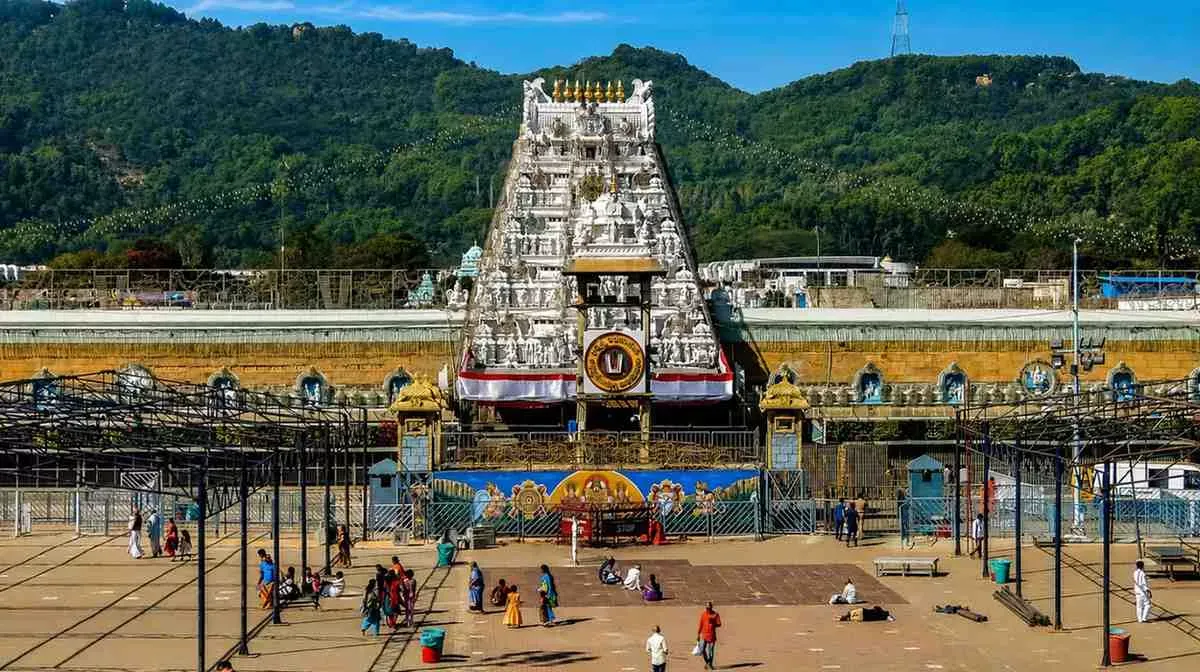
Tirumala Tirupati TTD — Complete Guide for NRIs (Darshan, Seva, Accommodation)
Anant Ambani Donates 25 Electric Buses to Tirumala TTD | ₹27.5 Crore Mahā Kānuka
ISKCON to Serve Pure Sattvik Mid-Day Meals to School Children in Bengal | Suvendu Adhikari Initiative