Police raid Isha Foundation ashram in Coimbatore following Madras HC order
On October 1,2024, 150 policemen conducted an extensive search at the Isha Foundation ashram in Coimbatore, following a directive from the Madras High Court.
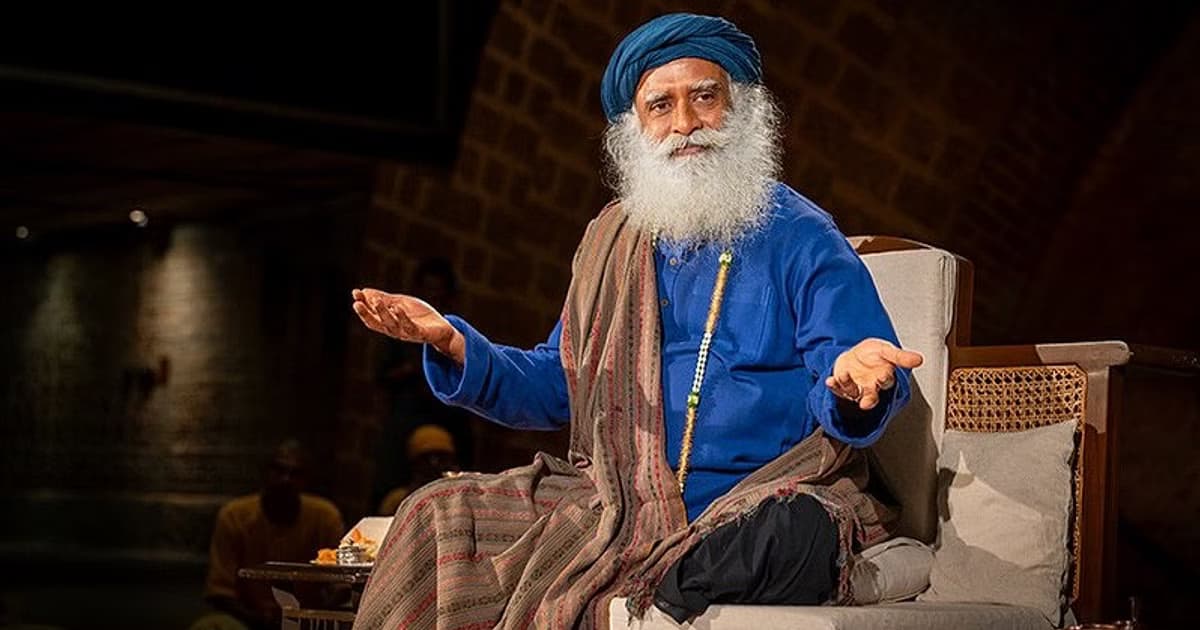
On October 1,2024, 150 policemen conducted an extensive search at the Isha Foundation ashram in Coimbatore, following a directive from the Madras High Court.
On October 1,2024, 150 policemen conducted an extensive search at the Isha Foundation ashram in Coimbatore, following a directive from the Madras High Court. The court had requested the police to gather and present all records of cases involving the foundation. The police team, which included senior officials, arrived at the ashram in Thondamuthur to carry out an inquiry into the residents and their
living arrangements.
The inquiry focused on verifying the details of the people residing at the ashram, including volunteers, and understanding their lifestyle and stay patterns. Isha Foundation, in its statement, clarified that
this was part of a general investigation by the police, as instructed by the court. The foundation emphasized that there was no misconduct, but rather routine checks and inquiries.
This police action followed a case brought to the court by a retired professor who claimed his daughters were allegedly influenced to remain at the ashram permanently. In response, the court raised concerns and questioned Isha Foundation’s leader, Sadhguru, about the ashram’s practices, particularly with young women.
A bench of Justices SM Subramaniam and V Sivagnanam posed the question for the Isha Foundation founder after S Kamaraj (69) a retired professor alleged that his two daughters had been “brainwashed” into permanently staying at the Isha Yoga Centre.
Kamaraj, a retired professor of the Tamil Nadu Agricultural University in Coimbatore, claimed that two of his well-educated daughters had been “brainwashed” to reside at the Isha Yoga Centre permanently.
`
What exactly did the Madras High Court order, and what legal grounds did it cite?
The Madras High Court bench comprising Justices S.M. Subramaniam and V. Sivagnanam took suo motu cognisance of the petition filed by retired professor S. Kamaraj and converted it into a habeas corpus proceeding — a legal instrument traditionally used to produce a person before a court to verify that they are being held lawfully and of their own free will. The court directed the Tamil Nadu police to visit the Isha Yoga Centre at Thondamuthur, Coimbatore, compile a comprehensive list of all residents, ascertain their personal details, and submit a status report.
The bench specifically questioned whether individuals residing at the ashram were doing so voluntarily or under undue influence. The court's concern extended beyond the two daughters named in the petition; it sought information on all women living at the ashram, particularly those who had severed ties with their families. This broadened scope transformed a private family grievance into a matter of wider judicial scrutiny over the foundation's residential practices.
Who is S. Kamaraj and what are the specific allegations he made against the Isha Foundation?
S. Kamaraj, 69, is a retired professor of Tamil Nadu Agricultural University, Coimbatore. He approached the Madras High Court alleging that his two daughters — both described as well-educated professionals — had been psychologically manipulated into becoming permanent residents of the Isha Yoga Centre. He contended that they had distanced themselves from their family entirely, raising concerns about their mental autonomy and wellbeing.
Kamaraj's petition is not the first family complaint directed at ashram-style organisations in India, but it gained unusual traction because the High Court chose to treat it as a systemic issue rather than an isolated domestic dispute. The retired professor reportedly attempted to contact his daughters through normal channels before approaching the court, and claimed those efforts were unsuccessful, which formed a key part of the legal argument around restricted communication.
What is the Isha Foundation, and what is the nature of its residential ashram in Thondamuthur?
The Isha Foundation is a non-profit spiritual organisation founded by Jaggi Vasudev, widely known as Sadhguru, and is headquartered at the Isha Yoga Centre nestled in the foothills of the Velliangiri Mountains near Thondamuthur, approximately 30 kilometres from Coimbatore city. The centre functions simultaneously as a residential ashram, a yoga and meditation school, and the administrative hub of the foundation's global programmes. Thousands of volunteers and brahmacharis — those who have taken a vow of celibacy and dedicated themselves to spiritual practice — reside permanently on the campus.
The ashram draws residents from diverse professional and educational backgrounds, including engineers, doctors, and former corporate employees, many of whom choose to live there as full-time volunteers. The foundation has consistently maintained that all residency is entirely voluntary and that individuals are free to leave at any time. It runs internationally recognised programmes such as Inner Engineering and Samyama, and the Dhyanalinga — a consecrated meditative space on the campus — is open to visitors of all faiths.
How did the Isha Foundation respond to the police search and the court's concerns?
The Isha Foundation issued an official statement describing the October 1 police visit as a routine inquiry conducted in compliance with the court's directive, and stressed that no irregularities or unlawful activities were found during the search. The foundation cooperated fully with the 150-member police team, providing documentation related to residents, volunteers, and administrative records as requested.
The foundation also indicated that it would present its position before the Madras High Court through legal counsel and was confident that the judicial process would affirm that all residents live on the premises voluntarily and in accordance with their personal spiritual choices. Sadhguru himself acknowledged the court's questions publicly and stated that the ashram respects individual freedom and that no one is compelled to stay or prevented from leaving.
What does Hindu dharmic tradition say about the rights and responsibilities of individuals who choose an ashrama way of life?
In the classical Vedic framework, human life is divided into four ashramas — Brahmacharya (student life), Grihastha (householder life), Vanaprastha (forest-dweller or gradual renunciation), and Sannyasa (complete renunciation). The decision to enter a path of renunciation or dedicated spiritual service has historically been regarded as a deeply personal and sacred choice, one that ideally follows inner calling (viveka) and is not undertaken lightly. The Manusmriti and various Dharmashastra texts acknowledge that transition between ashramas, while traditionally sequential, can occur earlier for those with genuine spiritual inclination.
Hindu philosophical texts such as the Bhagavata Purana (Srimad Bhagavatam) and the Vivekachudamani of Adi Shankaracharya emphasise that the pursuit of moksha — liberation — is the highest purushartha and that a seeker who is genuinely drawn to an ashrama life is exercising the most fundamental of spiritual rights. However, the same tradition also strongly emphasises familial duties (pitri-rina, the debt to one's ancestors) and cautions that renunciation should arise from genuine dispassion (vairagya) rather than confusion or external pressure — a distinction that lies at the heart of the current legal debate.
What are the broader implications of this case for spiritual organisations and personal autonomy in India?
The Isha Foundation case has reignited a long-standing tension in Indian jurisprudence between an individual's constitutional right to freedom of religion and conscience under Article 25 of the Indian Constitution, and a family's concern for the welfare of an adult member who has chosen an unconventional path. Indian courts have historically been cautious about intervening in adult lifestyle choices made on religious or spiritual grounds, provided there is no evidence of coercion or confinement.
Legal observers note that habeas corpus petitions filed by parents against adult children living in ashrams are not novel — similar cases have been brought before various High Courts in India over the decades involving different spiritual institutions. Courts have generally held that if an adult resident affirms their willingness to stay and shows no signs of physical or psychological duress, the petition is typically dismissed. The outcome of the Madras High Court proceedings in this case is therefore being closely watched by both spiritual organisations and civil liberties advocates across the country.
Frequently Asked Questions
What is Police raid Isha Foundation ashram in Coimbatore?
On October 1,2024, 150 policemen conducted an extensive search at the Isha Foundation ashram in Coimbatore, following a directive from the Madras High Court. The court had requested the police to gather and present all records of cases involving the foundation.
What are the key points about Police raid Isha Foundation ashram in Coimbatore?
The police team, which included senior officials, arrived at the ashram in Thondamuthur to carry out an inquiry into the residents and their living arrangements. The inquiry focused on verifying the details of the people residing at the ashram, including volunteers, and understanding their lifestyle and stay patterns.
Why does Police raid Isha Foundation ashram in Coimbatore matter in Hinduism?
It reflects core values of Sanatana Dharma and offers practical and spiritual guidance that remains relevant across generations.
How can devotees apply Police raid Isha Foundation ashram in Coimbatore in daily life?
By reflecting on its teaching, incorporating the related practices or observances into daily routine, and approaching it with sincere devotion and understanding.
You might also like

Shani Deva Temples Worldwide & Must-Performed Rituals — Complete Devotee's Guide

ISKCON to Serve Pure Sattvik Mid-Day Meals to School Children in Bengal | Suvendu Adhikari Initiative

June 2026 Hindu Festival Calendar — Complete Dates, Vrat & Puja Guide for NRIs