
Temples in News May 2026: Historic Bhojshala Verdict Declares Dhar’s Sacred Site a Saraswati Temple, Sabarimala Traditions Defended & Global Hindu Milestones
Madhya Pradesh High Court declared Dhar’s Bhojshala a Saraswati temple on May 15, 2026; the Supreme Court reserved verdict in the 9-judge Sabarimala reference case on May 14; a new Hindu temple opened in Tete, Mozambique on May 10. The biggest Hindu temple stories of May 2026 in one report.
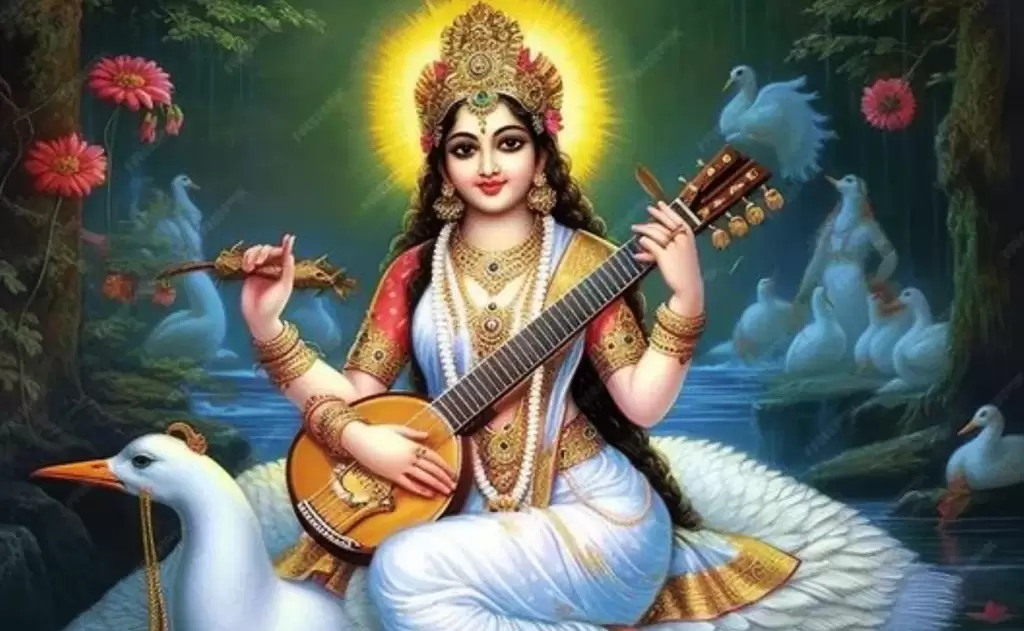
Madhya Pradesh High Court declared Dhar’s Bhojshala a Saraswati temple on May 15, 2026; the Supreme Court reserved verdict in the 9-judge Sabarimala reference case on May 14; a new Hindu temple opened in Tete, Mozambique on May 10. The biggest Hindu temple stories of May 2026 in one report.
By HinduTone Editorial · Updated: May 21, 2026
May 2026 has emerged as a transformative month for Hindu temples across India and the world. From a landmark Madhya Pradesh High Court ruling reclaiming one of India’s most contested heritage sites as a temple dedicated to Goddess Vagdevi (Saraswati) to the Supreme Court’s intense 16-day hearings on Sabarimala traditions, Hindu devotees have witnessed powerful affirmations of faith, history, and dharma.
These developments are not isolated incidents. They reflect a broader renaissance — the reclamation of ancient sacred spaces, the defence of age-old rituals, and the global expansion of Hindu spiritual heritage. For millions of Sanatan Dharma followers, these stories represent justice long overdue and a renewed sense of pride in civilisational roots.
In this comprehensive report, we dive deep into the biggest temples in news May 2026, with a special focus on the Bhojshala–Kamal Maula verdict, its historical context, reactions, and what it means for devotees. We also cover the Sabarimala reference case, other notable developments, and why these events matter for the future of Hindu temples.
1. The Landmark Bhojshala Verdict: Dhar’s Bhojshala Declared a Temple of Goddess Vagdevi (May 15, 2026)
On Friday, May 15, 2026, the Madhya Pradesh High Court delivered a historic 242-page judgment that sent waves of joy through the Hindu community. The court ruled that the disputed Bhojshala–Kamal Maula complex in Dhar, Madhya Pradesh, is fundamentally a Hindu temple dedicated to Goddess Vagdevi (also known as Saraswati or Ambika), the deity of speech, wisdom and learning.
The bench of Justices Vijay Kumar Shukla and Alok Awasthi quashed the controversial 2003 Archaeological Survey of India (ASI) order that had restricted Hindu worship while allowing Muslim Friday prayers (namaz). Hindus now have full rights to worship at the site, with the ASI directed to manage the protected monument and the associated Sanskrit learning centre.
Historical Background: Raja Bhoj’s Glorious Legacy
The site’s story begins in the 11th century during the reign of the illustrious Paramara king Raja Bhoj (c. 1010–1055 CE). Dhar was not just a political capital — it was one of the greatest centres of Sanskrit learning in medieval India. Historical texts and inscriptions describe Bhojshala as a magnificent temple complex and university dedicated to Goddess Saraswati.
Archaeological evidence, including temple architectural fragments reused in later structures and ancient inscriptions, supports this. The 2024 ASI survey (ordered by the High Court) confirmed that the existing structure incorporates parts of earlier temples. The court noted that no credible evidence established the site as a mosque before or around 1034 CE — well after Raja Bhoj’s era.
An idol of the goddess (sometimes identified as Ambika), believed by petitioners to belong to this temple, currently resides in the British Museum in London. The court directed the government to consider its repatriation.
The 2003 Compromise Overturned
For over two decades, a fragile arrangement existed: Hindus could worship on Tuesdays, while Muslims offered namaz on Fridays. This was based on the 2003 ASI order. The High Court held that once the religious character was established as a temple, the restrictive order had no legal basis. The 1935 British-era notification recognising it as a mosque was also set aside as it predated modern constitutional and monument protection laws.
The court clarified that it was determining the character of the site (not title or ownership disputes like Ayodhya) and found no evidence of Waqf creation.
Celebrations, Reactions & Next Steps
Following the verdict, saffron flags fluttered across the complex. Devotees performed grand aarti, installed a temporary idol of Goddess Vagdevi, and celebrated what many called the “restoration of dignity” after centuries. Local Hindu organisations hailed it as a victory for Hindu civilisation.
The Muslim community expressed disappointment and announced plans to challenge the verdict in the Supreme Court, citing the Places of Worship Act, 1991, and historical records. The court suggested alternate land in the district for a new mosque if required.
This ruling follows the 2024 Gyanvapi Mosque verdict in Varanasi (allowing Hindu prayers) and the 2019 Ayodhya judgment. It has intensified national debate on temple reclamation, the 1991 Act, and the role of ASI surveys in resolving disputes.
Why it matters: searches for “Bhojshala verdict 2026”, “Dhar temple court ruling May 2026”, and “Kamal Maula mosque declared temple” are surging — one of the biggest temples-in-news stories of May 2026.
2. Supreme Court Reserves Verdict in Sabarimala Reference Case (May 14, 2026)
While Dhar celebrated, the Supreme Court concluded a marathon 16-day hearing in the Sabarimala reference case on May 14, 2026. A nine-judge Constitution Bench led by Chief Justice Surya Kant heard arguments on fundamental questions: can courts reform religious rituals? What is the balance between individual rights (Article 25) and denominational autonomy (Article 26)? Who decides temple traditions — believers or the judiciary?
The case stems from the 2018 Sabarimala verdict that opened the temple to women of all ages, sparking massive protests by Ayyappa devotees who uphold the 41-day vratham and the deity’s unique naishtika brahmachari tradition.
Key highlights from the hearings:
The bench posed sharp questions to petitioners about their “locus standi” and understanding of temple customs.
Justices emphasised that centuries-old rituals cannot be casually dismantled in the name of reform.
Arguments centred on whether Sabarimala’s restrictions constitute “essential religious practice” protected under the Constitution.
The verdict has been reserved. Whatever the outcome, the hearings themselves reinforced that Hindu temple traditions deserve serious judicial respect and that devotees’ faith cannot be overridden lightly.
This remains one of the most watched temples-in-news May 2026 stories, with implications for temples like Shani Shingnapur, Lord Ayyappa shrines, and other denomination-specific practices nationwide.
3. Other Notable Temple Stories Making Headlines in May 2026
Global Hindu Expansion: On May 10, 2026, a beautiful new Hindu temple was inaugurated in Tete, Mozambique, attended by local dignitaries including the Governor. It symbolises the growing presence and devotion of the Hindu diaspora in Africa.
Policy Wins for Temple Development: The Karnataka government faced backlash and quickly withdrew a controversial circular that had sought to halt development works in state temples. Pro-Hindu groups celebrated the reversal as a victory against unnecessary bureaucratic hurdles.
Viral Temple Entry Debates: Social media lit up with videos and discussions around temple entry protocols, dress codes, and sanctity — reminding devotees of the need to preserve the sacred atmosphere of our mandirs.
Freeing Temples from State Control: The central government’s earlier stance that it does not wish to control temples continues to resonate. Many Hindu organisations are pushing for complete liberation of major temples (in Tamil Nadu, Andhra and Karnataka) from government oversight so that resources directly benefit devotees and preservation.
4. Why These May 2026 Temple Stories Signal a Spiritual Renaissance
These events are interconnected threads in a larger tapestry:
Historical Justice: sites like Bhojshala represent living proof of India’s ancient glory — centres of learning, devotion and culture that survived invasions and colonial rule.
Devotee Empowerment: court victories and strong judicial scrutiny of reform petitions show that the voice of ordinary devotees matters.
AdvertisementGlobal Hindu Pride: from Dhar to Tete to the diaspora’s grand Akshardham-style temples, Sanatan Dharma is thriving.
Cultural Preservation: ASI surveys, when conducted scientifically and fairly (as affirmed by the MP High Court), help uncover truth rather than impose narratives.
For pilgrims planning visits in 2026, these stories add emotional depth. Imagine offering prayers at a newly reclaimed Bhojshala on a Tuesday, or joining the Sabarimala mandala season with renewed faith in tradition.
Frequently Asked Questions (FAQs)
What exactly did the MP High Court rule in the Bhojshala case?
On May 15, 2026, it declared the site a temple of Goddess Vagdevi/Saraswati associated with Raja Bhoj’s era, quashed the 2003 ASI order restricting Hindu worship, and granted full puja rights to Hindus while suggesting alternate arrangements for the mosque.
Can Muslims still pray at Bhojshala?
The court has ruled the character is that of a temple. Friday namaz has been discontinued at the site. The Muslim side plans to approach the Supreme Court.
What is the current status of the Sabarimala case?
The Supreme Court reserved its verdict on May 14, 2026, after 16 days of hearings by a nine-judge bench. The outcome will clarify the limits of judicial intervention in temple rituals.
Are there more temple reclamation cases expected?
Similar petitions exist for sites in Mathura (Shahi Eidgah) and elsewhere. The Dhar verdict is likely to encourage more historical and archaeological research.
Final Thoughts: A Month to Remember
May 2026 will be remembered as the month when Hindu temples reclaimed not just physical spaces but their rightful place in India’s collective consciousness. The Bhojshala verdict stands as a shining example of how evidence-based judicial processes can restore civilisational truth. The Sabarimala hearings remind us that faith and tradition are not relics to be discarded but living treasures to be protected.
At HinduTone, we celebrate these victories with humility and gratitude. They inspire us to visit more temples, support their preservation, and pass on our rich heritage to the next generation.
Jai Shri Ram! Jai Mata Di! Jai Vagdevi!
Sources: official court pronouncements, ASI reports and verified news reports as of May 21, 2026. This report is written from a Hindu perspective while respecting factual accuracy.
You might also like
Vemulawada Sri Raja Rajeshwara Temple Guide: Telangana's Dakshina Kashi
Trimbakeshwar Jyotirlinga Guide: Legend, Godavari's Source, Rituals and Visiting Tips
Top Hindu Temples and Spiritual Centres in Brazil: A Guide for Indians and Seekers