Tightening H-1B
visa rules, his support for legal immigration reform aimed at skilled workers helped maintain some level of support among Indian Americans, many of whom are…
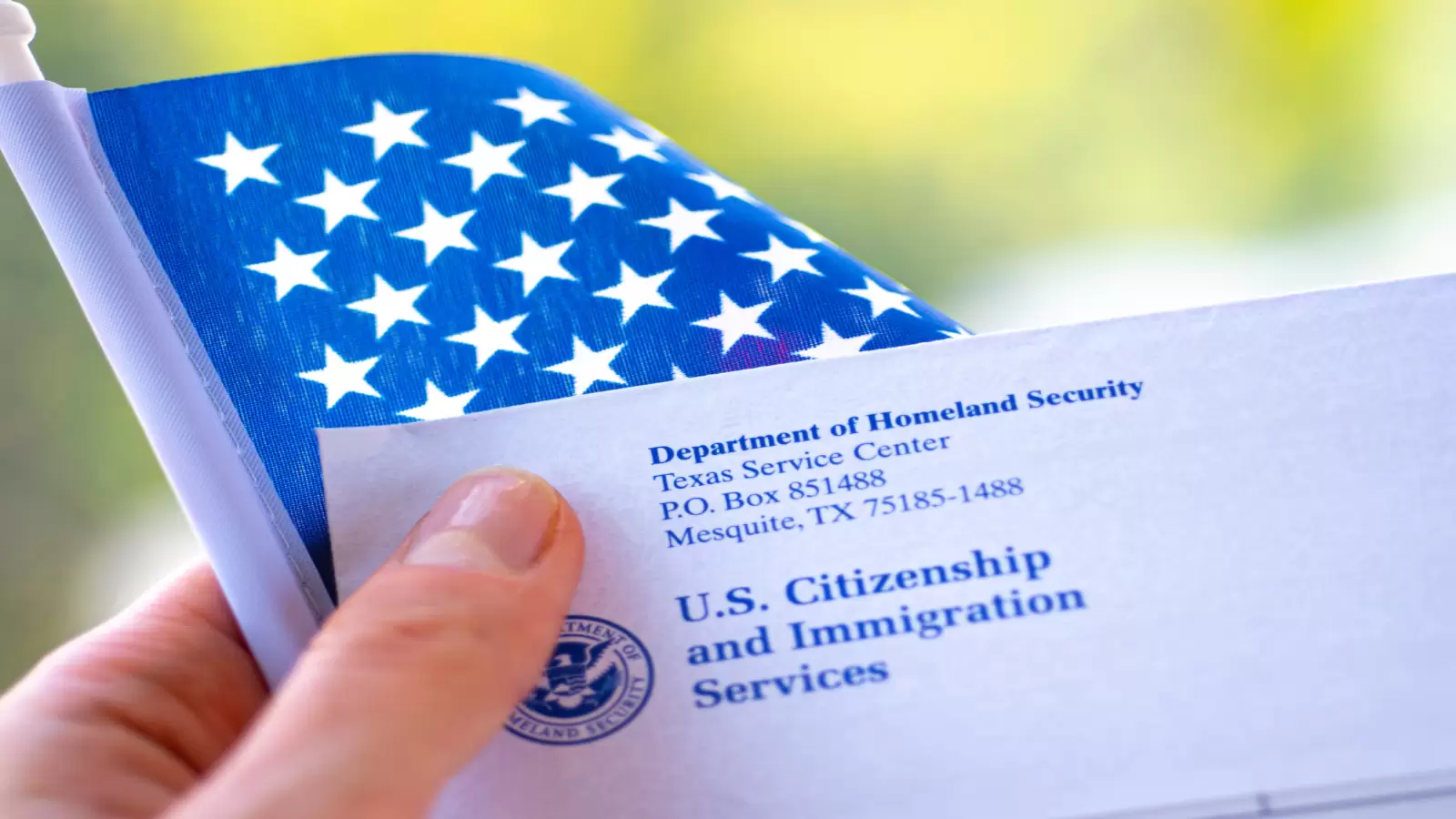
visa rules, his support for legal immigration reform aimed at skilled workers helped maintain some level of support among Indian Americans, many of whom are highly educated professionals.
Standing Against China Trump’s tough stance on China, both economically and geopolitically, also resonated with many Indian Americans, particularly in the context of India’s own strained relations with China. His administration’s policies against Chinese trade practices, intellectual property theft, and aggressive foreign policy were seen as beneficial to India, which also faces territorial disputes and economic competition with China.
Trump’s administration encouraged India to take a leading role in the Indo-Pacific region as a counterbalance to China’s growing influence. This alignment of U.S.-India interests in containing China helped bolster Trump’s image as a strong ally of India.
Conclusion Donald Trump’s appeal to the Hindu and Indian American communities has been built on a combination of strong U.S.-India relations, personal diplomacy with Indian leaders, support for religious freedoms, and outreach to Indian Americans as key contributors to the U.S. economy. His focus on security, merit-based immigration, and standing up to global threats like terrorism and China has resonated with many in the community. As Trump eyes a political comeback, these factors will likely play a role in garnering continued support from Indian Americans and Hindus in the U.S.
Donald Trump has built a positive relationship with many Indian Americans and Hindu communities, both during his presidency and in his campaigns. Some key ways he has shown support include:
Strengthening U.S.-India Relations: Trump focused on improving ties with India, especially in trade, security, and defense. His administration enhanced defense cooperation and signed key agreements that benefitted both nations.
Support for Prime Minister Narendra Modi: Trump and Modi shared a strong personal rapport, which was highlighted during events like "Howdy, Modi" in Houston and "Namaste Trump" in India. These events demonstrated Trump's outreach to the Indian community and India's leadership.
Religious Freedom Advocacy: Trump made statements supporting religious freedoms and defending Hindus' rights, especially in relation to global Hindu persecution. This has resonated with many in the Hindu community.
Community Engagement: Trump’s administration engaged with Indian-American business leaders and other influential figures within the community, acknowledging their contributions to the U.S. economy.
Immigration Policies: While Trump's administration implemented stricter immigration policies, he supported reforms that would favor merit-based immigration, which appealed to many skilled Indian workers.
These factors, combined with his outreach efforts, have helped him gain support from certain segments of the Hindu and Indian American communities.
How the 'Howdy Modi' and 'Namaste Trump' Events Shaped Indian American Political Perception
The 'Howdy Modi' rally held at NRG Stadium in Houston, Texas in September 2019 drew approximately 50,000 Indian Americans and stands as one of the largest gatherings of the diaspora in American political history. Trump's decision to appear alongside Prime Minister Narendra Modi on that stage was widely interpreted as a direct, unambiguous signal of solidarity — not merely a diplomatic courtesy but a carefully choreographed statement of shared values between the two leaders.
The reciprocal 'Namaste Trump' event held at the Sardar Patel Stadium (now Narendra Modi Stadium) in Ahmedabad, Gujarat in February 2020 attracted over 100,000 attendees and was broadcast globally. For many Hindu Americans watching from the United States, seeing an American president stand in India's largest cricket stadium and address a crowd in a nation with deep religious and cultural roots carried symbolic weight that transcended conventional foreign policy optics.
Political analysts noted that these joint appearances helped shift a segment of Indian American voters — historically leaning Democratic — toward at least considering the Republican ticket more seriously. The events reinforced a narrative that Trump personally respected India's civilizational identity, not just its strategic utility.
Trump Administration's Posture on Hinduism, Religious Freedom, and Minority Protections Abroad
The U.S. Commission on International Religious Freedom (USCIRF) and the State Department's annual reports under the Trump administration maintained focus on the persecution of Hindu minorities in countries such as Pakistan and Bangladesh, where temple desecrations and forced conversions have been documented over decades. While critics argued the reports did not go far enough, the administration's broader framing of religious freedom as a cornerstone of foreign policy gave Hindu advocacy organizations a formal channel to raise concerns.
Trump's invocation of 'Judeo-Christian values' in domestic discourse was at times extended to include acknowledgment of Hindu and Dharmic traditions during outreach events. His addresses to Indian American audiences occasionally referenced Diwali, described as a festival of light and victory of dharma over adharma — language that resonated with practicing Hindus familiar with the Ramayana's narrative of Sri Rama's return to Ayodhya.
The administration also hosted Diwali celebrations at the White House on multiple occasions, and Trump became the first U.S. president to speak at the annual Diwali reception organized by the Congressional Caucus on India and Indian Americans — a gesture noted positively by organizations such as the Hindu American Foundation.
Merit-Based Immigration and the H-1B Debate Among Indian American Professionals
The tension within Trump's immigration policy — tightening H-1B visa rules on one hand while advocating for merit-based immigration reform on the other — created genuine ambiguity for Indian American skilled workers, who represent the single largest national-origin group among H-1B visa holders. Approximately 70 percent of H-1B petitions approved in recent years have gone to Indian nationals, making any shift in this program's architecture directly consequential for the community.
Trump's stated preference for a points-based immigration system, modeled loosely on the Canadian and Australian systems, appealed to Indian Americans who have long chafed under per-country caps that cause backlogs stretching decades for Indian-born applicants in the employment-based green card queue. The RELIEF Act and similar legislative proposals that gained informal administration support were viewed as potentially corrective measures.
For many Indian American engineers, physicians, and researchers, the distinction between restricting low-skill visa abuse and supporting high-skill talent retention was a critical one. Trump's rhetoric, when focused on rewarding merit and educational achievement, aligned with a community that places high cultural value on academic and professional accomplishment — values that find parallel in the Vedic concept of vidya (knowledge) as a primary form of human wealth.
India-China Border Tensions and the Strategic Resonance of Trump's Anti-Beijing Stance
The June 2020 Galwan Valley clash between Indian and Chinese forces in the Ladakh region, which resulted in casualties on both sides, brought the India-China boundary dispute into sharp relief for the Indian American diaspora. Trump's simultaneous trade war with China, his administration's designation of Chinese telecom firms as national security threats, and his consistent rhetorical pressure on Beijing created a perception among many Indian Americans that U.S. and Indian strategic interests were meaningfully converging.
Trump's promotion of the Quad framework — the security dialogue involving the United States, India, Japan, and Australia — was seen as giving India institutional backing in the Indo-Pacific without requiring a formal alliance. For Hindu nationalists and security-conscious Indian Americans, this represented a departure from what they characterized as previous administrations' excessive deference to Chinese economic sensitivities at India's expense.
The Arthashastra of Kautilya, the ancient Indian treatise on statecraft, describes the concept of mandala — a framework of concentric rings of allies and adversaries. Some Indian strategic thinkers drew informal parallels between this classical framework and the Quad's structure, noting that Trump's instinctive bilateralism and transactional approach to alliances paradoxically produced an alignment that classical Indian geopolitical thinking might recognize.
Indian American Demographic Growth and Its Emerging Electoral Significance
The Indian American population in the United States has grown to approximately 4.4 million people according to community estimates, making it the second-largest Asian American group in the country. Critically, this population is concentrated in electorally significant states including New Jersey, California, Texas, Georgia, Michigan, and Pennsylvania — the last three of which have been decisive in recent presidential contests.
Exit poll data and community surveys conducted during the 2020 election cycle suggested that Trump's share of the Indian American vote increased compared to 2016, even as the overall community remained majority Democratic in its affiliation. Organizations such as the Republican Hindu Coalition actively worked to translate cultural affinity into voter registration and turnout drives in swing-state communities.
The economic profile of Indian Americans — median household income and educational attainment rates that exceed national averages — means the community is also a significant source of political donations. The intersection of economic success, strong cultural identity, and concerns about merit-based policy treatment has made Indian Americans an increasingly contested and courted demographic rather than a reliably partisan one.
Frequently Asked Questions
Why do H-1B visa rules matter so much to Indian Americans?
Indian nationals receive approximately 70 percent of approved H-1B petitions in recent years, so any change to the program directly affects the community. Many Indian American engineers, physicians and researchers depend on it.
How did Trump's immigration stance split opinion among skilled Indian workers?
His administration tightened H-1B rules while also backing merit-based immigration reform. That mix created real ambiguity, though the merit-based and points-based ideas appealed to skilled professionals.
Why do Indian-born applicants face such long green card waits?
Per-country caps cause backlogs stretching decades for Indian-born applicants in the employment-based green card queue. A points-based system modeled loosely on the Canadian and Australian systems appealed to many for this reason.
What were the Howdy Modi and Namaste Trump events?
Howdy Modi was a rally at NRG Stadium in Houston in September 2019 that drew approximately 50,000 Indian Americans. Namaste Trump followed in February 2020 at the stadium in Ahmedabad, Gujarat, with over 100,000 attendees.
How does the India-China tension shape Indian American views of US policy?
After the June 2020 Galwan Valley clash, Trump's pressure on China and support for the Quad led many Indian Americans to see US and Indian strategic interests converging.
How large is the Indian American community?
Community estimates put the Indian American population at approximately 4.4 million people, making it the second-largest Asian American group in the United States.
Share this with family and friends
Send it on WhatsApp, post it, or copy the link.
More from News
- Aurora Hindu Temple Shooting Plot Foiled: Illinois Teen Charged After Rifle Jammed, Police Say
- Hindu Temples Abroad News, October 2026: Neasden's 42-Foot Tapomurti, Maha Annakut, Paris Mandir Hosts UNESCO Diplomats, Abu Dhabi Prayers
- Hindu Temple News, October 2026: Tirumala Navaratri Brahmotsavam, Sabarimala Security, Kashi's New CEO and Puri Updates
- Hindu Festival News, October 2026: Kullu Dussehra, Bastar, Delhi Ramlila, Gujarat Garba, Bathukamma, Chhath and Ayodhya Deepotsav
- Festival Special Trains 2026: Dasara, Diwali and Chhath Specials Announced So Far, Route by Route
You might also like
Even If Firms Lay Off 50% Workforce Due to AI, Business Will Increase: Says Microsoft VP – What It Means for India and Hindu Youth

The Kerala Story 2: Goes Beyond – Complete Review for Hindus
TCS Nashik Employees Allegations: Sexual Harassment & Forced Conversion Claims Emerge at Tata Consultancy Services BPO