Transforming Srisailam into a Tirumala-like Pilgrimage Hub
The sacred abode of Lord Venkateswara, Tirumala Tirupati Devasthanam, stands as a beacon of spiritual and administrative excellence.
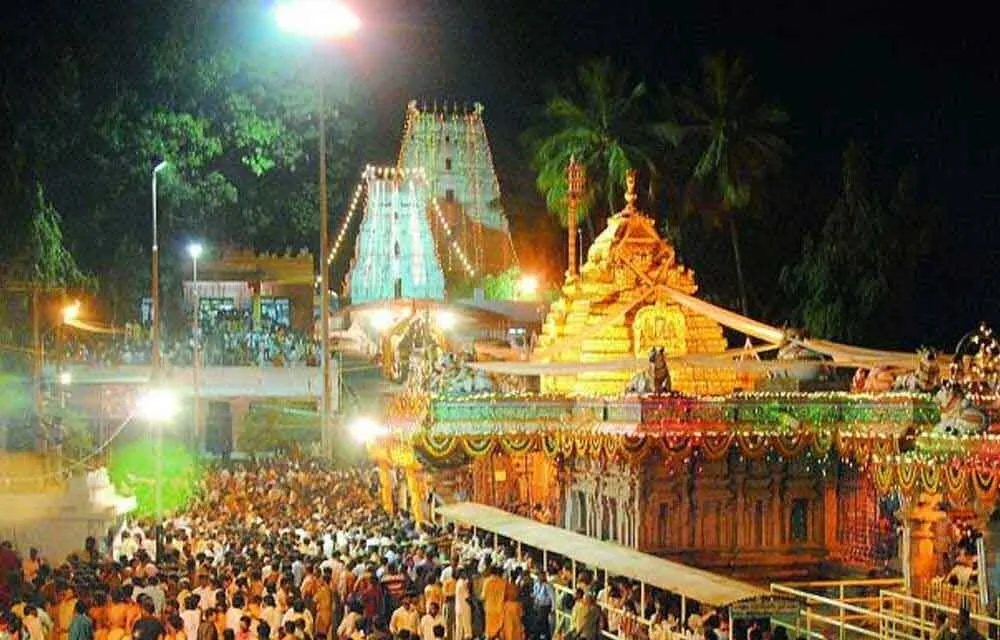
The sacred abode of Lord Venkateswara, Tirumala Tirupati Devasthanam, stands as a beacon of spiritual and administrative excellence.
The sacred abode of Lord Venkateswara, Tirumala Tirupati Devasthanam, stands as a beacon of spiritual and administrative excellence. Today, regardless of the thousands of devotees visiting, the temple ensures a serene and seamless darshan experience. From free daily meals (nityannadanam) to complimentary breakfast, the temple’s facilities have been significantly enhanced, largely due to the pivotal contributions of past NTR and Chandrababu Naidu governments—a fact acknowledged beyond political divides. Inspired by this model, Chief Minister Chandrababu Naidu has now set his sights on transforming another prominent spiritual center, Srisailam, into a world-class pilgrimage destination.
Strategic Planning for Srisailam’s Development
On Sunday, at his Undavalli residence, CM Chandrababu held an extensive discussion with Deputy CM Pawan Kalyan, Endowments Minister Anam Ramanarayana Reddy, and key officials. The agenda was clear: to develop the Srisailam Mallanna Temple on the lines of Tirumala. A comprehensive master plan has been prepared to ensure that even with thousands of devotees visiting, the darshan process remains smooth and hassle-free. Additionally, the surrounding wildlife sanctuaries will be developed as eco-tourism hubs to enhance the region’s appeal.
Key Features of the Master Plan
The government has outlined a transformative vision for Srisailam, blending spiritual infrastructure with sustainable tourism. The key initiatives include:
- Land Allocation for Expansion: Approximately 2,000 hectares of land from the surrounding sanctuary will be allocated for the temple’s development. The state will coordinate with the central government to secure this land.
- Tourism Development: By enhancing the tourism potential of Srisailam and its surrounding areas, the government aims to boost local revenue generation.
- Improved Connectivity: The existing single road to Srisailam will be widened and integrated with national highways for better accessibility.
- Wildlife Sanctuary Enhancement: The tiger sanctuary will be expanded and developed to attract more visitors while preserving its ecological balance.
- Enhanced Pilgrim Facilities: Additional cottages will be constructed, and accommodation facilities will be upgraded to cater to the growing number of devotees.
- Free Meals and Amenities: Like Tirumala, Srisailam will offer nityannadanam and improved facilities to ensure devotee comfort.
- Streamlined Queue Systems: Queue lines will be expanded to manage crowds efficiently, ensuring a smooth darshan experience.
- Adopting Best Practices: Facilities akin to those at Tirumala and Sabarimala will be introduced to elevate the devotee experience.
- Two-Year Transformation Timeline: The government aims to complete the comprehensive development of Srisailam within the next two years, equipping it with modern amenities while preserving its spiritual sanctity.
A Vision for the Future
The Srisailam development plan reflects a harmonious blend of spirituality, infrastructure, and sustainable tourism. By drawing inspiration from Tirumala’s success, the government is poised to elevate Srisailam into a premier pilgrimage destination, ensuring that devotees and tourists alike experience its divine aura with ease and comfort.
The Sacred Significance of Srisailam: Why This Kshetra Deserves World-Class Status
Srisailam, situated in the Nallamala Hills of Nandyal district in Andhra Pradesh, is home to the Mallikarjuna Swamy temple — one of the twelve Jyotirlingas of Lord Shiva and one of the eighteen Maha Shakti Peethas, where the deity is worshipped as Bhramaramba Devi. This rare dual distinction makes Srisailam uniquely sacred in the entire Hindu world, as very few pilgrimage centers simultaneously carry the sanctity of both a Jyotirlinga and a Shakti Peetha.
The Skanda Purana, in its Srisaila Khanda, devotes extensive passages to the glory of this kshetra, declaring that even the sight of the Srisailam hill from a distance bestows liberation from the cycle of birth and death. The great Adi Shankaracharya is believed to have visited Srisailam and composed the Shivanandalahari here, a 100-verse hymn of extraordinary devotional depth. Such scriptural and historical endorsements place Srisailam in the highest tier of Hindu pilgrimage centers.
How Tirumala's Administrative Model Can Be Replicated at Srisailam
The Tirumala Tirupati Devasthanam (TTD) manages one of the wealthiest and most efficiently run temple complexes in the world, handling upwards of 70,000 to 100,000 pilgrims on peak days through a combination of token-based darshan systems, multiple entry queues, and real-time crowd management technology. The proposed master plan for Srisailam envisions adopting similar queue management infrastructure, dedicated darshan slots, and digitized seva booking to eliminate bottlenecks at the Mallikarjuna Swamy temple.
Beyond crowd control, TTD's model is notable for its comprehensive annadanam program, free accommodation tiers, and on-site medical facilities. Planners for Srisailam are reportedly looking at establishing comparable facilities — including a 24-hour free meals complex, tiered choultry accommodation ranked by pilgrim need, and a dedicated spiritual guidance center staffed with trained archakas and scholars — ensuring that devotees from all economic backgrounds can undertake the pilgrimage with dignity.
Ecological Balance and the Nagarjunasagar-Srisailam Tiger Reserve Challenge
The Nagarjunasagar-Srisailam Tiger Reserve, covering approximately 3,568 square kilometers across Telangana and Andhra Pradesh, is the largest tiger reserve in India by area and forms the ecological envelope around the Srisailam temple complex. Any large-scale infrastructural expansion in the region must navigate the stringent requirements of the Wildlife Protection Act of 1972 and the Forest Conservation Act, making the proposed allocation of 2,000 hectares from the sanctuary a legally and environmentally sensitive undertaking requiring central government clearance.
The master plan's eco-tourism component, if properly designed, can actually serve conservation goals alongside pilgrimage development. Models from sites like Hemis National Park in Ladakh and Periyar Tiger Reserve in Kerala show that regulated pilgrim and tourist traffic, when channeled through designated corridors with trained naturalist guides, can generate local employment while minimizing wildlife disturbance. The Andhra Pradesh government's coordination with the Ministry of Environment, Forest and Climate Change will be a critical determinant of how much land is practically available for development.
Connectivity Overhaul: Linking Srisailam to the National Transport Grid
Currently, Srisailam is accessible primarily via State Highway 179, a route that becomes severely congested during major festivals such as Maha Shivaratri, Ugadi, and the Brahmotsavams, when pilgrim footfall can surge to several hundred thousand within a few days. The proposed widening and integration of this road with the national highway network — particularly with NH-167 — would dramatically reduce travel time from cities such as Hyderabad, Kurnool, and Vijayawada.
Long-term connectivity plans reportedly include the examination of a ropeway or light transit option similar to the aerial ropeway at Vaishno Devi Shrine in Jammu, which successfully reduced pedestrian congestion on the main ascent trail. Additionally, a dedicated helipad expansion to accommodate multiple helicopter services — mirroring the Tirumala helicopter service operated by TTD — is on the drawing board, making Srisailam more accessible for elderly and differently-abled pilgrims.
Revenue Potential and Economic Impact on the Surrounding Region
Tirumala Tirupati Devasthanam's annual revenue has consistently exceeded several thousand crore rupees, much of which is reinvested in temple maintenance, educational institutions, hospitals, and annadanam programs across Andhra Pradesh. Srisailam, with its dual Jyotirlinga-Shakti Peetha status, has an untapped pilgrimage economy that, if properly harnessed, could generate comparable revenue streams benefiting the relatively underdeveloped Nandyal and Kurnool districts.
The surrounding Nallamala region is also rich in medicinal plant biodiversity and offers potential for regulated forest-based livelihoods for tribal communities, who have historically lived in and around the sanctuary. A well-governed eco-tourism framework tied to the pilgrimage hub development could create employment in hospitality, transport, guiding, and artisanal sectors, reducing migration pressures from these communities while preserving their traditional knowledge of the forest landscape.
Upcoming Festivals and the Urgency of Infrastructure Readiness
Maha Shivaratri at Srisailam is among the most heavily attended Shaiva festivals in peninsular India, with pilgrims arriving not only from Andhra Pradesh and Telangana but also from Karnataka, Tamil Nadu, and Maharashtra. During the annual Brahmotsavam, the presiding deities Mallikarjuna and Bhramaramba are taken out in grand processions — an occasion that demands robust crowd management, emergency medical response, and sanitation infrastructure far beyond current capacities.
The government's stated ambition is to have foundational infrastructure improvements — particularly road widening, additional dharmashalas, and enhanced sanitation blocks — operational before the next major pilgrimage season. Meeting this timeline will require parallel-tracking multiple projects rather than sequential execution, a project management discipline that TTD's long institutional experience can potentially help guide through advisory partnerships between the Srisailam Devasthanam Trust Board and TTD officials.
Frequently Asked Questions
What is the plan to develop Srisailam like Tirumala?
Chief Minister Chandrababu Naidu wants to develop the Srisailam Mallanna Temple on the lines of Tirumala. A master plan aims to keep darshan smooth for thousands of devotees, with free meals (nityannadanam), expanded queues and better facilities.
How much land is proposed for the Srisailam expansion?
About 2,000 hectares of land from the surrounding sanctuary is to be allocated for the temple's development. The state will coordinate with the central government to secure it, as the area falls under wildlife and forest protection laws.
How long will the Srisailam development take?
The government aims to complete the comprehensive development of Srisailam within two years. The plan covers modern amenities while preserving the spiritual sanctity of the kshetra.
Why is Srisailam considered so sacred?
Srisailam in the Nallamala Hills of Nandyal district, Andhra Pradesh, has the Mallikarjuna Swamy temple, one of the twelve Jyotirlingas of Lord Shiva. It is also one of the eighteen Maha Shakti Peethas, where the deity is worshipped as Bhramaramba Devi.
How will road access to Srisailam improve?
The existing single road to Srisailam will be widened and integrated with national highways. Srisailam is currently reached mainly via State Highway 179, which gets congested during festivals such as Maha Shivaratri and Ugadi.
What new facilities are planned for pilgrims at Srisailam?
Plans include additional cottages and upgraded accommodation, nityannadanam free meals, and expanded queue lines. Facilities akin to those at Tirumala and Sabarimala will be introduced, and the tiger sanctuary will be developed for eco-tourism.
You might also like
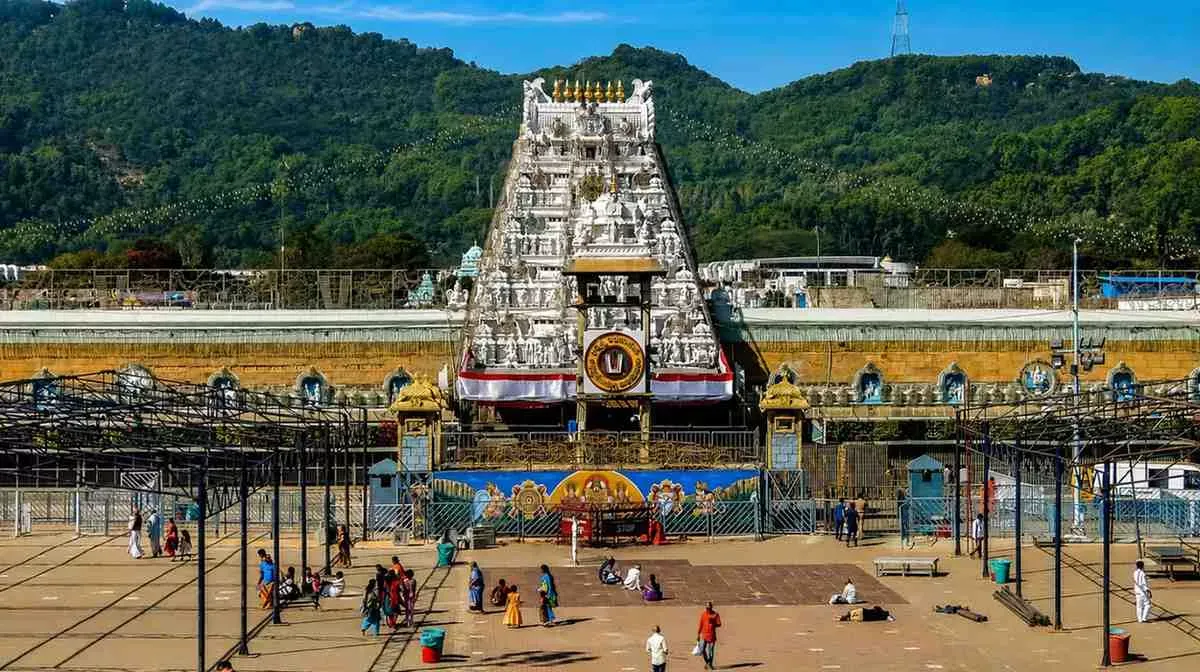
Tirumala Tirupati TTD — Complete Guide for NRIs (Darshan, Seva, Accommodation)
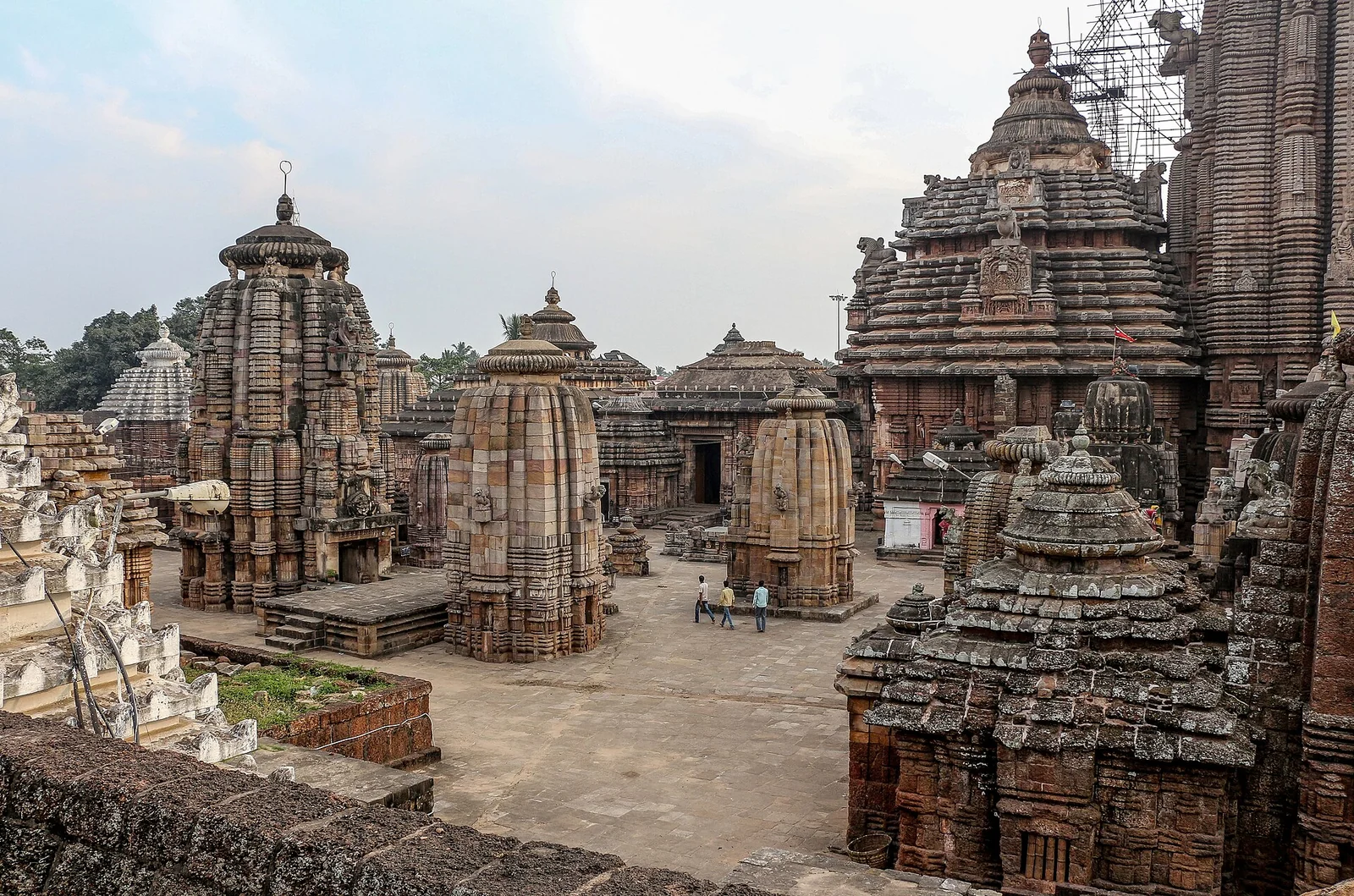
Lingaraja: Divine Mysteries & Soul-Stirring Miracles of the Eleventh-Century Shiva-Vishnu Temple at Bhubaneswar
Ranganathaswamy Srirangam: Divine Mysteries & Soul-Stirring Miracles of the Largest Functioning Hindu Temple