US Senator Eric Schmitt Calls Hyderabad’s Chilkur Balaji Temple "Visa Temple" in H-1B Visa Controversy — Full Story
US Senator Eric Schmitt called Hyderabad’s 500-year-old Chilkur Balaji Temple — long known as "Visa Balaji" — the temple of a global "visa cartel" while attacking the H-1B programme. Full story, temple background, 108 pradakshina tradition and Indian-American reactions.
US Senator Eric Schmitt called Hyderabad’s 500-year-old Chilkur Balaji Temple — long known as "Visa Balaji" — the temple of a global "visa cartel" while attacking the H-1B programme. Full story, temple background, 108 pradakshina tradition and Indian-American reactions.
Hyderabad’s renowned Chilkur Balaji Temple (Chilukur Balaji Temple), famously known as the “Visa Balaji” or “Visa Temple”, has become the centre of an unexpected international row. US Senator Eric Schmitt (R-Missouri) recently highlighted the temple while criticising the H-1B visa programme, referring to it as part of a “visa cartel.” The comments have triggered widespread debate and strong reactions from the Indian community in India and the United States.
In this detailed post we cover the complete incident, the temple’s spiritual significance, public responses, and why this sacred shrine holds a special place in the hearts of millions of devotees.
What did US Senator Eric Schmitt say?
On May 13–14, 2026, Missouri Senator Eric Schmitt (Republican) posted on X as part of his ongoing campaign against alleged misuse of the H-1B visa system. He claimed a “global visa cartel” exploits the programme, displacing American workers.
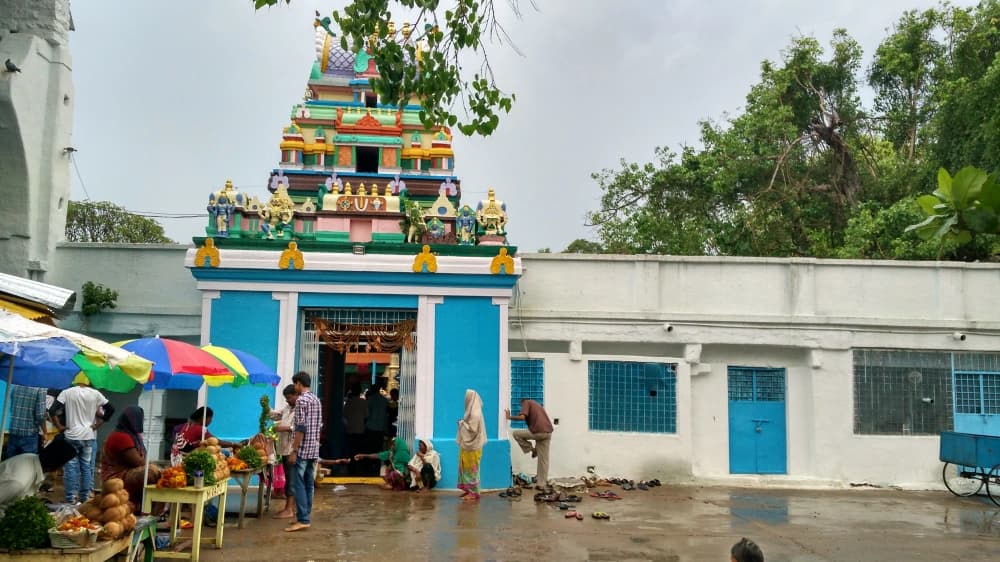
Sharing a photo of Chilkur Balaji Temple, Senator Schmitt wrote:
“The ‘Visa Cartel’ has its own ‘Visa Temple’ in Hyderabad, which sees thousands of Indians circling altars and getting passports blessed for U.S. work visas. American workers shouldn’t have to compete against a system this gamed.”
His statement linked the temple’s popularity among Indian IT professionals and students to broader concerns about visa fraud and wage suppression in the United States.
The story behind Chilkur Balaji Temple — Hyderabad’s Visa Temple
Located about 25 km from Hyderabad on the banks of Osman Sagar Lake, the Chilkur Balaji Temple is a 500-year-old shrine dedicated to Lord Venkateswara (Balaji). What makes it unique is its strict adherence to pure devotion:
No hundi (no donation box inside the temple).
No VIP or special darshan — every devotee waits in the same line.
Devotees perform 108 pradakshinas (circumambulations) around the sanctum to fulfil their wishes — and complete another 108 once the wish is granted, as a token of gratitude.
Thousands of students and young professionals visit the temple before their US visa interviews. They carry their passports for blessings and walk the 108 rounds with faith. Many devotees have shared inspiring stories of receiving visas after sincere prayers at this temple. This fame has earned it the loving nickname “Visa Balaji Temple”, representing hope, hard work and unwavering faith — not any organised system.
Important context: the temple receives no government grant, accepts no commercial sponsorship and is run entirely on the principle of nishkama bhakti (selfless devotion). It is the late chief priest Dr. M. V. Soundararajan’s lifelong stand against hundi-driven commercialism that made this temple a model of agama-shastra purity for thousands of devotees worldwide.
Reactions from India and the global Indian community
Senator Schmitt’s remarks drew sharp criticism:
Cultural insensitivity: Many viewed the comments as disrespectful to Hindu religious practices and an attempt to politicise a sacred place of worship.
Faith ≠ fraud: Indian-Americans and netizens emphasised that visiting a temple and praying for success is a personal spiritual act, not evidence of visa fraud.
Hashtag wave: Trending tags such as #ChilkurBalaji, #VisaTemple and #H1BVisa surged across X / Instagram / Threads.
Policy vs. piety: While some users supported the senator’s larger point on H-1B reform, the majority accused him of conflating policy with cultural insensitivity towards Indian traditions.
Telugu states response: Local political and cultural leaders in Telangana and Andhra Pradesh called for the senator to clarify or apologise, noting that the temple’s practice predates the H-1B programme by nearly five centuries.
Advertisement
The episode has once again brought attention to the intersection of faith, migration and politics — a fault line that recurs whenever the H-1B debate flares up in Washington.
Why Chilkur Balaji Temple matters
Unlike commercialised shrines, Chilkur Balaji Temple stands for simplicity and sincere bhakti. It welcomes everyone equally, irrespective of class, caste or nationality, and has been a source of strength for lakhs of young Indians pursuing education, careers and family reunification abroad. The temple continues to attract massive crowds, especially on weekends, Saturdays and auspicious days.
For deeper context on Lord Venkateswara across temples, see our Lord Venkateswara Rashi & Janma Nakshatra astrology guide. For pan-India temple news this month, read our May 2026 Hindu Temple News roundup.
Quick visitor guide to Chilkur Balaji Temple
Location: Chilkur Village, Rangareddy District, ~25 km from Hyderabad (near Osman Sagar / Gandipet Lake).
Timings: 5:30 AM – 8:30 PM (check the temple notice board for festival changes).
Best time to visit: Weekday mornings for shorter queues. Saturday and Sunday see massive crowds.
How to reach: TSRTC buses, app cabs and shared taxis from Mehdipatnam / Tolichowki. ~45 min drive from Charminar.
AdvertisementSpecial practice: Complete 108 pradakshinas with full devotion. Carry your passport if you have a specific overseas wish — many devotees do.
Etiquette: Traditional attire preferred. No hundi — do not look for a donation box. No VIP shortcuts.
Frequently asked questions
Why is Chilkur Balaji called the “Visa Temple”?
Generations of Indian students and IT professionals have visited Chilkur Balaji Temple before their US, UK, Canada and Australia visa interviews — performing 108 pradakshinas and praying for a successful visa stamping. Word-of-mouth success stories earned it the popular nickname “Visa Balaji” or “Visa Temple.” It is purely a faith-based folk tradition, with no commercial sponsorship.
What exactly did Senator Eric Schmitt say?
In a post on X dated May 13–14, 2026, Senator Schmitt described Chilkur Balaji as the “Visa Temple” of a “Visa Cartel,” arguing that the H-1B visa programme has been gamed at the expense of American workers. He shared a photo of the temple alongside the comment, drawing strong criticism.
How did Indians and Indian-Americans react?
Most responses called the comment culturally insensitive and pointed out that prayer is a personal spiritual act, not evidence of fraud. Trending hashtags #ChilkurBalaji, #VisaTemple and #H1BVisa reflected the wave of pushback. A smaller subset supported the senator’s broader H-1B reform argument while still disagreeing with the temple reference.
Is the temple really 500 years old?
Yes — Chilkur Balaji Temple is widely believed to be around five centuries old. The current daily worship and the celebrated “no hundi, no VIP” tradition were strengthened in modern times under the late chief priest Dr. M. V. Soundararajan.
Can NRIs perform the 108 pradakshinas?
Yes. The temple is open to all devotees regardless of nationality. NRI visitors are warmly welcomed and may perform the 108 pradakshinas at their own pace — there is no fee and no VIP shortcut.
In summary
The Chilkur Balaji controversy is a stark reminder that faith and policy often intersect in unexpected ways. While reasonable people can debate H-1B reform on its merits, dragging a 500-year-old place of worship into that debate has struck many as needless and disrespectful. For millions of devotees, the temple remains what it has always been — a humble sanctum of hope and surrender to Lord Venkateswara.
What is your opinion? Do you think Senator Schmitt’s comment was unfair to a holy temple, or is it part of a valid policy discussion? Share your thoughts in the comments section below.
Jai Balaji! Govinda! Govinda! 🙏
For more breaking Hindu temple news, festival updates and pilgrimage stories, keep following Hindutone.com — your trusted destination for daily Sanatana Dharma news.
Last updated: May 16, 2026.
You might also like

May 2026 Hindu Temple News: Grand Festivals, Divine Crowds & Spiritual Highlights Across India
Tirumala Temple May 2026: Major News, Festivals, Celebrity Visits & TTD Updates You Must Know

Lord Venkateswara's Rashi and Janma Nakshatra: Astrological Insights into Tirumala's Supreme Deity