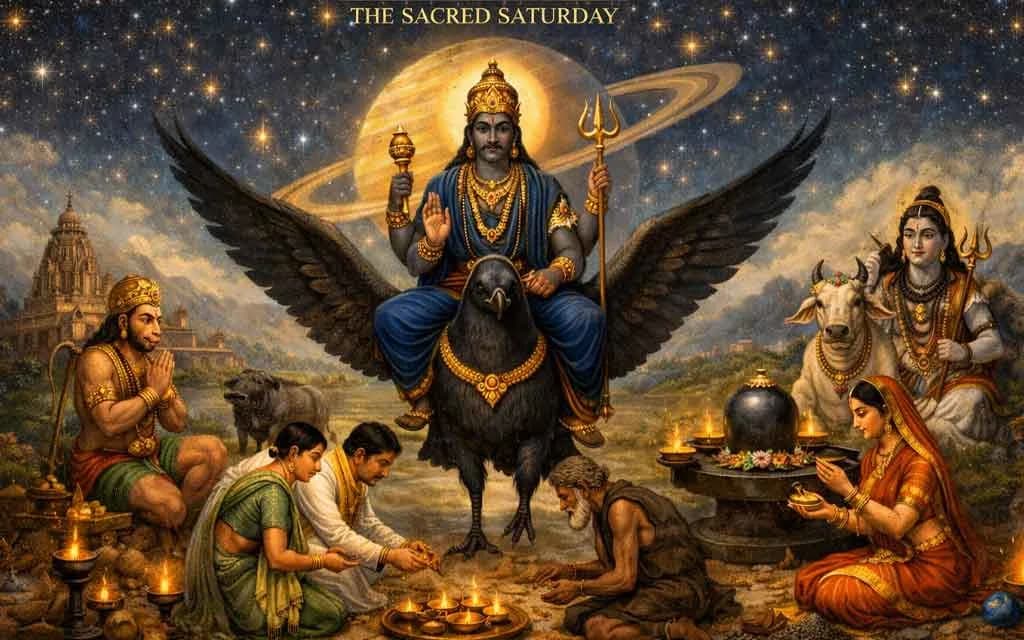
Must Visit Temples on Saturday: Top 12 Shani & Hanuman Temples in India for Powerful Shanivar Blessings
A complete pilgrimage guide to the 12 most powerful temples to visit on Saturday — Shani Shingnapur, Tirunallar Saniswaran, Shani Dham Delhi, Kokilavan, Mehandipur Balaji, Salasar Balaji and more. Rituals, offerings, mantras, and Sade Sati remedies for the global Hindu community.
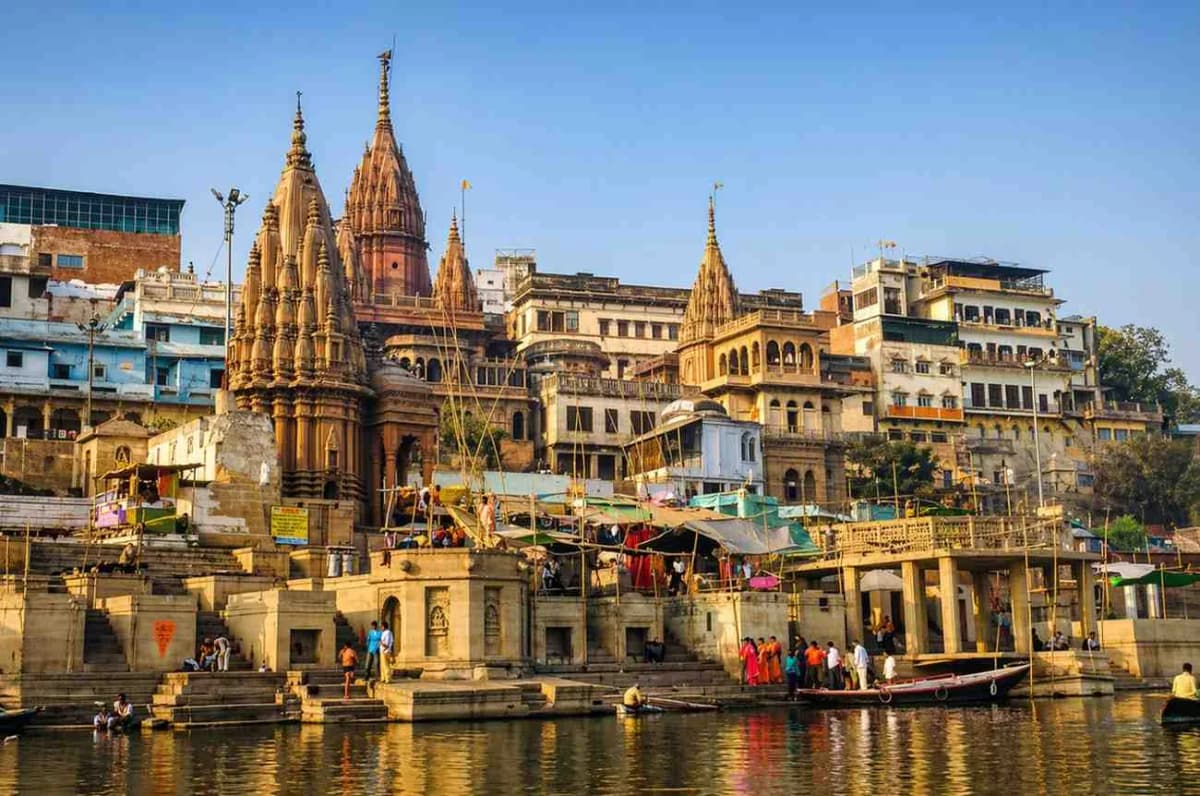
A complete pilgrimage guide to the 12 most powerful temples to visit on Saturday — Shani Shingnapur, Tirunallar Saniswaran, Shani Dham Delhi, Kokilavan, Mehandipur Balaji, Salasar Balaji and more. Rituals, offerings, mantras, and Sade Sati remedies for the global Hindu community.
In Hindu tradition, Saturday (Shanivar) is one of the most spiritually charged days of the week — ruled by Shani Dev, the planetary deity of Saturn, karma, justice, and discipline. For anyone going through Sade Sati (the 7.5-year Saturn cycle), Dhaiya (2.5-year Saturn phase), or Shani Mahadasha, visiting a powerful Shani temple on Saturday is considered the single most effective remedy in classical Hindu astrology.
Alongside Shani, Lord Hanuman is equally worshipped on Saturdays. According to spiritual tradition, Hanuman has the power to protect his devotees from the harsh effects of Shani, making Saturday a dual-deity day of worship and protection.
This complete guide brings you the top 12 must-visit temples on Saturday — the most powerful Shani shrines and the key Hanuman temples specifically associated with Saturday worship — along with proper rituals, offerings, mantras, and what to do (and avoid) on Shanivar.
Why Saturday Is Spiritually Significant
Saturday belongs to Shani Dev, the son of Surya (Sun God) and Chhaya. He is the cosmic enforcer of karma — rewarding the disciplined and testing the careless. Worshipping Shani on Saturdays is believed to:
- Reduce the malefic effects of Sade Sati and Dhaiya
- Clear past karmic debts
- Bring discipline, focus, and perseverance
- Protect against accidents, legal troubles, and obstacles
- Bestow long-term stability in career, finances, and relationships
- Remove black magic, evil eye, and negative energies (when combined with Hanuman worship)
Lord Hanuman, the eternal Chiranjivi, is invoked alongside Shani because scriptures describe him as the protector who can shield devotees from Saturn's wrath — a tradition rooted in the story where Hanuman rescued Shani from Ravana's prison, and in gratitude, Shani promised to never harm Hanuman's true devotees.
Top 7 Shani Dev Temples to Visit on Saturday
1. Shani Shingnapur Temple, Maharashtra — The Open-Air Wonder
Location: Shingnapur village, Ahmednagar district, Maharashtra
Timings: 5:30 AM to 7:30 PM
Best Time to Visit: Saturday, Amavasya, Shani Jayanti
Shani Shingnapur is India's most famous Shani temple — and one of the most unique religious sites in the world. The temple's main deity is a 5-foot black rock standing on an open platform, believed to be a self-emerged (swayambhu) form of Shani Dev. There is no roof, no wall, no door — and incredibly, the entire village has no doors on its homes, shops, or schools.
This centuries-old tradition stems from the belief that Lord Shani himself protects the village from theft. Remarkably, no significant theft has been reported in Shingnapur for centuries — a phenomenon that continues to amaze visitors. Every Saturday, devotees perform Tailabhishekam — pouring mustard oil over the idol — and offer black sesame seeds and lamps to Shani Dev.
Many devotees combine their trip with the nearby Shirdi Sai Baba Temple, which is just around 75 km away.
2. Tirunallar Saniswaran Temple, Puducherry — The Navagraha Powerhouse
Location: Thirunallar, Karaikal district, Puducherry
Significance: One of the nine Navagraha temples; most visited Shani temple in South India
The Thirunallar Shani temple is one of the most visited Shani temples in South India. Dedicated to Lord Shani and Lord Shiva (as Darbaranyeswarar), this temple is part of the sacred Navagraha temple circuit and is believed to be the place where Lord Shani himself offered prayers to Lord Shiva.
The temple is most famous for its Nala Theertham tank — taking a dip in this holy tank is believed to instantly cleanse devotees of Shani Dosha. Pilgrims traditionally bathe in the tank, leave their wet clothes behind, change into dry ones, and then enter the temple for darshan — a ritual believed to leave the negative karma behind in the tank.
This temple is essential for anyone undergoing Sade Sati or experiencing Shani-related obstacles in career, marriage, or health.
3. Shree Sidh Shakti Peeth Shani Dham, Delhi — Asia's Tallest Shani Idol
Location: Asola, Chhatarpur Road, New Delhi
Nearest Metro: Chhatarpur Metro Station (Yellow Line)
Significance: Houses Asia's tallest Shani Dev idol at 21 feet
Located on Asola on Chhatarpur Road, Delhi, the Shree Sidh Shakti Peeth Shani Dham is a well-known Shani Temple famous for its 21-foot-high rock-cut Shani Dev statue, the tallest in the world. Dedicated in 2003, the Shani Temple attracts thousands of devotees, particularly on Saturdays. The temple also consists of the twelve Jyotirlingas, so it is even more religious.
Founded by Guru Sant Namdev Ji Maharaj, this is the go-to temple for those impacted by Sade Sati and Shani Mahadasha in the Delhi NCR region. Special rites such as oil abhishek and Shani Mahatmya chanting are performed by devotees throughout the day on Saturday.
4. Kokilavan Shani Dham, Mathura — Where Krishna Blessed Shani
Location: Kosi Kalan, near Mathura, Uttar Pradesh
Significance: Unique temple combining Krishna and Shani devotion
The Kokilavan Shani temple near Mathura is a sacred temple dedicated to Lord Shani and his guru, Barkhandi Baba. According to legend, Shani Dev performed penance here after being denied a glimpse of infant Krishna — who later blessed the site as holy. The temple features a rare idol of Shani Dev on a crow and a divine, self-manifested presence.
What makes Kokilavan unique is its dual energy — devotees experience both the disciplinary grace of Shani and the loving compassion of Krishna at the same site. Devotees visit this temple usually on Saturdays and offer mustard oil, sesame and blue flowers to seek Lord Shani's blessings.
The temple is a must-visit for anyone seeking spiritual healing alongside Shani-related remedies, and is often combined with Vrindavan-Mathura yatra.
5. Mandapalli Mandeswara Swamy Temple, Andhra Pradesh
Location: Mandapeta, East Godavari district, Andhra Pradesh
This serene temple in coastal Andhra is one of South India's most powerful Shani shrines outside of Tirunallar. Located in Mandapeta, East Godavari (Andhra Pradesh), Shani Dev is worshipped here to remove Shani's negative effects.
Devotees perform gingelly (sesame) oil abhishekam, light lamps while reciting Shani Kavacham, and traditionally wear black cloth during the puja. Amavasya and special pujas on Saturdays draw devotees seeking health, financial relief, and mental tranquility. This temple is particularly recommended for Telugu and South Indian devotees facing Sade Sati or unexplained obstacles.
6. Shri Shaneshwar Devasthan, Nashik, Maharashtra
Location: Nandur Shingote village, Nashik, Maharashtra
The Shri Shaneshwar Devasthan temple at Nashik, Maharashtra, is a well-known Shani Temple at village Nandur Shingote worshipped as one of the oldest temples of Shani Dev. The black stone image here is self-manifested (swayambhu), similar to the Shani Shingnapur tradition.
Devotees consider this temple equally powerful but quieter than Shingnapur, making it ideal for those seeking a peaceful Saturday darshan without massive crowds. The temple is also conveniently located on the Nashik–Shirdi pilgrimage circuit.
7. Pavagada Shani Mahatma Temple, Karnataka
Location: Pavagada town, Tumkur district, Karnataka
Often called the "Shani Shingnapur of South India," Pavagada Shani Mahatma temple is the most powerful Shani shrine in Karnataka. The temple draws massive crowds on Saturdays, with devotees performing oil abhishekam, sesame offerings, and recitation of Shani Stotra.
The presiding deity is worshipped here for guidance and protection — Shani Dev is believed to punish past wrongs only to set devotees back on the right path, making this temple especially significant for those undergoing major life transitions.
Bonus: Hanuman Temples to Visit on Saturday for Shani Protection
While Shani temples are the primary Saturday destination, many Hindus visit Hanuman temples on Saturday specifically to invoke Hanuman's protection against Shani's harsh effects. Here are the most powerful Hanuman temples associated with Saturday worship. For a complete list of Hanuman shrines, see our Top 10 Hanuman Temples in India guide (link at end).
8. Mehandipur Balaji Temple, Rajasthan — The Sankat Mochan
Location: Mehandipur, Dausa district, Rajasthan
Best Day to Visit: Saturday & Tuesday
Mehandipur Balaji Temple is a powerful temple known for spiritual healing and protection from negative energies. Located in the heart of Mehandipur in the Aravalli mountain ranges of Rajasthan, this temple is dedicated to the child form of Lord Hanuman — Balaji. On Saturday and Tuesday, a large number of devotees come here to get rid of diseases, evil spirits and dark magic.
Three deities are mainly worshipped here — Balaji (Hanuman), Bhairav, and Pretraj Sarkar — together believed to shield devotees from all forms of negative energy, including Shani-related afflictions. The spiritual atmosphere is considered extremely intense. Many seekers say the energy feels different the moment they enter the temple premises.
Note: Mehandipur Balaji has specific rituals that may feel unfamiliar to first-time visitors. Devotees are advised to follow temple guidelines, avoid eating food on temple premises, and not look back when leaving.
9. Salasar Balaji Temple, Rajasthan — The Bearded Hanuman
Location: Salasar, Churu district, Rajasthan
Best Day to Visit: Saturday & Hanuman Jayanti
Salasar Balaji is one of the most visited Hanuman temples in North India, unique for its bearded and mustached idol of Lord Hanuman — a depiction found in very few places in the world. Devotees come here seeking relief from health, family, financial, and Shani-related problems.
The temple is approximately 300 years old. Devotees write their wishes on paper or coconuts, offer them to Balaji, and return after wish fulfillment to express gratitude — a tradition that has continued for generations.
10. Kasapuram Nettikanti Hanuman Temple, Andhra Pradesh
Location: Guntakal, Anantapur district, Andhra Pradesh
A 300-year-old temple with a strong belief in Hanuman's power to remove Shani dosha and mental health issues. Known for large crowds during Saturdays, this temple is one of the most important Hanuman shrines in South India for Shani-related remedies.
Devotees here specifically chant Hanuman Chalisa 11 times on Saturday for protection from Saturn's adverse effects. The temple is especially popular among Telugu, Kannada, and Tamil devotees facing career obstacles and stagnation.
11. Sankat Mochan Hanuman Temple, Varanasi
Location: Lanka, Varanasi, Uttar Pradesh
Established by: Goswami Tulsidas (16th century)
Established by Goswami Tulsidas in the 16th century, this temple is famous for its calm, meditative environment and deep association with the Ramcharitmanas. Devotees write letters to Hanuman for wish fulfillment, and the temple sees especially large gatherings on Tuesdays and Saturdays.
The temple is particularly recommended for those facing chronic illnesses, mental distress, or prolonged Shani-related struggles — Hanuman as Sankat Mochan is invoked here as the remover of all difficulties.
12. Hanuman Garhi, Ayodhya
Location: Ayodhya, Uttar Pradesh
Located in the holy city of Ayodhya, Hanuman Garhi is one of the most spiritually charged Hanuman temples in India. Built on a hilltop, the temple offers darshan of Hanuman in his protective bal (child) form. Saturdays here are considered exceptionally powerful for invoking Hanuman's protection.
Pilgrims often combine this temple with Ram Janmabhoomi darshan for a complete Ayodhya yatra. For a complete list of Hanuman shrines across India, explore our detailed Top 10 Hanuman Temples in India guide linked below.
What to Offer at Shani Temples on Saturday
Saturday temple visits follow specific traditions rooted in Shani's elemental associations — the planet Saturn rules black, iron, sesame, mustard oil, and the crow (his vahana). The recommended way of worshipping Shani is by offering black sesame (Til) to his statue or lighting a mustard oil lamp, and bowing your head down while chanting the Shani mantra.
Traditional Saturday offerings to Shani:
- Mustard oil (Tail Abhishek) — the single most important offering; symbolizes lightening of karmic burdens
- Black sesame seeds (Kala til)
- Blue or black flowers — neelkamal, blue lotus, or black sandalwood flowers
- Black urad dal — uncooked
- Iron items — small iron horseshoe or nail
- Black cloth — to wear or offer
- Coconut and jaggery
- Mustard oil diya — lit on a peepal tree on Saturday evening is considered especially powerful
For Hanuman temples on Saturday:
- Sindoor (vermillion) — Hanuman's signature offering, mixed with chameli oil
- Banana, jaggery, boondi laddoo
- Red flowers
- Recitation of Hanuman Chalisa 11 times
Powerful Mantras to Chant on Saturday
Shani Mantras
Shani Beej Mantra:
Om Pram Preem Praum Sah Shanaischaraya Namah
Shani Vedic Mantra (most powerful):
Om Neelanjana Samabhasam Ravi Putram Yamagrajam, Chaya Martanda Sambhutam Tam Namami Shanaischaram. (I bow to Shani, the son of Surya, born of Chaya, dark like collyrium, elder brother of Yama)
Recommended chanting: 23 or 108 times on Saturday morning facing west.
Hanuman Mantras for Saturday Protection
Hanuman Beej Mantra:
Om Ham Hanumate Namah
Hanuman Chalisa — recite at least once on Saturday; 11 times for those undergoing Sade Sati.
When to Visit: Best Times for Saturday Temple Pilgrimage
While every Saturday is auspicious, certain occasions amplify the spiritual power of Shani temple visits:
- Shani Jayanti (May–June) — birthday of Shani Dev, most powerful day
- Shani Amavasya — when Saturday coincides with new moon
- Shani Pradosh — Saturday + Trayodashi tithi
- During Sade Sati or Dhaiya — recommended monthly Saturday visits
- During Shani Mahadasha — recommended for the duration of the dasha
Best timing within Saturday:
- Early morning (5:30 AM – 8:00 AM): Peaceful darshan, less crowd
- Sunset (Pradosh Kaal): Lighting peepal tree diya, performing aarti
- Avoid: Noon (12 PM – 3 PM), traditionally not recommended for Shani worship
Things to Avoid on Saturday
To maximize the spiritual benefits of Saturday worship and avoid invoking Shani's negative attention:
- Do not consume non-vegetarian food, alcohol, or onion-garlic on Saturday
- Avoid arguing or lying — Shani penalizes dishonesty more than any other deity
- Do not buy iron, oil, or salt on Saturday for personal use (donating these is fine)
- Avoid getting a haircut or cutting nails on Saturday
- Do not lend money on Saturday — financial losses are linked to Shani's displeasure when this rule is broken
- Avoid wearing brand-new clothes, especially black, on Saturday
- Do not stare directly into the eyes of the Shani idol — traditional belief holds that Shani's gaze (Drishti) can be powerful; devotees offer prayers with eyes lowered
- Do not skip meals or fast irregularly — Shani values discipline, not extremes
Saturday Temple Visits for Sade Sati and Shani Dosha
If you are undergoing Sade Sati (7.5-year Saturn transit) or Dhaiya (2.5-year transit), regular Saturday temple visits become a powerful remedy. Astrologers recommend:
- Visit a Shani temple every Saturday for the duration of the affliction
- Light a mustard oil diya under a peepal tree every Saturday evening
- Donate to the needy on Saturday — especially to the elderly, disabled, or laborers
- Wear a Shani Yantra or seven-faced (Saat Mukhi) Rudraksha
- Visit Tirunallar at least once during Sade Sati — considered the ultimate remedy
- Combine Shani temple visits with Hanuman Chalisa recitation for protective shielding
Saturday Temple Visits for NRIs
For NRIs unable to physically visit these temples, here are practical alternatives that retain spiritual potency:
Visit a local Hindu temple with a Hanuman or Navagraha shrine. Most major NRI hubs (USA, UK, Canada, UAE, Singapore, Australia) have temples with Navagraha sections — locate the Shani idol and perform oil abhishekam locally.
Book remote pujas at major Shani temples. Tirunallar, Shani Shingnapur, and Shani Dham (Delhi) offer online sankalpa-based pujas for NRIs. You can sponsor a Shani Shanti Homam or Tail Abhishekam on your behalf.
Light a mustard oil lamp at home every Saturday. Even without a temple, this simple ritual has tremendous spiritual benefit — recite the Shani mantra while lighting it.
Donate to charity on Saturday. Wherever you are in the world, donating to elderly homes, disability charities, or laborer welfare funds on Saturday is considered a direct Shani remedy.
Stream live darshan. Several Shani temples now offer live darshan via YouTube and temple apps — watch Tirunallar or Shani Shingnapur aarti on Saturday morning before starting your day.
Frequently Asked Questions
Which is the most powerful Shani temple in India?
Shani Shingnapur in Maharashtra is widely considered the most powerful, due to its swayambhu (self-manifested) idol and the village's centuries-old doorless tradition. For South Indian devotees, Tirunallar in Puducherry is equally revered.
Can women visit Shani temples on Saturday?
Yes, women can absolutely visit Shani temples. Some traditional temples like Shani Shingnapur historically restricted women from the inner sanctum, but most temples — including Shani Shingnapur after a 2016 Supreme Court ruling — now welcome all devotees. Always check temple-specific rules.
What is the best time to visit a Shani temple on Saturday?
Early morning between 5:30 AM and 8:00 AM is ideal — peaceful, less crowded, and considered the most spiritually charged window. Evening Pradosh Kaal (just before sunset) is also auspicious.
Should I visit a Shani temple or Hanuman temple on Saturday?
Both are auspicious. Devotees facing direct Shani afflictions (Sade Sati, Dhaiya, Mahadasha) should prioritize Shani temples. Those seeking general protection, courage, or relief from negative energies typically visit Hanuman temples. The most devout visit both — Hanuman in the morning for protection, Shani in the evening for karmic balance.
How often should I visit a Shani temple during Sade Sati?
Ideally every Saturday for the full duration of Sade Sati (7.5 years). At minimum, visit once a month on the first Saturday and on every Shani Amavasya and Shani Jayanti.
Is it okay to wear black on Saturday?
Wearing black on Saturday is traditional and considered favorable for Shani worship — many devotees specifically wear black clothes when visiting Shani temples. However, avoid buying new black clothes on Saturday itself.
Can I visit a Shani temple without astrological problems?
Absolutely. Shani worship is not just remedial — it cultivates discipline, gratitude, and karmic awareness. Visiting Shani temples regularly is a powerful spiritual practice for anyone seeking long-term stability and growth.
What if I cannot pour oil directly on the Shani idol?
In most modern temples, devotees offer oil into a designated vessel or pour it on a smaller dispatcher idol. The spiritual benefit remains the same — the intention and devotion matter more than the physical act.
Plan Your Saturday Temple Yatra
Whether you're seeking remedies for Sade Sati, protection from negative energies, or simply deeper spiritual discipline in your life — visiting these powerful temples on Saturday is one of the most transformative practices in Hindu tradition. The combination of Shani's karmic justice and Hanuman's protective grace creates a complete spiritual shield that classical astrology considers unmatched.
For a focused Saturday yatra, consider this circuit:
- North India: Shani Dham Delhi → Kokilavan Mathura → Mehandipur Balaji → Salasar Balaji
- South India: Tirunallar → Mandapalli → Pavagada → Kasapuram Nettikanti Hanuman
- West India: Shani Shingnapur → Shri Shaneshwar Nashik → Shirdi Sai Baba (bonus)
Visit early, offer mustard oil with sincerity, chant the Shani mantra with humility, and remember — Shani rewards those who walk the disciplined path. He is not a god to be feared, but a teacher to be respected.
May Lord Shani and Lord Hanuman together bless your Saturday with protection, perseverance, and the wisdom to walk through life's hardest lessons with grace.
Shanivar Subhakaankshalu. Jai Shani Dev. Jai Bajrangbali.
You might also like
Top 10 Hanuman Temples in India That Every Devotee Must Visit
Friday Rituals for Hindus: A Complete Shukravar Guide for NRIs to Invite Goddess Lakshmi's Blessings
Top 20 Lakshmi Devi Temples to Visit in India: Ultimate Pilgrimage Guide for Wealth, Prosperity & Divine Blessings