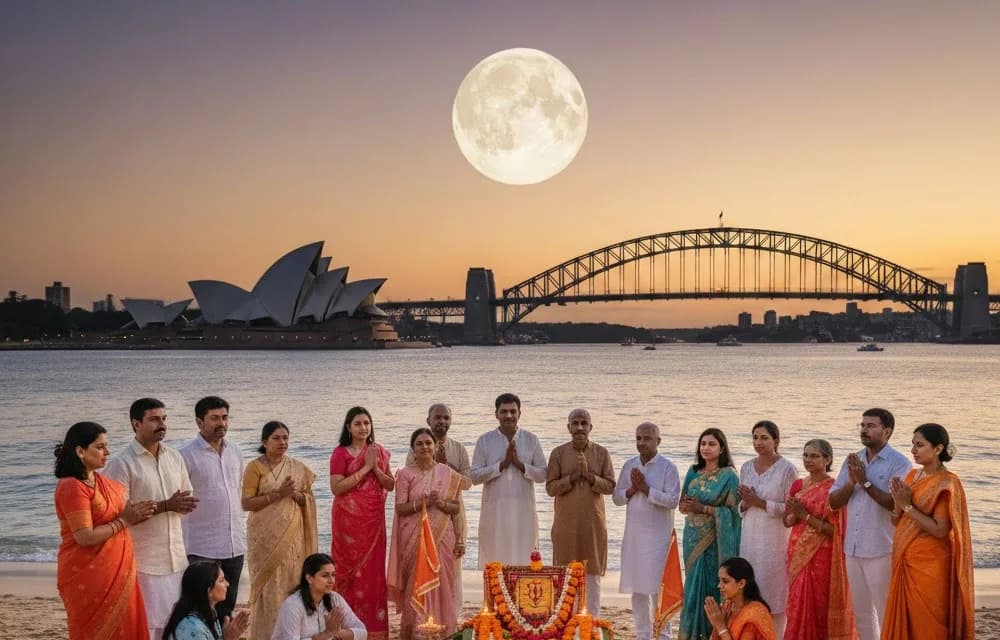
Hindu Temples & Festivals in Australia — Complete NRI Guide to Sanatana Dharma Down Under (2026)
Top Hindu temples in Australia, festival timing in AEDT/ACDT/AWST, and how Australian Hindu families celebrate Diwali, Maha Shivaratri, Navaratri and Pongal from Sydney to Perth.
Top Hindu temples in Australia, festival timing in AEDT/ACDT/AWST, and how Australian Hindu families celebrate Diwali, Maha Shivaratri, Navaratri and Pongal from Sydney to Perth.
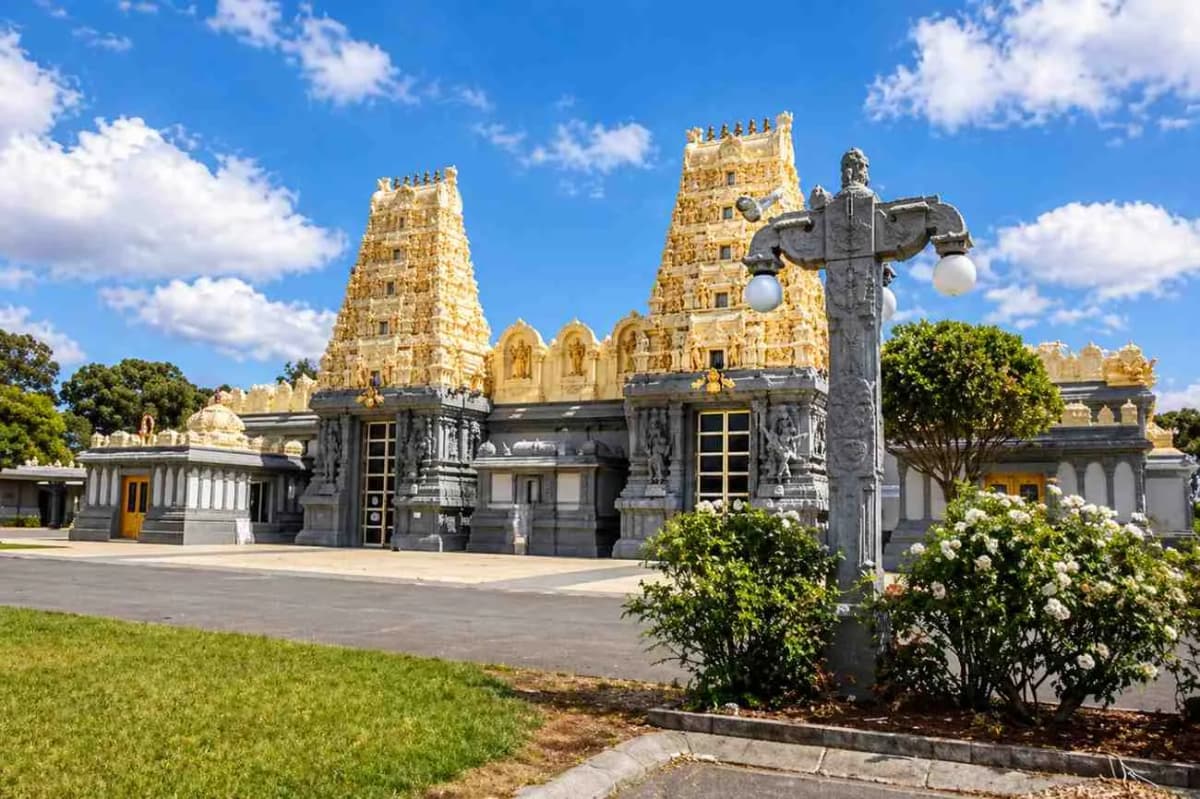
From the dramatic cliff-top gopuram of Sri Venkateswara Helensburgh to Carrum Downs near Melbourne and the new Shiva-Murugan complex in Brisbane, Australia’s Hindu community is among the fastest-growing in the Western world.
Why Australia is a major Hindu diaspora region
The Australian Hindu community is over 680,000 strong (Australian 2021 Census). From ancestral Sanatana Dharma traditions brought across generations to vibrant new temples consecrated in the last decade, Australia now offers one of the strongest Hindu cultural infrastructures outside India — a network of temples, priests, community organisations and festival calendars that allow NRI families to live full Vedic lives without compromise.
Whether you are searching for your nearest mandir, planning a wedding, preparing a Diwali celebration, or teaching the next generation the meaning of Janmashtami — this guide covers every essential thread of Hindu Dharma in the diaspora, tailored for life in Australia.
Top Hindu temples in Australia — city-by-city
The major Sanatana Dharma mandirs serving the Australian Hindu community, by metropolitan area.
Sydney (Helensburgh, NSW) — Sri Venkateswara Temple: Australia’s first major South-Indian Hindu temple (1985), with a Tirumala-style vimana on a cliff overlooking the Royal National Park.
Melbourne (Carrum Downs, VIC) — Shri Shiva Vishnu Temple: Melbourne’s flagship temple; consecrated 1996; Maha Shivaratri here draws 15,000+ devotees overnight.
AdvertisementBrisbane / Gold Coast — Vedic Cultural Centre + BAPS Brisbane: Queensland’s hub for Annakut and Janmashtami; consistent growth post-2015 with the Indian student migration boom.
Perth, WA — Shri Shiva-Mandir of Western Australia: Largest Hindu temple in the western half of Australia.
Adelaide, SA — Ganesh Temple of Adelaide: Active South-Indian Tamil and Telugu community; Ganesh Chaturthi visarjan on the River Torrens.
Canberra, ACT — Hindu Mandir of Canberra: National capital community — bilingual English-Hindi pujas, growing Sri Lankan Tamil congregation.
For detailed temple guides and festival schedules, also see our Hindu temple guides and the city-specific festival pages on HinduTone.
Festival timing in Australia
Australia spans 3 main time zones (AEDT/AEST, ACDT/ACST, AWST). AEDT = IST +4:30; AWST = IST +2:30. Festival tithis in Australia often run "one day ahead" of India in the morning — most Australian temples follow Drik Panchang adjusted for local sunrise.
For every major festival — Diwali, Navaratri, Ganesh Chaturthi, Janmashtami, Maha Shivaratri, Holi, Ram Navami, Vat Savitri and the monthly Ekadashis — refer to our master Hindu festival calendar 2026 for accurate tithi-by-tithi timing, then convert to your local time zone using the offset noted above.
NRI adaptations — Hindu rituals in Australia
Practical adaptations the Australian Hindu community has refined over decades to keep tradition fully alive in modern Western life:
For Diwali, October–November is Australian spring/early summer — outdoor rangoli and fireworks are routine; Sydney Olympic Park and Federation Square Melbourne host city-sponsored Diwali festivals.
For Pongal (mid-January Australian summer), the Tamil community in Sydney and Melbourne hosts community Pongal cook-outs in parks — Centennial Park (Sydney) and Royal Park (Melbourne) are favourites.
For Holi, March falls in Australian autumn — outdoor color play is possible across northern Australia (Queensland) and indoor halls are used in Melbourne and Hobart.
For Maha Shivaratri, the all-night vigil works perfectly with daylight-saving evenings — Carrum Downs hosts a 4-prahara abhishek programme that runs from 9 PM AEDT to 5 AM.
Advertisement
Powerful mantras to chant from anywhere in the world
Three of the most universally chanted Sanatana Dharma mantras — perfect for daily NRI sadhana wherever you live:
Gayatri Mantra — the supreme Vedic prayer for clarity and intellect. Read the full guide.
Mahamrityunjaya Mantra — for health, healing and protection. Read the full guide.
Om Namo Bhagavate Vasudevaya — the 12-syllable Vishnu mantra. Pair with the Vishnu Sahasranama on Thursdays for the full Guruvar observance.
Frequently asked questions — Hindus in Australia
Which is the most famous Hindu temple in Australia?
Sri Venkateswara Temple at Helensburgh, NSW — opened in 1985 with the consecration of its Tirumala-style vimana, it is Australia’s first and most architecturally significant traditional Hindu temple, set on a cliff over the Royal National Park south of Sydney.
When is Diwali 2026 in Australia?
Diwali 2026 falls on Sunday, 8 November (AEDT). Sydney Olympic Park, Federation Square Melbourne and Brisbane City Hall host major Diwali public celebrations the same weekend.
How does Pongal work in Australia?
Pongal falls in mid-January — peak Australian summer. The Tamil community in Sydney and Melbourne celebrates Thai Pongal with community pongal-cook-offs in public parks (Centennial Park Sydney, Royal Park Melbourne), kolam competitions and Bhogi bonfires the previous day.
Are there Hindu priests in Australia for weddings and home pujas?
Yes — Sri Venkateswara Helensburgh, Shri Shiva Vishnu Carrum Downs, BAPS Brisbane, ISKCON Sydney/Melbourne and most major Australian temples maintain in-house archakas who travel for weddings, grihapravesha, antyesti and special pujas across all Australian cities.
Which Australian cities have the largest Hindu communities?
Sydney (especially Parramatta, Blacktown, Liverpool), Melbourne (Tarneit, Wyndham Vale, Glen Waverley), Brisbane (Springfield, Sunnybank), Perth (Cannington) and Adelaide have the largest Hindu populations and most active temples.
Related diaspora guides
Jai Sanatana Dharma. Om Namo Narayanaya.
You might also like
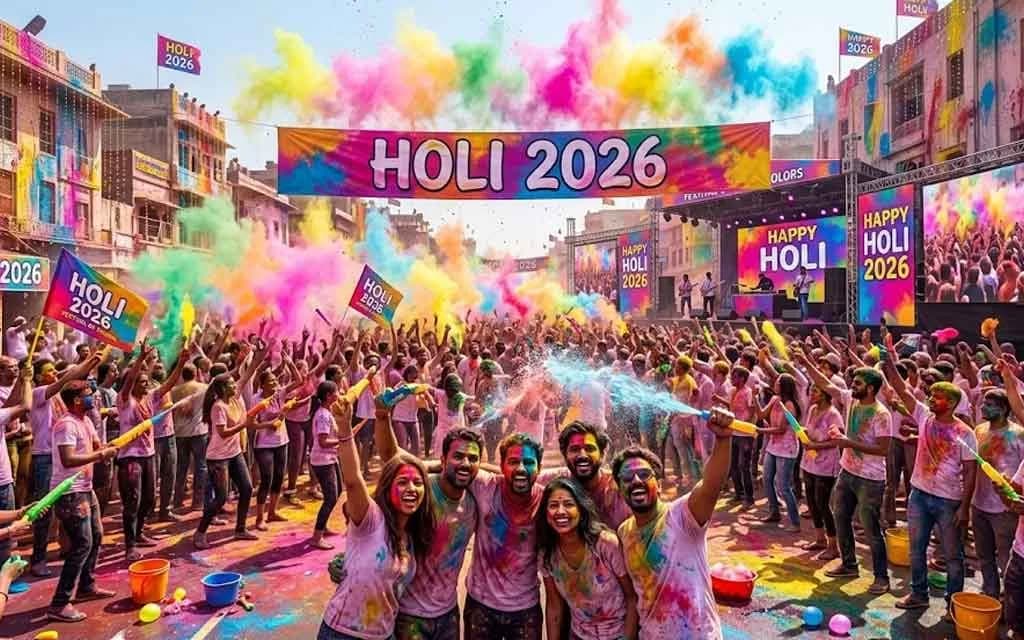
Holi in Australia 2026
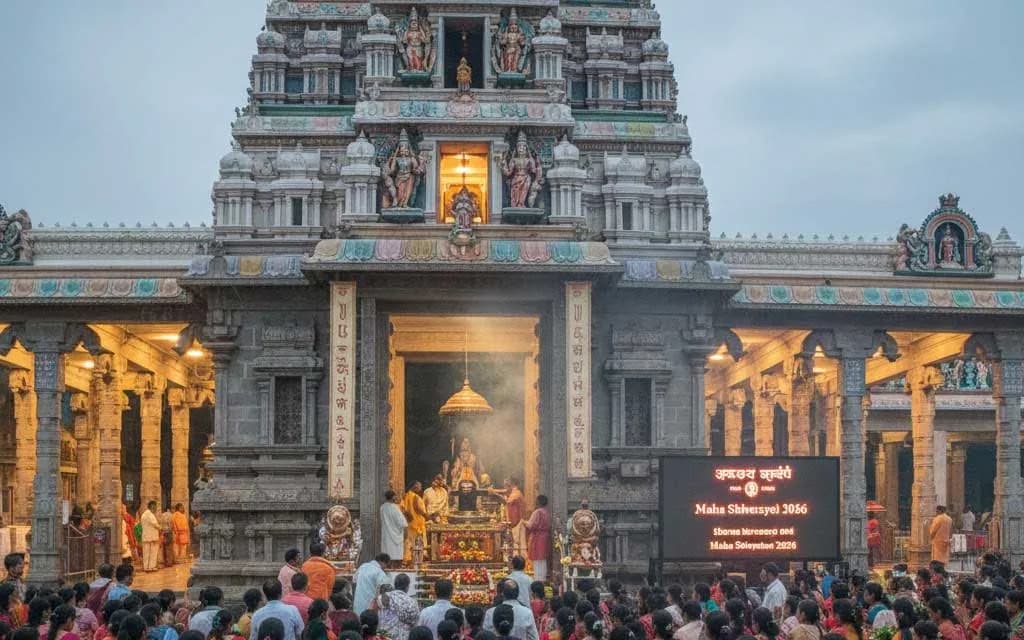
Brisbane & Gold Coast: Queensland’s Sacred Nights of Shiva Consciousness
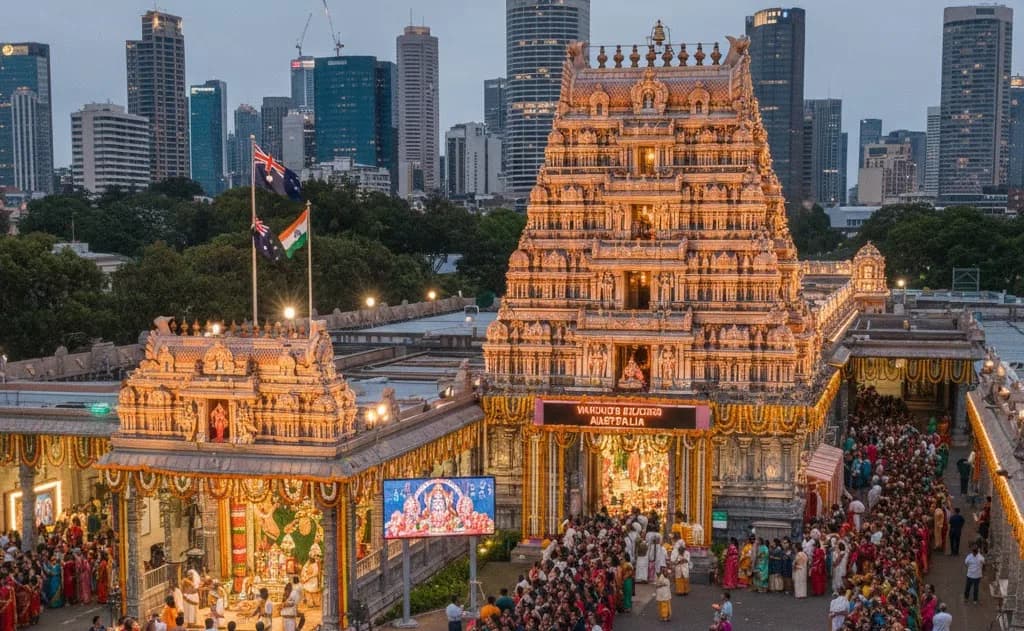
Vaikunta Ekadashi Celebrations in Australia 2025: Major Cities, Temples, Events, Significance, Rituals & Complete Guide for Devotees