
Diwali
601 articles
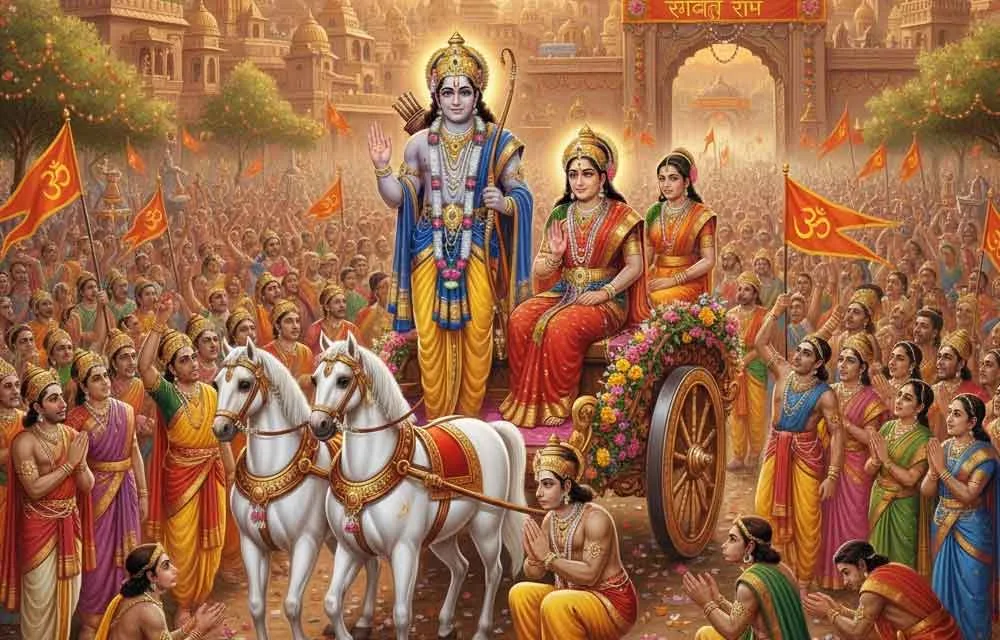
Diwali, also called Deepavali, is the festival of lights that Hindu families across India and the diaspora look forward to all year. Lamps are lit to welcome Goddess Lakshmi, homes are cleaned and decorated, and the festival is remembered through many stories, from Lord Rama's return to Ayodhya to Lord Krishna's victory over Narakasura.
For devotees, Diwali is a time to pray for prosperity and harmony, to honour elders and to bring the family together. Traditionally it spans several connected days, beginning with Dhanteras and Naraka Chaturdashi and continuing through Govardhan Puja and Bhai Dooj.
The articles collected here include Lakshmi Puja guides you can follow at home, explanations of the customs behind diyas and rangoli, regional variations, essays and greetings, and city-by-city guides for Hindus celebrating abroad. You will also find practical pieces such as our guides to Diwali fireworks laws in different countries.
Start Here
Latest Articles
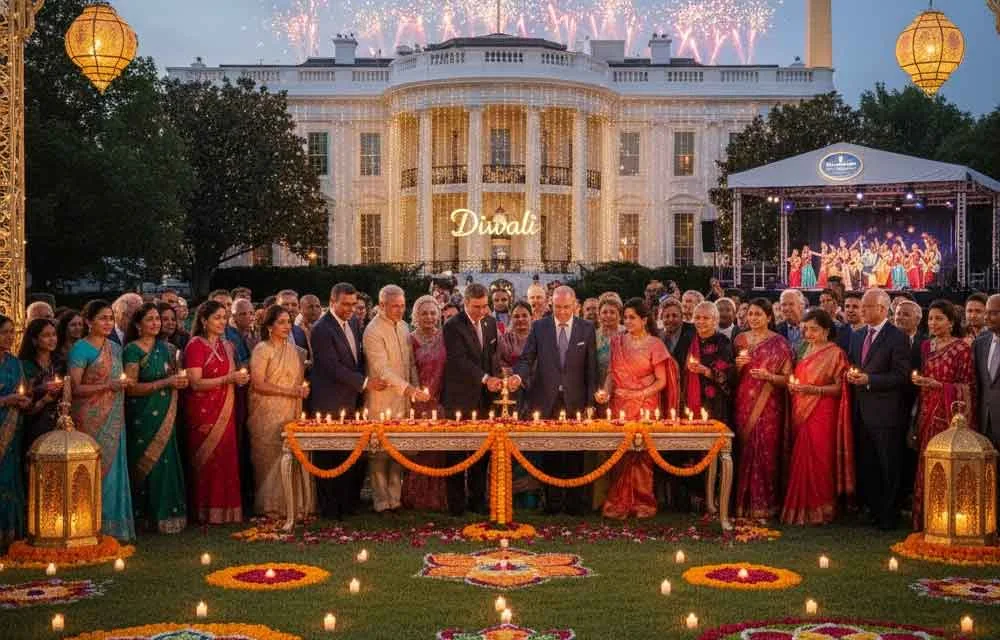
US Lawmakers Introduce Bill to Make Diwali a Federal Holiday: Diwali Day Act Gains Support from 19 Representatives in 2026
Washington, D.C.: In a significant development for millions of Hindus and the wider South Asian diaspora in the United…
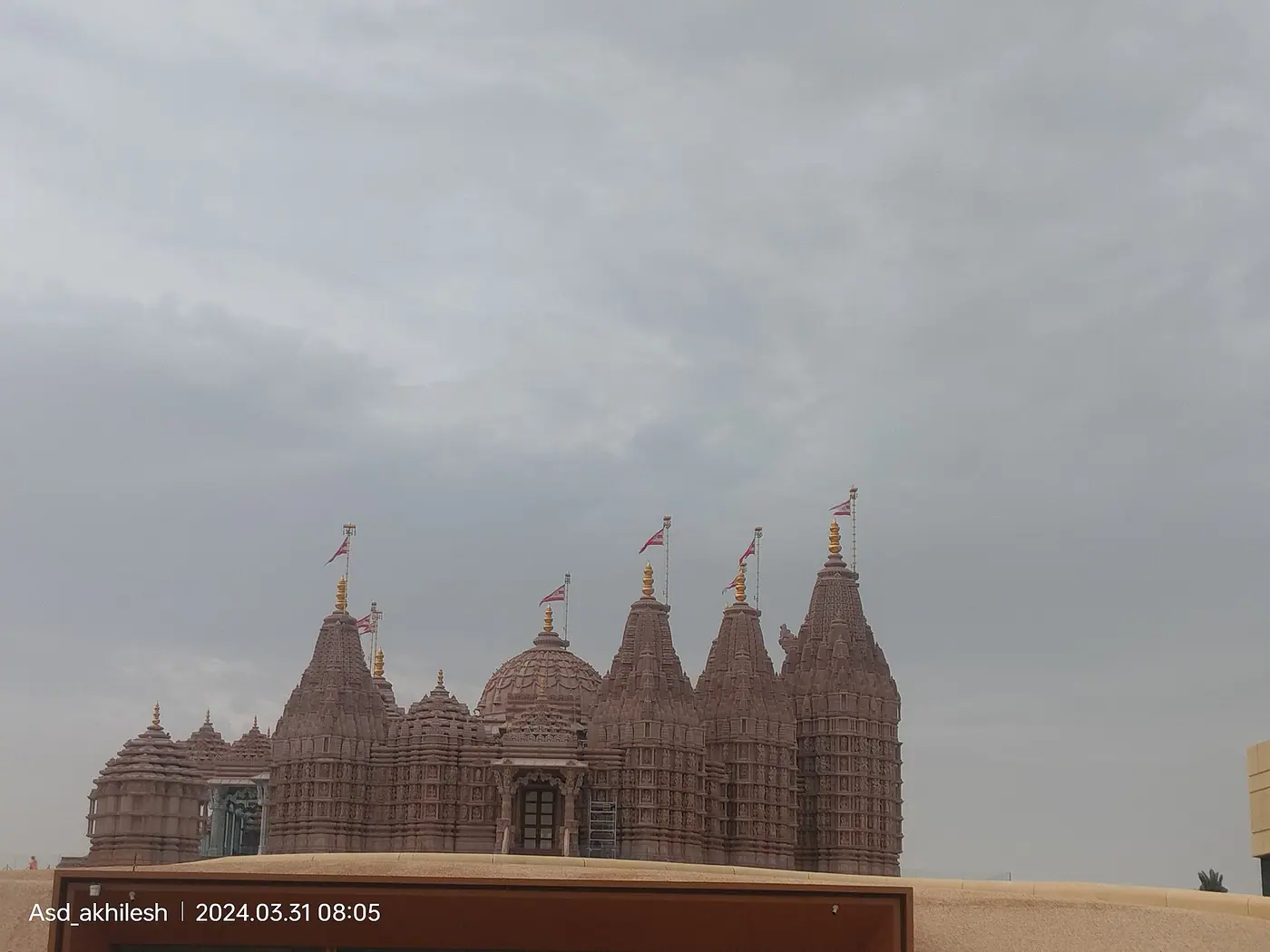
Sheikh Nahyan bin Mubarak Attends Grand Diwali Celebrations at BAPS Hindu Mandir in Abu Dhabi – UAE Lights Up with Tolerance and Joy
In a powerful display of interfaith harmony and UAE-India friendship, His Excellency Sheikh Nahyan bin Mubarak Al…

Indians Arrested in London for Lighting Sky-Shots on Diwali Night: Police Act Amid Public Safety Concerns
In a incident that has drawn attention on social media, police in London arrested several people for setting off…
Diwali 2027 Budget Planner – How to Celebrate Beautifully Without Overspending
You can celebrate Diwali 2027 beautifully without overspending by setting one total figure early, splitting it across…

Diwali 2027 Party Planning Guide – Themes, Food, Games, Invitations and Decorations
A good Diwali 2027 party starts with three decisions: where you will host, when you will hold it, and whether puja…
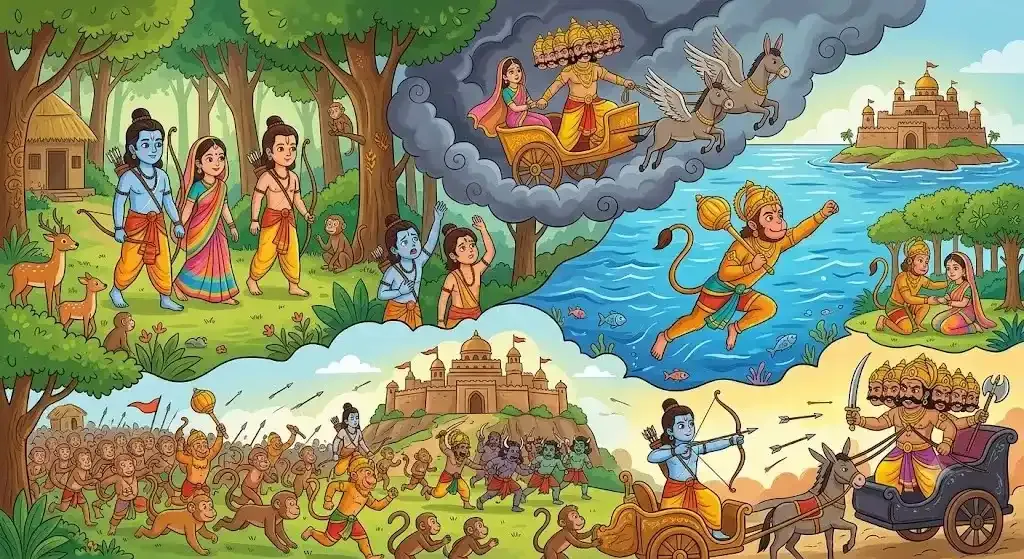
Diwali 2027 Activities for Kids – Crafts, Rangoli, Stories, Games and Family Traditions
The best Diwali 2027 activities for kids mix stories, simple crafts, games and small jobs in the real family…
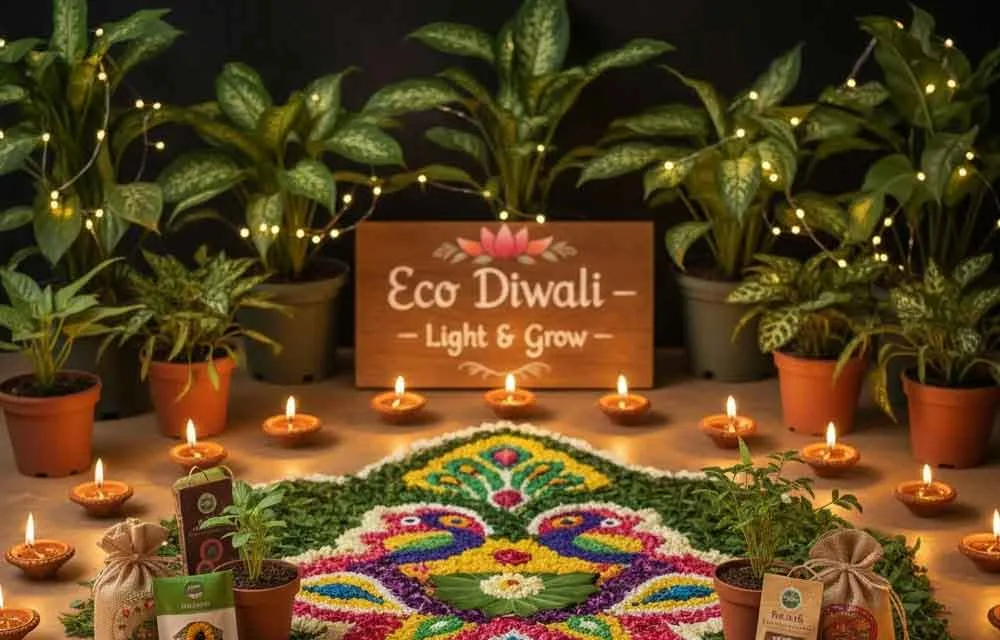
Eco-Friendly Diwali 2027 – Sustainable Decorations, Clay Diyas and Green Celebration Ideas
An eco-friendly Diwali 2027 keeps everything that makes the festival meaningful, the lamps, the puja, the rangoli, the…
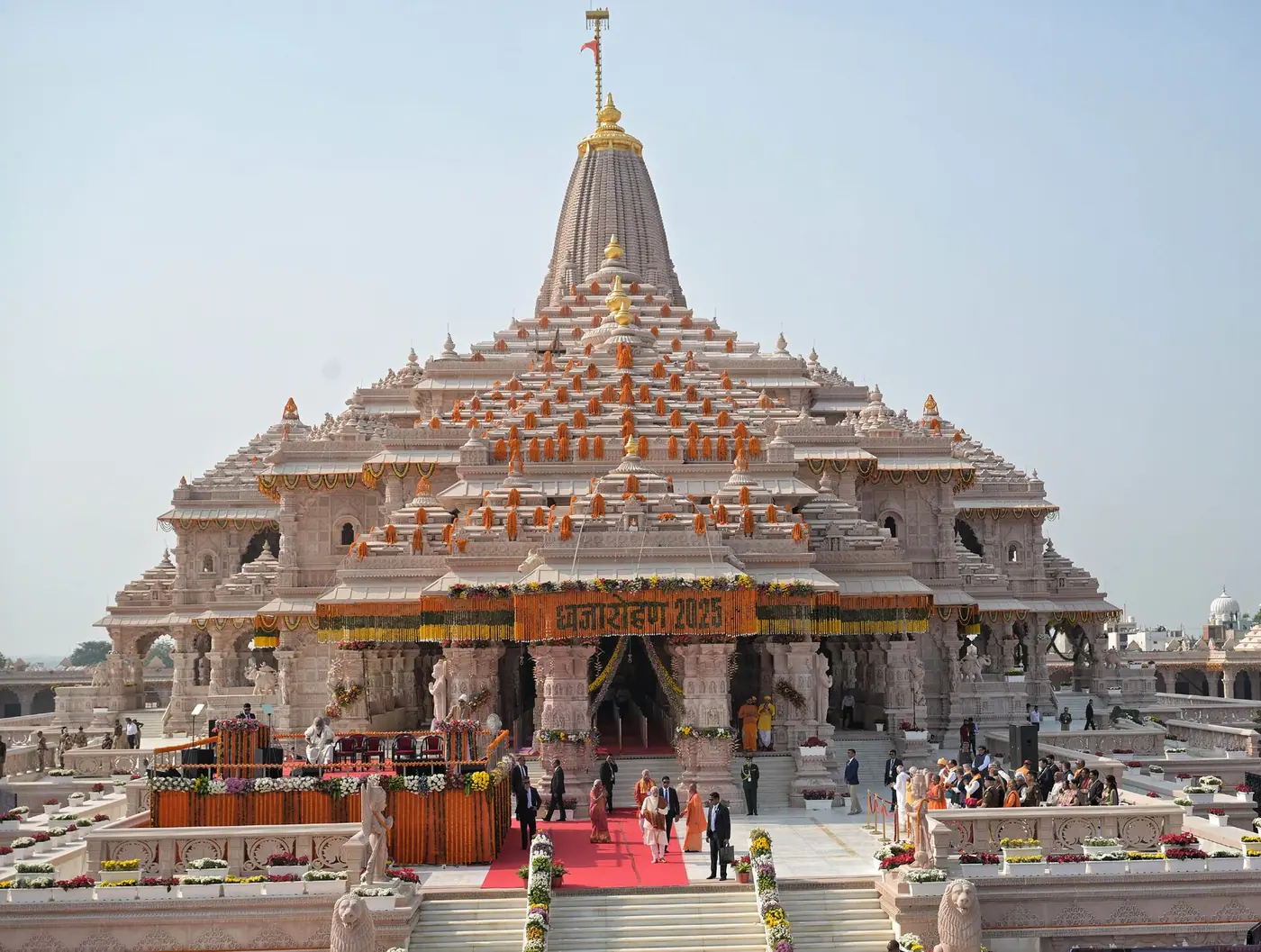
Diwali 2027 Travel Guide – Best Places to Celebrate Diwali in India
The best places to celebrate Diwali 2027 in India include Ayodhya for its riverside Deepotsav, Varanasi for the ghats…
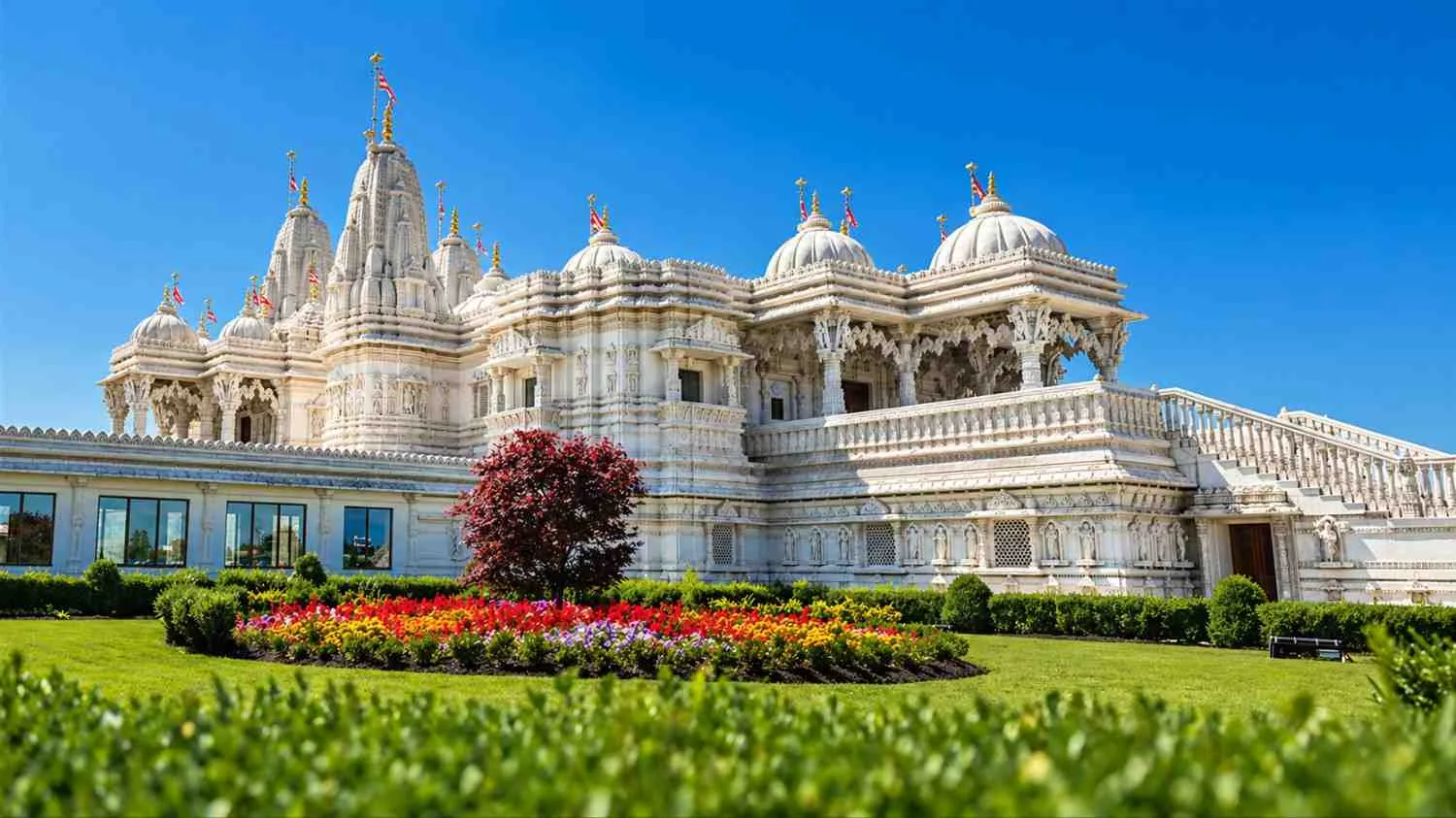
Diwali 2027 Celebration in Canada – Toronto, Brampton, Mississauga and Vancouver
Hindu families in Canada will perform Diwali Lakshmi Puja on Thursday 28 October 2027, one day before India's Friday…
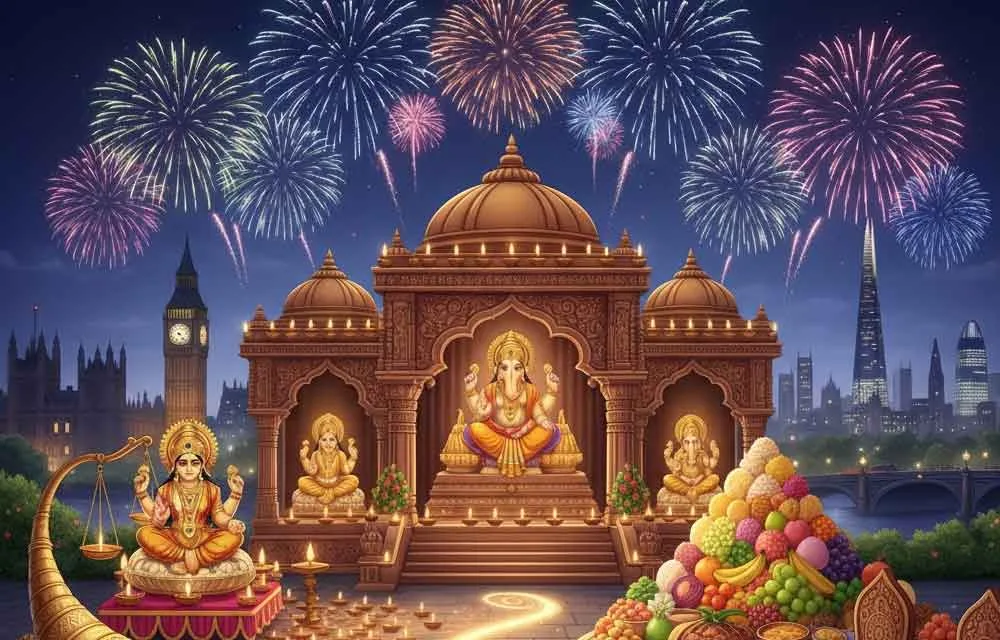
Diwali 2027 Celebration in UK – London, Leicester, Birmingham and Manchester
In the United Kingdom, Diwali Lakshmi Puja 2027 falls on Thursday 28 October, a day earlier than India's Friday 29…
Diwali 2027 Celebration in USA – New York, New Jersey, Texas, California and More
Hindu families across the United States will perform Diwali Lakshmi Puja on Thursday 28 October 2027, one day before…
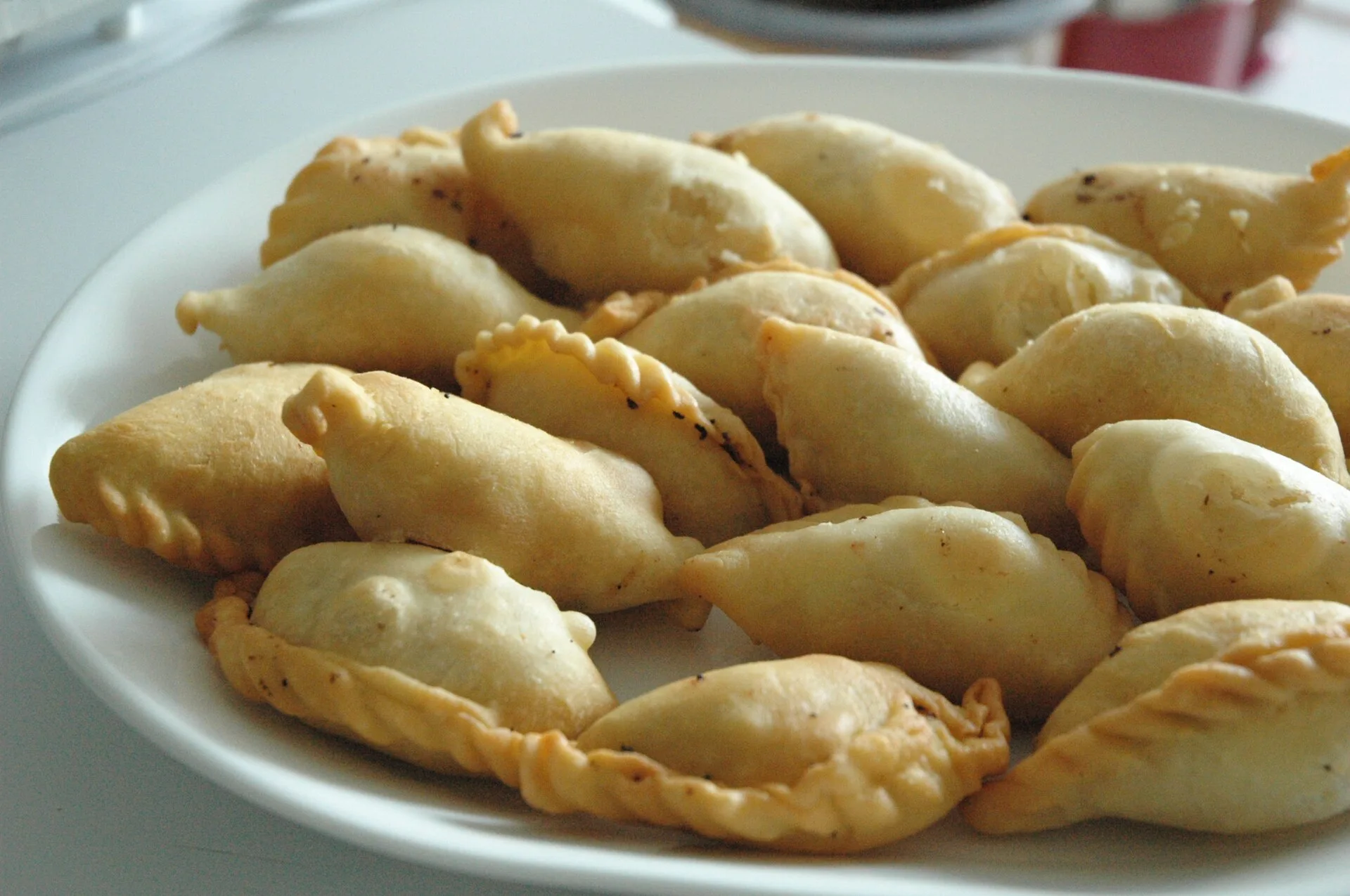
Diwali 2027 Sweets and Snacks – Traditional Indian Recipes for Every Family
The best Diwali 2027 sweets and snacks are the ones your family can make calmly at home: besan laddu, kaju katli…
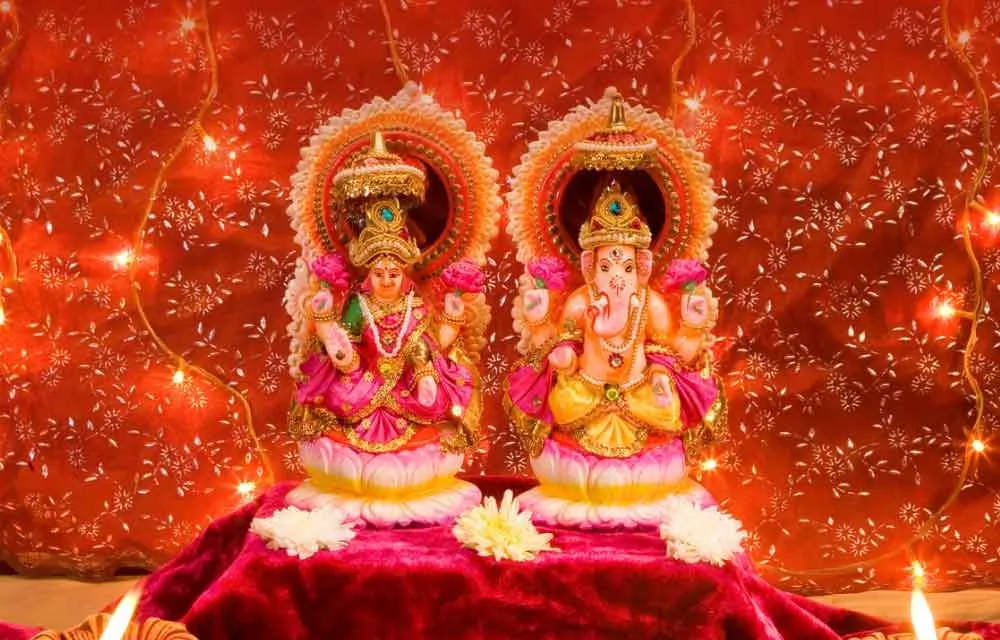
Diwali 2027 Shopping List – Clothes, Puja Samagri, Decorations, Sweets and Gifts
This Diwali 2027 shopping list groups everything a typical Hindu household needs into clear categories, from clothes…
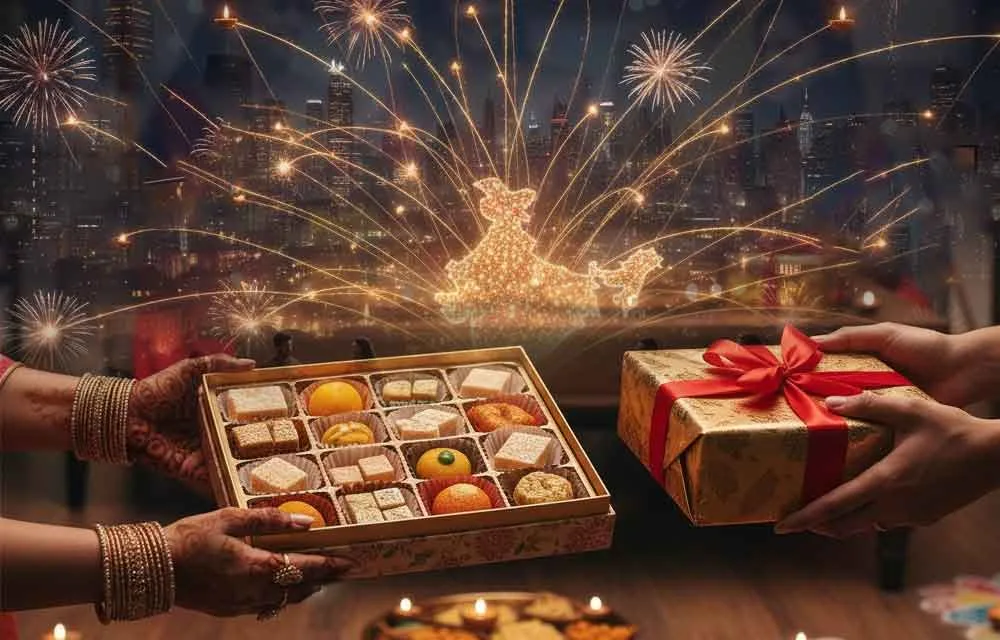
Diwali 2027 Gift Ideas for Parents, Children, Friends, Couples and NRI Families
The best Diwali 2027 gifts are thoughtful rather than expensive: a box of sweets or dry fruits, something for the home…
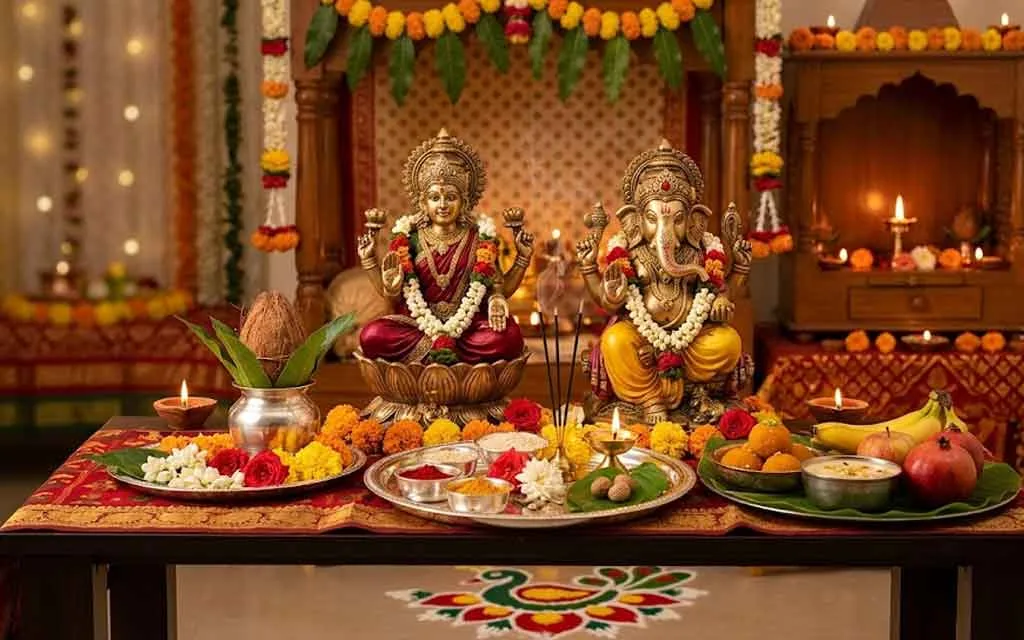
Diwali 2027 Lakshmi Puja Vidhi – Complete Puja Samagri, Mantras, Aarti and Rituals
Diwali 2027 Lakshmi Puja is performed on the evening of Friday 29 October in India and Thursday 28 October in the USA…
Diwali 2027 Date in USA, UK, Canada, Australia and India – City-Wise Lakshmi Puja Timings
Diwali 2027 Lakshmi Puja falls on Friday 29 October 2027 in India, but on Thursday 28 October 2027 in the USA, UK…
Diwali 2027: Complete Planning Guide – Date, Celebrations, Puja Preparations, Shopping, Travel, Decorations and How to Celebrate in USA, UK, Canada & Worldwide
Diwali, also known as Deepavali, is one of the most celebrated Hindu festivals worldwide. It represents the victory of…
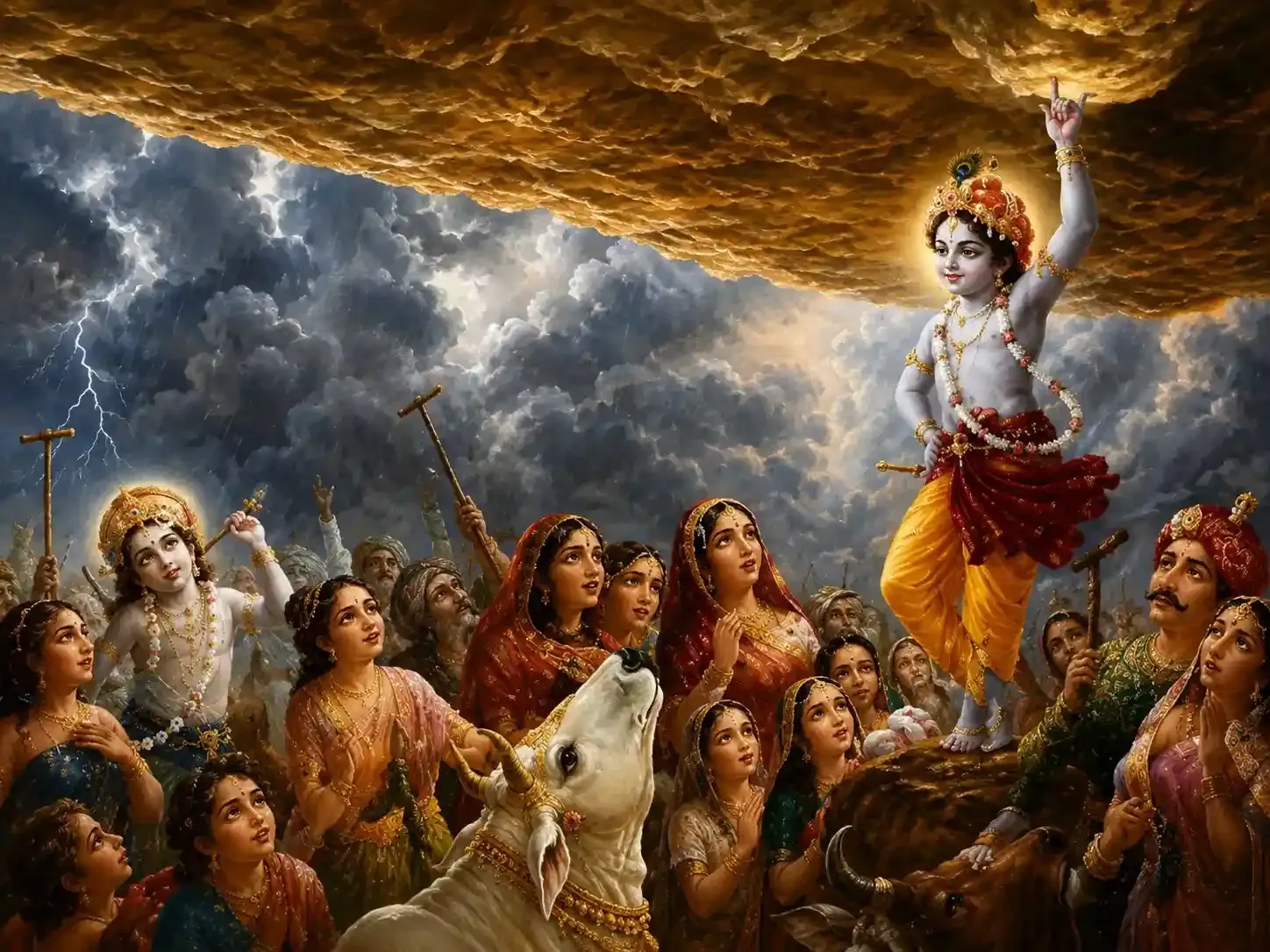
Hindu Rituals to Perform After Diwali 2026: Complete Guide to Govardhan Puja, Annakut, Bali Pratipada, Bhai Dooj and Karthika Masam for Hindus in USA, UK & Canada
Diwali, the beautiful festival of lights, is one of the most important celebrations in Hinduism. Families celebrate…
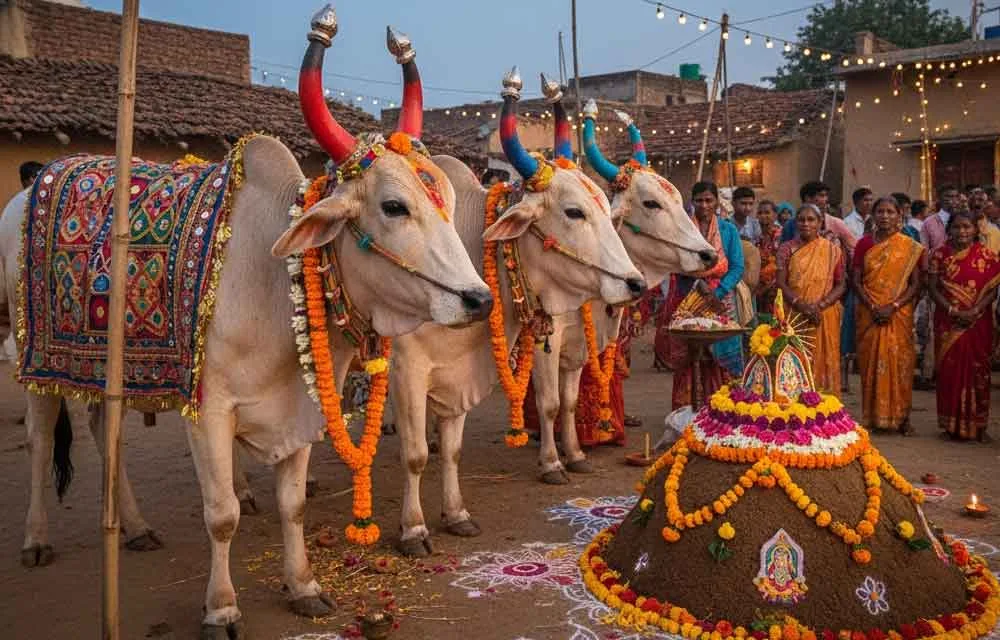
Gaay Gohari Festival in Dasai, Dhar: Devotees Lie Under Herds of Decorated Cows on the Day After Diwali
In Dasai village of Dhar district, Madhya Pradesh, devotees lay face-down as decorated cows and bulls walked over them…
How International Cricket Teams and IPL Franchises Celebrated Diwali 2026: BCCI, ICC, CSK, MI, SRH and Rajasthan Royals
Diwali 2026 brought a special festive atmosphere to the world of cricket. From the Board of Control for Cricket in…
Indian Politicians Diwali 2026 Celebrations: PM Narendra Modi, President, Chief Ministers, Political Leaders and More
Diwali is celebrated across India as a festival of lights, family gatherings, prayers and community traditions. It is…
Diwali 2026 Celebrations by International Sports Stars: Virat Kohli, Sachin Tendulkar, David Warner, Kumar Sangakkara and More
Sports stars celebrate Diwali 2026: Virat Kohli, Sachin Tendulkar with Bouncer, David Warner, Kumar Sangakkara…
FAQs
Why is Diwali celebrated?
Diwali, the festival of lights, celebrates the victory of light over darkness. Many devotees remember Lord Rama's return to Ayodhya, others Lord Krishna's victory over Narakasura, and almost everyone worships Goddess Lakshmi for prosperity. Homes are cleaned, lamps are lit and families share sweets and visit relatives.
When is Diwali celebrated?
Diwali falls on the new-moon night (Amavasya) at the end of the lunar month of Ashvin in the Amanta reckoning, called Kartika Amavasya in the Purnimanta calendar. It usually comes in October or November. The exact date changes every year, so check our panchang for your city.
How is Lakshmi Puja done on Diwali?
In the evening the home is cleaned and lit with diyas. A clean altar holds an image of Lakshmi, usually with Ganesha, a kalash and coins or account books. Devotees offer flowers, kumkum, sweets and lamps, chant Lakshmi prayers and finish with aarti. Our Diwali puja vidhi pages give step-by-step details.
What are the five days of Diwali?
In many regions Diwali is a five-day festival: Dhanteras, Naraka Chaturdashi (Choti Diwali), Lakshmi Puja on Amavasya, Govardhan Puja or Bali Pratipada, and Bhai Dooj. Customs differ by region, and some communities celebrate only the main days, but lamps and family gatherings are common to all.