Diwali 2027 Sweets and Snacks – Traditional Indian Recipes for Every Family
The best Diwali 2027 sweets and snacks are the ones your family can make calmly at home: besan laddu, kaju katli, Mysore pak, jalebi, gulab jamun and Telugu ariselu on the sweet side, and murukku, chakli, shankarpali and chekkalu for the crunchy tin. This guide gives a compact home-style recipe for
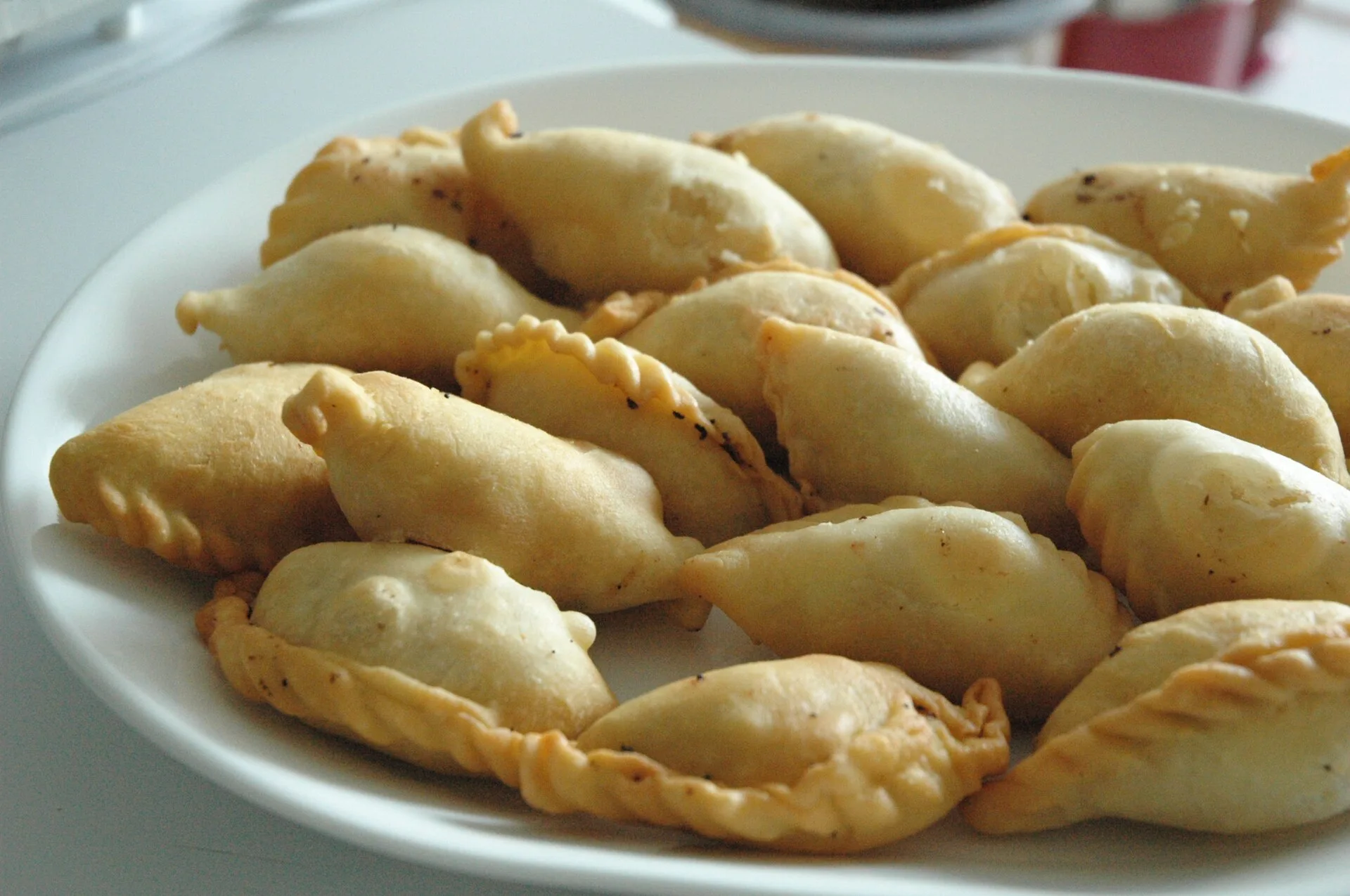
The best Diwali 2027 sweets and snacks are the ones your family can make calmly at home: besan laddu, kaju katli, Mysore pak, jalebi, gulab jamun and Telugu ariselu on the sweet side, and murukku, chakli, shankarpali and chekkalu for the crunchy tin. This guide gives a compact home-style recipe for each, with yields, standard proportions, numbered steps and practical tips. It also covers make-ahead timing, storage, ingredient swaps for families abroad and the kitchen-safety basics that matter most when hot oil and sugar syrup are involved.
Important: festival dates and puja timings depend on your local Panchang, which is calculated from your location, local sunset and the tithi. Dates outside India are not always the same as Indian dates. In 2027, Lakshmi Puja in New Delhi falls on Friday 29 October, while cities such as New York, London and Toronto observe it on Thursday 28 October, so plan your cooking around your own city's date. Our city-wise Diwali 2027 date and Lakshmi Puja timings and the wider Diwali 2027 planning guide set out the full calendar.
All recipes below are home-style; adjust to your family's method. Proportions and techniques vary from kitchen to kitchen and region to region, and a grandmother's version always wins.
How to Plan Your Diwali Cooking Week
Most families cook in two waves. Dry snacks and long-keeping sweets (laddu, Mysore pak, murukku, chakli, shankarpali, ariselu, chekkalu) are made five to ten days ahead and stored airtight. Fresh sweets (jalebi, gulab jamun, kaju katli) are made one or two days before Lakshmi Puja, or on the day itself.
A simple plan that works for working households:
- Two weekends before: buy flours, ghee, jaggery, nuts and oil. Our Diwali 2027 shopping list has a pantry checklist.
- The weekend before: fry the savoury snacks and make besan laddu and shankarpali.
- Three to four days before: Mysore pak and ariselu.
- One to two days before: kaju katli and gulab jamun.
- On the day: jalebi, served warm, and the naivedyam portion set aside before anyone tastes.
Many families keep the first portion of each sweet aside as naivedyam for the puja; how this is done varies by tradition, and our Lakshmi Puja vidhi and samagri guide explains the offering in context.
Sweet Recipes
1. Besan Laddu
Yield: about 12–14 laddus.
Ingredients
- 2 cups (about 200 g) besan (gram flour), preferably coarse "laddu besan"
- ½ cup (about 110 g) ghee, plus 1–2 tbsp if needed
- ¾ to 1 cup powdered sugar (or boora), to taste
- ½ tsp cardamom powder
- 2 tbsp chopped cashews or almonds (optional)
Steps
- Melt the ghee in a heavy-bottomed pan on low heat and add the besan.
- Stir continuously on low heat for 15–20 minutes, until the besan turns a light golden colour, smells nutty and loosens into a flowing paste.
- Turn off the heat, add cardamom and nuts, and let the mixture cool until just warm to the touch.
- Add the powdered sugar and mix well.
- Take a portion in your palm and press into a firm round. If it will not bind, add a spoon of warm ghee.
Tips: Roasting is everything; under-roasted besan tastes raw. Never add sugar while the mixture is hot, or it will melt and the laddus will flatten.
2. Kaju Katli
Yield: about 20 diamond pieces.
Ingredients
- 1 cup (about 150 g) cashews
- ½ cup sugar
- ¼ cup water
- ¼ tsp cardamom powder (optional)
- 1 tsp ghee
- Edible silver leaf (vark), optional
Steps
- Grind the cashews to a fine powder in short pulses so they do not release oil. Sieve and re-grind any coarse bits.
- Heat sugar and water in a non-stick pan until the sugar dissolves and the syrup reaches one-string consistency.
- Lower the heat, add the cashew powder and stir continuously for 3–5 minutes, until the mixture thickens and gathers into a soft dough.
- Test a pinch: it should roll into a non-sticky ball once slightly cooled.
- Transfer to a greased plate or parchment, add the ghee and knead while warm into a smooth dough.
- Roll between two sheets of parchment to about 3–4 mm thick, apply vark if using, and cut into diamonds.
Tips: Overcooking makes katli crumbly; undercooking makes it sticky. If it turns dry, knead in a teaspoon of warm milk.
3. Mysore Pak
Yield: about 16 pieces.
Ingredients
- 1 cup besan, sifted
- 1 cup sugar (some families use up to 1½ cups)
- ½ cup water
- 1 to 1¼ cups ghee, kept hot on a separate burner
Steps
- Grease a tray or tin and keep it ready beside the stove.
- Mix the besan with about ¼ cup of the hot ghee to a smooth, lump-free paste.
- In a heavy pan, boil sugar and water to one-string consistency.
- Lower the heat and add the besan paste, stirring constantly.
- Add the remaining hot ghee one ladle at a time, letting each addition be absorbed before the next.
- Keep stirring until the mixture froths, turns porous, leaves the sides of the pan and releases ghee at the edges.
- Pour immediately into the tray, level gently and cut into pieces while still warm.
Tips: The ghee must be hot when added; that is what creates the classic porous texture. Cut while warm; once fully set it cracks.
4. Jalebi (Home Method)
Yield: about 20 medium jalebis.
Ingredients for the batter
- 1 cup maida (plain or all-purpose flour)
- 1 tbsp cornflour or besan (optional, for crispness)
- ¼ cup plain yogurt
- About ½ cup water, as needed
- A pinch of turmeric or saffron for colour (optional)
Ingredients for the syrup
- 1 cup sugar
- ½ cup water
- ¼ tsp cardamom powder and a few saffron strands
- ½ tsp lemon juice
Steps
- Whisk flour, cornflour and yogurt with enough water to make a thick, smooth, pourable batter, like thick pancake batter.
- Cover and ferment in a warm place for 8–12 hours, until slightly sour and bubbly.
- Make the syrup: boil sugar and water until just sticky between two fingers (slightly short of one string). Add cardamom, saffron and lemon juice, and keep warm.
- Heat oil or ghee about 2–3 cm deep in a wide, shallow pan over medium heat.
- Fill a squeeze bottle or a piping bag with a small hole, and pipe spirals from the outside in, directly into the oil.
- Fry, turning once, until crisp and golden on both sides.
- Lift out, drain briefly and dip in warm syrup for about a minute, then serve.
Tips: For a same-day version, many home cooks add a pinch of baking soda to the batter and rest it for 15–20 minutes; the texture is softer. Warm syrup and hot jalebi give the best soak.
5. Gulab Jamun (Milk-Powder or Khoya Version)
Yield: about 16–18 jamuns.
Ingredients (milk-powder version)
- 1 cup milk powder
- ¼ cup maida
- ¼ tsp baking powder
- 1 tbsp ghee
- About ¼ cup milk, added gradually
Khoya version: replace the milk powder, ghee and most of the milk with 1 cup (about 200 g) grated, soft khoya, and use 2–3 tbsp maida and a small pinch of baking soda.
Ingredients for the syrup
- 1½ cups sugar
- 1½ cups water
- 3–4 cardamom pods, lightly crushed
- 1 tsp rose water (optional)
Steps
- Make the syrup first: simmer sugar, water and cardamom for 5–6 minutes until slightly sticky (not stringy). Add rose water and keep warm.
- Mix the milk powder (or khoya), maida and baking powder (or soda). Rub in the ghee.
- Add milk a little at a time and gather into a soft, smooth dough without kneading hard.
- Rest the dough for 10 minutes, then roll into small, crack-free balls; they will swell when fried.
- Heat oil or ghee on low to medium-low. Fry the balls in batches, moving the oil gently, for 6–8 minutes until deep golden brown all over.
- Transfer straight into the warm syrup and soak for at least 2 hours.
Tips: If the oil is too hot, the outside browns while the centre stays raw. Cracks on the surface lead to splitting; reshape them before frying.
6. Ariselu (Telugu Jaggery-Rice Sweet)
Ariselu is a festive Telugu sweet, made for Sankranti and many other celebrations, and a favourite on Diwali plates in many Andhra and Telangana homes.
Yield: about 15–18 ariselu.
Ingredients
- 2 cups raw rice (sona masoori or similar)
- 1 to 1¼ cups grated jaggery
- ¼ cup water
- 2 tbsp white sesame seeds
- ½ tsp cardamom powder
- 1 tbsp ghee
- Oil for frying
Steps
- Wash and soak the rice for 6–8 hours or overnight. Drain and spread on a cloth in the shade for about 30 minutes; it should be dry on the surface but still damp.
- Grind to a fine flour and sieve. The flour should hold shape when pressed. Keep it covered so it does not dry out.
- Heat jaggery and water, strain out impurities, and boil to soft-ball stage: a drop in cold water should gather into a soft ball.
- Lower the heat, add cardamom, ghee and the rice flour little by little, mixing into a thick, soft dough. Switch off the heat.
- When warm enough to handle, take lime-sized balls, press them into discs on greased plastic or banana leaf, and press sesame seeds on top.
- Fry on medium-low heat until both sides are deep brown.
- Lift out and press each one gently between two flat ladles or the back of two steel bowls to squeeze out excess oil.
Tips: The fresh, damp-ground rice flour is what gives ariselu their soft centre; dry packaged flour usually gives a hard result. Undercooked syrup makes ariselu spread and break in the oil.
Savoury Snack Recipes
7. Murukku
Yield: about 20–25 medium murukkus.
Ingredients
- 2 cups fine rice flour
- ¼ cup urad dal flour (dry-roast urad dal lightly, cool and grind fine)
- 2 tbsp softened butter or hot oil
- 1 tsp cumin seeds or sesame seeds
- A pinch of asafoetida
- Salt to taste
- Water as needed
- Oil for frying
Steps
- Sieve the rice and urad dal flours together with salt and asafoetida. Add cumin or sesame.
- Rub in the butter until the flour feels like breadcrumbs.
- Add water gradually to make a soft, smooth dough that does not crack.
- Fill a murukku press fitted with a star plate and press spirals onto a greased ladle, plate or parchment square.
- Slide gently into medium-hot oil and fry until the bubbling slows and the murukku is crisp and lightly golden.
- Drain on paper and cool completely before storing.
Tips: If the dough breaks while pressing, add a teaspoon of water; if the murukku absorbs too much oil, the dough is too soft or the oil not hot enough.
8. Chakli
Maharashtrian homes often make chakli from bhajani, a roasted multi-grain and lentil flour. The quicker version below uses rice flour and besan.
Yield: about 20 chaklis.
Ingredients
- 2 cups rice flour
- ½ cup besan
- ½ tsp red chilli powder
- ¼ tsp turmeric
- 1 tsp sesame seeds
- 1 tsp ajwain or cumin seeds
- A pinch of asafoetida
- 2 tbsp hot oil
- Salt to taste
- Water as needed
Steps
- Mix the flours, spices, sesame and salt.
- Pour the hot oil over and rub in well.
- Add water gradually to make a soft, pliable dough.
- Press spirals through the chakli press (star plate) onto greased paper, sealing the end of each spiral.
- Fry in medium-hot oil until crisp and the sizzling settles.
- Drain and cool fully.
Tips: Chakli is usually spicier and darker than murukku. If you have bhajani, follow your family's proportions; the method is the same.
9. Shankarpali
Yield: a large tin, about 300–350 g.
Ingredients
- ½ cup ghee
- ½ cup sugar
- ½ cup milk
- About 2 to 2½ cups maida
- A pinch of salt
- Oil or ghee for frying
Steps
- Warm the ghee, sugar and milk together just until the sugar dissolves. Cool to room temperature.
- Add the salt and maida gradually and knead into a firm, smooth dough.
- Cover and rest for 30 minutes.
- Roll portions to about 5 mm thick and cut into small diamonds with a knife or crimped cutter.
- Fry in batches on medium-low heat until golden, stirring gently.
- Drain and cool before storing.
Tips: The equal-measure ghee, sugar and milk ratio is the classic starting point; some families add a little semolina for crunch. High heat browns them before the centre is crisp.
10. Chekkalu (Telugu Rice Crackers)
Yield: about 15–18 chekkalu.
Ingredients
- 1 cup rice flour
- 2 tbsp chana dal, soaked 30 minutes and drained
- 1 tbsp sesame seeds
- 1 tbsp peanuts, lightly crushed (optional)
- 1 tbsp softened butter or ghee
- 1 tsp red chilli powder or 2 green chillies, finely chopped
- 1 sprig curry leaves, finely chopped
- ½ tsp cumin seeds
- Salt to taste
- Water as needed
- Oil for frying
Steps
- Mix the rice flour, chana dal, sesame, peanuts, chilli, curry leaves, cumin and salt.
- Rub in the butter.
- Add water gradually to make a soft dough.
- Grease a sheet of plastic or a banana leaf. Place a small ball on it and press with your fingers into a thin, even disc.
- Lift the disc gently into medium-hot oil and fry until crisp and the bubbling slows.
- Drain and cool before storing.
Tips: The thinner the disc, the crisper the chekka. Press a few holes with a fork or fingertip so they do not puff.
Regional Favourites Worth Knowing
Diwali sweets differ widely across India. In Bengal, where Kali Puja falls on the Diwali new moon, sandesh made from fresh chhena (paneer) and sugar is a classic, often shaped in decorative moulds. In Gujarat, many families make mohanthal, a rich, fudge-like sweet of coarse besan roasted in ghee and set with sugar syrup, often finished with cardamom, nuts and sometimes khoya. Other homes make karanji or gujiya, anarsa, rava laddu, soan papdi or coconut barfi. For more classic sweet ideas, browse our Diwali sweets recipes collection, and for the meaning behind them read why sweets carry spiritual symbolism at Diwali.
Make-Ahead and Storage Guide
The table below gives typical keeping times in airtight containers. Treat it as general guidance only: humid kitchens, hot climates, ingredient freshness and your own recipe all change the result. Always check smell, look and taste before serving, and discard anything that seems off.
| Item | Make ahead | Storage | Typical keeping time |
|---|---|---|---|
| Besan laddu | 7–10 days | Airtight, room temperature | 2–3 weeks |
| Kaju katli | 1–2 days | Airtight; refrigerate in warm weather | About 1 week; longer chilled |
| Mysore pak | 3–5 days | Airtight, room temperature | 1–2 weeks |
| Jalebi | Same day | Best eaten fresh | Same day |
| Gulab jamun | 1–2 days | In syrup, refrigerated | 3–4 days |
| Ariselu | 3–5 days | Airtight, room temperature | 1–2 weeks |
| Murukku | 7–10 days | Airtight, fully cooled | 2–3 weeks |
| Chakli | 7–10 days | Airtight, fully cooled | 2–3 weeks |
| Shankarpali | 7–10 days | Airtight, fully cooled | 2–3 weeks |
| Chekkalu | 7–10 days | Airtight, fully cooled | 2–3 weeks |
A few rules make everything last longer: cool fried snacks completely before closing the lid, keep sweet and savoury in separate tins, and use a clean, dry spoon every time.
Ingredient Substitutions for NRI Kitchens
Families in the USA, UK, Canada, Australia, the Gulf and Singapore can find most of these at Indian grocers, but substitutions help when a shop runs out.
| Traditional ingredient | Common substitute | What to expect |
|---|---|---|
| Khoya (mawa) | Full-fat milk powder; or full-fat ricotta cooked down in a pan until dry and crumbly | Milk powder is easiest for gulab jamun; cooked ricotta works for barfi-style sweets |
| Fine idiyappam or "Indian" rice flour | Regular fine rice flour from an Indian grocer | Works for murukku, chakli and chekkalu; sieve well. Do not use glutinous or "sweet" rice flour |
| Fresh damp rice flour for ariselu | No reliable shop substitute | Soak and grind your own rice for the best texture |
| Jaggery (bellam, gur) | Panela or piloncillo; dark muscovado or dark brown sugar | Panela is closest; brown sugar changes flavour and colour |
| Besan (gram flour) | Chickpea flour labelled "gram flour" | Flour from white chickpeas is slightly different; roast patiently |
| Ghee | Homemade ghee from unsalted butter | Slowly simmer butter until the milk solids brown, then strain |
| Maida | Plain flour (UK) or all-purpose flour (US, Canada) | Direct swap |
| Urad dal flour | Grind dry-roasted urad dal at home | Store-bought urad flour also works |
| Chhena for sandesh | Fresh paneer made by curdling whole milk with lemon juice | Shop paneer blocks are usually too firm |
Kitchen Safety for Diwali Cooking
Festival cooking is joyful, but hot oil and sugar syrup cause serious burns every year. Keep these basics in mind.
- Hot oil: use a deep, stable, heavy pan filled no more than one-third full. Dry ingredients and utensils, since water makes oil spit. Test with a small piece before adding a batch. Never leave oil unattended, and turn pan handles inwards.
- If oil catches fire: turn off the heat and cover the pan with a lid or a fire blanket. Never pour water on burning oil and never try to carry the pan.
- Sugar syrup: syrup becomes far hotter than boiling water and sticks to skin. Stir with a long-handled spoon, test consistency with a cooled drop, and never taste from the pan.
- Children: keep a child-free zone around the stove while frying or making syrup. Children can help with safe jobs such as shaping cooled laddu mixture, cutting cooled shankarpali dough or packing tins. Our Diwali activities for kids include supervised cooking ideas.
- Minor burns: cool the area under cool running water for about 20 minutes, remove rings or tight items nearby, and cover loosely. Seek medical help for large or deep burns, burns on the face or hands, and any burn on a young child.
- Allergies and gifting: many of these recipes contain nuts, dairy, gluten or sesame. Label boxes you give to friends, neighbours and colleagues.
- Used oil: let it cool fully, then dispose of it as your local council advises rather than pouring it down the sink. Our eco-friendly Diwali 2027 ideas cover kitchen waste too.
Serving and Sharing
A mixed tin of two sweets and two savouries makes a thoughtful home-made gift; see our Diwali 2027 gift ideas for packaging suggestions. If you are hosting, plan quantities for a buffet using the Diwali 2027 party planning guide, and remember that jalebi and gulab jamun are best served warm while dry snacks can be set out on the table in advance.
Frequently Asked Questions
Which Diwali sweets can I make a week ahead?
Besan laddu, Mysore pak, ariselu and the dry snacks (murukku, chakli, shankarpali, chekkalu) keep well when stored airtight. Make jalebi, gulab jamun and kaju katli closer to the day.
Can I make gulab jamun without khoya?
Yes. The milk-powder version above is the most common substitute and is widely used in homes outside India. Keep the oil on low heat so the centres cook through.
Why did my besan laddu taste raw?
The besan was probably not roasted long enough. It needs slow roasting on low heat until it smells nutty and turns light golden.
Can I use packaged rice flour for ariselu?
Packaged dry flour usually makes ariselu hard. Traditional ariselu use rice soaked and ground at home while still slightly damp, which gives the soft texture.
What is the difference between murukku and chakli?
Both are pressed spirals. South Indian murukku is typically made with rice flour and urad dal flour and is lightly spiced, while Maharashtrian chakli is often made from bhajani or rice flour with besan and is usually spicier.
How do I keep fried snacks crisp?
Fry at a steady medium heat, cool them completely on paper, and store them airtight and away from humidity. Closing the lid while they are warm traps steam and softens them.
Are these recipes the same everywhere in India?
No. Each region and each family has its own proportions and methods. These are home-style starting points; adjust to your family's method.
Conclusion
Diwali cooking is as much about the kitchen gathering as the sweets themselves: roasting besan together, pressing murukku in turns and filling tins for neighbours. Start with two or three recipes your family loves, cook the long-keeping ones early and leave the fresh sweets for the last day, so the evening of Lakshmi Puja stays calm.
For the dates, puja preparations and the rest of your festival plan, return to the complete Diwali 2027 celebration guide. Wishing your family a sweet and safe Diwali.
Last updated: 9 November 2026.
Share this with family and friends
Send it on WhatsApp, post it, or copy the link.
More from Festivals
- BAPS Hindu Festivals in Abu Dhabi: Complete Guide to Celebrations, Temple Events, Darshan and Visiting the Mandir
- Gujarati New Year 2026 in Melbourne: Bestu Varas Date, Saal Mubarak Wishes, Hindu Temples and Celebrations
- Gujarati New Year 2026 in Sydney: Bestu Varas Date, Saal Mubarak Wishes, Hindu Temples and Celebrations
- Govardhan Puja 2026 in New Zealand: Date, Auckland Muhurat, Annakut and PM Modi's Greetings
- Chhath Puja 2026 in Ranchi: Dates, Arghya Timings, Bada Talab, Kanke Dam, Dhurwa Dam and Ghat Guide
You might also like

Diwali 2027 Celebration in UK – London, Leicester, Birmingham and Manchester

Diwali 2027 Celebration in Canada – Toronto, Brampton, Mississauga and Vancouver
Diwali 2027 Shopping List – Clothes, Puja Samagri, Decorations, Sweets and Gifts