Eco-Friendly Diwali 2027 – Sustainable Decorations, Clay Diyas and Green Celebration Ideas
An eco-friendly Diwali 2027 keeps everything that makes the festival meaningful, the lamps, the puja, the rangoli, the sweets and the family gathering, while cutting waste, smoke and noise. The simplest steps make the biggest difference: light clay diyas from local potters and reuse them, decorate w
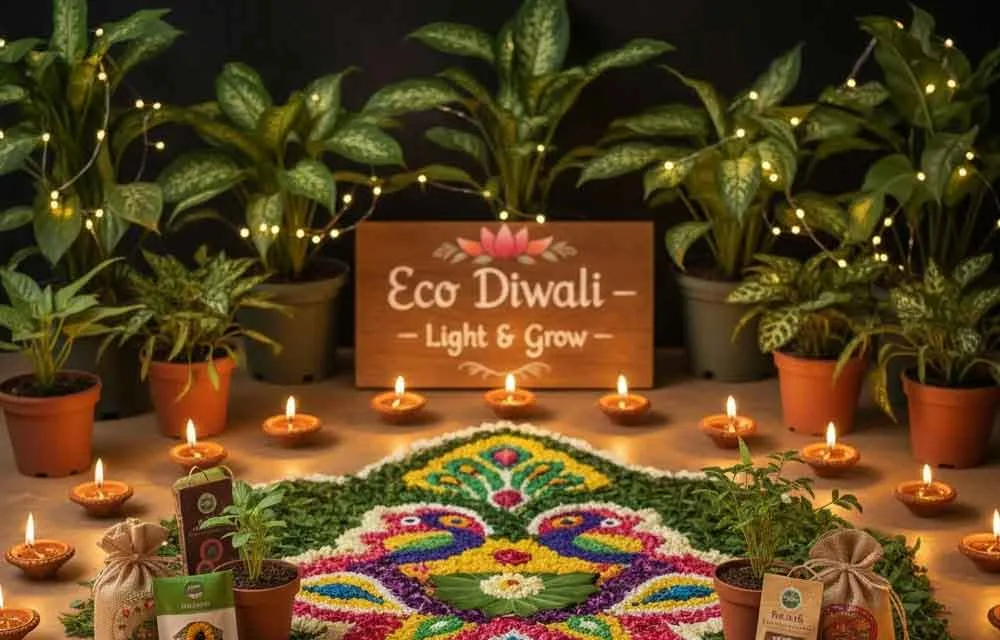
An eco-friendly Diwali 2027 keeps everything that makes the festival meaningful, the lamps, the puja, the rangoli, the sweets and the family gathering, while cutting waste, smoke and noise. The simplest steps make the biggest difference: light clay diyas from local potters and reuse them, decorate with things you can store for next year, colour rangoli with natural materials, compost puja flowers, and choose quieter alternatives to firecrackers. This guide explains each idea practically, for homes in India and across the diaspora.
Important: festival dates and puja timings depend on the local Panchang, worked out from your city's location, sunset and the tithi, so overseas dates are not the same as Indian dates. In 2027, Lakshmi Puja is on Friday 29 October in New Delhi but on Thursday 28 October in cities such as New York, London and Toronto. Check your city in our Diwali 2027 Lakshmi Puja timings by country, and see the Diwali 2027 planning guide for the whole festival calendar.
Why a Greener Diwali Fits the Spirit of the Festival
Diwali celebrates light overcoming darkness, and Hindu tradition has always treated nature with reverence: rivers are sacred, trees are worshipped, and animals are honoured in festivals such as Govardhan Puja and Nepal's Tihar. Celebrating with less waste is not a modern add-on; it sits comfortably with the values behind the rituals. Nothing in this guide asks you to drop a ritual your family observes. It suggests gentler ways of doing the same things.
Clay Diyas: The Original Sustainable Light
The earthen diya filled with oil or ghee and a cotton wick is the heart of Diwali lighting. It is made from clay, burns plant-based oil and returns to the soil when it finally breaks.
Buy from local potters
- Look for potters and small sellers at local markets, temple stalls and craft fairs. Buying directly supports artisan families for whom the Diwali season is a major part of the year's income.
- Plain, unglazed diyas are the most traditional. Painted diyas are lovely, but choose water-based or natural paints if you are decorating them yourself.
- Abroad, Indian grocers and temple shops usually stock clay diyas before Diwali; ask whether they are hand-made.
Prepare and reuse them
- Soak new clay diyas in water for a few hours and let them dry completely before use. Many families do this so the clay absorbs less oil.
- Use cotton wicks and sesame oil, mustard oil or ghee, according to family custom.
- After the festival, wipe out the old oil, wash the diyas in warm soapy water, dry them in the sun and store them wrapped in newspaper for next year.
- Cracked or broken diyas can be crushed and returned to garden soil or used at the bottom of plant pots for drainage.
Lamps to limit
Wax tealights in thin aluminium or plastic cups create a lot of small, hard-to-recycle waste. If you use tealights, choose ones in reusable glass holders, or refill old clay diyas instead. For safety, keep every flame away from curtains, saris and dupattas, and never leave lamps burning unattended.
Reusable and Natural Decorations
Most Diwali decoration waste comes from single-use plastic: tinsel, plastic garlands, foil bunting and disposable tableware. A few swaps go a long way.
- Toran and bandhanwar: fresh mango leaves and marigolds are traditional and compostable. Fabric, bead or embroidered torans can be used for many years.
- Lanterns: paper or bamboo lanterns (akash kandil) can be folded and stored. Avoid sky lanterns, which can start fires and leave wire and paper litter where they land.
- Flowers: marigold, jasmine and rose garlands look beautiful and go straight to compost afterwards.
- Fabric and brass: cotton drapes, brass and copper lamps, and a good urli bowl with floating flowers are bought once and used for decades.
- Upcycled crafts: glass jars painted as lanterns, old saris as table runners, and children's paper torans all work well.
Our Diwali 2027 decoration ideas and the earlier home decoration and diya lighting ideas have many more designs you can adapt with these materials.
Natural Rangoli Without Synthetic Dyes
Rangoli and kolam traditions began with natural materials. In many South Indian homes, kolam was drawn with rice flour so that ants and small creatures could feed on it, an idea of sharing food with other beings.
Natural options include:
- Rice flour for white outlines and kolam dots.
- Turmeric for yellow and kumkum for red, in small amounts.
- Flower petals: marigold for orange and yellow, rose for red and pink, chrysanthemum for white, and leaves for green.
- Coloured lentils, rice and grains for texture.
- Coffee or tea grounds for brown shades.
Brightly coloured synthetic rangoli powders can stain floors and run into drains in the rain. If you buy ready-made colours, look for products labelled natural or non-toxic, and use them in smaller amounts. For designs, including Lakshmi footprints and beginner patterns, see our rangoli designs guide. After the festival, sweep flower rangoli into the compost bin and let rice-flour designs fade naturally outdoors.
Energy-Efficient Lighting
Electric lighting has become part of modern Diwali, especially abroad where open flames on balconies and in rented flats may not be permitted.
- Choose LED string lights. LEDs use far less electricity than old incandescent bulbs and last much longer.
- Use a timer or smart plug so lights switch off late at night instead of staying on until morning.
- Buy quality, certified lights that carry recognised safety markings for your country, and check old sets for damaged wires before use.
- Choose warm-white or classic colours you will be happy to reuse every year, rather than buying new themes.
- Solar lights suit gardens and balconies, though they work best where there is good daylight.
- Keep the diyas central. Many families light electric decorations outside but keep oil diyas for the puja space, where their meaning matters most.
Waste Management: Puja Waste, Flowers and Packaging
Diwali creates a surge of household waste. Separating it at home makes reuse and composting possible.
Segregate as you go
| Waste type | What to do |
|---|---|
| Flowers, garlands, mango leaves | Compost at home or in a council food or garden waste bin |
| Fruit peel and food scraps | Compost or food waste bin |
| Used oil from diyas | Wipe out with paper, let it absorb, and dispose of as general waste; never pour it down the drain |
| Clay diyas | Wash and reuse; return broken pieces to soil |
| Paper gift wrap and boxes | Reuse or recycle (foil and glitter paper usually cannot be recycled) |
| Sweet boxes | Reuse for gifting or storage; recycle clean cardboard |
| Burnt-out fireworks | Soak in water overnight, then dispose of as your local rules advise |
Respectful disposal of offerings
Never dump idols, flowers, puja items or offerings in rivers, lakes, ponds or the sea. Clay, paint, plastic and decaying offerings pollute water and harm fish and birds, and the practice has damaged sacred rivers in India. Respectful alternatives include:
- Composting flowers and leaves, and using the compost for tulsi and other plants.
- Immersing a small natural clay idol in a bucket of water at home and pouring the dissolved clay into the garden.
- Keeping metal or stone idols for continued worship.
- Using temple or municipal collection points, where your temple or council offers them.
Alternatives to Firecrackers
Firecrackers are a cherished memory for many families, but they cause smoke, noise, litter and injuries. You do not have to give up the sense of celebration to cut back.
- Make the diya lighting the main event. Light the lamps together as a family at the auspicious time, then walk outside to see the whole street glowing.
- Join a community display. Where councils, temples or community groups hold an organised display, one well-managed show replaces dozens of backyard ones. Check the organiser's official announcements closer to the date.
- Music and bhajans: an evening of aarti, bhajans or dandiya-style music brings energy without smoke.
- Light painting: older children can draw shapes with a torch in a dark room while someone takes a long-exposure photo.
- Rangoli and lantern contests keep the excitement going into the night.
- Paper confetti poppers or bubbles suit younger children and small spaces.
Our Diwali 2027 party planning guide has more evening activity ideas for hosts.
Local Laws on Fireworks
Rules on buying and using fireworks vary widely and can change from year to year.
- India: courts and state governments have restricted firecrackers in many cities, especially where air quality is poor, and rules on permitted types and hours differ by state and city. India also has "green crackers", developed by CSIR-NEERI to produce lower emissions than conventional crackers and sold with an identifying logo. Check what your state and city allow for 2027 before buying.
- USA: fireworks laws are set by states and often by individual cities and counties, and some areas ban consumer fireworks entirely.
- UK: fireworks are regulated by law, including restrictions on when they can be set off at night, with a later cut-off on certain festival nights including Diwali. Check the current government guidance for your area.
- Canada: most rules are set by municipalities, and many require permits or allow fireworks only on certain days.
- Australia, New Zealand, UAE and Singapore: consumer fireworks are tightly controlled or not permitted in many places.
Wherever you live, check your local council, city or police guidance closer to Diwali rather than relying on what was allowed last year.
Animal-Friendly Celebrations
Loud bangs frighten pets, street animals, birds and wildlife. A few considerate habits help.
- Pets: keep dogs and cats indoors during the evening, close curtains, play calm music or television to mask noise, and give them a quiet, familiar hiding place. Make sure they wear identification in case they bolt. If your pet is very anxious with loud noise, speak to your vet well before the festival.
- Street animals: in India, many families leave water and food for community dogs and cows, and make sure no one ties crackers to animals or throws them near them. Check under parked cars before driving, as frightened animals often hide there.
- Birds and wildlife: avoid fireworks near trees, nests, ponds and parks.
- A tradition of honouring animals: in Nepal, the second day of Tihar is Kukur Tihar, when dogs are garlanded, given a tika and offered special food in gratitude for their loyalty. Read more in our guide to Tihar in Kathmandu. Govardhan Puja and Govatsa Dwadashi similarly honour cows and calves in many Indian homes.
Air Quality at Home and Outside
In parts of north India, Diwali falls in a season when air quality is already poor, and smoke from fireworks and burning waste adds to it.
- Check a local air quality index before planning outdoor activities.
- Keep windows closed when the air outside is smoky, and air out the house when it improves.
- Avoid burning rubbish, plastic or leaves.
- Use incense and dhoop in moderation in small, closed rooms, and keep the space ventilated during puja.
- Children, older relatives and anyone with breathing problems should follow their doctor's advice about time outdoors on high-smoke nights.
Eco Gifting
Diwali gifting can be generous without generating mountains of packaging. Ideas that people actually use:
- Home-made sweets and snacks in reusable steel or glass containers.
- Potted plants such as tulsi, money plant or herbs.
- Hand-made clay diyas, terracotta pieces and handloom textiles from artisans.
- Brass or copper puja items that last a lifetime.
- Books, experiences, or a donation in a loved one's name to a cause they care about.
- Wrapping in fabric (furoshiki style), reused paper, or a cotton potli bag.
For more ideas by budget and recipient, see our Diwali 2027 gift ideas.
Involving Children
Children are often the most enthusiastic environmentalists in the house. Ask them to paint diyas, make paper torans, collect flowers for rangoli or be in charge of the compost bin. Our Diwali activities for kids include crafts that use recycled and natural materials, plus a seven-day countdown plan.
A Quick Eco-Diwali Checklist
- Buy or reuse clay diyas from local potters.
- Choose LED lights with a timer.
- Make rangoli with rice flour, turmeric and petals.
- Use fresh flowers and reusable torans instead of plastic decorations.
- Set out separate bins for compost, recycling and general waste.
- Plan for pets and street animals on the main night.
- Check local fireworks rules, or skip them in favour of a community display.
- Wrap gifts in fabric or reused paper.
- Never put idols, flowers or offerings in water bodies.
Frequently Asked Questions
Are clay diyas better than candles for the environment?
Clay diyas are reusable, made from natural clay and burn plant-based oil or ghee, and broken pieces return to the soil. Tealights in metal or plastic cups create small, single-use waste that is hard to recycle.
What are green crackers?
Green crackers are a category of firecrackers in India, developed by CSIR-NEERI, designed to produce lower emissions than conventional ones. They still create smoke and noise, and whether any crackers are allowed depends on your state and city rules.
How do I dispose of puja flowers after Diwali?
Compost them at home or put them in your council's food or garden waste bin. Do not throw flowers or other offerings into rivers, lakes or the sea.
Can I make rangoli without chemical colours?
Yes. Rice flour, turmeric, kumkum, flower petals, leaves, coloured lentils and grains all make beautiful rangoli and can be swept into compost afterwards.
How can I keep my dog calm on Diwali night?
Keep your dog indoors with curtains closed, play calm background sound, offer a quiet hiding place and make sure it wears identification. Speak to your vet in advance if your dog is very anxious with loud noises.
Are fireworks banned for Diwali 2027?
Rules depend on where you live and can change from year to year. Check your local city, state, council or police guidance closer to the festival.
Is an eco-friendly Diwali less traditional?
No. Clay lamps, flowers, rice-flour kolam and home-made sweets are the oldest parts of the festival. Choosing them over plastic and smoke often brings a celebration closer to tradition, not further from it.
Conclusion
A greener Diwali does not mean a smaller one. Clay diyas from a local potter, flower rangoli, LED lights on a timer, compost for the puja flowers and a little thought for animals and neighbours add up to a festival that feels just as bright and leaves far less behind.
Pick three or four changes this year and make them family habits. For dates, puja preparation and the rest of your plans, see our full guide to celebrating Diwali 2027.
Last updated: 9 November 2026.
Share this with family and friends
Send it on WhatsApp, post it, or copy the link.
More from Festivals
- BAPS Hindu Festivals in Abu Dhabi: Complete Guide to Celebrations, Temple Events, Darshan and Visiting the Mandir
- Gujarati New Year 2026 in Melbourne: Bestu Varas Date, Saal Mubarak Wishes, Hindu Temples and Celebrations
- Gujarati New Year 2026 in Sydney: Bestu Varas Date, Saal Mubarak Wishes, Hindu Temples and Celebrations
- Govardhan Puja 2026 in New Zealand: Date, Auckland Muhurat, Annakut and PM Modi's Greetings
- Chhath Puja 2026 in Ranchi: Dates, Arghya Timings, Bada Talab, Kanke Dam, Dhurwa Dam and Ghat Guide
You might also like

Eco-Friendly, Cracker-Free Diwali 2026 — Ideas for Families

Eco-Friendly Puja Items in the USA: A Practical Guide to a Greener Daily and Festival Puja

Navratri 2026 Apartment-Friendly Puja Vidhi: 9-Day Diaspora Guide for NRIs in USA, UK, Canada, Australia & UAE