
Tihar 2026 in Kathmandu: Experience Nepal's Festival of Lights
Kathmandu is one of the most fascinating destinations in South Asia to experience the Festival of Lights. During Tihar, Nepal's homes, temples, courtyards, streets and traditional neighbourhoods are decorated with oil lamps, colourful lights, marigold garlands and rangoli-inspired designs.
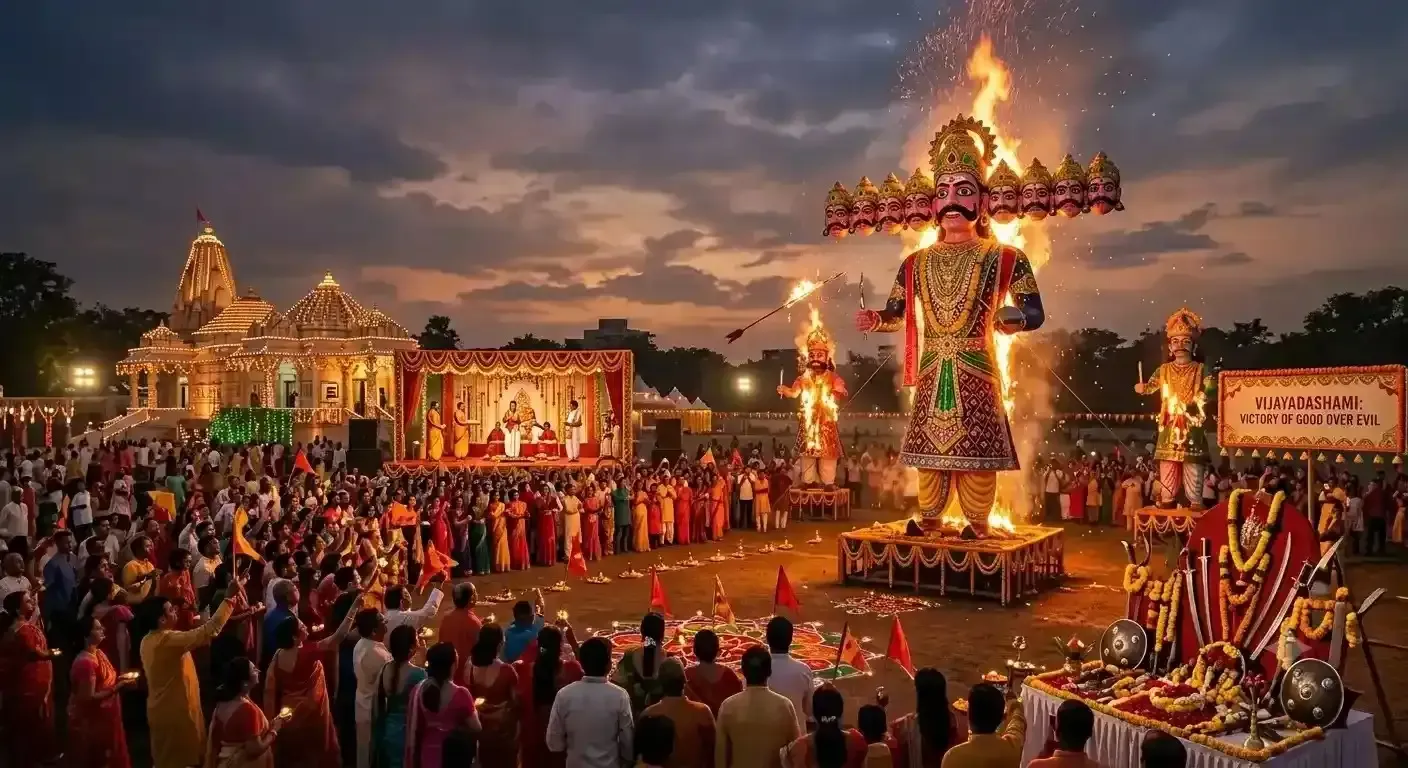
Kathmandu is one of the most fascinating destinations in South Asia to experience the Festival of Lights. During Tihar, Nepal's homes, temples, courtyards, streets and traditional neighbourhoods are decorated with oil lamps, colourful lights, marigold garlands and rangoli-inspired designs.
Known as Tihar, Deepawali or Yama Panchak, this five-day festival is one of Nepal's most important Hindu celebrations. It shares some traditions with Diwali in India, particularly the worship of Goddess Laxmi, the lighting of lamps and the celebration of prosperity. However, Nepal's Tihar has its own distinctive rituals, including the worship of crows, dogs, cows and oxen, Newar Mha Puja and the beautiful Bhai Tika ceremony.
Tihar 2026 takes place from November 7 to November 11 in Kathmandu. The main Laxmi Puja evening falls on Sunday, November 8, when families light diyas and pray for prosperity and happiness. The celebration concludes with Bhai Tika on Wednesday, November 11.
For international visitors, Kathmandu offers an opportunity to experience the festival through its traditional markets, historic squares, temples, family celebrations and neighbourhood Deusi-Bhailo performances.
This HinduTone guide explains the 2026 dates, local puja timings, five-day calendar, cultural traditions, places to visit, food, shopping and travel arrangements.
When is Tihar 2026 in Kathmandu, Nepal?
Tihar 2026 will be observed across Kathmandu and the wider Kathmandu Valley from November 7 to November 11.
| Festival detail | Information |
|---|---|
| Festival | Tihar 2083 |
| Also known as | Deepawali, Diwali, Yama Panchak |
| Main Laxmi Puja | Sunday, November 8, 2026 |
| Festival period | November 7–11, 2026 |
| Nepali calendar | Kartik 21–25, 2083 BS |
| Time zone | Nepal Time (NPT), UTC+5:45 |
| Main locations | Kathmandu, Patan and Bhaktapur |
Tihar is not simply one evening of lighting lamps. Each day has a separate religious and cultural meaning. The festival honours animals, Goddess Laxmi, the relationship between brothers and sisters, and the spiritual traditions of Nepal's communities.
Tihar 2026 five-day festival calendar
The following calendar follows the 2083 BS dates published by Kathmandu Metropolitan City's calendar and Nepal's reported festival schedule.
| Date | Festival | Main tradition |
|---|---|---|
| Saturday, November 7 | Kaag Tihar | Worship of crows |
| Sunday, November 8 | Kukur Tihar and Laxmi Puja | Worship of dogs and evening worship of Goddess Laxmi |
| Monday, November 9 | Gai Tihar | Worship of cows |
| Tuesday, November 10 | Goru Tihar, Govardhan Puja and Mha Puja | Ox worship, Govardhan worship and Newar self-worship |
| Wednesday, November 11 | Bhai Tika / Kija Puja | Celebration of the bond between siblings |
Some calendar references describe the wider observance as beginning with Dhanteras or Dhanwantari Jayanti on November 6. The five principal Tihar days listed above are the key dates for visitors planning their Kathmandu experience.
November 7: Kaag Tihar – Worship of crows
The first principal day of Tihar is Kaag Tihar, dedicated to crows.
In Hindu tradition, crows are associated with Yama, the god of death, and are regarded as messengers. Families place food offerings outside their homes for crows, praying for protection from misfortune and negative events.
Visitors may notice food offerings on rooftops, courtyards and outdoor spaces.
November 8: Kukur Tihar and Laxmi Puja
November 8 is one of the most memorable days of Tihar 2026.
In the morning, Kukur Tihar celebrates dogs. Dogs are decorated with marigold garlands, given tika on their foreheads and offered special food. The celebration recognises their loyalty, companionship and protective role.
In the evening, families perform Laxmi Puja. Goddess Laxmi is worshipped for wealth, prosperity and wellbeing.
Homes and shops are decorated with lights, flowers, lamps and colourful designs. Many families create a symbolic pathway from the entrance towards the prayer area to welcome Goddess Laxmi.
November 9: Gai Tihar – Worship of cows
Cows hold a special place in Hindu culture and are associated with nourishment, generosity and prosperity.
On Gai Tihar, families honour cows with flowers, tika and food offerings. The day is connected with the wider religious significance of the cow in Nepalese Hindu traditions.
November 10: Goru Tihar, Govardhan Puja and Mha Puja
The fourth day brings several important observances.
Goru Tihar: Oxen are honoured for their traditional contribution to agriculture and farming.
Govardhan Puja: Devotees worship Govardhan Hill and remember the story of Lord Krishna protecting the people of Vrindavan.
Mha Puja: The Newar community performs a distinctive ritual of self-worship, recognising the importance of the individual, wellbeing and spiritual renewal.
November 10, 2026, also marks the beginning of Nepal Sambat 1147, the New Year of the Nepal Sambat calendar.
November 11: Bhai Tika – The celebration of siblings
Bhai Tika is the final and one of the most emotional days of Tihar.
Sisters apply colourful tika to their brothers' foreheads, offer garlands and pray for their long life, health and prosperity. Brothers give gifts and blessings in return.
The ritual represents love, protection and the lifelong relationship between siblings.
The Nepal Calendar Determination Committee has announced 11:07 AM on November 11, 2026, as the recommended auspicious time for Bhai Tika. Families should follow their own traditions and local religious guidance.
Laxmi Puja 2026 timings in Kathmandu
Laxmi Puja is the central evening observance of Tihar and the part of the festival most closely associated with Diwali.
According to Drik Panchang's Kathmandu-specific calculation, the 2026 timings are:
| Panchang detail | Kathmandu local time |
|---|---|
| Date | Sunday, November 8, 2026 |
| Sunrise | Approximately 6:19 AM |
| Sunset | Approximately 5:15 PM |
| Pradosh Kaal | 5:15 PM – 7:52 PM |
| Lakshmi Puja Muhurat | 5:38 PM – 7:34 PM |
| Amavasya begins | November 8, approximately 11:42 AM |
| Amavasya ends | November 9, approximately 12:46 PM |
These timings are calculated for Kathmandu, Nepal. Other online Panchang services may show slightly different muhurats because of differences in calculation methods and the specific ritual window being used.
Families should confirm the preferred timing with their priest or local temple, especially if following a particular regional or family tradition.
How to perform Laxmi Puja at home
A traditional Laxmi Puja celebration may include:
- Cleaning the home and prayer area.
- Decorating entrances with flowers, lights and rangoli.
- Preparing a puja platform with images or idols of Goddess Laxmi and Lord Ganesha.
- Lighting diyas and offering incense.
- Offering flowers, fruits, sweets and other customary items.
- Performing Laxmi-Ganesha prayers during the preferred muhurat.
- Sharing prasad with family members.
- Lighting the home with traditional lamps and decorative lights.
In Kathmandu, the evening atmosphere becomes especially beautiful as homes, shops and traditional streets glow with lamps.
Where to experience Tihar celebrations in Kathmandu
Tihar is a nationwide family festival rather than one single ticketed event. The most authentic experiences often take place in traditional neighbourhoods, local markets, temples and residential courtyards.
1. Kathmandu Durbar Square
Kathmandu Durbar Square is one of the most historic places in the city. Its temples, courtyards and traditional architecture make it a memorable place to explore during the festival season.
During Tihar, the surrounding neighbourhoods can be particularly atmospheric, with decorative lights, flower garlands and festive activity.
Visitors should respect worship areas and follow local rules regarding photography and access.
2. Asan Bazaar
Asan is one of Kathmandu's best-known traditional market areas. It is a useful place to experience everyday Kathmandu life and shop for festival essentials.
During the Tihar period, visitors may find:
- Marigold garlands.
- Oil lamps and decorative lights.
- Fruits and sweets.
- Traditional food ingredients.
- Puja supplies.
- Festival decorations.
The market can become busy before Laxmi Puja. Visit earlier in the day if you prefer a quieter shopping experience.
3. Indra Chowk
Indra Chowk is another traditional market area in central Kathmandu. It connects several historic streets and is known for its shops and religious landmarks.
It is an interesting stop for visitors exploring the old city and looking for festive decorations and local shopping.
4. Patan Durbar Square
Patan, in Lalitpur, is one of the most rewarding places to explore during Tihar.
Its traditional Newar architecture, courtyards, temples and historic streets offer a cultural experience that complements Kathmandu's celebrations.
Visitors can learn about Newar customs and the significance of Mha Puja, which is observed on November 10 in 2026.
5. Bhaktapur Durbar Square
Bhaktapur is known for its preserved traditional architecture, pottery squares, temples and Newar cultural heritage.
During Tihar, visitors may experience traditional neighbourhood decorations, local food, flower garlands and family celebrations.
It is a good destination for travellers who want to explore beyond central Kathmandu.
6. Boudhanath area
Boudhanath is primarily a major Buddhist pilgrimage destination, not a Hindu Tihar venue. However, it is a fascinating cultural area to include in a Kathmandu Valley itinerary.
Visitors can explore the stupa, surrounding shops and cafés, while respecting the distinct Buddhist traditions of the neighbourhood.
Deusi Bhailo: The music and community spirit of Tihar
One of the most recognisable features of Tihar is Deusi Bhailo.
Groups of children, young people and adults visit homes and neighbourhoods singing traditional festive songs. The songs are accompanied by clapping, dancing and musical instruments.
The tradition is commonly divided into:
- Bhailo: Traditionally performed by groups of girls and women.
- Deusi: Traditionally performed by groups of boys and men, although modern participation is often mixed.
Hosts welcome the performers and may offer money, sweets, food or other gifts. The groups sing blessings and festive wishes for the household.
Where can visitors experience Deusi Bhailo?
Visitors may encounter Deusi Bhailo in residential neighbourhoods throughout Kathmandu Valley.
Traditional areas of Kathmandu, Patan and Bhaktapur can offer opportunities to see local celebrations. However, performances are organised by neighbourhood groups and families, not necessarily by a central event organiser.
If you are visiting, enjoy the performances respectfully. Ask permission before recording people or entering private courtyards.
Hindu temples to visit in Kathmandu during Tihar
Kathmandu Valley has an extraordinary concentration of Hindu temples and sacred sites. Tihar is a good time to understand the relationship between religious traditions and everyday community life.
The following temples are important places to consider. Temple access, opening arrangements and special festival services should be checked before visiting.
Pashupatinath Temple
Pashupatinath is one of Nepal's most important Hindu pilgrimage sites and a major temple complex dedicated to Lord Shiva.
Located beside the Bagmati River, the complex includes shrines, traditional architecture and sacred spaces used for religious rituals.
It is an important destination for Hindu pilgrims visiting Kathmandu.
Guhyeshwari Temple
Guhyeshwari Temple is a major Shakti shrine in the Pashupati area. It is associated with Goddess worship and is an important site in Kathmandu's religious landscape.
Visitors often combine a visit to Guhyeshwari with the wider Pashupatinath area.
Maitidevi Temple
Maitidevi Temple is a prominent goddess temple in central Kathmandu. It is associated with Shakti worship and is a place of regular devotion.
Its location makes it a practical stop for travellers exploring the city's religious sites.
Budhanilkantha Temple
Budhanilkantha Temple, also known as Narayanthan, is famous for its large reclining image of Lord Vishnu.
The temple is located at the northern edge of Kathmandu Valley near the foothills of Shivapuri. Its distinctive open-air setting makes it one of the valley's notable religious destinations.
Sankata Temple
Sankata Temple is located near New Road in central Kathmandu. It is an important shrine associated with protection from difficulties and misfortune.
The temple reflects the shared religious and cultural heritage of Hindu and Newar Buddhist communities.
Akash Bhairab Temple
Akash Bhairab Temple is located in the historic Indra Chowk area. It is associated with the worship of Bhairab and Kathmandu's traditional religious culture.
It is easy to combine with a walk through Asan and the old city.
Krishna Mandir, Patan
Krishna Mandir is one of Patan Durbar Square's best-known temples. Its stone architecture and religious significance make it a major stop for visitors interested in Hindu heritage.
It is particularly suitable for travellers exploring the Newar cultural traditions of Lalitpur.
Indian and vegetarian restaurants in Kathmandu for Tihar dining
Kathmandu offers a wide range of Indian, Nepali and vegetarian dining options. During Tihar, families may prefer vegetarian food and traditional festive meals.
The following restaurants are options to consider. Confirm current opening hours, menus and reservation arrangements before visiting.
Third Eye Restaurant – Thamel
Third Eye Restaurant is a well-known dining option in Thamel serving Indian, Nepali and other cuisines. It may suit visitors looking for a sit-down meal after exploring the old city.
Western Tandoori & Naan House – Thamel
This restaurant is known for Indian-style tandoori breads and curry dishes. It is an option for travellers seeking familiar North Indian flavours.
OMKARA – Pure Veg & Vegan Indian Restaurant
OMKARA is a vegetarian restaurant in Kathmandu with Indian and vegan-friendly choices. It may be particularly useful for visitors seeking a meat-free meal during the festival.
Swarga Pure Vegetarian Restaurant
Swarga in Thamel offers vegetarian food, including Indian and Nepali dishes. It is worth considering for families and travellers looking for vegetarian options.
Moti Mahal Vegetarian Restaurant
Moti Mahal on Durbar Marg is another pure-vegetarian Indian dining option, with North Indian-style food.
Bhojan Unlimited – The House of Maharaja Thali
Located in Jawalakhel, Lalitpur, Bhojan Unlimited is known for its thali-style dining. It is an option for visitors exploring Patan and the wider Kathmandu Valley.
Mehmaan Pahuna – Jhamsikhel
Mehmaan Pahuna is an Indian and Punjabi restaurant in the Jhamsikhel area of Lalitpur. It offers a choice for diners looking for North Indian-style dishes.
Biryani Bistro Bouddha
Biryani Bistro in the Bouddha area is an option for visitors looking for biryani and family-style dining.
Tihar dining advice: Some restaurants may adjust their opening hours during the festival period. Make reservations in advance if you are travelling with a group, and ask whether a special vegetarian or festive menu is available.
Where to buy Tihar decorations, sweets and puja supplies in Kathmandu
Kathmandu's traditional markets are among the best places to shop for Tihar.
Asan Market
Asan is a practical place to look for traditional festival supplies, including flowers, garlands, lamps, fruits, spices and puja items.
Indra Chowk
The surrounding lanes offer shops selling household goods, traditional products, clothing and festival-related items.
New Road
New Road has a variety of shops and commercial outlets. Visitors can look for decorative lights, gifts, clothing and general festival shopping.
Bhat-Bhateni Supermarket
Bhat-Bhateni has several branches in Kathmandu. Its supermarkets offer a broad range of groceries and household goods, making them convenient for families preparing meals and buying everyday supplies.
Namaste Masala Store
Namaste Masala Store in the Nayabazar area is listed as a spice and dry-fruit retailer. It may be useful for people looking for cooking spices and pantry ingredients.
Red Pineapple Store
Red Pineapple Store in Thamel is listed as a convenience and Asian grocery shop. It may be useful for visitors staying in the tourist district who need packaged groceries and everyday essentials.
A Tihar shopping checklist
Consider purchasing:
- Marigold garlands and flowers.
- Diyas and cotton wicks.
- Oil or ghee for lamps.
- Decorative lights.
- Rangoli colours and materials.
- Fruits and dry fruits.
- Rice, lentils and spices.
- Sweets and festive snacks.
- Puja plates and incense.
- Gifts for family members.
- Tika and garlands for Bhai Tika.
Traditional items may sell quickly in the days before Laxmi Puja, so shopping earlier is recommended.
Traditional Tihar food in Kathmandu
Food is an essential part of Tihar. Families prepare festive meals and share sweets and snacks with relatives, neighbours and guests.
Some popular foods associated with the festival include:
Sel Roti
Sel Roti is a traditional Nepali ring-shaped rice-flour bread, usually deep-fried. It is especially popular during festivals and family gatherings.
Anarsa and other sweets
Traditional sweets may include anarsa, laddoo, barfi and other regional preparations.
Fini and sweet breads
Fini and other traditional festive breads are enjoyed in Nepali households.
Khaja and Newari dishes
Newar families may prepare traditional food for Mha Puja and family gatherings. The dishes and arrangements vary by household and tradition.
Fruits and dry fruits
Fruits and dry fruits are commonly used for offerings, hospitality and festive meals.
Visitors should try local foods from established shops and restaurants and ask about ingredients if they have dietary restrictions.
Nepal Sambat 1147 and the Newar Mha Puja tradition
One of the most distinctive features of Tihar in Kathmandu Valley is the observance of Mha Puja by the Newar community.
Mha Puja is a ritual of self-worship. It celebrates the individual, spiritual wellbeing and the importance of maintaining balance in life.
It is traditionally performed with a carefully arranged mandala, offerings, ritual items and family participation.
In 2026, Mha Puja falls on Tuesday, November 10, the same day as the beginning of Nepal Sambat 1147.
Nepal Sambat is a traditional calendar system with deep historical and cultural importance to the Newar community.
For visitors, this is a reminder that Tihar in Kathmandu is not only a festival of lamps. It is also a celebration of Nepal's diverse religious and cultural identities.
A suggested five-day Tihar itinerary in Kathmandu
Visitors planning to experience the festival can use this flexible itinerary. It is a suggested travel plan, not an official event programme.
November 7 – Kaag Tihar
- Explore Asan and Indra Chowk.
- Visit Kathmandu Durbar Square.
- Shop for flowers, lamps and sweets.
- Observe local preparations for the festival.
November 8 – Kukur Tihar and Laxmi Puja
- Learn about the morning Kukur Tihar tradition.
- Explore local markets and traditional neighbourhoods.
- Return to your accommodation before evening traffic becomes busy.
- Observe Laxmi Puja with a local family or at an appropriate religious venue, if invited.
- Enjoy the illuminated streets and homes.
November 9 – Gai Tihar
- Explore Kathmandu's historic areas.
- Visit Pashupatinath and nearby religious sites, subject to access arrangements.
- Learn about the significance of cow worship in Hindu traditions.
November 10 – Govardhan Puja and Mha Puja
- Visit Patan Durbar Square.
- Explore Newar architecture and traditional courtyards.
- Learn about Nepal Sambat 1147 and Mha Puja.
- Enjoy traditional Newari food.
November 11 – Bhai Tika
- Learn about the sibling blessing ceremony.
- Observe local family celebrations only where invited.
- Visit Bhaktapur or explore Kathmandu's traditional markets, depending on opening hours.
- Enjoy the final day of the Tihar period.
Travel tips for visitors during Tihar 2026
Book accommodation early
Tihar is an important national festival. If you plan to visit Kathmandu during November 7–11, book your accommodation in advance.
Expect changes to opening hours
Government offices, shops and some businesses may close or change their schedules during the holiday period. Check opening arrangements before travelling.
Plan transport carefully
Traffic patterns may change around major markets and religious sites. Leave extra time for journeys, particularly during the evenings.
Respect religious traditions
Some temples have access restrictions for non-Hindu visitors. Follow posted signs and local instructions.
Ask before photographing people
Tihar is a family and community festival. Ask permission before photographing worshippers, children, religious ceremonies or private homes.
Be considerate around animals
Kukur Tihar is a celebration of dogs. Do not disturb animals or force them to participate in photographs. Respect the people caring for them.
Be careful with lamps and fireworks
Diyas and candles should be placed safely away from curtains, paper decorations and other flammable materials. Follow local rules for fireworks and avoid disturbing animals and residents.
Why Kathmandu is one of the best places to experience Tihar
Kathmandu is a remarkable destination for Tihar because the festival is woven into everyday life.
Unlike a large event held at a single venue, Tihar is celebrated across homes, neighbourhoods, temples and markets. Visitors can experience different aspects of the festival by exploring Kathmandu, Patan and Bhaktapur.
The combination of Laxmi Puja, Deusi Bhailo, Newar Mha Puja, traditional food and the Bhai Tika ceremony makes Nepal's festival distinct from Diwali celebrations in other countries.
For Hindu families, Tihar is a time to pray for prosperity and wellbeing. For the wider community, it is a celebration of relationships, gratitude, generosity and cultural identity.
Frequently Asked Questions about Tihar 2026 in Kathmandu
1. When is Tihar 2026 in Kathmandu?
The five principal days of Tihar 2026 run from Saturday, November 7, to Wednesday, November 11, in Kathmandu.
2. When is Laxmi Puja in Nepal in 2026?
Laxmi Puja falls on Sunday, November 8, 2026. It is the main evening of lights and worship during Tihar.
3. What is the Laxmi Puja muhurat in Kathmandu?
Drik Panchang gives the Kathmandu Lakshmi Puja muhurat as 5:38 PM to 7:34 PM Nepal Time on November 8, 2026. Confirm the preferred timing with your local priest.
4. When is Kukur Tihar in 2026?
Kukur Tihar falls on Sunday, November 8, 2026. Dogs are decorated with garlands and tika and offered food.
5. When is Bhai Tika in Nepal in 2026?
Bhai Tika will be celebrated on Wednesday, November 11, 2026. The recommended auspicious time announced by Nepal's Calendar Determination Committee is 11:07 AM.
6. What is Mha Puja?
Mha Puja is a Newar ritual of self-worship. It celebrates the individual, spiritual wellbeing and renewal. In 2026, it is observed on November 10.
7. What is Nepal Sambat 1147?
Nepal Sambat is a traditional calendar system with particular importance to the Newar community. Nepal Sambat 1147 begins on November 10, 2026, alongside the Mha Puja observance.
8. What is Deusi Bhailo?
Deusi Bhailo is a traditional Tihar singing and dancing custom. Groups visit homes and neighbourhoods, perform festive songs and receive blessings or gifts from hosts.
9. Where can tourists see Tihar celebrations in Kathmandu?
Visitors can explore traditional neighbourhoods around Asan, Indra Chowk and Kathmandu Durbar Square. Patan and Bhaktapur are also excellent destinations for experiencing the cultural atmosphere.
10. Is Tihar the same as Diwali in India?
Tihar is Nepal's Festival of Lights and shares the Laxmi Puja and lamp-lighting traditions associated with Diwali. However, it has distinctive Nepali customs, including Kaag Tihar, Kukur Tihar, Gai Tihar, Mha Puja and Bhai Tika.
11. Are temples open during Tihar?
Many temples remain active during festival periods, but opening times and access rules can change. Check directly with each temple before visiting.
12. Is Tihar a public holiday in Nepal?
Yes. Tihar includes official public holidays. The precise holiday dates and closures should be checked against the current government holiday notice.
13. What should visitors wear during Tihar?
Modest, comfortable clothing is appropriate when visiting temples and religious spaces. Remove footwear where required and follow local customs.
14. Can international tourists participate in Deusi Bhailo?
Visitors can enjoy public or community performances respectfully. Participation in private home celebrations should be by invitation.
15. What food should visitors try during Tihar?
Sel roti, traditional sweets, Newari dishes and festive snacks are good choices. Ask local hosts or restaurants about seasonal preparations.
Conclusion: Celebrate Tihar 2026 in Kathmandu
Tihar 2026 offers a wonderful opportunity to experience Nepal's rich Hindu and Newar traditions. From the worship of crows and dogs to the glowing lamps of Laxmi Puja, the cultural celebrations of Mha Puja and the family blessings of Bhai Tika, every day has its own meaning.
Kathmandu, Patan and Bhaktapur provide memorable settings for exploring the Festival of Lights. Whether you are a local resident, a Nepali living abroad, a Hindu pilgrim or an international visitor, Tihar offers a chance to celebrate prosperity, gratitude, family and community.
HinduTone wishes everyone in Kathmandu, Nepal and around the world a very Happy Tihar 2026 and Happy Deepawali!
Share this with family and friends
Send it on WhatsApp, post it, or copy the link.
More from Diwali 2026
- Deepavali 2026 in Kuala Lumpur, Malaysia: Date, Lakshmi Puja Timings, Hindu Temples, Events, Little India Celebrations and Travel Guide
- Diwali 2026 in Phoenix, Arizona: Celebrate the Festival of Lights Across the Valley of the Sun
- Diwali 2026 in Rome, Italy: Events, Hindu Temples, Lakshmi Puja Timings and Indian Celebrations
- Diwali 2026 in Johannesburg, South Africa: Date, Lakshmi Puja Timings, Hindu Temples, Lenasia Celebrations and Events
- Diwali 2026 in Dallas–Fort Worth, Texas: Best Events, Hindu Temples, Lakshmi Puja, Indian Celebrations and Festival Guide
You might also like
Tihar 2026: Dates, 5 Days, Laxmi Puja & Bhai Tika Guide
Deepavali 2026 in Trincomalee: Experience Sri Lanka's Festival of Lights
Deepavali 2026 in Jaffna: Experience Sri Lanka's Tamil Hindu Festival of Lights