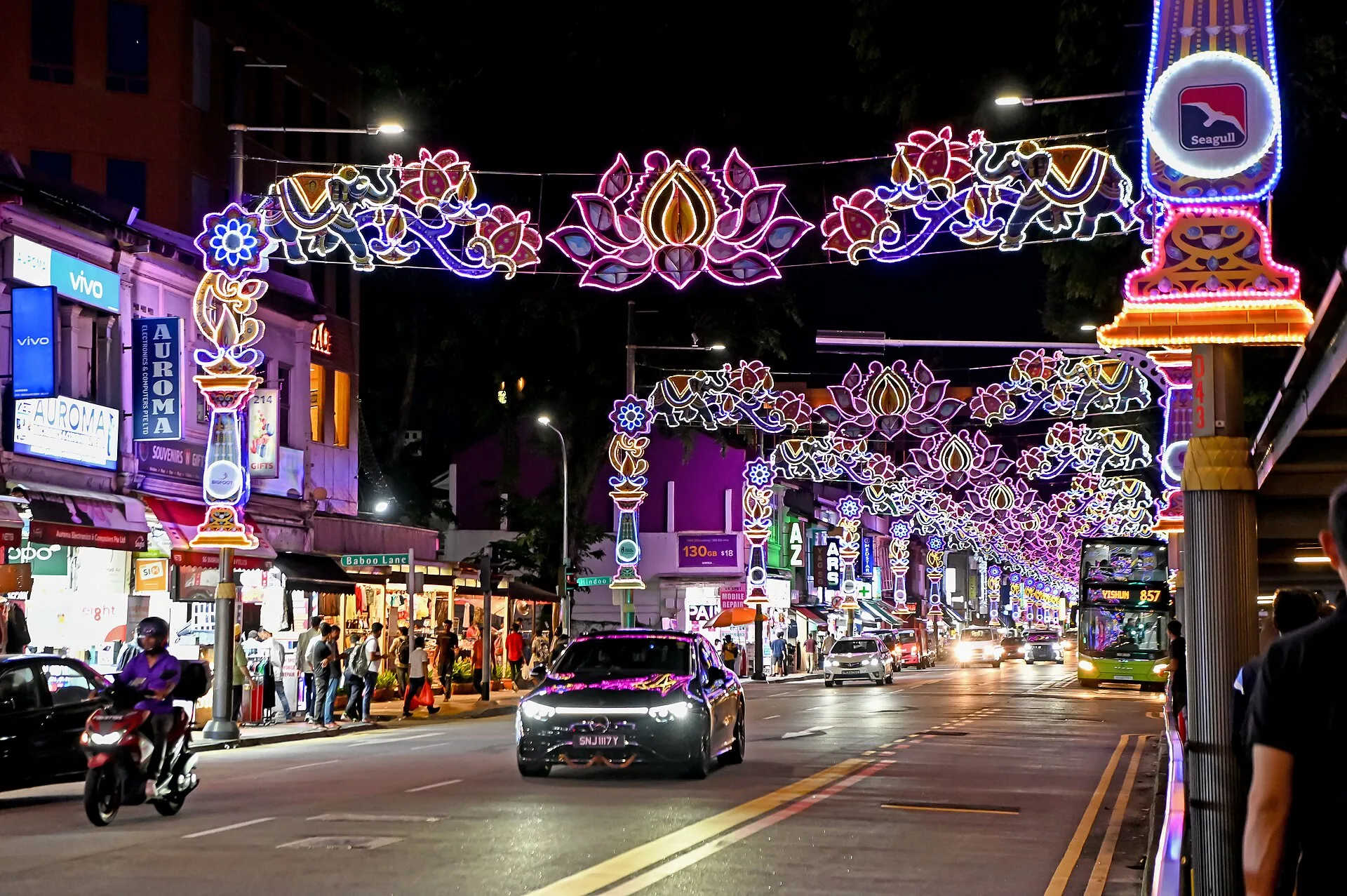
Deepavali 2026 in Trincomalee: Experience Sri Lanka's Festival of Lights
Trincomalee is one of Sri Lanka's most beautiful coastal destinations and an important centre of Tamil Hindu religious heritage. Located in the Eastern Province, the city is famous for its natural harbour, historic Fort Frederick, beautiful beaches and the sacred Thirukoneswaram Temple, also known a
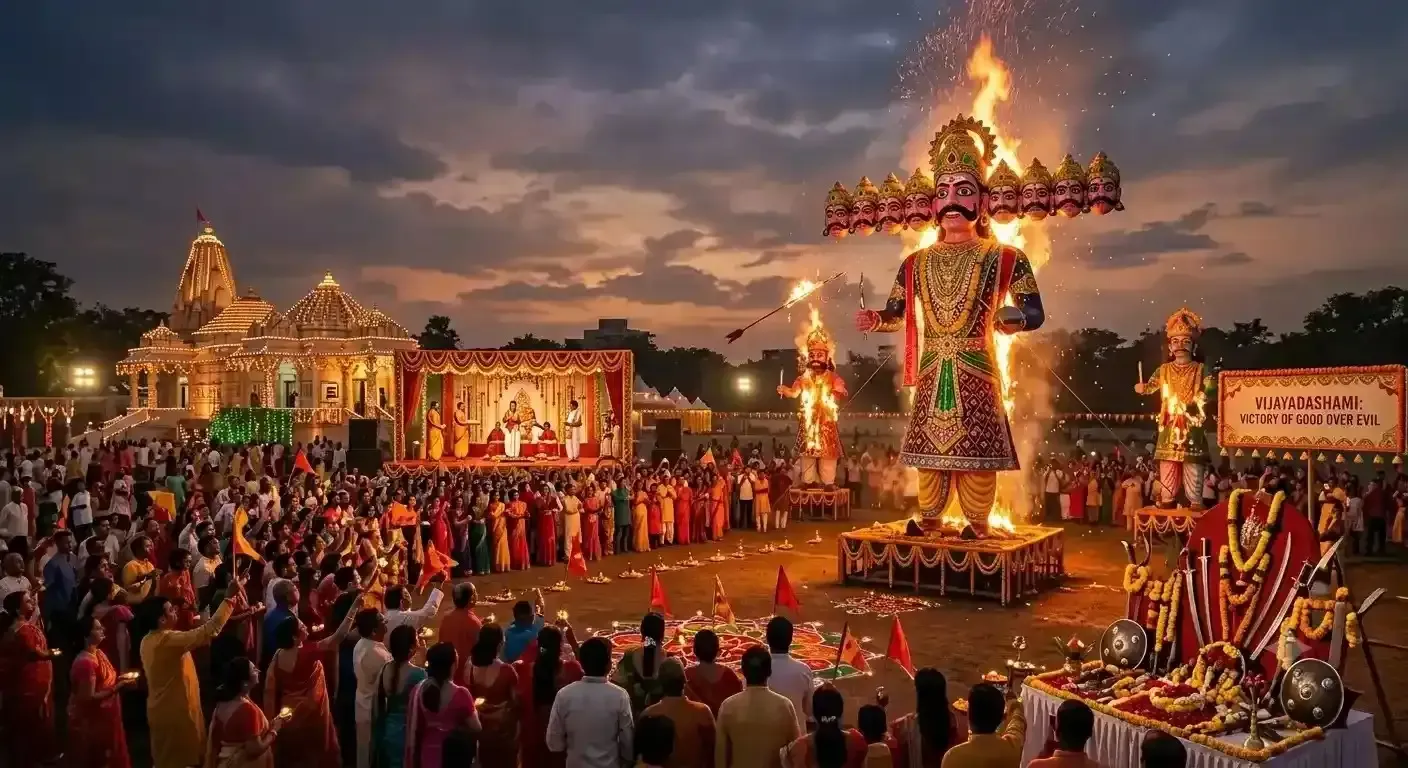
Trincomalee is one of Sri Lanka's most beautiful coastal destinations and an important centre of Tamil Hindu religious heritage. Located in the Eastern Province, the city is famous for its natural harbour, historic Fort Frederick, beautiful beaches and the sacred Thirukoneswaram Temple, also known as Koneswaram Kovil.
For Hindu families, Deepavali is an important occasion to celebrate the victory of good over evil, light over darkness and knowledge over ignorance. Homes are cleaned and decorated, traditional oil lamps are lit, families wear new clothes, temples welcome devotees and festive sweets are shared.
Deepavali 2026 falls on Sunday, November 8, 2026. It is listed as a public and bank holiday in Sri Lanka.
Trincomalee offers a different atmosphere from large Indian cities. Deepavali celebrations here are generally centred on family traditions, Hindu temples, prayers, traditional food and community gatherings rather than large commercial light festivals.
The city's historic Koneswaram Temple, colourful Pathirakali Amman Kovil and other Hindu shrines make it an interesting destination for visitors who want to understand Sri Lanka's eastern Tamil Hindu heritage.
This HinduTone guide covers the Deepavali date, local Lakshmi Puja timings, temples, traditional celebrations, food, shopping, sightseeing and travel advice for Trincomalee.
When is Deepavali 2026 in Trincomalee, Sri Lanka?
Deepavali 2026 will be celebrated on Sunday, November 8, in Trincomalee and across Sri Lanka.
| Festival detail | Information |
|---|---|
| Festival | Deepavali 2026 |
| Tamil name | Theepavali |
| Date | Sunday, November 8, 2026 |
| Location | Trincomalee, Eastern Province, Sri Lanka |
| Time zone | Sri Lanka Standard Time (SLST), UTC+5:30 |
| Main religious observance | Tamil Hindu Deepavali |
| Holiday status | Public and bank holiday |
| Main temple landmark | Thirukoneswaram Kovil |
The Central Bank of Sri Lanka's 2026 holiday calendar lists November 8 as Deepawali Festival Day. The High Commission of India in Colombo also lists Diwali on the same date.
For many Tamil Hindu families, Deepavali begins with early-morning rituals, an oil bath, new clothes, prayers and visits to the family kovil. The evening is associated with lamps, prayers and festive gatherings.
Lakshmi Puja 2026 timings in Trincomalee
Lakshmi Puja is an important Diwali observance for Hindu families who worship Goddess Lakshmi for prosperity, happiness and wellbeing.
According to the Trincomalee-specific Drik Panchang calculation, the main evening Lakshmi Puja muhurat is:
| Panchang detail | Trincomalee local time |
|---|---|
| Date | Sunday, November 8, 2026 |
| Sunset | Approximately 5:42 PM |
| Pradosh Kaal | 5:42 PM – 8:09 PM |
| Lakshmi Puja Muhurat | 6:09 PM – 8:09 PM |
| Amavasya begins | November 8, approximately 11:27 AM |
| Amavasya ends | November 9, approximately 12:31 PM |
These timings are calculated for Trincomalee. They should not be replaced with timings published for Colombo, Jaffna or another city.
Tamil Hindu families may follow their own morning Deepavali observances and temple traditions. The evening Lakshmi Puja window is particularly relevant to families observing the North Indian-style Lakshmi-Ganesha worship. Confirm the preferred ritual time with your family priest or temple.
How to perform Lakshmi Puja at home
A traditional Lakshmi Puja arrangement may include:
- Cleaning the home and prayer area before the festival.
- Decorating the entrance with flowers, kolam and lamps.
- Preparing images or idols of Goddess Lakshmi and Lord Ganesha.
- Lighting oil lamps and incense.
- Offering flowers, fruits, sweets and other customary items.
- Performing prayers during the preferred muhurat.
- Sharing prasad with family members.
- Lighting additional diyas around the home.
Families may follow different regional customs, so the ritual sequence can vary.
Koneswaram Temple: The spiritual heart of Trincomalee
One of the most important Hindu pilgrimage destinations in Sri Lanka is Thirukoneswaram Kovil, widely known as Koneswaram Temple.
The temple stands on Swami Rock, a dramatic headland overlooking the Indian Ocean and Trincomalee Harbour. Dedicated to Lord Shiva, it is one of Sri Lanka's important historic Shaivite pilgrimage sites and is associated with the island's Pancha Ishwaram tradition.
The location is remarkable: visitors approach the temple through the historic Fort Frederick area, with coastal views and the ocean visible from the surrounding cliffs.
Why Koneswaram Temple is important
Koneswaram is a major religious landmark for Tamil Hindus. The temple is associated with ancient traditions of Shiva worship and has a long cultural history in eastern Sri Lanka.
The wider temple precinct includes shrines and devotional spaces connected with Hindu deities. The temple's position above the sea makes it one of the most recognisable sacred sites in the country.
Visiting Koneswaram during Deepavali
Visitors planning to visit on November 8 should contact the temple to confirm its festival-day worship schedule.
A special public Deepavali 2026 programme with a confirmed timetable could not be independently verified when this article was prepared. Do not assume that a separate cultural show, procession or ticketed event is taking place.
Visitors should:
- Dress modestly.
- Remove footwear where required.
- Follow temple instructions.
- Respect worshippers and religious ceremonies.
- Ask permission before taking photographs.
- Avoid obstructing devotees during prayers.
Koneswaram is both an active place of worship and a historic destination. Visitors should treat it primarily as a sacred temple.
Other Hindu temples and kovils in Trincomalee
Trincomalee has several Hindu temples serving its local Tamil Hindu community. These kovils are important places for worship throughout the year.
1. Shri Badrakali Amman Hindu Kovil
Shri Badrakali Amman Hindu Kovil, also known as Pathirakali Amman Temple, is one of the most striking Hindu temples in central Trincomalee.
Dedicated to Goddess Bhadrakali, the temple is known for its colourful Dravidian-style architecture and elaborate sculptural decoration.
The temple is a significant place of worship for devotees of Goddess Amman. Visitors can explore its architecture while respecting the religious activities taking place.
Location: 24 New Moor Street, Trincomalee
Phone: +94 262 222 760
Check the temple's festival-day schedule before visiting.
2. Thirukoneswaram Kovil
Koneswaram Temple is the major Shiva pilgrimage landmark of Trincomalee.
Located on Swami Rock, it offers a combination of religious significance, historic heritage and coastal scenery.
It is one of the most important places for visitors exploring the city's Hindu identity.
3. Sri Lakshmi Narayana Perumal Kovil
Sri Lakshmi Narayana Perumal Kovil is a prominent Vaishnavite temple along the Nilaveli Road corridor.
Dedicated to Lord Vishnu in the form of Lakshmi Narayana, the temple is recognised for its colourful blue-and-gold architecture.
It is a worthwhile stop for visitors travelling between Trincomalee town and the Nilaveli area.
Location: 6th Mile Post, Nilaveli Main Road, Trincomalee.
4. Sivan Kovil
Sivan Kovil is a Hindu place of worship in Trincomalee town dedicated to Lord Shiva.
It serves local devotees and is an option for visitors interested in the city's everyday religious life.
Location: No. 450, Thirugnanasampanthar Street, Trincomalee.
5. Sri Siddhi Vinayaka Temple
Sri Siddhi Vinayaka Temple is a smaller Hindu shrine dedicated to Lord Ganesha.
Devotees worship Lord Vinayaka for wisdom, success and the removal of obstacles. Visitors exploring the town's Hindu shrines may include this temple in a local religious itinerary.
6. Shankari Devi Shrine
Shankari Devi Shrine is located in the wider Koneswaram temple precinct on Swami Rock.
It is associated with Goddess worship and is an important devotional stop for some Hindu pilgrims visiting Trincomalee.
Visitors should follow the rules of the temple complex and ask staff about access to individual shrines.
Deepavali celebrations in Trincomalee 2026: Events and community activities
Deepavali in Trincomalee is primarily a family and religious celebration. Homes, temples and neighbourhoods are important places to experience the festival.
A large public Deepavali festival with a confirmed November 8 venue, ticketing information and published schedule could not be independently verified when this article was prepared.
The following are traditional activities visitors may encounter, rather than a confirmed official event programme.
Temple worship and prayers
Hindu families may visit Koneswaram, Pathirakali Amman Kovil and other local temples for prayers and blessings.
Special worship schedules should be confirmed directly with each temple.
Traditional family celebrations
Many families celebrate at home with new clothes, sweets, oil lamps, prayers and festive meals.
These private celebrations are central to the festival. Visitors should participate only when invited.
Shopping before Deepavali
Local markets and shops are useful places to experience the preparations for the festival. Families may purchase clothes, flowers, fruits, sweets, lamps and puja supplies.
Traditional food and sweets
Food is a major part of Deepavali. Local shops and restaurants may offer Indian and Sri Lankan Tamil dishes, while families prepare traditional sweets at home.
Evening lamps and decorations
Oil lamps and decorative lights may be seen around homes and religious spaces. Visitors can enjoy the atmosphere respectfully without entering private properties.
Traditional Tamil Deepavali customs in Trincomalee
Deepavali traditions in Trincomalee reflect the customs of Sri Lankan Tamil Hindu families. Some rituals are common across Tamil communities, while others vary according to family and temple traditions.
Ennai Kuliyal – The traditional oil bath
The early-morning oil bath is one of the best-known Tamil Deepavali customs.
Families may apply sesame oil before taking a ritual bath. It symbolises cleansing and renewal and marks the beginning of the festival.
Wearing new clothes
Many families wear new or festive clothes on Deepavali morning.
Traditional clothing may include sarees, salwar suits, veshti and shirts. Wearing new clothes is associated with joy and new beginnings.
Visiting the kovil
Temple visits are important for many Hindu families. Devotees may offer prayers and receive blessings from the temple priest.
Lighting vilakku
Traditional oil lamps, known as vilakku in Tamil, are lit in homes and prayer spaces.
The light represents the triumph of goodness over darkness.
Kolam decorations
Families may create kolam designs near entrances using rice flour, coloured powders or flowers.
These decorations welcome guests and contribute to the festive appearance of homes.
Sharing sweets and festive food
Sweets and snacks are shared with relatives, neighbours and friends. The tradition reflects hospitality and community relationships.
Remembering the Narakasura story
Deepavali is associated with the story of Lord Krishna's victory over Narakasura in many Hindu traditions.
The story represents the victory of righteousness over evil.
Traditional Deepavali food and sweets in Trincomalee
Food is one of the most enjoyable parts of Deepavali. Sri Lankan Tamil households prepare a variety of sweets, savouries and festive meals.
Murukku
Murukku is a crunchy savoury snack made using rice flour and other ingredients. It is shaped into spirals and deep-fried.
Athirasam
Athirasam is a traditional sweet made from rice flour and jaggery or sugar. It is popular during Tamil festive occasions.
Laddu
Laddu is a popular Indian sweet prepared in different varieties, often using gram flour, sugar and ghee.
Mysore pak
Mysore pak is a rich sweet made with gram flour, ghee and sugar.
Payasam
Payasam is a sweet dish made using ingredients such as rice, milk, coconut milk, jaggery and sugar.
Milk toffee
Milk toffee is a popular Sri Lankan sweet made with milk or condensed milk and sugar. It is often cut into small squares.
Jaffna and eastern Sri Lankan food
Visitors can also explore the wider regional food culture, including:
- String hoppers.
- Pittu.
- Dosai.
- Idli.
- Vadai.
- Rice and curry.
- Coconut-based curries.
- Jaffna-style crab curry.
- Local seafood dishes.
Not all these dishes are specific to Deepavali, but they are part of the wider food experience in eastern Sri Lanka.
Indian and South Asian restaurants in Trincomalee
Visitors looking for Indian or South Asian food during the festival can explore the following establishments.
Opening hours may change on public holidays. Contact restaurants directly before visiting.
1. Kochi Restaurant
Kochi Restaurant is in the Allesgarden area of Trincomalee. It is a small restaurant serving Indian and Sri Lankan-style food.
It is an option for visitors looking for freshly prepared South Asian meals.
2. Chef's Restaurant & Chef's Mozzarella
Located on Beach Road, this restaurant combines South Asian-style curries and breads with other food options.
It is also associated with cooking experiences, making it an interesting stop for visitors interested in food.
3. Salem RR Biriyani Trincomalee
Salem RR Biriyani is on Main Street and is known for biryani and South Asian-style dishes.
It may be suitable for families looking for a casual meal. Ask about vegetarian options if required.
4. Trincorini
Trincorini is a restaurant on Beach Road in the Allesgarden area. It offers Indian, Sri Lankan and fusion-style food.
5. Dosa Corner Trincomalee
Dosa Corner is a small food outlet near Dutch Bay Beach. It is an option for visitors looking for South Indian-style dosa and accompaniments.
6. Divine Delights Restaurant and Coolbar
Divine Delights is located on School Road and offers Indian and Sri Lankan-style food.
Check its menu and operating hours before planning a family meal.
7. Gaga Restaurant
Gaga Restaurant on Sarvodaya Road offers a broad menu that includes Sri Lankan and Indian dishes, along with seafood options.
Restaurant advice: Ask whether the restaurant is open on Sunday, November 8, and whether it offers a vegetarian Deepavali menu. Do not assume that a special buffet or festival meal is available unless the restaurant confirms it.
Where to buy Indian groceries and Deepavali supplies in Trincomalee
Families preparing Deepavali at home may need ingredients for sweets, savouries and traditional meals, along with lamps, flowers and puja materials.
Nithiyawani Stores
Nithiyawani Stores is an Indian grocery shop on Main Street in Trincomalee.
It may be useful for customers looking for Indian-style pantry products and everyday groceries.
Cargills Food City – Trincomalee
Cargills Food City on Thiruganansampanthar Street is a supermarket option for groceries, snacks and household essentials.
Mallika Stores
Mallika Stores is a general grocery shop in Trincomalee town. It is an option for everyday provisions and selected food ingredients.
What to buy before Deepavali
- Sesame oil and cooking oil.
- Rice flour and gram flour.
- Rice and lentils.
- Jaggery and sugar.
- Spices and coconut products.
- Flowers and garlands.
- Oil lamps and cotton wicks.
- Incense and puja supplies.
- Fruits and dry fruits.
- Traditional sweets.
- New clothes and gifts.
Shop before the public holiday because opening hours and product availability may change on November 8.
Best places to visit in Trincomalee during Deepavali
Trincomalee is not only a religious destination. It also offers coastal scenery, historic landmarks and natural attractions.
Visitors can combine their Deepavali trip with sightseeing around the city and the wider eastern coast.
1. Fort Frederick
Fort Frederick is a historic fortification in Trincomalee. It has a long colonial history and is located near the route to Koneswaram Temple.
The fort area offers an opportunity to explore the city's historic landscape.
2. Swami Rock
Swami Rock is the dramatic headland where Koneswaram Temple stands.
The location offers beautiful views of the ocean and harbour. Visitors should remain within designated public areas and respect temple boundaries.
3. Nilaveli Beach
Nilaveli is one of the best-known beaches near Trincomalee. Its sandy shoreline and coastal scenery attract visitors during the main beach season.
November falls within the north-east monsoon period, so check weather and sea conditions before planning a beach visit.
4. Uppuveli Beach
Uppuveli is another popular beach area close to Trincomalee town.
It has accommodation, restaurants and coastal activities. However, weather and sea conditions can be changeable in early November.
5. Marble Beach
Marble Beach is known for its clear water and attractive coastal setting. Check access and weather conditions before travelling.
6. Kanniya Hot Springs
Kanniya Hot Springs is a historic attraction near Trincomalee. Visitors can explore the site and learn about local stories and traditions.
7. Pigeon Island National Park
Pigeon Island is known for coral reefs and marine life. Boat trips depend on weather and sea conditions.
Because November can bring rough seas, do not assume that boat trips will operate normally.
8. Dutch Bay
Dutch Bay is a coastal area near the town and offers views of Trincomalee's waterfront.
It is convenient for visitors combining temple visits with a walk around the harbour area.
How to reach Trincomalee for Deepavali 2026
Trincomalee can be reached by road and rail from other parts of Sri Lanka.
By train from Colombo
Trincomalee has a railway connection with Colombo through Sri Lanka Railways.
Check the latest timetable, ticket availability and journey duration before booking. Services may change because of operational requirements.
By road
Trincomalee can be reached from Colombo by road. Travellers can use buses, private vehicles or hired cars.
The journey is long, so plan rest stops and allow extra travel time.
By air
International visitors generally arrive at Bandaranaike International Airport near Colombo and continue to Trincomalee by road or rail.
Check whether domestic flight services are operating on the dates you plan to travel.
Local transport
Three-wheelers, taxis and private drivers are convenient for exploring Trincomalee town and nearby temples.
For longer trips to Nilaveli, Kanniya or other attractions, arrange transport in advance.
Travel tips for Deepavali 2026 in Trincomalee
1. Prepare for the north-east monsoon
Early November falls within the north-east monsoon period in eastern Sri Lanka. Rain and rough seas may affect outdoor activities.
2. Confirm temple timings
Do not assume that all kovils follow the same Deepavali timetable. Contact the temple before travelling.
3. Book accommodation early
Deepavali is an important holiday for Sri Lankan Hindu families. Book accommodation ahead of time, especially if travelling with relatives.
4. Check beach and boat conditions
Nilaveli, Uppuveli and Pigeon Island activities depend on weather and sea conditions.
5. Respect religious customs
Dress modestly, remove footwear where required and follow instructions from temple staff.
6. Ask before taking photographs
Some temples restrict photography in particular areas. Ask permission before photographing worshippers or ceremonies.
7. Carry local currency
Small shops and local transport providers may prefer cash. Keep Sri Lankan rupees available for everyday purchases.
8. Check public holiday opening hours
Government offices and banks close for the holiday. Private shops and restaurants may set their own hours.
Suggested Deepavali day itinerary in Trincomalee
This is a flexible visitor itinerary, not an official event programme.
Early morning
- Experience the atmosphere of Deepavali morning.
- Observe traditional family customs only where invited.
- Visit a local kovil after checking its worship schedule.
Morning
- Explore Koneswaram Temple and the Swami Rock area.
- Visit Fort Frederick.
- Explore the central town and local markets.
Afternoon
- Enjoy a traditional Tamil or South Asian meal.
- Visit Pathirakali Amman Kovil, subject to temple opening arrangements.
- Return to your accommodation before evening worship.
Evening
- Observe Lakshmi Puja during the local muhurat if following that tradition.
- Visit a temple only after confirming its festival-day schedule.
- Enjoy the festive atmosphere and illuminated homes.
Later evening
- Share sweets and food with family and friends.
- Enjoy dinner at a restaurant that has confirmed its holiday opening hours.
Why Trincomalee is special for Deepavali in Sri Lanka
Trincomalee offers a distinctive way to experience Sri Lanka's Tamil Hindu heritage.
Its religious landscape includes the famous Koneswaram Temple, the colourful Pathirakali Amman Kovil and other local shrines. The city also offers access to historic sites, beaches and traditional food.
For Hindu families, Deepavali is a time to renew spiritual connections, visit temples, spend time with relatives and celebrate the triumph of light over darkness.
For visitors, the festival offers a chance to learn about Tamil Hindu traditions while exploring one of Sri Lanka's most beautiful coastal regions.
It is important to remember that Deepavali celebrations are not identical in every household. Families may follow different rituals and temple schedules.
Frequently Asked Questions about Deepavali 2026 in Trincomalee
1. When is Deepavali 2026 in Trincomalee?
Deepavali 2026 falls on Sunday, November 8, 2026, in Trincomalee, Sri Lanka.
2. Is Deepavali a public holiday in Sri Lanka?
Yes. November 8, 2026, is listed as Deepawali Festival Day in Sri Lanka's public and bank holiday calendar.
3. What are the Lakshmi Puja timings in Trincomalee?
The Trincomalee-specific Drik Panchang calculation gives the Lakshmi Puja muhurat as 6:09 PM to 8:09 PM on November 8, 2026.
4. Which is the most famous Hindu temple in Trincomalee?
Thirukoneswaram Kovil, also known as Koneswaram Temple, is one of the most famous Hindu temples in Trincomalee. It stands on Swami Rock overlooking the Indian Ocean.
5. Is Pathirakali Amman Kovil worth visiting?
Yes. Shri Badrakali Amman Hindu Kovil is an important local temple dedicated to Goddess Bhadrakali and is known for its colourful architecture.
6. Are special Deepavali events confirmed in Trincomalee for 2026?
A large public event with a confirmed venue and published schedule could not be independently verified when this article was prepared. Contact the local temples for their Deepavali worship arrangements.
7. What are the popular Deepavali traditions in Trincomalee?
Common Tamil Hindu traditions include the early-morning oil bath, wearing new clothes, temple visits, lighting oil lamps, preparing sweets and sharing festive meals.
8. Where can visitors eat Indian food in Trincomalee?
Options include Kochi Restaurant, Chef's Restaurant, Salem RR Biriyani, Trincorini and other local restaurants. Confirm opening hours and menus before visiting.
9. Where can I buy Indian groceries in Trincomalee?
Nithiyawani Stores on Main Street is listed as an Indian grocery shop. Cargills Food City and Mallika Stores are other options for groceries and everyday supplies.
10. Is November a good time to visit Trincomalee beaches?
November falls within the north-east monsoon period. Beach and boat activities may be affected by rain and rough seas, so check local conditions.
11. Can tourists visit Koneswaram Temple?
Visitors can explore the temple subject to its religious rules and access arrangements. Dress modestly, remove footwear where required and follow photography instructions.
12. How can I travel from Colombo to Trincomalee?
Travellers can use train services, buses or private road transport. Check the current schedule and travel conditions before departure.
13. What sweets are popular during Deepavali in Sri Lanka?
Murukku, athirasam, laddu, payasam, Mysore pak and milk toffee are among the sweets and snacks enjoyed by many families.
14. Is Trincomalee suitable for a family Deepavali holiday?
Yes. It offers Hindu temples, historical landmarks, local food and coastal attractions. Families should plan around the monsoon and confirm temple and restaurant timings.
15. What is the local time zone in Trincomalee?
Trincomalee follows Sri Lanka Standard Time, UTC+5:30, the same time zone as India.
Conclusion: Celebrate Deepavali 2026 in Trincomalee
Deepavali 2026 on November 8 offers an opportunity to experience Sri Lanka's eastern Tamil Hindu traditions in the beautiful coastal city of Trincomalee.
From prayers at Koneswaram Temple and Pathirakali Amman Kovil to traditional oil lamps, kolam decorations, sweets and family gatherings, the city offers a meaningful setting for the Festival of Lights.
Visitors can also explore Fort Frederick, Swami Rock, Nilaveli, Uppuveli and other attractions while learning about the region's history and culture.
Whether you are a local resident, a Sri Lankan Tamil living abroad, a Hindu pilgrim or an international traveller, plan ahead, respect local traditions and check weather and temple arrangements before travelling.
HinduTone wishes everyone in Trincomalee, Sri Lanka and around the world a very Happy Deepavali 2026!
Share this with family and friends
Send it on WhatsApp, post it, or copy the link.
More from Diwali 2026
- Diwali 2026 in Israel: Date, Lakshmi Puja Timings, Hindu Temples, Indian Community Events and Celebrations
- Diwali 2026 in Phoenix, Arizona: Celebrate the Festival of Lights Across the Valley of the Sun
- Diwali 2026 in Milan, Italy: Events, Hindu Temples, Lakshmi Puja Timings and Indian Celebrations
- Tihar 2026 in Kathmandu: Experience Nepal's Festival of Lights
- Diwali 2026 in Seattle, Washington: Celebrate the Festival of Lights with the Indian Community
You might also like
Deepavali 2026 in Jaffna: Experience Sri Lanka's Tamil Hindu Festival of Lights
Deepavali 2026 in Malaysia, City by City: Date, Lakshmi Puja Muhurat, Holiday and Temples
Deepavali 2026 in Kerala: Naraka Chaturdashi Oil Bath, Community Traditions and Thrikarthika